
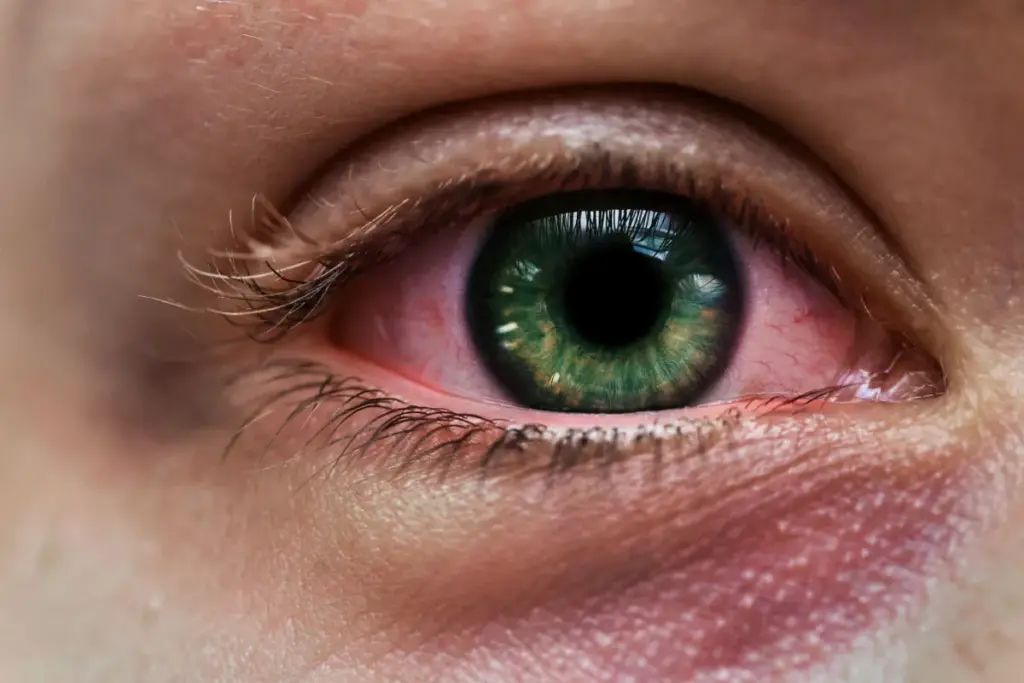
Bacterial conjunctivitis is a common eye infection in infants and young children. It often shows as purulent discharge and mattering of the eyelids. Bacterial infections need quick and effective treatment to avoid complications and help the child recover. At Liv Hospital, we focus on giving infants with this condition the best care.
We create personalized treatment plans that are both comfortable and effective. It’s important for parents and caregivers to know about treatment options. Our approach combines trusted medical advice with professional care to meet each infant’s needs.
Key Takeaways
- Prompt treatment is essential to prevent complications from bacterial conjunctivitis in infants.
- Personalized treatment plans are key for effective care.
- Bacterial conjunctivitis is a common cause of conjunctivitis in infants and young children.
- Comprehensive care includes addressing both the clinical and comfort needs of the infant.
- Trusted medical guidance is vital for the best outcomes in treating pediatric conjunctivitis.
Understanding Bacterial Conjunctivitis in Infants
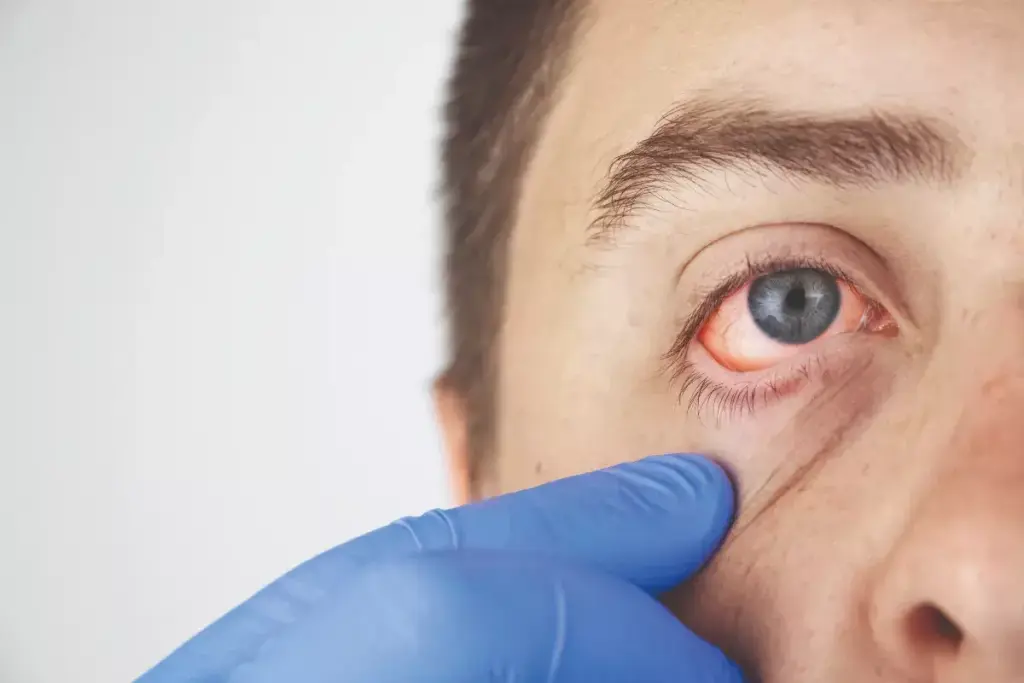
It’s important to know the causes and symptoms of bacterial conjunctivitis in infants. This infection affects the thin membrane covering the eyes and eyelids. It’s caused by bacteria.
Common Causative Organisms
Many bacteria can cause bacterial conjunctivitis in infants. In newborns, Chlamydia trachomatis is a common culprit. Older infants often get it from Streptococcus pneumoniae, Staphylococcus aureus, and Haemophilus influenzae. Knowing these bacteria helps doctors choose the right treatment.
Recognizing Symptoms and Purulent Discharge
Infants with bacterial conjunctivitis show redness, swelling, and a yellow or green discharge. This discharge can make the eyelids stick together, mainly after sleep. Spotting these signs early is key to treating the infection.
Infants with this infection may also be irritable and uncomfortable. Quick action to treat the infection can prevent further problems.
Differentiating from Viral and Allergic Forms
It’s important to tell bacterial conjunctivitis apart from viral and allergic types. Viral conjunctivitis spreads easily and has watery discharge, unlike bacterial. Allergic conjunctivitis makes the eyes itch and is part of an allergic reaction.
Knowing the difference helps doctors choose the right treatment. This ensures the best care for infants.
Diagnosing Bacterial Conjunctivitis in Young Patients
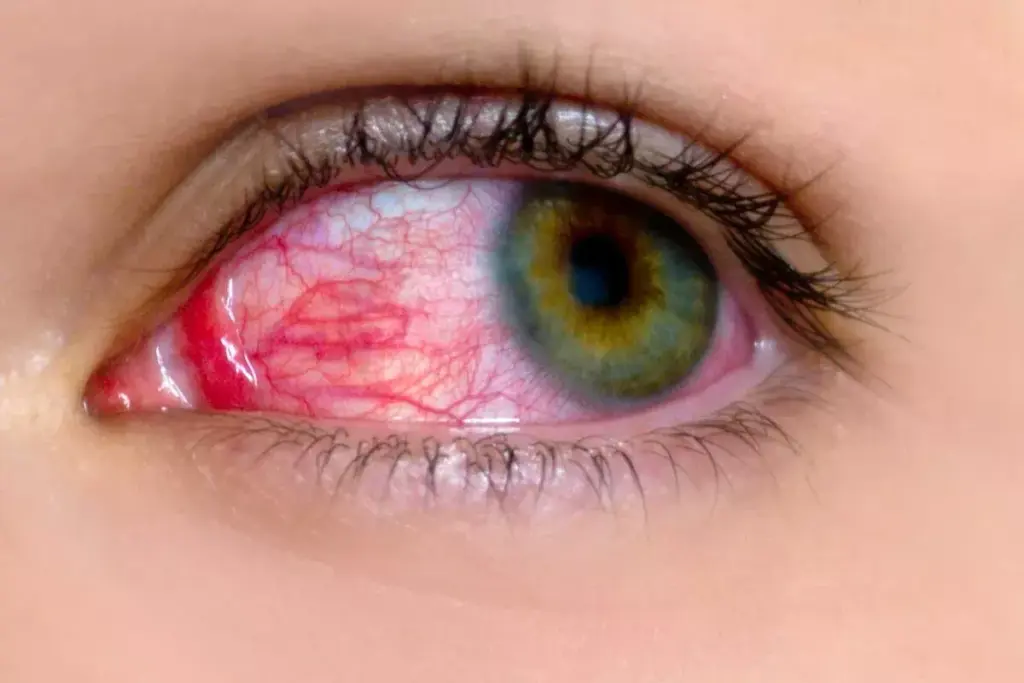
Diagnosing bacterial conjunctivitis in infants needs a detailed approach. We must look at both physical exams and tests to get it right.
Physical Examination Procedures
A thorough eye check is key in diagnosing bacterial conjunctivitis. We look for redness, swelling, and discharge in the infant’s eyes. Purulent discharge is a big sign of bacterial conjunctivitis. It’s vital to tell apart bacterial conjunctivitis from viral or allergic types.
Doctors say the diagnosis often comes from eye appearance and discharge tests. This shows how important a detailed check is.
Diagnostic Tests for Infants Under Two Months
In babies under two months, cultures and Gram stains are key. These tests find the bacteria and help choose antibiotics. They help confirm a bacterial infection and rule out others.
- Cultures find the specific bacteria causing the infection.
- Gram stains quickly tell us the type of bacteria.
When to Seek Immediate Medical Attention
Parents need to know when to rush to the doctor. Severe signs like intense redness, swelling, or trouble opening eyes mean immediate care. Babies under two months should also get checked quickly because of the risk of serious problems.
Bacterial Conjunctivitis Treatment for Infants
Treating bacterial conjunctivitis in infants requires a mix of medical care and support. We’ll look at how to manage this condition, focusing on the best methods for different ages.
Age-Specific Treatment Approaches
Older infants and toddlers often get topical antibiotic drops or ointments first. The choice between drops and ointments depends on the infant’s age and the infection’s severity. It also depends on how well the caregiver can use the medicine.
For babies under two months, treatment is more careful. This is because of the risk of Neisseria gonorrhoeae infection. For these cases, we recommend following the CDC guidelines for newborn treatment.
Topical Antibiotic Options and Administration
Topical antibiotics are key for treating bacterial conjunctivitis in infants. The most used antibiotics are:
| Antibiotic | Formulation | Dosage Frequency |
| Erythromycin | Ointment | 4 times a day |
| Gentamicin | Drops | 3-4 times a day |
| Ofloxacin | Drops | 4 times a day |
Using eye drops or ointment needs the right technique. Caregivers should learn how to clean the infant’s eye first. They should also know how to apply the medicine without touching the dropper or tube to the eye.
Home Care Measures During Treatment
Along with antibiotics, there are home care steps to help the infant get better. These include:
- Keeping the infant’s eyes clean with a warm, damp cloth
- Avoiding sharing of towels or washcloths
- Monitoring for signs of worsening infection or adverse reactions to medication
By combining medical treatment with home care, we can help infants with bacterial conjunctivitis get better.
Conclusion
Treating bacterial conjunctivitis in infants needs a deep understanding of the condition. This includes knowing how to diagnose it and the treatment options available. Most cases can be managed well, reducing risks and helping infants recover, even at 5 months old.
For a 1-year-old with conjunctivitis, treatment is more than just a single step. It involves understanding the cause, making an accurate diagnosis, and using effective treatments. Healthcare professionals can then provide the right care, leading to the best results for young patients.
Bacterial conjunctivitis in infants can worry parents, but it can be managed. We stress the need for quick and proper care. This ensures that young patients get the quality care they need to fully recover.
FAQ
What is bacterial conjunctivitis in infants?
Bacterial conjunctivitis is a common eye infection in infants. It’s caused by bacteria. Symptoms include purulent discharge, redness, and swelling of the eyelids.
How is bacterial conjunctivitis different from viral conjunctivitis in infants?
Bacterial conjunctivitis has purulent discharge. Viral conjunctivitis has watery discharge. Knowing the difference is key for the right treatment.
What are the common causative organisms of bacterial conjunctivitis in infants?
Common causes include Staphylococcus aureus, Haemophilus influenzae, and Streptococcus pneumoniae.
How is bacterial conjunctivitis diagnosed in infants under two months?
Diagnosing it in infants under two months requires a detailed physical exam. This includes an eye exam and tests like cultures and Gram stains.
What are the treatment options for bacterial conjunctivitis in infants?
Treatment involves topical antibiotics like erythromycin or gentamicin. These are applied directly to the eye.
How can I care for my infant during treatment for bacterial conjunctivitis?
Care for your infant by following the treatment plan. Keep hygiene high and watch for any changes or complications.
Can bacterial conjunctivitis in infants be prevented?
Preventing it is hard, but good hygiene helps. Frequent handwashing can lower the risk.
When should I seek immediate medical attention for my infant with conjunctivitis?
Seek help right away for severe symptoms. This includes intense redness, swelling, or purulent discharge. Also, do so if your infant is under two months.
How long does it take for bacterial conjunctivitis to clear up in infants?
It usually clears up in a few days to a week with treatment. Always finish the treatment as advised by a doctor.
References
National Institutes of Health. Evidence-Based Medical Insight. Retrieved from https://www.nei.nih.gov/learn-about-eye-health/eye-conditions-and-diseases/cataracts