
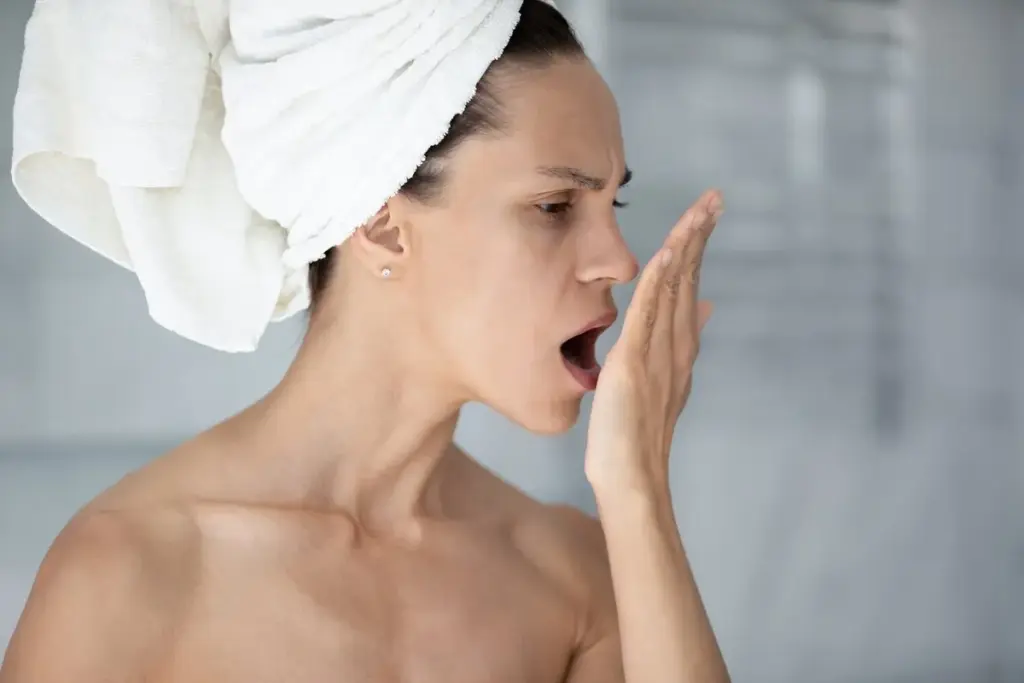
Bad breath following tonsillectomy is a common issue after surgery. It can make you feel uncomfortable. A white or yellowish membrane in the throat is often the cause of tonsillectomy bad breath.
Drinking lots of water and eating well can help. Keeping your mouth clean is also key. For more tips, check out this guide on caring for your mouth after a tonsillectomy.
Key Takeaways
- Bad breath is a normal symptom after tonsillectomy.
- Staying hydrated helps reduce bad breath.
- Brushing teeth twice a day is recommended.
- Avoid using alcohol-based mouth rinses.
- White or yellowish patches in the throat are normal and temporary.
Understanding Mouth Odor After Tonsillectomy
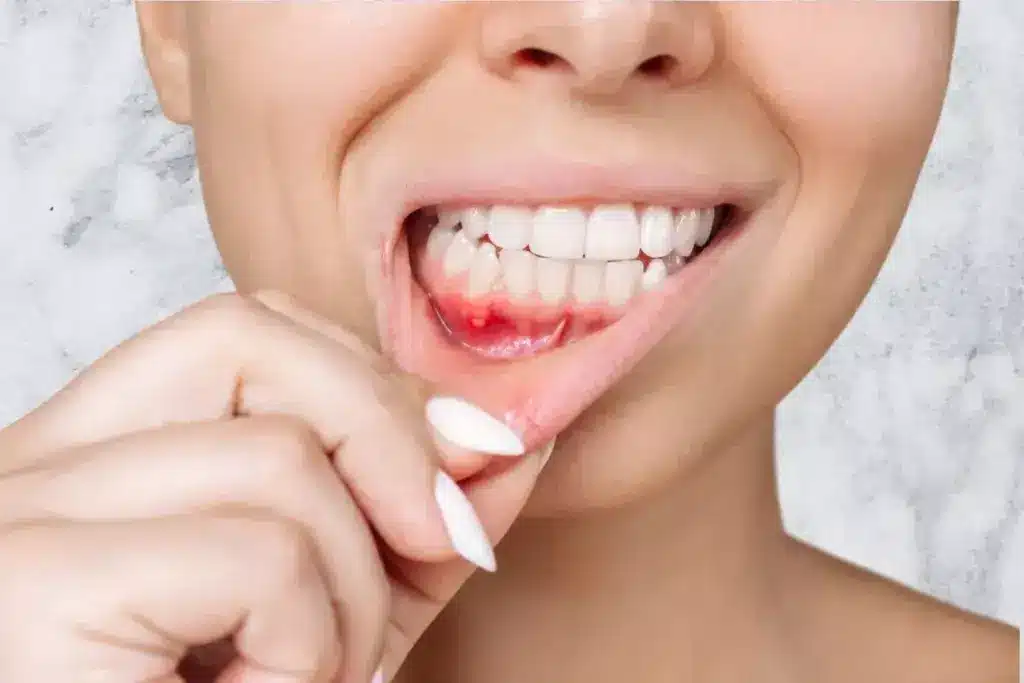
Mouth odor after tonsillectomy is a common issue. It happens because of changes in the mouth during healing. This problem, known as post-surgical halitosis, worries patients after tonsil removal surgery.
The Biological Process Behind Post-Surgical Halitosis
The main reason for post-surgical halitosis is the fibrin layer over surgical wounds. This layer can hold bacteria, causing bad breath.
Bacterial Colonization and Fibrin Layer Formation
Bacteria growing on the fibrin layer is key to halitosis after tonsillectomy. As the body heals, the fibrin layer covers the wounds. It creates a perfect spot for bacteria to grow.
| Cause | Description |
| Fibrin Layer Formation | A biological dressing over surgical wounds that can harbor bacteria. |
| Bacterial Colonization | The growth of bacteria on the fibrin layer, leading to bad breath. |
| Cauterization and Swelling | The cauterization of the tonsil area and subsequent swelling can trap food particles, contributing to halitosis. |
Duration and Progression of Tonsillectomy Bad Breath
[Add image here]
After a tonsillectomy, bad breath is common. Knowing how long it lasts can be reassuring. We’ll explain how long it usually lasts and what to expect during recovery.
Expected Timeline for Symptom Resolution
Bad breath after a tonsillectomy usually lasts 1 to 2 weeks. It goes away as the scabs from the surgery fall off. This usually happens in 5 to 10 days.
It’s important to know that bad breath during this time is normal. As your throat heals, the smell should get better.
Signs That Distinguish Normal from Abnormal Recovery
Some bad breath is okay, but watch for signs of trouble. If bad breath lasts more than two weeks, or if you have severe pain or a high fever, see a doctor. Also, look out for unusual discharge or a big increase in pain.
We suggest keeping an eye on your symptoms. If you’re worried, talk to your healthcare provider.
Effective Treatments for Bad Breath After Tonsil Removal
Patients can get rid of bad breath after a tonsillectomy in several ways. Salt water gargling and changing what you eat are key. It’s important to tackle the main causes of bad breath.
Salt Water Gargling Techniques and Benefits
Gargling with salt water is a simple yet effective way to fight bad breath after a tonsillectomy. Mix 1/4 teaspoon of salt with 8 ounces of warm water. Gargle several times a day, after meals, to cut down on bacteria and aid in healing.
Doctors say gargling with salt water can reduce inflammation and kill bacteria. This helps to lessen bad breath.
Hydration Strategies During Recovery
Staying hydrated is key for tonsillectomy recovery. Drinking lots of water keeps the mouth moist, removes debris, and boosts saliva production. Aim for 8-10 glasses of water daily.
| Hydration Tips | Benefits |
| Drink water regularly | Maintains oral moisture |
| Consume hydrating foods | Supports overall recovery |
| Avoid caffeinated beverages | Reduces dehydration risk |
Using Chewing Gum to Stimulate Saliva Production
Chewing sugar-free gum can help produce saliva. This naturally cleanses the mouth and fights bad breath. Choose gum with xylitol for extra oral health benefits.
Recommended Food Choices to Minimize Odor
Your diet is important for managing bad breath after a tonsillectomy. Eat soft, bland foods that are easy to swallow. Avoid spicy or acidic foods that can irritate and worsen bad breath.
- Yogurt
- Mashed potatoes
- Scrambled eggs
- Applesauce
By using these strategies, patients can manage bad breath after a tonsillectomy. This helps make the recovery smoother and more comfortable.
Conclusion
Bad breath after a tonsillectomy is common and can be upsetting. But, it’s a temporary issue that can be handled with the right steps. Knowing how it happens and how long it lasts helps patients deal with it better.
We talked about ways to fight bad breath after tonsil removal. This includes gargling with salt water, staying hydrated, and eating certain foods. By doing these things, patients can feel better and recover well.
To wrap it up, bad breath after a tonsillectomy is something you can manage. Drinking plenty of water, eating right, and using treatments can help. We urge patients to stick to these tips for a smooth recovery.
FAQ
What causes bad breath after tonsillectomy?
The intense smell is actually a normal part of the healing process. After the tonsils are removed, thick white or yellowish scabs (called fibrin) form over the surgical sites. Because these scabs stay moist in the back of your throat, they start to break down and release a strong, unpleasant odor. It’s essentially the smell of the tissue healing and eventually sloughing off.
How long does bad breath last after tonsillectomy?
You can usually expect the odor to hang around for about 7 to 10 days. It usually hits its peak around the middle of the first week when the scabs are at their thickest. Once those scabs begin to dissolve and fall off—typically by day 10 or 12—the breath returns to normal almost immediately.
What are the signs of normal versus abnormal recovery?
It is perfectly normal to see white patches in your throat, feel intense ear pain, and have a metallic or rotten taste in your mouth. However, it becomes abnormal if you see bright red blood (more than just a tiny speck), run a high fever over 102°F, or find yourself completely unable to swallow liquids, which can lead to dehydration.
How can I manage bad breath after tonsillectomy?
The most effective trick is to keep your mouth as wet as possible. Drinking ice-cold water constantly helps wash away the bacteria and debris sitting on the scabs. Chewing sugar-free gum is also a great move because it forces your mouth to produce more saliva, which acts as a natural cleanser for the surgical area.
Is bad breath after adenotonsillectomy different from tonsillectomy?
The odor is essentially the same, though you might notice it more when you breathe through your nose if the adenoids were removed too. Since the adenoids are located higher up behind the nasal cavity, the “healing smell” just has another exit point, but the recovery timeline doesn’t change.
Can I use mouthwash to treat bad breath after tonsillectomy?
You should stay away from any mouthwash that contains alcohol because it will burn the raw tissue and dry out your throat, which actually makes the breath worse. If you really want to rinse, use a gentle alcohol-free version or a simple salt-water mix, but check with your surgeon before doing any vigorous gargling.
Are there any specific foods that can help alleviate bad breath?
Cold, smooth items are your best bet. Things like fruit sorbet, popsicles, and crushed ice help keep the area hydrated without adding to the “mucus” buildup that dairy products sometimes cause. Staying away from spicy or acidic foods will also prevent irritating the scabs while they are trying to heal.
How can I stay hydrated during recovery?
Since swallowing can be painful, focus on taking tiny “micro-sips” of water every few minutes rather than trying to drink a whole glass at once. Running a humidifier in your room while you sleep is also a lifesaver; it prevents the scabs from drying out and becoming “crusty,” which is usually why the pain and smell are so much worse in the morning.
References:
National Center for Biotechnology Information. Evidence-Based Medical Insight. Retrieved from https://pubmed.ncbi.nlm.nih.gov/20120649/



 Departments
 Related Videos
 Our Doctors
 News
News