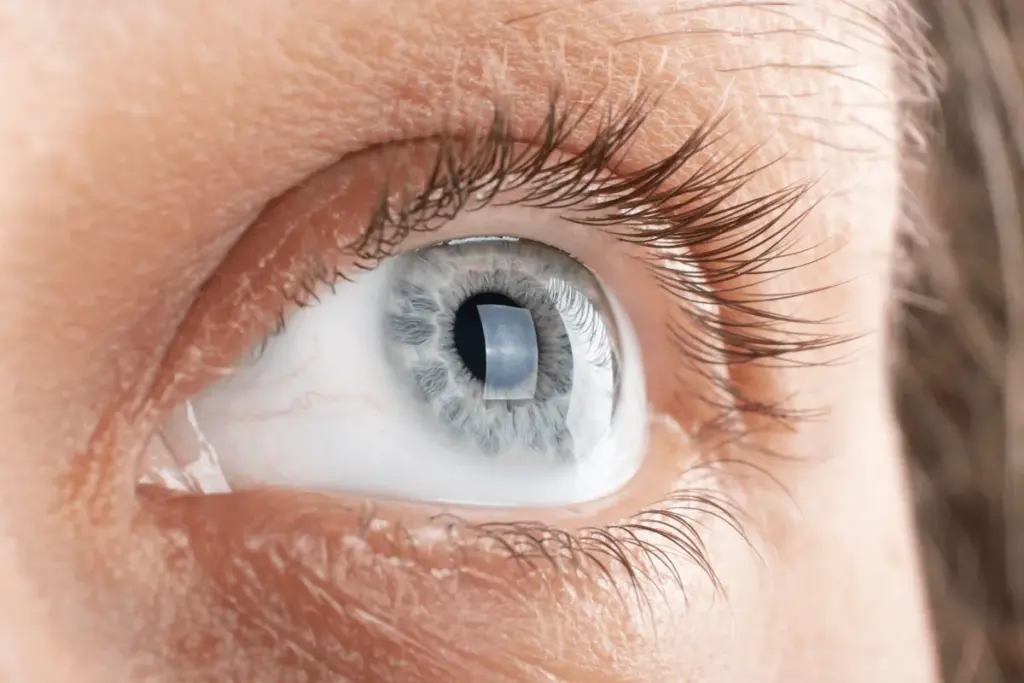
Corneal epithelial defects are a big problem in eye care. They affect people of all ages. Mechanical trauma is a leading cause, often from small injuries. These can cause big problems if not treated right.
At Liv Hospital, we know how important quick and good treatment is for corneal epithelial defects. We focus on giving top-notch care and the best treatment for each patient.
Recurrent Corneal Erosion (RCE) syndrome is a common problem linked to bad adhesion. Knowing why these defects happen is key to managing them well. It helps prevent lasting vision loss.
Key Takeaways
- Corneal epithelial defects are a common issue in ophthalmology.
- Mechanical trauma is a significant cause of these defects.
- Prompt recognition and treatment are key to avoid complications.
- Liv Hospital offers advanced treatment options for corneal epithelial defects.
- Effective management involves understanding the underlying etiology.
Understanding Corneal Epithelium Eye Damage
The corneal epithelium is key to eye health. Damage to this layer can cause big problems. It’s important to know how it works and what it does.
Structure and Function of the Corneal Epithelium
The corneal epithelium is made up of many layers. It’s about 50μm thick. It helps with vision, keeps the eye moist, and protects it from harm.
Here are its main jobs:
- It makes sure your vision is clear
- It keeps the eye moist and clear
- It guards against germs and damage
| Layer | Characteristics | Function |
| Superficial Layer | Flattened cells with microvilli | Acts as the primary barrier against external factors |
| Intermediate Layer | Wing cells with multiple desmosomes | Provides mechanical strength and cohesion |
| Basement Membrane | Complex structure with anchoring fibrils | Attaches the epithelium to the underlying stroma |
Common Causes and Risk Factors
Eye damage from the corneal epithelium can happen in many ways. Mechanical trauma is a big one, like from accidents or things getting in your eye. Other risks include:
- Corneal dystrophies, such as map-dot-fingerprint dystrophy
- Chronic dry eye syndrome
- Contact lens wear, if not done right
- Previous eye surgeries or laser treatments
- Systemic conditions like diabetes mellitus
Knowing what causes damage helps us prevent and treat it. We can watch people at risk closely for early signs of damage.
Diagnosing Corneal Epithelial Defects
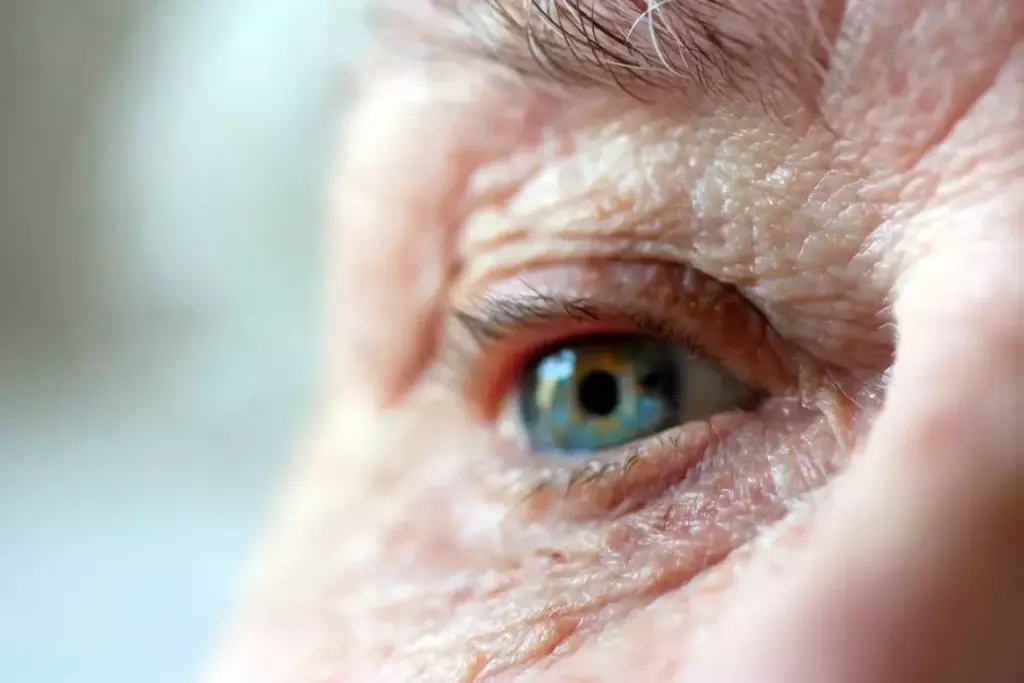
We use symptoms and clinical checks to find corneal epithelial defects. It’s key to get it right for good treatment.
Recognizing Symptoms and Warning Signs
Corneal epithelial defects show many symptoms. These can really hurt your daily life. Common signs include:
- Extreme pain or discomfort
- Blurred vision
- Redness of the eye
- Photophobia (sensitivity to light)
- Tearing or excessive watering of the eye
These signs can be very bad and get worse when you wake up.
Clinical Evaluation Methods
We use several ways to check for corneal epithelial defects. The main methods are:
- Slit-lamp examination: This lets us see the cornea and the defect clearly.
- Sodium fluorescein staining: We apply dye to the eye. Under blue light, it shows where the epithelium is missing.
By looking at symptoms and using these checks, we can find and treat corneal epithelial defects well.
Treatment Approaches for Epithelium Eye Damage
Corneal epithelial defect treatment has grown a lot. Now, there are many ways to help patients with pee eye or similar issues. The right treatment depends on the defect’s severity, cause, and the patient’s health.
Conventional Therapies for Acute Defects
For sudden corneal epithelial defects, treatments focus on healing, easing pain, and avoiding problems. They include:
- Lubrication with artificial tears to keep the eye moist and help healing.
- Using bandage contact lenses to protect the cornea and help it heal.
- Punctal occlusion to keep tears in the eye and keep it moist.
These treatments work well for sudden defects. Recombinant human epidermal growth factor (rhEGF) eye drops are also effective, cutting healing time to 3.2 ± 1.3 days.
Advanced Treatments for Persistent Epithelial Defects
For long-lasting defects that don’t get better with usual treatments, there are new options. These include:
- Autologous serum drops, made from the patient’s blood, to help healing.
- Recombinant human nerve growth factor (rh-NGF) drops, to help the cornea heal and nerves grow back.
- Insulin drops, which might help healing by promoting growth.
- Surgery like anterior stromal micropuncture and diamond burr polishing for when other treatments fail.
These advanced treatments are big steps forward for managing long-lasting defects. They offer hope to those with corneal pee or scleral abrasion.
Conclusion: Prevention Strategies and Prognosis
To prevent serious problems and ensure the best results, managing corneal epithelial defects well is key. With the right treatment and quick diagnosis, the outlook is very good. It’s important for patients to know the signs of a problem so they can get help fast.
Knowing what causes damage to the epithelial layer is vital to avoid corneal abrasions. By taking preventive steps and getting medical help when needed, people can lower the chance of serious issues. This helps ensure the best possible outcome.
We stress the need for a thorough approach and educating patients in treating these defects. This way, we can help the healing process and lower the chance of future problems.
FAQ
What is a corneal epithelial defect?
A corneal epithelial defect is when the outer layer of the cornea is damaged. This can happen due to injury, infection, or other issues.
What are the symptoms of a corneal epithelial defect?
You might feel pain, see blurry, or have trouble with light. Your eye could also be red and tear a lot. How bad it feels depends on the size and where the defect is.
How is a corneal epithelial defect diagnosed?
Doctors use a special light and dye to see the damage. This helps them understand how big and serious the problem is.
What are the conventional treatment approaches for acute corneal epithelial defects?
Doctors might use eye drops, ointments, or special contact lenses. These help the eye heal and feel better.
What advanced treatments are available for persistent epithelial defects?
For harder cases, doctors might use special eye drops or transplant a thin membrane. These methods help the eye heal faster and with less pain.
Can corneal epithelial defects be prevented?
Some causes can’t be stopped, but you can lower the risk. Wear eye protection, keep your eyes clean, and manage health issues to help prevent damage.
What is the prognosis for corneal epithelial defects?
How well you do depends on the size, where it is, and why it happened. Quick treatment is key to avoiding serious problems and getting the best results.
How is fluorescein staining used in diagnosing corneal epithelial defects?
This method uses a special dye that shows up under blue light. It helps doctors see the damage clearly.
What is the role of the corneal epithelium in maintaining ocular health?
The outer layer of the cornea is vital. It keeps the eye safe, helps with vision, and keeps the cornea strong.
References
National Center for Biotechnology Information. Evidence-Based Medical Insight. Retrieved from https://pubmed.ncbi.nlm.nih.gov/23317073/