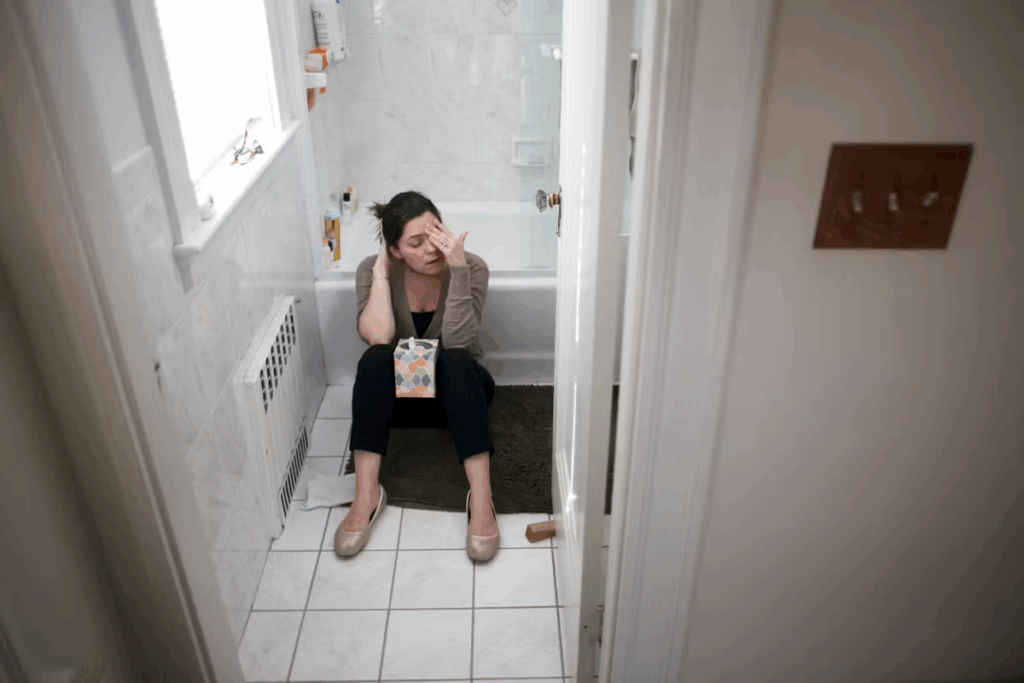
When Pepto Bismol doesn’t stop your diarrhea, it can be really frustrating. The truth is, not all diarrhea reacts the same way to the same medicine. Different reasons for diarrhea need different treatments how to treat diarrhea.
Studies show that while Pepto-Bismol helps some, others find quicker relief with different meds for acute diarrhea.
It’s important to know when and why your current treatment might not be working. Diarrhea can come from many sources, like viruses, bacteria, and some medicines. We’ll look into Pepto-Bismol‘s limits and other ways to ease your symptoms.
Key Takeaways
- Pepto-Bismol may not be effective for all types of diarrhea.
- Alternative treatments are available for managing diarrhea.
- Understanding the cause of diarrhea is key for effective treatment.
- Different medications work better for different causes of diarrhea.
- Seeking medical attention may be necessary if symptoms persist.
Understanding Diarrhea and Its Common Causes

Diarrhea is when you have loose, watery stools. It’s not a disease itself but a symptom of many things. It can make you feel really bad, cause dehydration, and even lead to serious health problems if not treated right.
What Defines Diarrhea Medically
Doctors say diarrhea is when you go to the bathroom more often, or your stools are very loose. It can happen for many reasons, like infections, what you eat, or health problems. It’s important to remember that diarrhea is a sign of something else going on, not the problem itself.
Doctors split diarrhea into two kinds: acute and chronic. Knowing which one you have helps figure out how to treat it.
Acute vs. Chronic Diarrhea
There are two kinds of diarrhea: acute and chronic. Acute diarrhea lasts a few days to a week and is usually from viruses or bacteria. Chronic diarrhea goes on for more than four weeks and might mean there’s something serious going on, like IBS or IBD.
“Chronic diarrhea can significantly affect a person’s quality of life, making it essential to identify the underlying cause for effective management.” – Dr. [Last Name], Gastroenterologist
Common Causes: Viral, Bacterial, and Medication-Induced
Diarrhea can come from many things, like viruses, bacteria, or medicines. The “stomach flu” is a common cause of acute diarrhea. Bacteria like Salmonella or E. coli can also cause it. Some medicines, like antibiotics, can mess with your gut bacteria and lead to diarrhea too.
- Viral infections: Norovirus, Rotavirus
- Bacterial infections: Salmonella, E. coli, Campylobacter
- Medication-induced: Antibiotics, antacids containing magnesium
Knowing why you have diarrhea is key to finding the right treatment. Pepto Bismol might help some, but it’s not for all types. So, finding out what’s causing your diarrhea is very important.
How Pepto Bismol Works Against Diarrhea

The main ingredient in Pepto-Bismol, bismuth subsalicylate, is key in fighting diarrhea. Knowing how it works helps us use it right. It coats the stomach and intestines, reducing inflammation.
Active Ingredients in Pepto Bismol
Pepto-Bismol’s main ingredient is bismuth subsalicylate. This compound is what makes it work. Bismuth subsalicylate has antimicrobial properties, killing bacteria that cause diarrhea. It also has anti-inflammatory effects, soothing the stomach and intestines.
Mechanism of Action
Bismuth subsalicylate coats the stomach and intestines, protecting them from irritation and inflammation. This coating reduces diarrhea frequency. Its antimicrobial properties fight off bacterial infections causing diarrhea.
“Bismuth subsalicylate’s dual action of coating the GI tract and exerting antimicrobial effects makes it an effective treatment for diarrhea.”
Expected Timeline for Relief
Pepto-Bismol can start easing diarrhea symptoms in 24 to 48 hours. But, relief time can differ based on the cause and severity of diarrhea. Always follow the recommended dosing to get relief on time.
Proper Dosing Guidelines
To use Pepto-Bismol right, follow the dosing guidelines. Adults should take 2 tablets (262 mg per tablet) every half hour to 1 hour as needed, not more than 8 doses (16 tablets) in 24 hours. For kids, the dose depends on age and weight, so check the label or ask a doctor.
By knowing how Pepto-Bismol works and using it as directed, you can manage diarrhea symptoms and find relief.
Why Pepto Bismol Might Not Be Working for You
Pepto Bismol is often good for diarrhea, but it doesn’t work for everyone. Knowing why it might not work is key to finding other ways to feel better.
Severity of Diarrhea Beyond Pepto’s Capabilities
In cases of severe diarrhea, Pepto Bismol might not be enough. Severe diarrhea can cause a lot of fluid loss and upset the body’s balance of salts and minerals. This often needs more serious treatment.
Assessing the severity of your diarrhea is very important. If you’re very thirsty, your urine is dark, or you feel dizzy, you might need something else to help.
Bacterial vs. Viral Causes and Treatment Effectiveness
Pepto Bismol works differently for bacterial versus viral diarrhea. Bacterial infections might need antibiotics, while viral infections are often treated with supportive care.
- Bacterial Causes: If bacteria are causing your diarrhea, Pepto Bismol can help with symptoms. But, you might also need antibiotics to fully recover.
- Viral Causes: For viral diarrhea, Pepto Bismol can help manage symptoms. But, the virus needs to run its course.
Underlying Medical Conditions That Affect Treatment
Certain underlying medical conditions can affect how well Pepto Bismol works. Conditions like irritable bowel syndrome (IBS), inflammatory bowel disease (IBD), or gastrointestinal infections can make treatment harder.
It’s very important to consult with a healthcare professional if you have an underlying condition and are experiencing diarrhea.
Medication Interactions and Contraindications
Pepto Bismol can interact with other medications or have contraindications in certain individuals. For example, it may not be suitable for people with bleeding disorders or those taking certain medications like blood thinners.
Always disclose your medication list to your healthcare provider to avoid any bad interactions.
Effective Alternative Medications for Treating Diarrhea
If Pepto Bismol doesn’t work for your diarrhea, there are other options. Diarrhea can really disrupt your day. Finding the right treatment is key to feeling better.
Loperamide (Imodium A-D): A Faster Solution
Loperamide, known as Imodium A-D, is a good choice for acute diarrhea. It slows down your bowel movements. This lets your body absorb more water and electrolytes.
Key Benefits of Loperamide:
- Fast action: Loperamide can start working within an hour.
- Effective for acute diarrhea: It’s great for travelers’ diarrhea and other sudden cases.
- Available over-the-counter: You can get it without a doctor’s prescription.
Other Over-the-Counter Options
There are other over-the-counter treatments for diarrhea. These include:
- Bismuth subsalicylate: Other brands of this might work if Pepto Bismol didn’t.
- Attapulgite: It helps make your stool firmer.
- Psyllium husk: A fiber supplement that makes your stool bulkier.
Always read and follow the instructions on any medication carefully.
Combination Approaches for Better Results
Using different treatments together can be more effective. For example, loperamide with hydration solutions can work well.
Treatment | Mechanism | Benefits |
Loperamide | Slows bowel movements | Reduces how often you have diarrhea |
Bismuth subsalicylate | Coats the stomach, reduces inflammation | Can lessen diarrhea and discomfort |
Hydration solutions | Replaces lost fluids and electrolytes | Helps prevent dehydration |
When looking at other medications, talk to a healthcare professional. This is important if you have health issues or are on other meds.
Prescription Treatments When OTC Options Fail
If OTC treatments don’t work for diarrhea, prescription meds might help. Doctors may suggest stronger meds based on the cause of the diarrhea.
Antibiotics for Bacterial Infections
Diarrhea from bacterial infections might need antibiotics. Antibiotics work against bacteria like Clostridioides difficile (C. diff), Salmonella, and some E. coli. But, they don’t fight viruses, and doctors must guide their use to prevent resistance.
Prescription-Strength Antidiarrheals
For really bad diarrhea, stronger antidiarrheal meds might be needed. These are more powerful than OTC ones and can help when other treatments don’t work. For example, prescription-strength loperamide can be very effective.
Medications for Specific Underlying Conditions
Diarrhea from conditions like IBS, IBD, or other chronic gut issues needs specific meds. These treatments target the underlying condition. They might include meds to reduce inflammation, manage symptoms, or fix the root cause.
When Hospitalization May Be Necessary
In severe diarrhea cases, like those with a lot of dehydration or severe pain, hospitalization might be needed. The hospital can give IV fluids, watch you closely, and do tests to find out why you have diarrhea.
How to Treat Diarrhea with Proper Hydration and Electrolyte Balance
Proper hydration and electrolyte balance are key to managing diarrhea. Diarrhea not only removes water but also vital electrolytes. This can cause dehydration if not treated right.
The Importance of Fluid Replacement
Fluid replacement is essential for diarrhea. It helps replace lost fluids and electrolytes. Adequate hydration is vital for the body’s functions and aids in recovery.
Recommended Commercial Electrolyte Solutions
Commercial electrolyte solutions, like Pedialyte or Gatorade, are great for replenishing lost electrolytes. They are best for severe diarrhea or dehydration risks. They come in liquids and powders, fitting various needs.
Homemade Oral Rehydration Solutions
Homemade solutions can be a good alternative when commercial products are not available. A basic recipe mixes 1 liter of water with 1 teaspoon of salt and 8 teaspoons of sugar. It helps replace lost fluids and electrolytes, but use it carefully and seek medical advice.
Hydration Strategies for Different Age Groups
Hydration needs vary by age. Children and the elderly are more at risk of dehydration. Pregnant women also need to be careful, as dehydration can harm both mother and fetus. Tailoring hydration plans to each person’s age, health, and diarrhea severity is important.
Dietary Approaches to Manage Persistent Diarrhea
Adjusting your diet is key when diarrhea won’t go away. The right foods can help manage symptoms and aid in recovery. They also prevent further irritation to your digestive system.
The BRAT Diet Explained
The BRAT diet includes Bananas, Rice, Applesauce, and Toast. It’s for managing diarrhea because these foods are bland and easy to digest. They reduce the strain on your digestive system.
- Bananas: Rich in potassium, an essential mineral often depleted during episodes of diarrhea.
- Rice: White rice is easily digestible and can help firm up stool.
- Applesauce: Another easily digestible food that is gentle on the stomach.
- Toast: Plain toast can help settle the stomach and provide carbohydrates for energy.
Foods to Avoid During Diarrhea Episodes
Some foods can make diarrhea worse or irritate your digestive system. It’s best to avoid:
- Dairy Products: These can worsen diarrhea, mainly for those who are lactose intolerant.
- High-Fiber Foods: These can be hard to digest during diarrhea episodes.
- Fatty or Greasy Foods: They can irritate your stomach and make symptoms worse.
- Caffeine and Alcohol: Both can dehydrate you and irritate your digestive system.
Gradually Reintroducing Normal Foods
As symptoms improve, start adding different foods back into your diet. This ensures you get all the nutrients you need. Start with small portions and watch how your body reacts.
- Begin with the BRAT diet foods.
- Gradually add plain, cooked vegetables and fruits.
- Introduce lean proteins like chicken or fish.
- Slowly incorporate whole grains and dairy products, if tolerated.
Dietary Modifications for Specific Causes
The cause of diarrhea affects the best diet. For bacterial infections, staying hydrated is key. For food intolerances, avoiding the problem food is essential.
By understanding and using these dietary strategies, you can manage persistent diarrhea better. This supports your recovery.
Natural and Home Remedies That May Help When Pepto Fails
When Pepto-Bismol doesn’t work, there are natural options to try. Diarrhea can really mess with your day. Let’s look at some home remedies that might help when Pepto doesn’t cut it.
Probiotics and Their Role in Gut Health
Probiotics are good bacteria that help your gut. They’re great for when you have diarrhea. Probiotics help balance your gut bacteria, which can get out of whack from infections or antibiotics.
Studies show some probiotics can make diarrhea shorter and less severe. For example, Lactobacillus rhamnosus GG and Saccharomyces boulardii are known to work well.
Herbal Teas and Natural Astringents
Herbal teas and natural astringents can soothe your stomach. Chamomile tea has anti-inflammatory properties. Black tea has tannins that can firm up your stool. Psyllium husk is a natural astringent that adds bulk to your stool.
Evidence-Based Natural Treatments
It’s important to choose natural remedies backed by science. Probiotics like Lactobacillus rhamnosus and Saccharomyces boulardii have been proven to treat diarrhea. We’ll look at the research supporting these natural treatments.
Complementary Approaches to Consider
There are other ways to help with diarrhea too. These include changing your diet, managing stress, and holistic practices. We’ll see how these can fit into a full treatment plan.
When to See a Doctor: Warning Signs That Require Medical Attention
If Pepto Bismol doesn’t stop your diarrhea, look out for warning signs. These signs mean you might have a health issue that needs a doctor.
Duration-Based Warning Signs
Diarrhea that lasts over a few days can cause dehydration. If your diarrhea goes on for more than 3 days, see a doctor. Also, if diarrhea stops and then comes back, it might be serious.
Duration | Action Required |
Less than 3 days | Monitor symptoms, stay hydrated |
More than 3 days | Seek medical attention |
Symptom-Based Red Flags
Some symptoms with diarrhea are serious and need a doctor right away. These include:
- Severe abdominal pain
- Bloody stools or black, tarry stools
- Fever above 101.5°F (38.6°C)
- Signs of dehydration (excessive thirst, dark urine, dizziness)
“Severe diarrhea can lead to dehydration, which can be life-threatening if not treated promptly.” –
Medical organization
Special Considerations for Children, Elderly, and Pregnant Women
Children, the elderly, and pregnant women need to see a doctor fast, even for mild symptoms. Children and the elderly are more at risk of dehydration. Pregnant women face extra risks.
If you’re in these groups or care for someone, watch for dehydration signs. For kids, look for fewer wet diapers, sunken eyes, and irritability. For the elderly, even a little dehydration can be dangerous.
Knowing these signs and acting quickly can help you or your loved ones get the right care for diarrhea that Pepto Bismol can’t fix.
Managing Daily Life During Recovery
Recovering from diarrhea means managing daily life well. This helps you get better faster and stay healthy. It’s all about making smart choices during this time.
Workplace and School Considerations
Diarrhea can affect your work or school. Flexible work arrangements or a short leave can help your body heal. Talk to your boss or school about your situation to make plans.
Preventing Spread to Family Members
Diarrhea spreads easily, so keeping it away from family is important. Wash your hands often, use separate things, and clean surfaces well.
Expected Recovery Timeline
Knowing when you’ll get better helps manage your expectations. Mild cases usually clear up in a few days. More serious ones might take longer. Here’s a rough guide to recovery times.
Condition | Recovery Time |
Mild Diarrhea | 2-4 days |
Moderate Diarrhea | 4-7 days |
Severe Diarrhea | 1-2 weeks or more |
Gradually Returning to Normal Activities
Going back to normal too fast can make things worse. Start with easy tasks and slowly do more. Listen to your body and don’t rush back too soon.
Conclusion: Creating Your Personal Diarrhea Action Plan
Knowing how to treat diarrhea is key when Pepto Bismol doesn’t work. We must understand the causes of diarrhea. This can be viral, bacterial, or due to medication.
To create a personal plan, we need to know about effective treatments. This includes Pepto Bismol alternatives like Loperamide (Imodium A-D) and prescription drugs when needed. Keeping hydrated and balanced electrolytes is also vital. We can use commercial or homemade oral rehydration solutions for this.
Managing diarrhea needs a full approach. This includes changing our diet to the BRAT diet and knowing when to see a doctor. Recognizing warning signs that need medical help is important. This helps avoid complications and speeds up recovery.
Having a personal diarrhea action plan helps us take charge of our health. By using the tips from this article, we can better handle diarrhea. This improves our overall health and well-being.
FAQ:
What is diarrhea and how is it defined medically?
Diarrhea is when you have loose, watery stools or need to go to the bathroom a lot. It’s when you have more than three loose or liquid bowel movements a day.
What are the common causes of diarrhea?
Diarrhea can come from viruses, bacteria, food poisoning, or some medicines. Knowing why you have it helps find the right treatment.
How does Pepto-Bismol work to treat diarrhea?
Pepto-Bismol has bismuth subsalicylate. It protects your stomach and intestines. It reduces inflammation and kills bacteria that cause diarrhea.
Why isn’t Pepto-Bismol working for my diarrhea?
Pepto-Bismol might not work for severe diarrhea, infections, or health issues. It can also interact with other medicines.
What are some alternative treatments for diarrhea when Pepto-Bismol isn’t working?
Loperamide (Imodium A-D) might work faster and better. You can also try other over-the-counter options or mix them together.
When should I consider prescription treatments for diarrhea?
If over-the-counter treatments don’t work, you might need prescription meds. This could be antibiotics, stronger antidiarrheal meds, or treatments for specific health issues.
How important is hydration during episodes of diarrhea?
Staying hydrated and keeping electrolyte levels balanced is key. Use commercial or homemade oral rehydration solutions to replace lost fluids and electrolytes.
What dietary approaches can help manage persistent diarrhea?
The BRAT diet (bananas, rice, applesauce, toast) can firm up your stool. Avoiding certain foods and slowly adding back normal foods can also help.
Are there any natural remedies that can help with diarrhea?
Yes, probiotics, herbal teas, and natural astringents might help. Look into evidence-based natural treatments and complementary approaches.
When should I seek medical attention for diarrhea?
You should see a doctor if diarrhea lasts a long time, is very severe, or if you’re in a high-risk group like children, the elderly, or pregnant women.
How can I manage daily life while recovering from diarrhea?
Think about work or school, keeping your family safe, knowing how long it’ll take to get better, and slowly getting back to normal activities.
Is Pepto-Bismol effective against bacterial diarrhea?
Pepto-Bismol has antibacterial properties. But, its effectiveness against bacterial diarrhea depends on the type of bacteria.
Can I take Pepto-Bismol with other medications?
Always check for possible interactions with other medicines before taking Pepto-Bismol. It might not work well with some drugs or could make health issues worse.
Does Pepto-Bismol cure diarrhea?
Pepto-Bismol can help with diarrhea symptoms. But, it might not fix the cause. If diarrhea doesn’t go away, you should see a doctor to find out why.
How does loperamide compare to Pepto-Bismol for treating diarrhea?
Loperamide (Imodium A-D) slows down bowel movements. Pepto-Bismol protects your stomach and intestines and fights bacteria. Loperamide might work better for some, but always follow the dosage instructions.
References:
National Center for Biotechnology Information. Evidence-Based Medical Guidance. Retrieved from https://pmc.ncbi.nlm.nih.gov/articles/PMC11633876/