

If you’ve noticed dry skin or yellow crusting behind your ears, you’re not alone. Many people face these issues. They are often due to treatable skin conditions like seborrheic dermatitis or eczema.
Seborrheic dermatitis causes flaky, white to yellowish scales on oily areas. This includes the scalp, face, or inside the ear. Knowing about this condition is key to treating it. At Liv Hospital, our dermatology team uses international expertise to diagnose and treat these issues. We help you manage symptoms and improve your skin health.
Key Takeaways
- Seborrheic dermatitis is a common cause of dry skin and yellow crust behind the ears.
- Proper diagnosis is essential for effective treatment.
- Liv Hospital’s dermatology team offers expert care for skin conditions.
- Understanding the causes of seborrheic dermatitis can help manage symptoms.
- Treatment options are available to restore skin health.
Understanding Causes of Dry Skin on Back of Ear and Yellow Crust
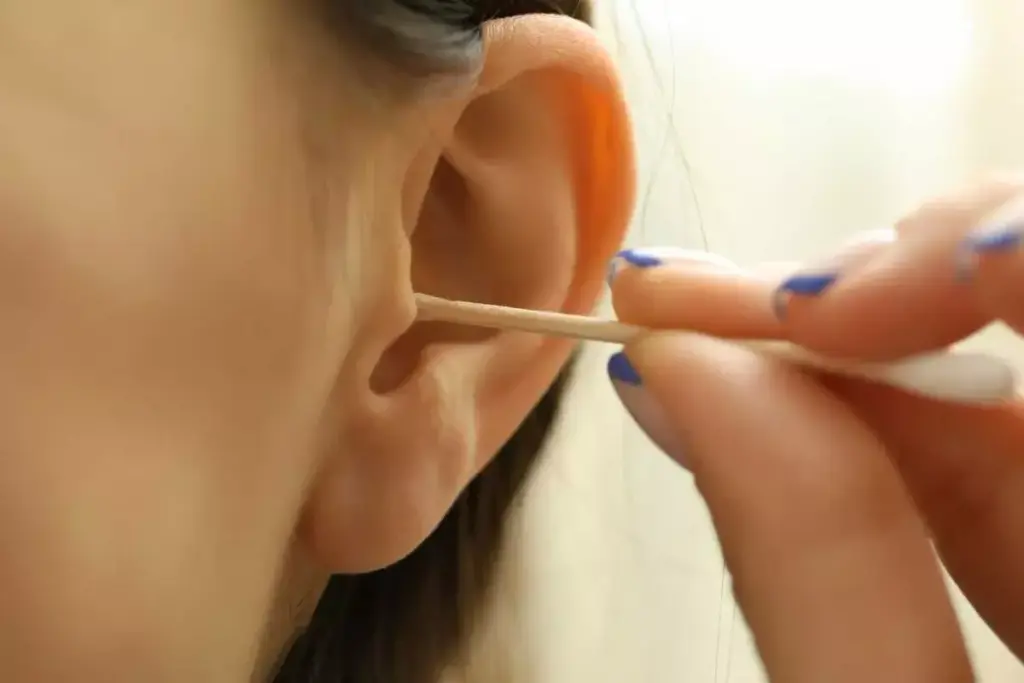
Dry skin and yellow crust behind the ears can come from many things. This includes dermatitis and things in our environment. The skin here is very sensitive, making it easy to get conditions that cause discomfort and look bad.
Seborrheic Dermatitis and Malassezia Yeast Overgrowth
Seborrheic dermatitis is a big reason for dry skin and yellow crust. It happens when the Malassezia yeast grows too much. This yeast is on our skin but too much can cause flaking, redness, and irritation.
Seborrheic dermatitis is linked to oil glands and can get worse with stress, cold weather, and other skin health issues.
The role of Malassezia yeast in seborrheic dermatitis is important. It eats the oils from our skin’s glands and can make the skin inflamed and flaky. To manage it, we need antifungal treatments and keep our skin clean.
Eczema and Psoriasis Symptoms Behind the Ears
Eczema and psoriasis also cause dryness, flaking, and crusting. Eczema makes the skin itchy and inflamed, which can dry out and crack. Psoriasis makes thick, scaly patches because skin cells grow too fast.
Both can be caused by genetics and the environment.
| Condition | Symptoms | Triggers |
| Seborrheic Dermatitis | Flaking, redness, irritation | Malassezia yeast overgrowth, stress, cold weather |
| Eczema (Atopic Dermatitis) | Itchy, inflamed, dry, cracked skin | Genetic predisposition, environmental allergens, stress |
| Psoriasis | Thick, scaly patches | Genetic factors, infections, stress, skin injuries |
Environmental Factors and Skin Barrier Disruption
Things around us can also cause dry skin and yellow crust. Cold weather, low humidity, and harsh soaps can take away our skin’s natural oils. This breaks the skin barrier and causes dryness and irritation.
Keeping our skin barrier healthy is key. We can do this by washing gently and moisturizing well.
Knowing why we get dry skin and yellow crust behind the ears helps us treat and prevent it. Whether it’s dealing with seborrheic dermatitis, eczema, or psoriasis, or just taking care of our skin, knowing is the first step to healthy, comfortable skin.
Effective Treatment Methods for Crusty and Flaking Ears
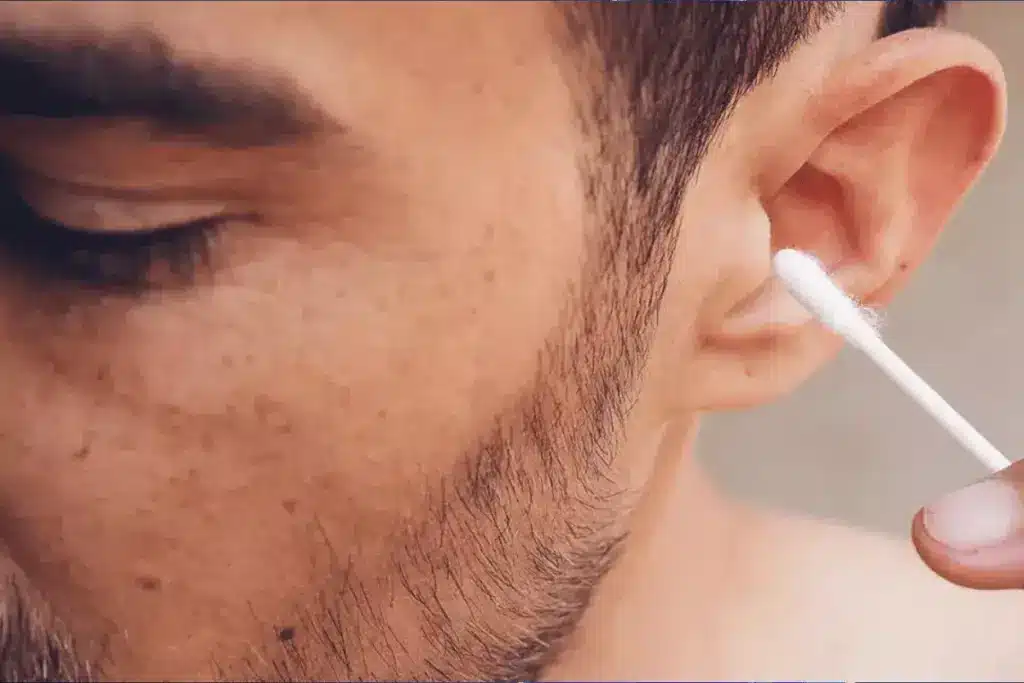
Dealing with dry skin and yellow crust behind the ears needs a mix of medical treatments, daily care, and home remedies. We’ll look at these options to help you manage and ease symptoms.
Medical Treatments: Antifungal Creams and Corticosteroids
For fungal infections or inflammation, medical treatments work well. Antifungal creams like ketoconazole or miconazole fight fungal infections. Corticosteroids reduce inflammation and itching. Always talk to a doctor before starting these treatments.
Some common antifungal creams include:
- Ketoconazole cream
- Miconazole cream
- Clotrimazole cream
| Treatment | Usage | Benefits |
| Antifungal Creams | Apply as directed, usually once or twice daily | Effective against fungal infections, reduces itching and inflammation |
| Corticosteroids | Apply sparingly, as directed by a healthcare professional | Reduces inflammation and itching, can be used for short-term relief |
Daily Care: Gentle Cleansing and Moisturizing Techniques
Good daily care is key for managing dry skin and yellow crust behind the ears. Use a mild, fragrance-free soap for gentle cleansing. Moisturizing with hypoallergenic products helps keep the skin moist and healthy.
For more info on managing ear eczema, check out
Home Remedies and Over-the-Counter Solutions
Home remedies and OTC solutions can also help. A warm, damp cloth can soften crusts for easy removal. OTC products with tea tree oil or aloe vera can soothe the skin. Always test new products to avoid irritation.
Some popular home remedies include:
- Applying coconut oil or olive oil to moisturize the skin
- Using a humidifier to maintain a moist environment
- Avoiding harsh soaps and shampoos
By using these methods together, you can create a treatment plan that works for you. This helps to get rid of dry skin and yellow crust behind the ears.
Conclusion: Prevention Strategies and When to See a Doctor
To avoid dry skin and yellow crust behind the ears, start with a good skincare routine. Use gentle cleansers and moisturizers to keep your skin healthy. This helps prevent ear yellow crust and dandruff of the ear.
If your symptoms don’t get better with home care, see a doctor. They can check your condition and give advice on yellow crust behind ears. Taking care of your skin early can prevent bigger problems and keep you feeling good.
Good prevention strategies include avoiding bad environmental factors and keeping up with skin care. Knowing when to see a doctor and taking action can help manage dry skin. This ensures your ears stay healthy.
FAQ
What is seborrheic dermatitis and how does it relate to dry skin and yellow crust behind the ears?
Seborrheic dermatitis is a common inflammatory skin condition that affects about 3% of adults. It often causes white or yellow crusting and flaky skin behind the ears due to an overgrowth of Malassezia yeast.
What are the causes of dry skin and yellow crust behind the ears?
Common causes include seborrheic dermatitis, eczema, and psoriasis. Environmental factors like cold weather, low humidity, and harsh soaps can also strip the skin of natural oils.
How does Malassezia yeast overgrowth contribute to seborrheic dermatitis?
Excess Malassezia yeast triggers inflammation in oily areas of the skin. This leads to redness, flaking, and crust formation behind the ears.
What are the symptoms of seborrheic dermatitis behind the ears?
Symptoms include white or yellow crusting, flaky skin, redness, itching, and irritation. The area may feel greasy or sore during flare-ups.
How can I treat dry skin and yellow crust behind the ears?
Treatment may include antifungal creams, mild corticosteroids, and regular moisturizing. Gentle cleansing and consistent skin care are important for healing.
What are some effective ways to manage seborrheic dermatitis symptoms?
Using gentle, fragrance-free products and moisturizing regularly can help control symptoms. Avoiding harsh soaps and known triggers is also important.
When should I consult a doctor for dry skin and yellow crust behind the ears?
You should see a doctor if symptoms persist, worsen, or are accompanied by severe itching, redness, swelling, or signs of infection.
Can lifestyle changes help prevent dry skin and yellow crust behind the ears?
Yes, maintaining a consistent skin care routine, managing stress, and avoiding irritating products can reduce flare-ups and improve skin health.
Are there any home remedies that can help alleviate seborrheic dermatitis symptoms?
Gentle cleansing, regular moisturizing, and avoiding known triggers may help ease symptoms. Home care works best alongside medical treatment if needed.
How can I prevent seborrheic dermatitis flare-ups?
Flare-ups can be minimized by keeping the skin clean and moisturized, using gentle products, and managing stress and environmental triggers.
References
National Center for Biotechnology Information. Evidence-Based Medical Insight. Retrieved from https://pmc.ncbi.nlm.nih.gov/articles/PMC11909311/