
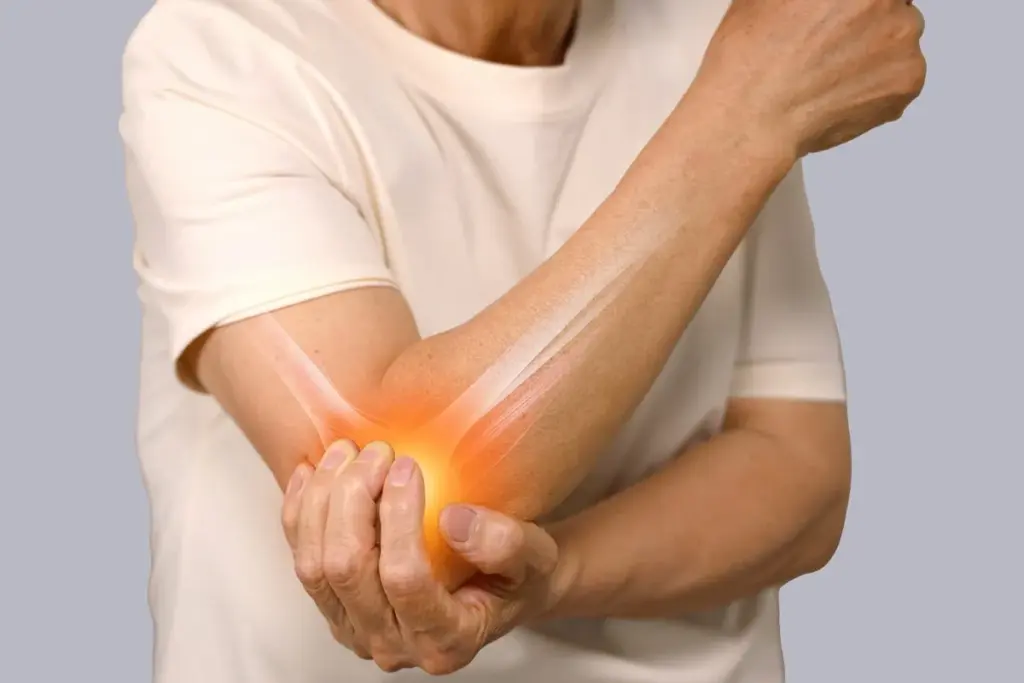
Do you have swelling, pain, or redness at the tip of your elbow? You might have olecranon bursitis. This is a common issue with the fluid-filled sac at the back of your joint. It can happen from work, sports injuries, accidents, or infections.
At Liv Hospital, we know how bad pain on the tip of the elbow can be. First, rest, ice, and compression help with swelling and pain. We focus on you, giving care that fits your needs.
Key Takeaways
- Understanding olecranon bursitis and its causes
- Recognizing symptoms such as swelling and pain
- Initial management techniques including rest and compression
- The importance of proper diagnosis for effective treatment
- Comprehensive care options available at Liv Hospital
Understanding Elbow Bursitis
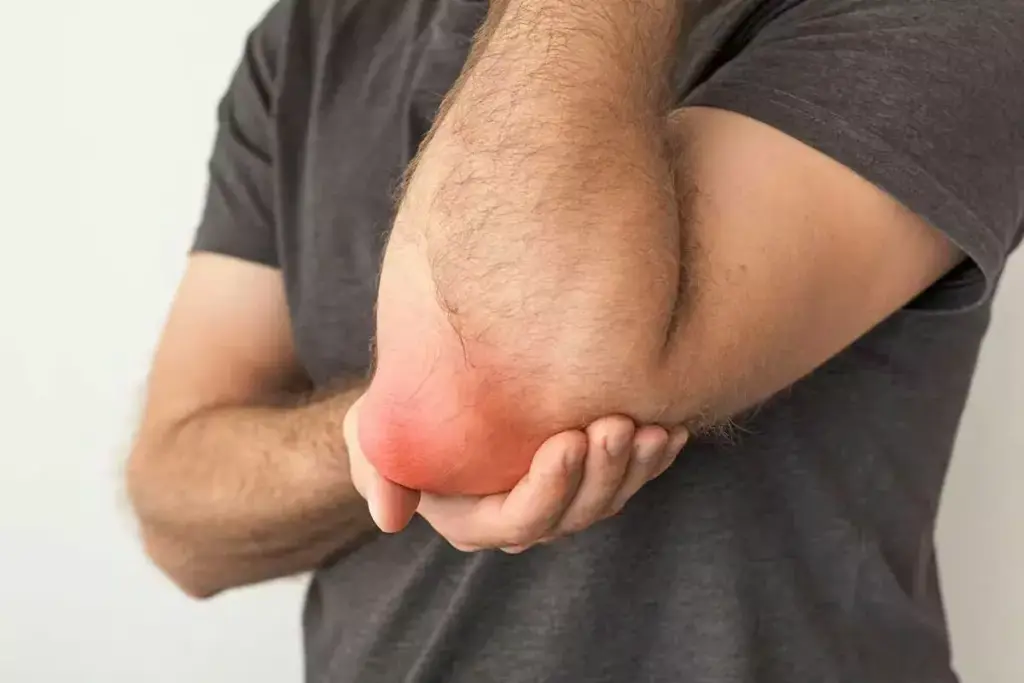
The olecranon bursa is a small sac at the back of the elbow. It helps reduce friction between the skin and bone. This allows for smooth elbow movement.
What is Olecranon Bursitis?
Olecranon bursitis happens when the olecranon bursa gets inflamed. This can be due to pressure or trauma. It causes swelling, pain, and limited arm movement.
The olecranon bursa is filled with fluid that cushions the elbow. When irritated, it becomes painful and swollen. This leads to symptoms of olecranon bursitis.
Common Causes and Risk Factors
Several factors can lead to olecranon bursitis. These include:
- Repetitive leaning on the elbows
- Direct trauma to the elbow
- Infection
- Rheumatoid arthritis
- Gout
Knowing these risk factors helps prevent and treat olecranon bursitis. People who lean on their elbows often are at higher risk.
| Cause/Risk Factor | Description |
| Repetitive Leaning | Frequent pressure on the elbows can irritate the bursa. |
| Direct Trauma | A fall or direct hit to the elbow can cause bursitis. |
| Infection | Bacterial infection can cause septic bursitis. |
Recognizing the Symptoms
The symptoms of olecranon bursitis include:
- Swelling at the back of the elbow
- Pain or tenderness
- Limited range of motion
- Redness or warmth around the elbow
Seeing these symptoms early is key. It helps get the right treatment and avoid more problems.
In conclusion, knowing about elbow bursitis is important. It helps understand its causes, risk factors, and symptoms. Being aware helps prevent and treat olecranon bursitis.
Effective Elbow Bursitis Treatment Options
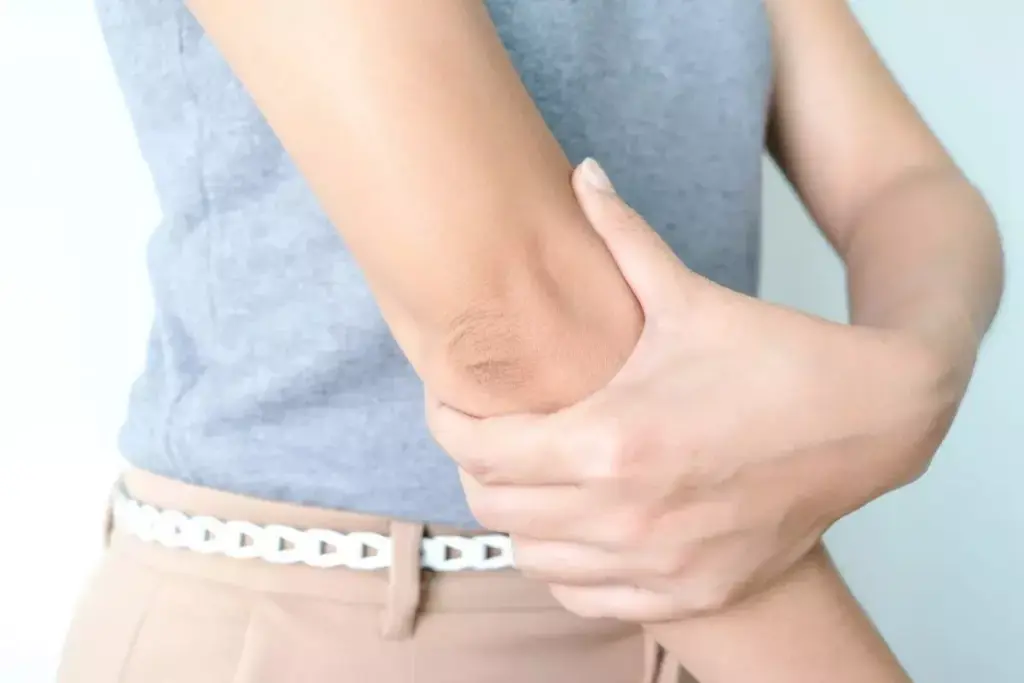
Understanding elbow bursitis treatment is key. You can try home remedies or seek professional help. The right choice depends on how bad the condition is and what’s causing it.
Home Remedies and Self-Care
Many elbow bursitis cases can be treated at home. Resting the elbow is important. Also, using ice to lessen swelling and pain is helpful. Compression bandages can reduce swelling too.
Home treatment tips:
- Rest and avoid activities that aggravate the condition
- Apply ice packs for 15-20 minutes, several times a day
- Use a compression bandage to reduce swelling
- Elevate the elbow above the level of the heart to reduce swelling
Medical Treatments
If home remedies don’t work, or if the bursitis is severe or infected, you might need medical help. This could include draining fluid, using corticosteroid injections, or antibiotics for infections.
| Treatment | Description | Used For |
| Aspiration | Draining fluid from the bursa | Fluid-filled bursitis |
| Corticosteroid Injections | Reducing inflammation | Inflammatory bursitis |
| Antibiotics | Treating infection | Infected bursitis |
When to Seek Medical Attention
See a doctor if you have severe pain, a lot of swelling, or if you have a fever or redness spreading. These could be signs of an infection that needs quick treatment.
Signs that you need to see a doctor:
- Increasing pain or swelling
- Redness or warmth around the elbow
- Fever
- Elbow stiffness or difficulty moving the elbow
Conclusion: Prevention and Long-Term Management
To avoid elbow bursitis, protect your elbow from constant pressure or injury. Wearing elbow pads or cushions can help. This is important for people who often rest their elbows.
If a bug bite on your elbow swells up, watch it for signs of infection. The olecranon, a bony part of your elbow, can get inflamed. This is due to repeated motion or direct hits, causing swelling.
If your elbow hurts a lot or is tender, see a doctor. Knowing how to prevent elbow bursitis can help. This way, you can keep your elbow safe.
Living a healthy lifestyle and avoiding repetitive actions is key. Also, wear protective gear when needed. This helps keep your elbow in good shape.
FAQ
What is elbow bursitis?
Elbow bursitis is inflammation of the bursa, a small fluid-filled sac that cushions the elbow joint.
What are the common symptoms of elbow bursitis?
Symptoms include swelling, pain, redness, warmth, and limited range of motion at the elbow.
What causes elbow bursitis?
It is caused by repetitive pressure, trauma, infection, or underlying conditions like gout or arthritis.
How is elbow bursitis diagnosed?
Diagnosis is made through physical examination, patient history, and sometimes imaging or fluid analysis.
What are the treatment options for elbow bursitis?
Treatment includes rest, ice, compression, anti-inflammatory medications, aspiration, or antibiotics if infected.
Can elbow bursitis be prevented?
Yes, by avoiding repetitive pressure, using protective padding, and maintaining joint hygiene.
When should I seek medical attention for elbow bursitis?
Seek care for severe pain, redness, warmth, fever, or signs of infection in the elbow.
How can I manage elbow bursitis in the long term?
Long-term management includes activity modification, protective padding, stretching, and strengthening exercises.
References:
ScienceDirect. Evidence-Based Medical Insight. Retrieved from https://www.sciencedirect.com/science/article/pii/B9781455729003000825



 Departments
 Related Videos
 Our Doctors
 News
News