
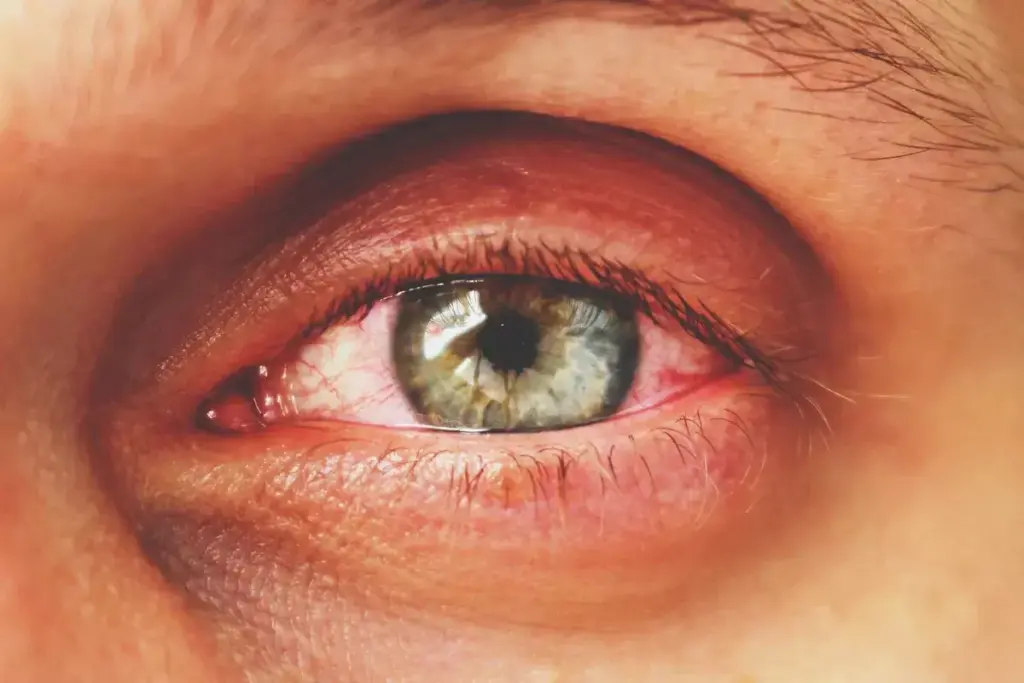
Follicular conjunctivitis is a common eye problem. It shows up as dome-shaped lymphoid nodules on the conjunctiva. The Medical organization says it’s often caused by viral infections.
Knowing the signs of follicular conjunctivitis is key to treating it right. At Liv Hospital, we focus on top-notch eye care. We use the latest research to guide our treatment.
We aim to help you understand and manage this condition. Our goal is to improve your eye health.
Key Takeaways
- Follicular conjunctivitis is a common condition worldwide.
- Viral infections are a primary cause of this condition.
- Proper diagnosis is key for effective care.
- Liv Hospital offers high-quality, evidence-based eye care.
- Understanding the condition’s characteristics is vital for management.
Understanding Follicular Conjunctivitis
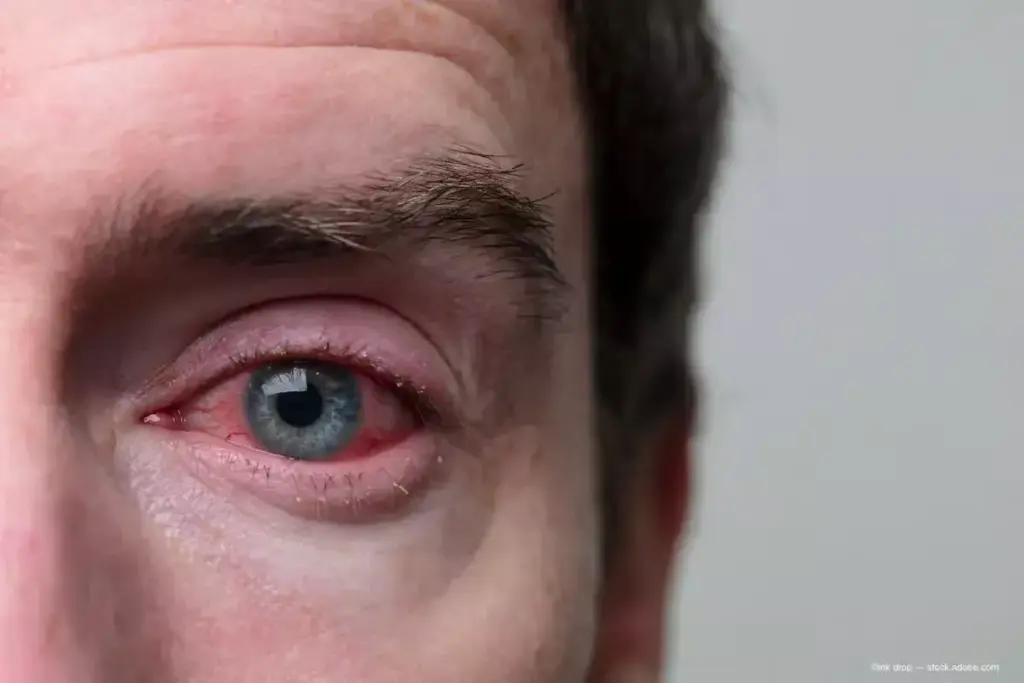
To treat follicular conjunctivitis, it’s important to know its signs. These include lymphoid follicles on the conjunctiva. These follicles are groups of lymphoid cells that form due to inflammation.
What Is Follicular Conjunctivitis?
Follicular conjunctivitis is a type of eye infection. It’s marked by lymphoid follicles on the conjunctiva. This thin membrane covers the white part of the eyes and the inside of the eyelids.
According to All About Vision, it can be caused by viruses, allergies, or chemicals. Symptoms include redness, itching, and discharge.
Key characteristics include redness, itching, and discharge. The presence of lymphoid follicles sets it apart from other types.
Clinical Characteristics and Presentation
Follicular conjunctivitis is marked by dome-shaped lymphoid nodules on the conjunctiva. These nodules are a key feature, as Eyewiki describes. Patients may feel a foreign body sensation, itch, and have red eyes due to inflammation.
The Medical organization says it can cause discomfort. This includes sensitivity to light and blurred vision. Knowing these signs is key to diagnosing and treating it.
Distinguishing from Papillary Conjunctivitis
Follicular conjunctivitis is often confused with papillary conjunctivitis. But, papillary conjunctivitis has small, nipple-like projections on the conjunctiva, not lymphoid follicles. This difference is important for correct diagnosis and treatment.
Understanding these differences helps doctors treat follicular conjunctivitis better.
Types and Causes of Follicular Conjunctivitis
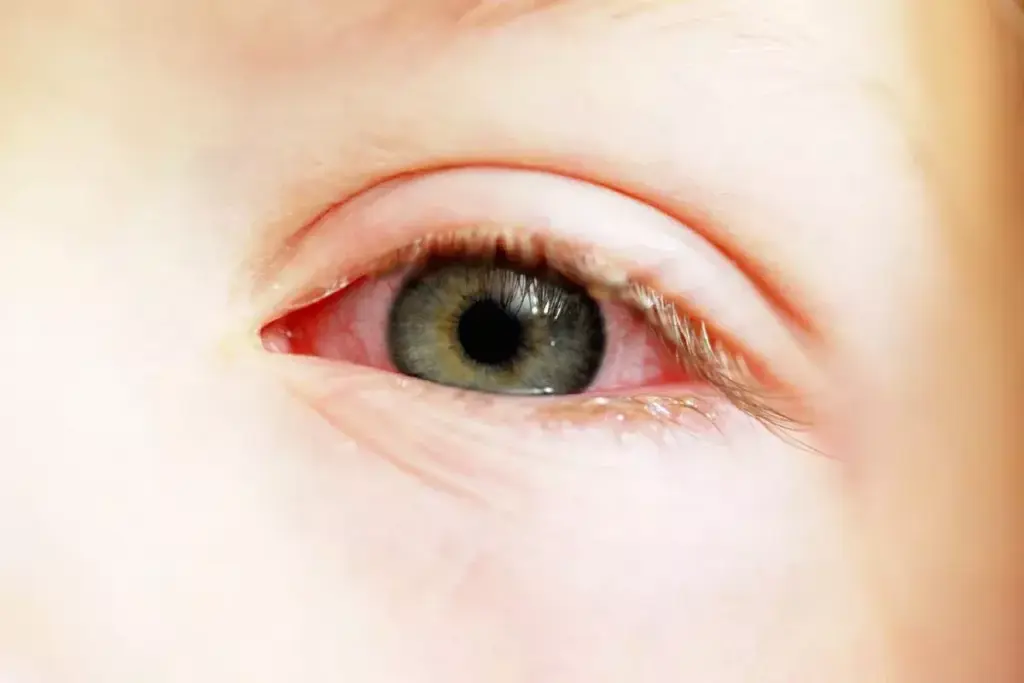
It’s important to know the different types and causes of follicular conjunctivitis for proper treatment. This condition can come from many factors. So, finding out the cause is key to the right care.
Acute vs. Chronic Presentations
Follicular conjunctivitis can be either acute or chronic. The acute form often comes from viral infections. It shows up suddenly with redness, discharge, and irritation.
The chronic form might be from long-term exposure to irritants or non-infectious agents. It keeps causing symptoms over time.
Viral Etiology (Adenovirus and Others)
Viral infections, like adenovirus, are a big reason for follicular conjunctivitis. Studies show viruses cause up to 80 percent of acute conjunctivitis. Adenoviral conjunctivitis spreads easily and can cause outbreaks.
Other viruses, like herpes simplex, can also cause this condition. For more on viral conjunctivitis, check out Healthline’s guide on follicular conjunctivitis.
Non-Infectious Causes
Not all follicular conjunctivitis is from infections. Allergic reactions, chemical irritants, and some systemic conditions can also cause it. For example, allergic conjunctivitis happens when you’re sensitive to pollen, dust, or other allergens.
It’s important to understand these non-infectious causes. This helps in creating a good treatment plan.
Treatment of Follicular Conjunctivitis
Dealing with follicular conjunctivitis means tackling symptoms and the root cause. It affects not just the eyes but also life quality. Knowing how to treat it is key.
Managing Acute Viral Cases
Acute viral follicular conjunctivitis is often caused by adenovirus and spreads easily. Managing symptoms is key in treatment. Antiviral meds might help, but results vary. Using lubricating eye drops and cold compresses can ease discomfort.
- Lubricating eye drops to reduce discomfort and dryness
- Cold compresses to decrease swelling and redness
- Antiviral medications in select cases
Good hygiene is vital to stop the infection from spreading. Wash hands often and avoid close contact with others.
Interventions for Chronic Cases
Chronic follicular conjunctivitis needs a different strategy. It’s about finding and fixing the cause. This might mean changing contact lens care routines or treating allergies. Topical corticosteroids might also be used under a doctor’s watch.
- Review and adjustment of contact lens care for contact lens wearers
- Management of allergies through medication or avoidance of allergens
- Use of topical corticosteroids for inflammation reduction
Home Care Strategies
Medical treatment is just part of the solution. Home care strategies also play a big role. Using warm compresses can help loosen debris and ease pain. Keeping eyes clean is also essential.
- Applying warm compresses to ease symptoms
- Keeping the eyes clean to prevent infection spread
- Avoiding irritants and allergens
When to Seek Medical Attention
Knowing when to see a doctor is important. Severe pain, vision changes, or intense redness need immediate doctor’s attention. Early action can prevent serious issues and improve results.
Understanding treatment options and taking proactive steps can help manage follicular conjunctivitis. This way, it won’t disrupt daily life as much.
Conclusion
Managing follicular conjunctivitis well means knowing its causes, symptoms, and how to treat it. Recognizing it early helps get the right care and keeps eyes healthy.
Good treatment can really help those with follicular conjunctivitis. We’ve shared ways to handle acute and chronic cases, and home care tips. These can help manage the condition well.
Following the advice in this article helps keep eyes healthy and deal with follicular conjunctivitis. Our aim is to give people the knowledge to choose the best treatment and keep their eyes in top shape.
FAQ
What is follicular conjunctivitis?
What are the symptoms of follicular conjunctivitis?
What causes follicular conjunctivitis?
How is follicular conjunctivitis different from papillary conjunctivitis?
How is acute viral follicular conjunctivitis managed?
What are the treatment options for chronic follicular conjunctivitis?
When should I seek medical attention for follicular conjunctivitis?
Can follicular conjunctivitis be treated at home?
Is follicular conjunctivitis contagious?
What is the role of adenovirus in follicular conjunctivitis?
References:
JAMA Network. Evidence-Based Medical Insight. Retrieved from https://jamanetwork.com/journals/jama/fullarticle/1760372