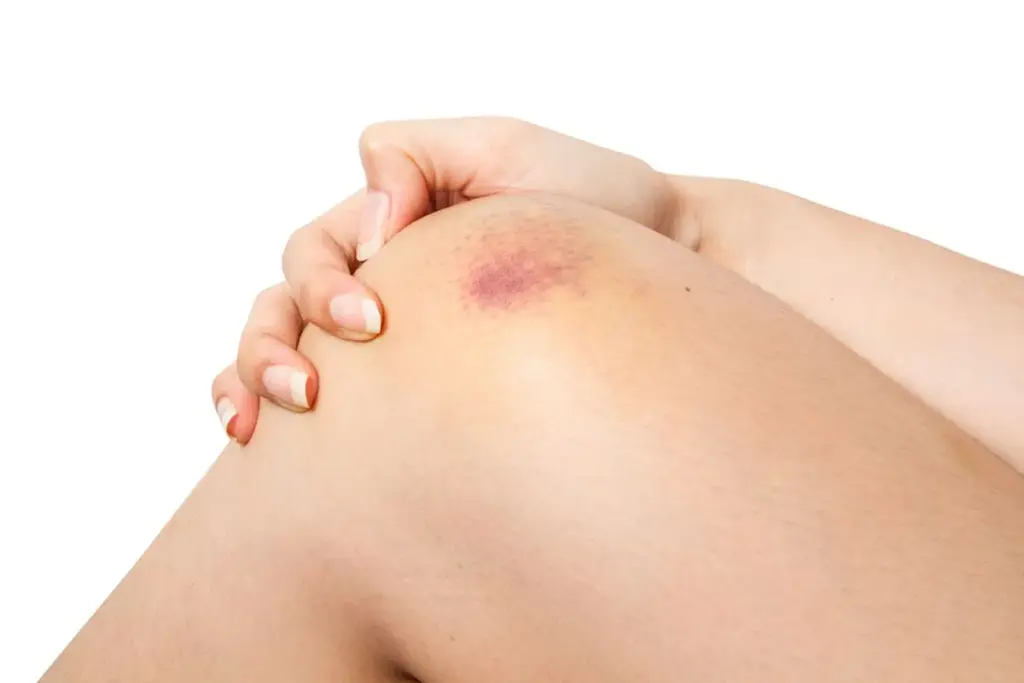
When skin meets a rough surface, it can lead to a graze wound, or abrasion. This injury happens when the top skin layers get scraped off, revealing the skin beneath.
Knowing how to treat graze wounds is key to stopping bleeding and easing pain. Good wound care helps wounds heal fast and keeps infections away. This reduces the chance of more problems.
We, as healthcare experts, understand our international patients’ worries. We aim to give detailed advice on treating graze wounds. In this piece, we’ll cover the main steps for handling these injuries.
Key Takeaways
- Understanding the nature of graze wounds is essential for proper treatment.
- Initial response to a graze wound can significantly impact healing and pain management.
- Effective wound care techniques can help prevent infection and promote healing.
- Proper pain management is critical for patient comfort and recovery.
- Seeking professional medical advice is recommended for severe or persistent wounds.
Understanding Graze Wounds and Their Characteristics
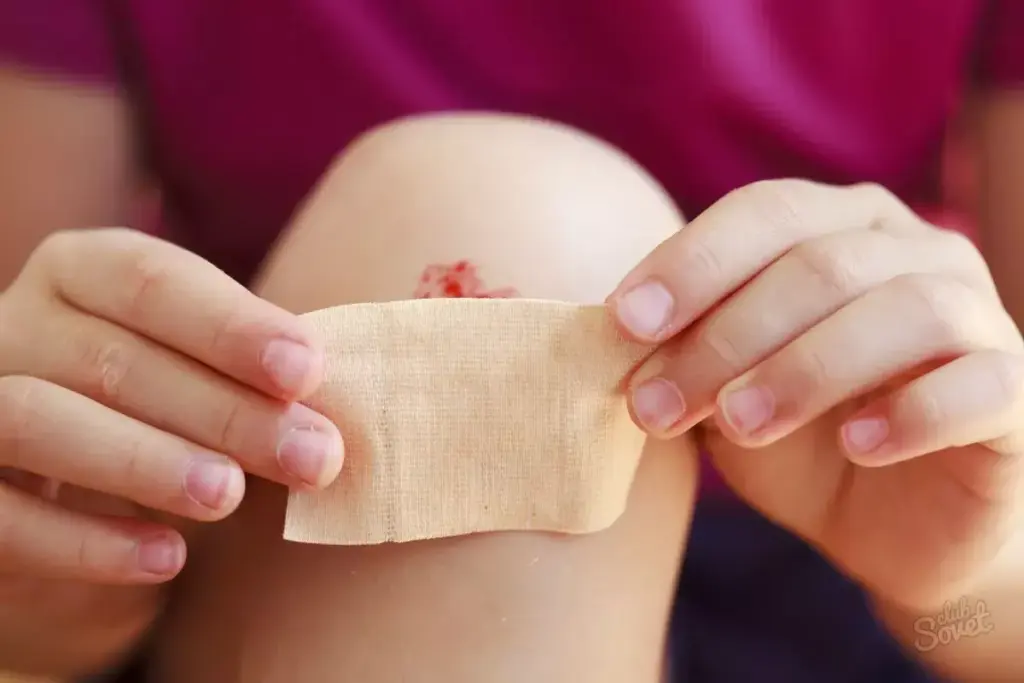
Graze wounds, also known as skin grazes, affect the outer skin layer. They cause discomfort and can lead to infection if not treated right. These wounds happen when skin slides against a rough surface or when you fall.
What Are Graze Wounds and Common Locations
Graze wounds often happen on bony parts like hands, forearms, elbows, knees, or shins. These areas have thinner skin, making them more likely to get hurt. Dirt and debris can easily get stuck in these wounds, raising the chance of infection.
For more info on wound care, check out HealthDirect’s guide on wounds, cuts, and grazes. It offers detailed advice on treating different skin injuries.
Differentiating Between Grazes and Other Wound Types
It’s key to tell graze wounds apart from cuts or lacerations. Cuts are made by sharp objects and bleed a lot. Graze wounds, on the other hand, are shallow and only affect the outer skin layer.
| Wound Type | Characteristics | Common Causes |
| Graze Wounds | Superficial, loss of outer skin layer, minimal bleeding | Friction or rubbing against rough surfaces, falls |
| Cuts/Lacerations | Deeper, severed skin, potentially heavy bleeding | Sharp objects, accidents |
Knowing the differences between these wounds is vital for the right treatment. By understanding graze wounds, we can handle them better and avoid serious issues.
Immediate Steps to Control Bleeding from Graze Wounds
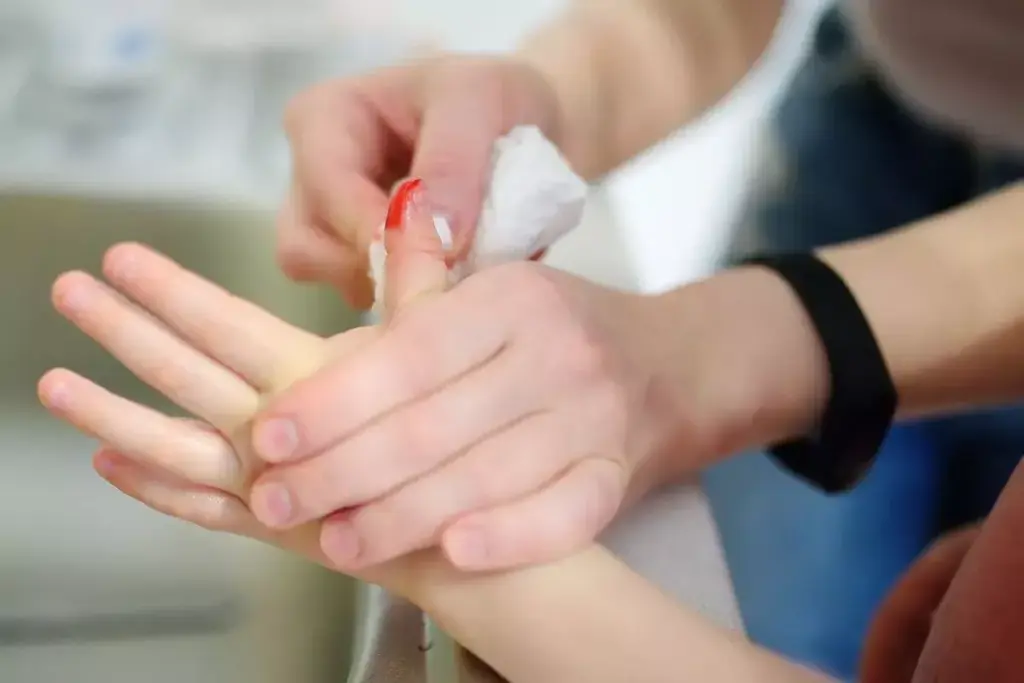
Stopping bleeding is key to treating graze wounds right. When a graze wound happens, like on the arm or leg, acting fast is vital.
Applying Direct Pressure to Stop Bleeding
To stop bleeding from a graze wound, apply direct pressure with a clean cloth or bandage. Do this for about 10 minutes. For a cut on the arm or a gash, press the cloth gently against the wound.
Key steps to follow:
- Use a clean cloth or bandage to apply pressure.
- Maintain pressure for about 10 minutes.
- Check if the bleeding has stopped after 10 minutes.
Elevating the Injured Area Above Heart Level
Also, elevate the injured area above heart level to cut down blood flow. For a leg wound, raise the leg above the heart.
Benefits of elevation:
- Reduces blood flow to the injured area.
- Helps in reducing swelling.
- Aids in faster healing.
By using direct pressure and elevation, we can manage bleeding from graze wounds. Whether it’s a cut on the leg or a gash in the arm, staying calm and following these steps helps a lot.
Managing Pain and Promoting Healing of Graze Wounds
Treating graze wounds needs a full plan that covers pain and wound care. Graze wounds, big or small, hurt a lot because of the injury.
Why Graze Wounds Cause Throbbing Pain
Graze wounds hurt because they touch many nerve endings under the skin. When skin gets grazed, these nerves get hurt or exposed. This makes the pain strong, more so if the graze is big or in a sensitive spot.
“Pain is a natural response to injury, and managing it is key for healing,” say health experts. Good pain management makes recovery better for those with graze wounds.
Effective Over-the-Counter Pain Relief Options
Medicines like paracetamol or ibuprofen help with graze wound pain. They either cut down on pain chemicals or change how the brain feels pain.
- Paracetamol: Good for pain and fever.
- Ibuprofen: Helps with inflammation and pain.
It’s important to take these medicines as directed and talk to a doctor if pain doesn’t go away.
Proper Wound Covering for Faster Healing
Studies show covered wounds heal faster than open ones. Covering a graze wound keeps it clean from dirt and bacteria. It also helps it heal better.
Right wound covering means using breathable, gentle dressings or bandages. This helps healing and lowers infection risk.
“Keeping the wound moist and covered helps it heal faster,” say wound care experts.
By managing pain well and covering the wound right, people can make graze wounds heal better.
Conclusion
Proper care for graze wounds is key for healing and managing pain. Knowing how to handle graze wounds can greatly improve recovery. This includes controlling bleeding right away.
Applying direct pressure and elevating the injured area are important steps. Using over-the-counter pain relief and covering the wound properly also helps. These actions make the healing process smoother.
We at our institution are dedicated to top-notch healthcare for international patients. We guide individuals through the healing process with care and expertise. This helps them recover from graze wounds and other injuries with confidence.
Following these guidelines and getting medical help when needed ensures the best care for graze wounds. This approach promotes optimal healing and pain management.
FAQ
What is a graze wound?
A graze wound, also known as a graze or an abrasion, happens when skin is scraped or rubbed away. This usually occurs from a fall or sliding injury.
How do I stop bleeding from a graze wound?
To stop bleeding, apply direct pressure with a clean cloth or bandage. If you can, elevate the injured area above heart level.
Why do graze wounds hurt so much?
Graze wounds hurt because they damage the skin and underlying tissues. This irritation to nerve endings causes the pain.
What can I put on a graze wound to promote healing?
To help healing, keep the wound clean and covered with a dressing or bandage. Applying a topical antibiotic ointment can also prevent infection.
Do wounds heal faster covered or uncovered?
Wounds generally heal faster when covered. This keeps the wound clean and creates a moist environment that aids healing.
How can I manage pain from a graze wound?
To manage pain, take over-the-counter pain relief like acetaminophen or ibuprofen. Follow the directions on the label.
Can I use any pain relief cream on a graze wound?
Yes, you can use pain relief creams or gels. Those with lidocaine or benzocaine can numb the area and reduce pain.
How long does it take for a graze wound to heal?
The healing time for a graze wound varies. It depends on the wound’s size and depth, and the person’s health. Minor wounds might heal in a few days, while larger ones take longer.
National Center for Biotechnology Information. Evidence-Based Medical Guidance. Retrieved from
https://www.ncbi.nlm.nih.gov/books/NBK554465/