
Hip arthritis is a common condition that affects millions. It causes ongoing pain and stiffness. At Liv Hospital, we understand the impact of hip arthritis on one’s quality of life and offer top-notch, non-surgical care.
When cartilage in the hip joint wears down, patients feel pain in the groin, outer thigh, or buttocks. This pain is often worse in the morning or after sitting for a long time. We focus on non-surgical ways to ease these symptoms, helping improve function and quality of life.
We use a wide range of treatments, including physical therapy and innovative regenerative treatments. We also tailor care to each patient’s needs. These non-surgical methods help reduce symptoms and may prevent the need for surgery.
Key Takeaways
- Non-surgical treatments can effectively manage hip arthritis symptoms.
- Personalized care protocols are key to preserving joint function.
- Regenerative treatments offer new ways to manage pain.
- Physical therapy is a core part of non-surgical hip arthritis management.
- Acting early can greatly improve your quality of life.
Understanding Hip Arthritis and Its Symptoms
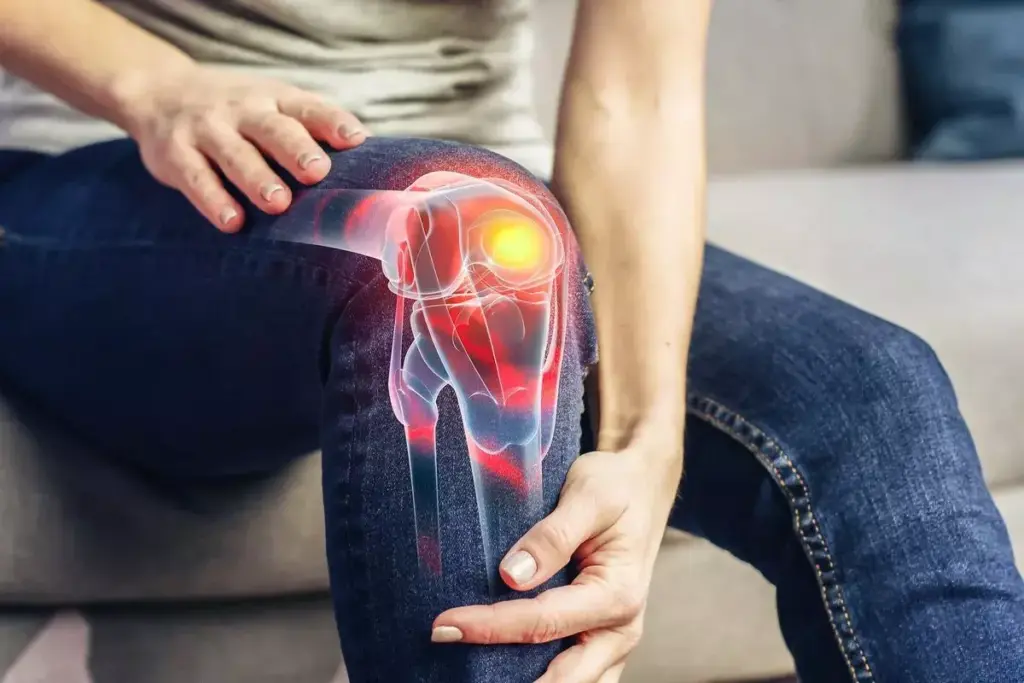
Hip arthritis, often caused by osteoarthritis, affects many people’s lives. It happens when the cartilage in the hip joint wears down. This leads to bones rubbing against each other, causing a lot of pain.
Studies show that treating hip osteoarthritis often involves education and exercise. These steps are key to managing symptoms and keeping the joint working well.
What Happens in Hip Osteoarthritis
In hip osteoarthritis, the cartilage in the hip joint breaks down. This can cause bone spurs and cysts to form. As the cartilage disappears, the joint gets inflamed, leading to pain and stiffness.
The degeneration process is slow but affects the hip’s function a lot. People often feel pain in the groin, outer thigh, or buttocks. This pain can get worse when doing things like walking or climbing stairs.
Recognizing Signs of Hip Joint Degeneration
Spotting hip joint degeneration early is important for managing it. Look out for persistent pain, stiffness, and reduced mobility. As the condition gets worse, these symptoms can make daily tasks hard.
By knowing these signs and getting medical help early, patients can try non-surgical treatments. These treatments aim to keep the joint working and reduce inflammation. They can greatly improve life for those with hip arthritis.
Effective Treatment for Hip Arthritis Without Surgery
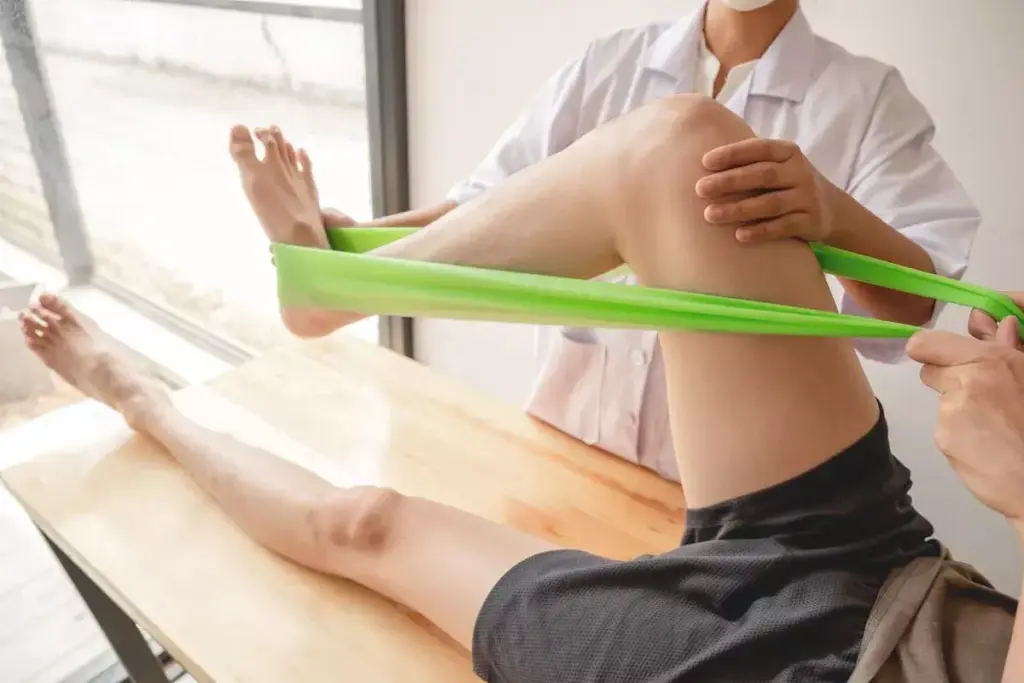
Treating hip arthritis without surgery needs a mix of physical therapy, weight control, and other treatments. We suggest a detailed plan to manage symptoms and boost joint function.
Physical Therapy Exercises for Hip Strength
Physical therapy is key in non-surgical care, with tailored exercises that strengthen hip muscles. Key exercises include hip flexor stretches, straight leg raises, clamshells, and wall squats. These exercises improve flexibility, strengthen hip muscles, and boost joint function.
Some top physical therapy exercises for hip arthritis are:
- Hip Flexor Stretches: Improve flexibility and cut down stiffness.
- Straight Leg Raises: Strengthen quadriceps, supporting the hip joint.
- Clamshells: Target gluteus medius, improving hip stability.
- Wall Squats: Strengthen quadriceps, hamstrings, and glutes, boosting hip function.
Weight Management and Joint Protection
Managing weight is vital to reduce hip joint stress, lessen inflammation, and boost non-surgical treatment results. Keeping a healthy weight through a balanced diet and regular exercise can greatly ease hip arthritis symptoms. Also, protecting the joint by avoiding high-impact activities and using assistive devices can lessen hip strain.
Effective strategies for weight management and joint protection include:
- Balanced Diet: Eat anti-inflammatory foods, fruits, and vegetables.
- Regular Exercise: Do low-impact activities like swimming, cycling, or elliptical.
- Lifestyle Modifications: Stay away from activities that worsen hip pain and use canes or walkers when needed.
Pain Management Medications and Injections
Managing pain is key for those with hip arthritis. There are many non-surgical ways to do this. We use different medications and injections to help, making life better for our patients.
NSAIDs and Analgesics for Daily Pain Control
NSAIDs (Nonsteroidal Anti-Inflammatory Drugs) and analgesics are good for daily pain. NSAIDs cut down inflammation and pain. Analgesics mainly help with pain. We often give these out to help symptoms and make joints work better.
- NSAIDs: Ibuprofen and naproxen are examples. They reduce inflammation and pain well.
- Analgesics: Acetaminophen is a common pain reliever.
It’s important to take the right amount and talk to a doctor to avoid side effects.
Corticosteroid and Hyaluronic Acid Injections
Corticosteroid injections and hyaluronic acid injections offer targeted relief. Corticosteroids lessen inflammation and pain. Hyaluronic acid injections make joints move better by adding cushioning.
Corticosteroid injections are great for sudden pain. Hyaluronic acid injections help joints stay healthy over time.
Complementary Approaches: Heat, Cold, and Topicals
There are also other ways to help with pain. Using heat or cold on the area can ease pain and stiffness. Topical treatments, like creams and gels, can be applied to the skin for local relief.
- Heat Therapy: It relaxes muscles and boosts blood flow.
- Cold Therapy: It cuts down inflammation and numbs pain.
- Topical Treatments: Includes creams and gels for skin application.
These methods can be used with other treatments to better manage pain and improve overall health.
Conclusion
Understanding hip arthritis and exploring treatment options can help manage the condition without surgery. Non-invasive treatments, guided by healthcare experts, empower patients. This way, they can take an active role in improving their hip health.
At our institution, we offer top-notch healthcare and support for international patients. We guide individuals through their treatment journey with confidence. Our personalized care aims to improve pain, function, and overall well-being.
By adopting a multi-faceted approach, including physical therapy and pain management, relief is possible. Taking an active role in care can greatly improve quality of life. We support patients from diagnosis to treatment, ensuring they get the best care for hip pain without surgery.
FAQ
What are the primary symptoms of hip arthritis?
Primary symptoms include hip pain, stiffness, reduced range of motion, and difficulty walking or standing.
How can physical therapy help in treating hip arthritis without surgery?
Physical therapy strengthens muscles, improves flexibility, and reduces joint stress to relieve pain.
What role does weight management play in managing hip arthritis?
Maintaining a healthy weight reduces pressure on the hip joint and slows cartilage degeneration.
What medications are commonly used for pain management in hip arthritis?
Common medications include NSAIDs, acetaminophen, corticosteroid injections, and sometimes topical analgesics.
Are there any alternative therapies available for hip arthritis pain relief?
Yes, options include acupuncture, heat/cold therapy, massage, and supplements like glucosamine and chondroitin.
Can hip arthritis be managed effectively without surgery?
Yes, many people manage symptoms with medication, lifestyle changes, exercise, and physical therapy.
How can I alleviate hip arthritis pain naturally?
Pain can be alleviated naturally through low-impact exercise, stretching, weight management, and hot/cold therapy.
What are non-surgical alternatives to hip replacement?
Non-surgical alternatives include medications, injections, physical therapy, activity modification, and assistive devices.
Can you live with hip arthritis without undergoing surgery?
Yes, with proper management, many people maintain mobility and quality of life without surgery.
References
National Center for Biotechnology Information. Evidence-Based Medical Insight. Retrieved from https://pubmed.ncbi.nlm.nih.gov/24462672/