Comprehensive guide on how to treat inflamed vein treatment (phlebitis) effectively using rest, heat, and medication. Inflamed veins, known as phlebitis or superficial thrombophlebitis, can be very painful. It can also make it hard to move and lower your quality of life. About 3 to 11 percent of people get this condition at some point.
Varicose veins are usually found in the legs and ankles. They happen when the veins in your legs get weak. This can cause inflammation and serious problems like deep vein thrombosis or pulmonary embolism if not treated right.
It’s important to know what causes inflamed veins, its symptoms, and the treatment options. This knowledge helps prevent serious issues and improves health outcomes.
Key Takeaways
- Phlebitis affects a significant portion of the population and can lead to serious complications.
- Varicose veins are a common cause of phlebitis, mainly in the legs and ankles.
- Effective management of inflamed veins is key to avoiding complications.
- Understanding the condition and its effects is vital for better patient care.
- Treatment methods vary from simple care to advanced medicines.
Understanding Phlebitis: What Is Vein Inflammation?
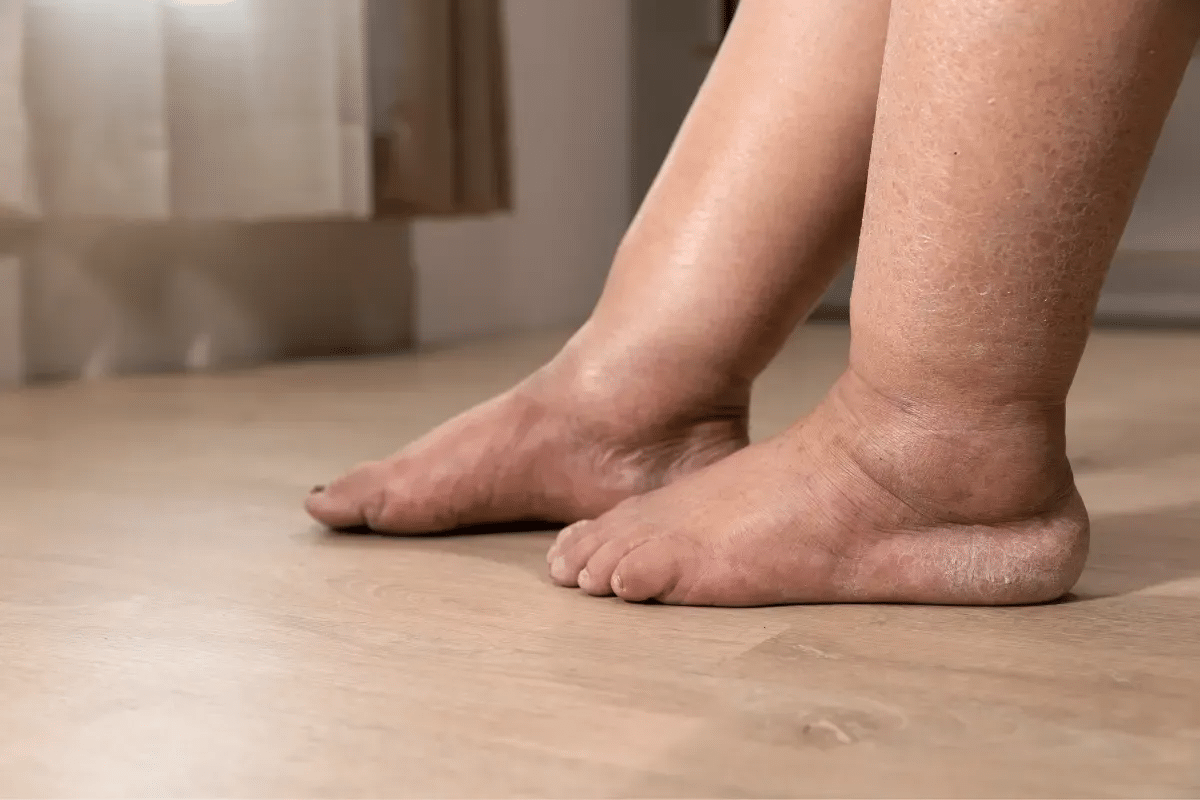
Vein inflammation, known as phlebitis, is a condition that needs to be understood well. It can take many forms and is linked to various causes.
Definition and Prevalence of Phlebitis
Phlebitis is when a vein gets inflamed. It can be either superficial or deep. It’s quite common, hitting many people, mainly those with varicose veins.
Varicose veins happen when tiny valves in veins get weak or break. This lets blood pool in the legs, causing inflammation.
Knowing about phlebitis is key. It’s not just simple inflammation. It can also mean blood clots, known as thrombophlebitis.
Superficial Thrombophlebitis vs. Deep Vein Thrombosis
Superficial thrombophlebitis is when blood clots form in superficial veins. It’s different from deep vein thrombosis (DVT), which affects deeper veins. Both involve clots, but they’re in different veins and have different effects.
|
Characteristics |
Superficial Thrombophlebitis |
Deep Vein Thrombosis |
|---|---|---|
|
Location |
Superficial veins |
Deep veins |
|
Symptoms |
Localized pain, redness, swelling |
Swelling, pain, warmth in the affected limb |
|
Risk Factors |
Varicose veins, trauma, infection |
Immobility, surgery, cancer, genetic predisposition |
The Medical Terminology of Vein Inflammation
Phlebitis has its own set of medical terms. Knowing these terms is vital for correct diagnosis and treatment. For example, thrombophlebitis is when a blood clot causes vein inflammation. Phlebitis simply means vein inflammation.
“The inflammation of veins, or phlebitis, is a condition that can lead to significant discomfort and health complications if not properly addressed.”
In summary, understanding phlebitis means knowing its definition, how common it is, and the differences between superficial thrombophlebitis and deep vein thrombosis. Using the right medical terms is key for doctors to treat it well.
Recognizing the Signs and Symptoms of Inflamed Veins
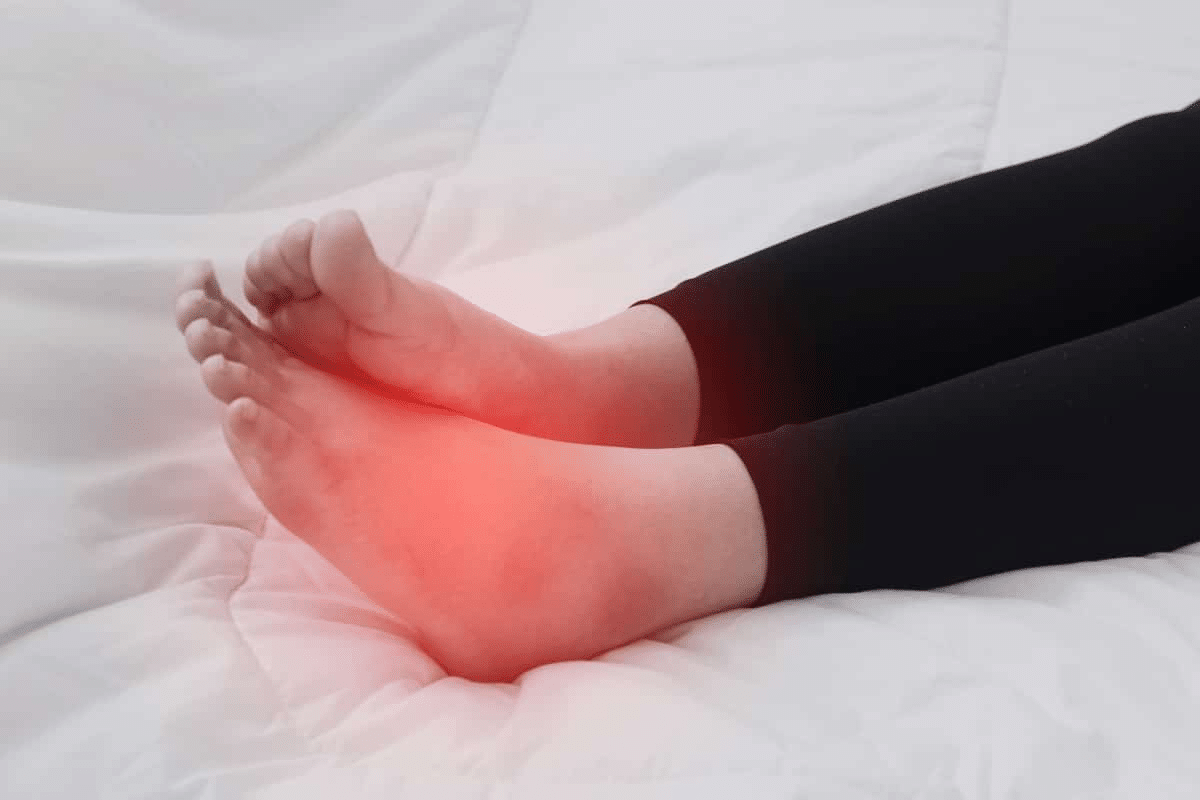
It’s important to know the signs of phlebitis to get the right treatment. Inflamed veins can show up differently, depending on where they are and how bad they are.
The 5 Key Signs and Symptoms of Phlebitis
The symptoms of phlebitis include pain and tenderness along the affected vein. You might also see redness and swelling, feel warmth or a burning sensation. Sometimes, you can feel a cord or lump along the vein, and a low-grade fever might occur.
- Pain or discomfort that worsens when the affected limb is moved or touched
- Visible redness and swelling that may extend beyond the immediate area of the inflamed vein
- A feeling of warmth or heat in the affected area
- A hardened or cord-like structure under the skin where the vein is located
- In some instances, a low-grade fever may accompany the other symptoms
Variations in Symptoms Based on Location
The location of the inflamed vein affects the symptoms. For example, phlebitis in the arm might cause different discomfort levels than in the leg. Symptoms can vary from mild to severe, including heaviness, burning, aching, tiredness, or pain in the affected limb.
Common symptoms include bumps on veins in the arm or hand and inflamed veins in the leg. It can also show up as varicose veins, leading to itching or a feeling of heaviness in the legs.
When Symptoms Require Immediate Medical Attention
Seek immediate medical attention if symptoms get worse or if you think it might be a serious condition like deep vein thrombosis (DVT). Look out for sudden severe pain, significant swelling, or trouble moving the affected limb.
If you notice severe pain or swelling, trouble walking, or a big change in the color or temperature of the affected limb, get medical help right away.
What Does Phlebitis Look Like? Visual Identification
Knowing what phlebitis looks like is key for early treatment. It shows as red, hard cords under the skin. This is a big sign of the condition.
Characteristic Appearance of Inflamed Veins
Inflamed veins look red, swollen, and warm. They might feel hard and sore. Seeing these signs helps doctors diagnose phlebitis.
Varicose veins, which look swollen and twisted, often show up on legs. They’re not just a cosmetic issue. They can also point to deeper venous problems.
Bumps on Veins in Arms and Hands
Bumps on veins in arms and hands can mean phlebitis. These bumps, or lumps, happen when veins get inflamed. They can hurt and look red. Watching these signs is important.
These bumps might also mean superficial thrombophlebitis. This is when a blood clot forms in a vein near the skin’s surface.
Vein Lumps on Feet and Legs
Vein lumps on feet and legs are common in phlebitis. These lumps can hurt and might be linked to varicose veins. Seeing a doctor is a must to find out why they’re there.
Telling apart superficial and deep vein issues is vital. Deep vein problems, like deep vein thrombosis (DVT), are more serious.
Causes and Risk Factors for Vein Inflammation
It’s important to know why veins get inflamed. This knowledge helps in preventing and treating the issue. Vein inflammation, or phlebitis, can happen for many reasons. Knowing these reasons helps manage the condition better.
Common Triggers for Phlebitis Development
Several things can cause phlebitis. Prolonged periods of inactivity or immobility can lead to blood pooling in veins. This increases the risk of inflammation.
Trauma or injury to a vein can also cause phlebitis. The presence of intravenous catheters or infusion lines can irritate vein walls, leading to inflammation.
Other common triggers include infections and certain medications that may irritate veins. Knowing these triggers helps reduce the risk of phlebitis.
Medical Conditions Associated with Vein Inflammation
Certain medical conditions raise the risk of phlebitis. For example, varicose veins can lead to poor blood circulation. This can cause vein inflammation.
Conditions like deep vein thrombosis (DVT) and superficial thrombophlebitis are directly linked to vein inflammation.
Systemic conditions such as cancer and autoimmune disorders also increase the risk of phlebitis. Knowing these associations is key for early detection and management.
Lifestyle Factors That Increase Risk
Lifestyle factors significantly impact the risk of phlebitis. Aging makes veins more susceptible to inflammation. Pregnancy and obesity increase risk due to increased vein pressure.
Prolonged standing or sitting can lead to poor circulation. This increases the risk of vein inflammation. Being aware of these factors helps in taking preventive measures.
Diagnosing Inflamed Veins: Medical Procedures
Healthcare professionals use many methods to diagnose inflamed veins. These include physical exams and advanced imaging. Getting the right diagnosis is key to choosing the right treatment and avoiding problems.
Physical Examination Techniques
A physical exam is the first step in finding out if veins are inflamed. Doctors look for signs like redness, swelling, and warmth. They also check the patient’s health history for vein inflammation risks.
Key parts of a physical exam for inflamed veins are:
- Looking at the affected area
- Feeling for tenderness or hardness
- Checking the skin’s temperature
- Looking at the patient’s overall health and history
Duplex Ultrasonography for Accurate Diagnosis
Duplex ultrasonography is a key tool for diagnosing inflamed veins. It uses Doppler and ultrasound to see blood flow and vein structure.
Duplex ultrasonography offers many benefits:
- It accurately finds blood clots and vein inflammation
- It checks blood flow and vein structure
- It helps decide on treatment
- It’s safe and non-invasive
Differentiating Superficial from Deep Vein Involvement
Telling superficial thrombophlebitis from deep vein thrombosis (DVT) is important. Superficial thrombophlebitis is near the skin, while DVT is deeper, often in the legs.
|
Characteristics |
Superficial Thrombophlebitis |
Deep Vein Thrombosis (DVT) |
|---|---|---|
|
Location |
Veins near the skin’s surface |
Deeper veins, often in the legs |
|
Symptoms |
Localized pain, redness, and swelling |
Pain, swelling, and warmth in the affected limb |
|
Risk of Complications |
Generally lower risk |
Higher risk of pulmonary embolism |
|
Treatment Approach |
Conservative management often sufficient |
Typically requires anticoagulation therapy |
Knowing the differences between these conditions helps doctors make better care plans and treatment choices.
How to Treat Inflamed Vein Treatment: Conservative Approaches
Dealing with inflamed veins can be tough. But, using conservative treatments can really help. These methods are often the first step for treating superficial phlebitis and other vein issues.
Compression Stocking Selection and Use
Compression stockings are a key treatment for inflamed veins. They apply pressure to help reduce swelling and improve blood flow. It’s important to pick the right size and compression level for the best results.
- Get advice from a doctor on the right compression level for you.
- Make sure to measure your leg right for a good fit.
- Wear them in the morning when swelling is less.
Using compression stockings right makes them work better. Wear them during the day and take them off at night, unless your doctor says different.
Proper Elevation Techniques for Affected Limbs
Elevating the affected limb is also key. It helps reduce swelling and improves blood flow back to the heart.
To elevate your limb well:
- Find a comfy position to lie down.
- Use pillows to lift your limb above your heart.
- Stay in this position for 15-20 minutes, 2-3 times a day.
Being consistent with elevation is important. It helps ease symptoms and aids in healing.
Heat Application Methods and Precautions
Heat can help with pain and swelling from inflamed veins. But, it’s important to do it safely to avoid problems.
To use heat safely:
- Use a warm, not hot, compress or heating pad.
- Apply heat for 15-20 minutes, several times a day.
- Never sleep with a heating pad to avoid burns.
A study on superficial nodular phlebitis found that conservative methods, like heat, can help manage symptoms and aid in healing.
“Conservative management, including compression therapy and pain management, is often enough for treating superficial thrombophlebitis.”Source: Journal of Vascular Surgery
By using compression stockings, elevating your limb, and applying heat, you can manage inflamed vein symptoms and help your body heal.
Medication Options for Phlebitis Treatment
Understanding the different medications for phlebitis is key. These treatments help ease symptoms, reduce swelling, and prevent serious issues.
Nonsteroidal Anti-inflammatory Drugs (NSAIDs)
NSAIDs are a top choice for phlebitis. They fight pain and swelling by blocking certain enzymes.
- Ibuprofen is often picked for its anti-inflammatory effects.
- Naproxen is recommended for its longer-lasting benefits.
Anticoagulant Medications
Anticoagulants stop new blood clots and prevent existing ones from growing. Fondaparinux is used for those at risk of deep vein thrombosis.
|
Medication Type |
Examples |
Purpose |
|---|---|---|
|
NSAIDs |
Ibuprofen, Naproxen |
Reduce pain and inflammation |
|
Anticoagulants |
Fondaparinux, Warfarin |
Prevent blood clot formation |
It’s vital to follow your doctor’s advice when taking these meds. This ensures the best treatment and avoids side effects.
Home Remedies vs. Medical Treatments for Phlebitis
Understanding the balance between home remedies and medical treatments is key when dealing with inflamed veins. Phlebitis, or vein inflammation, can be managed in different ways. These range from simple self-care to more complex medical interventions.
Effective Self-Care Strategies
Managing phlebitis at home involves several self-care strategies. Compression stockings help reduce swelling and improve circulation. Elevating the affected limb is also effective in alleviating symptoms.
Applying warm compresses to the affected area can help reduce pain and inflammation. Lifestyle changes are also important. Regular exercise, maintaining a healthy weight, and avoiding prolonged standing or sitting can prevent the condition from worsening. A diet rich in antioxidants and anti-inflammatory foods supports vein health.
When Home Treatment Is Insufficient
Home remedies can manage mild cases of phlebitis. But, if symptoms persist or worsen, medical attention is needed. Signs that indicate a need for medical care include increased pain, swelling, or redness, along with a fever or infection in the veins.
A vein lump on foot or leg that doesn’t improve with home care may require further investigation. Medical professionals can provide a proper diagnosis and recommend treatments. These may include medications or other interventions to address the underlying cause of phlebitis.
Combining Approaches for Optimal Results
Combining home remedies with medical treatments often yields the best results. Integrating self-care strategies with professional medical care can lead to better outcomes. For example, using compression stockings as recommended by a healthcare provider, along with medications to reduce inflammation, can significantly improve symptoms.
Working closely with a healthcare provider to determine the best treatment plan is essential. Regular follow-ups help adjust the treatment strategy as needed. This ensures the condition is managed effectively and reduces the risk of complications.
Treating Specific Presentations of Phlebitis
Understanding phlebitis and its different forms is key to effective treatment. The severity and location of the condition guide the best treatment approach.
Managing Inflamed Veins in Legs
Treating inflamed veins in the legs involves a few steps. Compression stockings help reduce swelling and improve blood flow. Elevating the affected limb is also important for symptom management.
Addressing Phlebitis in Arms and Hands
Phlebitis in arms and hands, often linked to IV catheters or superficial thrombophlebitis, can be treated with warm compresses and anti-inflammatory medications. It’s vital to watch for any signs of complications.
Treatment for Superficial Nodular Phlebitis
Superficial nodular phlebitis, marked by inflamed nodules along veins, may need a mix of topical treatments and oral anti-inflammatory drugs. Sometimes, surgical excision of the affected vein is considered.
Healthcare providers tailor treatments based on each patient’s unique phlebitis characteristics. This targeted approach helps improve treatment outcomes.
When Surgery May Be Necessary for Vein Inflammation
In some cases, surgery is needed for inflamed veins. While many treatments work well, some cases need more serious steps.
Indications for Surgical Intervention
Surgery is an option for severe phlebitis. It’s considered when other treatments don’t work or when there are complications. Key indications include:
- Extensive superficial thrombophlebitis that is not responding to conservative management
- Deep vein thrombosis (DVT) with significant clot burden
- Recurrent episodes of phlebitis
- Presence of varicose veins that are contributing to the inflammation
Doctors say surgery is for serious cases. It’s for when there’s a big risk of problems or when the condition really hurts the patient’s life.
Common Surgical Procedures
There are several surgeries for inflamed veins. The choice depends on the cause and how bad it is. Common surgical options include:
- Ligation and stripping for varicose veins
- Endoscopic vein surgery for severe cases of superficial thrombophlebitis
- Thrombectomy for removal of blood clots in DVT
These surgeries can help with tough cases of phlebitis. For example, ligation and stripping can lower the chance of veins coming back.
Recovery and Post-Surgical Care
Recovery from vein surgery depends on the surgery. Patients usually need to follow a post-operative care plan. This includes:
- Compression stockings to reduce swelling and promote healing
- Elevation of the affected limb
- Avoidance of strenuous activities
- Monitoring for signs of complications
Like any surgery, there are risks. But with the right care, most people do well. “Following post-surgical instructions is key to avoid problems and have a smooth recovery,” say doctors.
Prevention Strategies for Recurrent Vein Inflammation
To stop vein inflammation from coming back, we need to change our habits and lifestyle. Knowing what causes vein inflammation helps us take steps to avoid it.
Daily Habits to Promote Vein Health
Creating daily habits to promote vein health is key. This means staying at a healthy weight, drinking lots of water, and not sitting or standing for too long. Exercise helps blood flow better, lowering vein inflammation risk.
Proper hydration is key for blood flow and avoiding dehydration. Drinking water all day keeps veins in good shape.
Exercise Recommendations for Circulation
Exercise is essential for good blood flow and less vein inflammation. Walking, cycling, and swimming are great because they’re easy on the body and fit all fitness levels.
- Walking: Regular walking boosts circulation and eases vein pressure.
- Cycling: Stationary cycling or recumbent bikes are good for venous return.
- Swimming: It’s a low-impact way to improve circulation without straining veins.
Long-term Management Approaches
Managing vein health long-term means making lifestyle changes and getting medical advice. Regular doctor visits help keep an eye on vein health and fix issues early.
Wearing compression stockings as a doctor suggests can also help manage vein health and prevent inflammation.
By making these habits part of our daily lives, we can lower the chance of vein inflammation coming back and keep our veins healthy.
Conclusion: Managing Inflamed Veins Effectively
Managing inflamed veins well means understanding the condition and its signs. It also involves using the right treatments.
Healthy habits like exercise and limb elevation help prevent phlebitis. Medical treatments like compression stockings and anticoagulants are also key.
By using these methods together, people can manage phlebitis better. This improves their symptoms and quality of life. Managing varicose veins effectively requires lifestyle changes, medical treatments, and prevention.
FAQ
What is phlebitis?
Phlebitis is when a vein gets inflamed. It can happen in different places like the arms, hands, feet, and legs.
What are the symptoms of phlebitis?
Symptoms include redness, swelling, and warmth along the vein. You might also see bumps or lumps. Moving or touching the affected limb can hurt.
What causes phlebitis?
Phlebitis can be caused by many things. This includes medical conditions like superficial thrombophlebitis and deep vein thrombosis. Lifestyle factors like not moving much, injuries, or infections also play a role.
How is phlebitis diagnosed?
Doctors use physical exams and imaging tests like duplex ultrasonography. These help find out how bad the inflammation is and where it is.
What are the treatment options for phlebitis?
Treatments include using compression stockings and elevating the affected area. Applying heat and taking NSAIDs or anticoagulant medications are also options.
Can phlebitis be treated at home?
For mild cases, home remedies like rest, elevation, and compression can help. But, more serious cases need medical help.
When is surgery necessary for phlebitis?
Surgery might be needed for severe cases or when other treatments don’t work. The decision depends on how bad the inflammation is and where it is.
How can recurrent phlebitis be prevented?
To prevent it from coming back, you need to live a healthy lifestyle. This includes exercising regularly, improving circulation, and taking care of your veins every day.
What is the difference between superficial thrombophlebitis and deep vein thrombosis?
Superficial thrombophlebitis affects a surface vein, while deep vein thrombosis is a clot in a deeper vein. Both need medical attention.
Can phlebitis occur in different parts of the body?
Yes, it can happen in many places like the arms, hands, feet, and legs. The symptoms and treatment can vary based on where it is.
References
National Center for Biotechnology Information. Treating Phlebitis: A Concise Guide to Managing Inflamed Veins. Retrieved from https://www.ncbi.nlm.nih.gov/books/NBK556017/