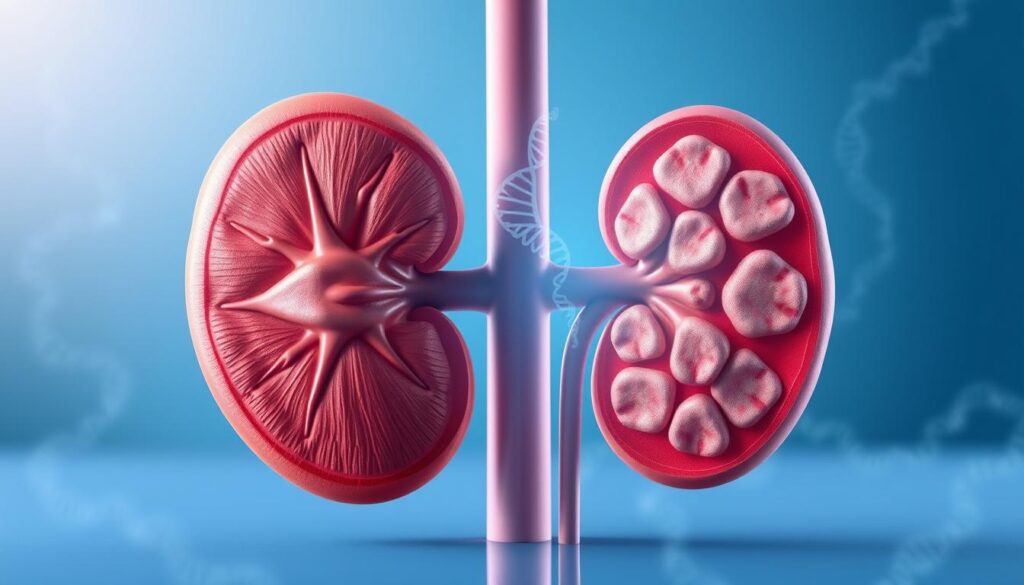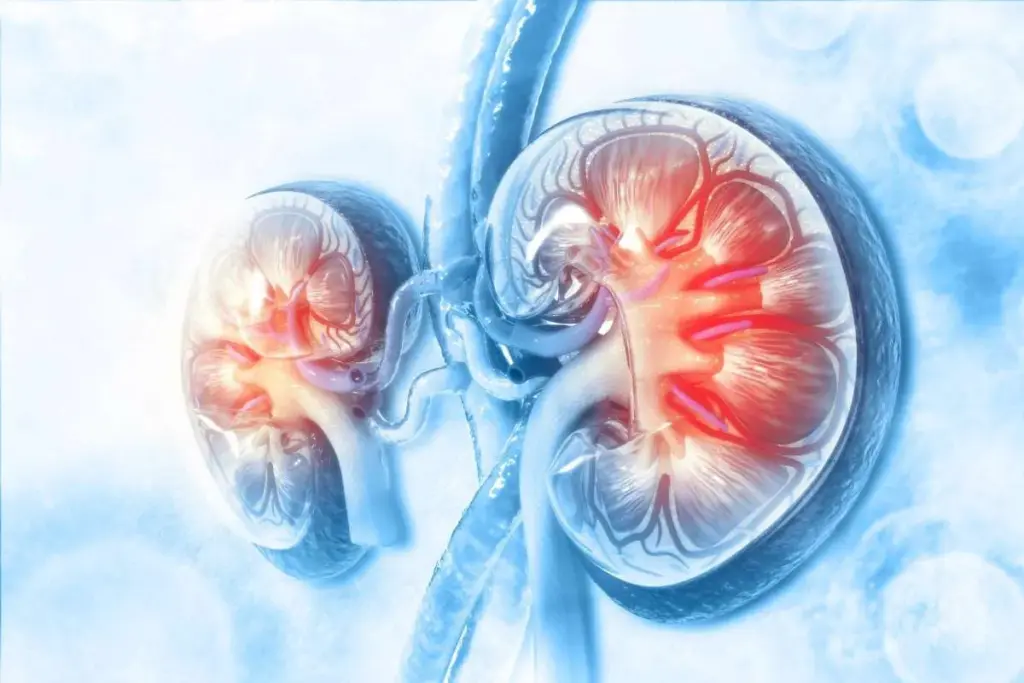
Swelling in the legs and feet can be more than just a minor issue. It can be a warning sign of kidney problems that need quick medical help. At Liv Hospital, we know how important it is to catch these problems early and get expert care.
Kidney edema, or swelling from too much fluid, affects about 1 in 3 people with chronic kidney disease. This happens when the kidneys can’t filter out sodium and water. This leads to fluid building up in the body’s tissues, often in the legs, feet, ankles, and around the eyes.
It’s key to know how to treat kidney edema and reduce swollen legs. Our team of specialists is here to help. We’re dedicated to giving top-notch healthcare and support to our patients.
Overcome kidney edema and regain control of your fluid balance with our expert-backed solutions.
Key Takeaways
- Recognizing the signs of kidney edema is key for early detection.
- Kidney edema is often linked to chronic kidney disease.
- Managing kidney edema well can greatly improve life quality.
- Liv Hospital offers full care for patients with kidney issues.
- Expert nephrology care is vital for managing kidney disease and edema.
Understanding Kidney Edema and Its Symptoms

Kidneys that are damaged can’t filter out excess sodium and water. This leads to fluid building up in body tissues. This condition, known as kidney edema, can cause a lot of discomfort and health problems. We will look into the causes, symptoms, and effects of kidney edema to understand how to manage it.
What Causes Fluid Retention in Kidney Disease
Fluid retention in kidney disease happens because kidneys can’t filter waste and excess fluids well. When kidneys are damaged, sodium and water retention goes up, causing edema. This can get worse with high sodium intake, certain medicines, and other health issues.
The kidneys are key in keeping the body’s fluid balance. If they don’t work right, fluid accumulation happens in places like the legs, feet, and face.
How Edema Manifests in Different Body Parts
Kidney edema often shows up in the lower parts of the body, like the legs and feet, because of gravity. It can also appear around the eyes and face. In some cases, edema can be very bad, making it hard to move around.
The Connection Between Nephrotic Syndrome and Severe Swelling
Nephrotic syndrome is a kidney problem where a lot of protein is lost in the urine, causing severe swelling. This syndrome is a big reason for edema in people with kidney disease. Losing protein, like albumin, messes up the body’s fluid balance, leading to severe swelling in different parts of the body.
It’s important to understand how nephrotic syndrome and edema are connected. Treating protein loss and fluid retention is key to reducing edema in these patients.
Medical Treatments for Kidney Edema

For those with kidney edema, there are many medical treatments to help. These treatments aim to ease symptoms and improve life quality. We’ll look at the main options, focusing on how they manage kidney failure swelling and related issues.
Diuretic Medications to Increase Fluid Removal
Diuretics are key in treating edema linked to kidney disease. They increase urine production, helping to remove extra fluid. This reduces swelling in legs, ankles, and other affected areas.
There are various diuretics, like loop, thiazide, and potassium-sparing types. The right one depends on the patient’s condition and edema severity. Loop diuretics are often used for severe cases due to their strong effect on urine.
Protein Management Strategies for Nephrotic Syndrome
For those with nephrotic syndrome, managing protein loss is vital. Protein management strategies help reduce swelling. This might include dietary changes or medications to lower protein loss.
It’s key for patients with nephrotic syndrome to stay in close contact with their doctor. Regular monitoring and adjusting treatment plans can help manage edema and improve health.
When to Seek Immediate Medical Attention
While treatments can manage edema and kidney disease treatment, knowing when to seek help is important. Severe swelling, breathing trouble, or chest pain are signs of serious issues that need immediate care.
Watch for sudden weight gain, increased swelling, or changes in urine output. If these symptoms appear, getting medical help quickly is essential. It helps prevent further problems and ensures the treatment plan is correct.
Conclusion: Living Well with Kidney-Related Swelling
Managing kidney disease and its complications, like edema, is vital for better health. By understanding and managing kidney disease edema, patients can enjoy a better life. Changes in lifestyle, medical treatments, and sometimes, kidney replacement therapy, help manage swelling.
We are dedicated to supporting patients through these challenges. Managing kidney edema requires a detailed plan, including diet changes and medical treatments. This approach helps reduce swelling and improves overall health. It allows people to live fulfilling lives despite kidney disease and swelling.
With proper treatment and support, patients can greatly improve their quality of life. We offer complete care to help international patients manage their condition. This way, they can achieve the best possible health outcomes.
FAQ
What is kidney edema, and how is it related to chronic kidney disease?
Kidney edema is swelling caused by too much fluid. It happens when kidneys can’t filter out sodium and water. This leads to fluid building up in body tissues.
What are the typical symptoms of kidney edema?
Swelling often shows up in the legs, feet, ankles, and around the eyes. It can also appear in other parts of the body, like the face.
How does nephrotic syndrome contribute to edema?
Nephrotic syndrome causes too much protein loss in urine. This loss can lead to fluid retention and swelling.
What are the common medical treatments for kidney edema?
Doctors often use diuretics to help remove more fluid. For those with nephrotic syndrome, managing protein loss is key to reducing swelling.
When should I seek immediate medical attention for kidney edema?
Get medical help right away if swelling is severe, breathing is hard, or if you have other serious symptoms.
How can I manage fluid retention in kidney disease?
To manage fluid retention, follow your doctor’s treatment plan. Make lifestyle changes and keep a close eye on your condition.
Can lifestyle changes help reduce swollen legs and feet due to kidney disease?
Yes, changing your lifestyle can help. Reducing sodium and elevating your legs can reduce swelling.
How does kidney failure affect swelling in the body?
Kidney failure makes it harder to remove excess sodium and water. This can lead to more fluid retention and swelling.
Are there any specific treatments for edema in kidney disease?
Treatments for edema include diuretics, managing protein loss, and other supportive therapies.
Can managing kidney edema improve my quality of life?
Yes, managing kidney edema can greatly improve your life. It reduces swelling and eases symptoms.
References:
National Center for Biotechnology Information. Evidence-Based Medical Guidance. Retrieved from https://www.ncbi.nlm.nih.gov/books/NBK554452/