Last Updated on November 17, 2025 by Ugurkan Demir

Ferritin is a protein that stores iron in your cells—it’s like your body’s iron savings account. When your ferritin levels are low, it means your iron stores are running out. This can lead to iron deficiency anemia, leaving you feeling weak and fatigued.
At Liv Hospital, we understand how important it is to identify and manage low ferritin levels. Knowing how to treat low ferritin starts with finding the cause. Treatment may include iron supplements, iron-rich foods, or addressing underlying health issues that affect absorption.
Low ferritin can impact your energy, focus, and overall well-being. With the right care and monitoring, you can restore healthy iron levels and feel stronger again.
Key Takeaways
- Ferritin deficiency can lead to iron deficiency anemia and various symptoms.
- Low ferritin levels can cause fatigue, weakness, and cognitive impairment.
- Treating low ferritin is key for your health and happiness.
- Ferritin is vital for iron transport and making red blood cells.
- Boosting ferritin levels can stop fatigue and enhance your life quality.
Understanding Ferritin and Its Importance
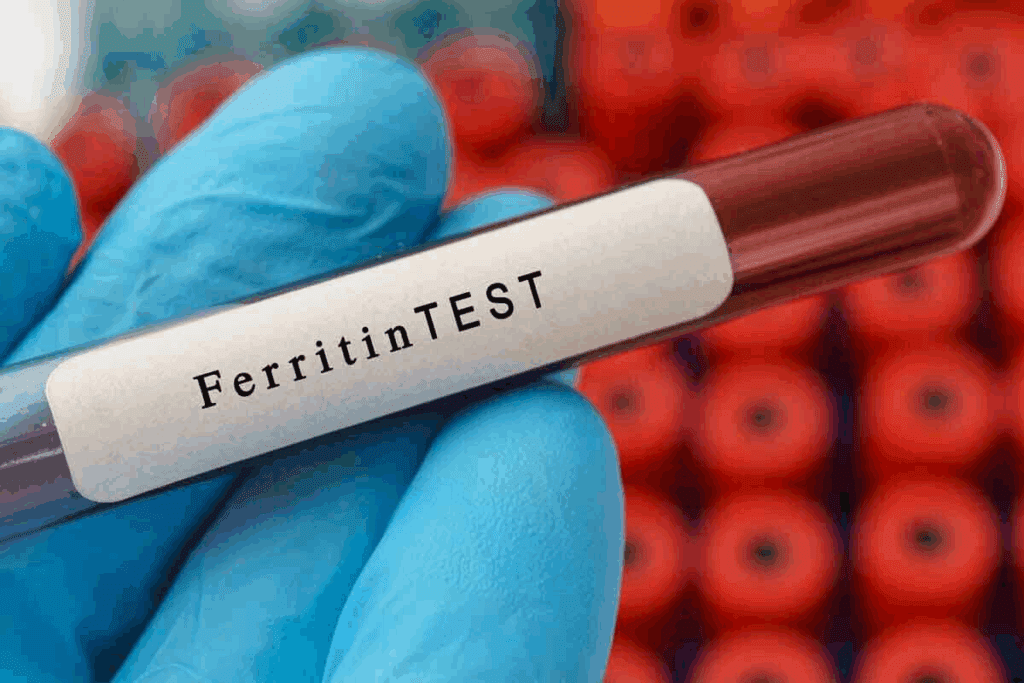
Ferritin is key to keeping iron levels healthy in our bodies. It’s a protein that stores iron in our cells. Your serum ferritin level shows how much iron you have.
Iron is vital for making red blood cells. These cells carry oxygen around our bodies. Without enough iron, we can’t make enough healthy red blood cells. This leads to tiredness, weakness, and other health problems.
What Is Ferritin and Its Function in the Body
Ferritin stores iron safely in our bodies. It helps keep iron levels balanced. The amount of ferritin in our blood shows how much iron we have.
“Ferritin is a key indicator of iron stores, and its measurement is critical for diagnosing iron deficiency and iron overload conditions.”
FerriScan
Normal ferritin levels vary slightly. For women, it’s usually between 12 to 150 ng/mL. For men, it’s 15 to 200 ng/mL. These numbers can change based on age, sex, and other factors.
What Is Considered Low Ferritin
Low ferritin means your iron stores are low. This can lead to iron deficiency if not treated. The exact low ferritin level can vary between labs.
| Category | Ferritin Level (ng/mL) |
| Normal (Women) | 12-150 |
| Normal (Men) | 15-200 |
| Low Ferritin | <12 (Women), <15 (Men) |
Low ferritin doesn’t always mean you have anemia. But it’s a sign you might be at risk of iron deficiency anemia if you don’t get more iron.
Understanding your ferritin levels is key to keeping iron stores healthy. It helps prevent iron deficiency problems.
What Happens When Ferritin Is Low

Low ferritin affects the body in many ways, from energy levels to brain function. When ferritin levels drop, it means the body’s iron stores are low. This can cause symptoms that make daily life hard.
The Connection Between Low Ferritin and Fatigue
Fatigue is a common symptom of low ferritin. It’s a feeling of constant tiredness or weakness. This can make simple tasks hard to do.
Iron is key for making energy. It helps make hemoglobin, which carries oxygen. Without enough iron, cells don’t get enough oxygen, leading to tiredness.
Some signs of fatigue from low ferritin include:
- Feeling tired all the time, even after resting or sleeping
- Lack of energy to perform daily tasks or activities
- Difficulty concentrating or making decisions due to mental fogginess
Cognitive Effects and Brain Function
Low ferritin also affects the brain. Iron is vital for brain function and growth. It helps make neurotransmitters and keeps neurons healthy. Without enough iron, brain functions can slow down.
- Brain fog or difficulty concentrating
- Memory problems or forgetfulness
- Mood changes, such as irritability or depression
A study found that iron deficiency can harm brain function. It affects attention and executive functions. This shows why treating low ferritin is important for brain health.
Impact on Physical Performance
Low ferritin also hurts physical performance. Iron is needed for making myoglobin and for energy during exercise. Without enough iron, muscles don’t store oxygen well, and energy production is poor.
Athletes or those who exercise a lot may notice:
- A decrease in performance or endurance
- Increased fatigue during or after exercise
- Slower recovery times
Fixing low ferritin is key for better physical performance and health. Knowing how low ferritin affects us helps us seek treatment and improve our lives.
Common Causes for Low Ferritin
Low ferritin can be caused by many things. This includes not getting enough iron from food and losing blood too much. Knowing what causes low ferritin is key to fixing it.
Insufficient Dietary Iron Intake
Eating the right foods is important for ferritin levels. Not getting enough iron from food is a big reason for low ferritin. Iron helps make hemoglobin, which carries oxygen in our blood.
- Eating foods rich in iron is essential. Iron is found in animal products like meat and in plant foods like beans and cereals.
- Adding vitamin C to your diet can help your body absorb iron better. Foods like citrus fruits and bell peppers are good choices.
Blood Loss and Menstruation
Blood loss is another big reason for low ferritin. Menstruation can cause iron loss, mainly if your periods are heavy or long.
Other blood loss sources include:
- Ulcers, gastritis, or cancer in the stomach or intestines.
- Donating blood too often.
- Surgery or injuries that cause bleeding.
Malabsorption and Digestive Conditions
Some digestive issues can make it hard for the body to absorb iron. Conditions like celiac disease, Crohn’s disease, and gastric bypass surgery can affect iron absorption.
Other things that can affect iron absorption include:
- Drinking coffee or tea with meals can lower iron absorption.
- Eating a lot of foods high in phytates or oxalates can also reduce iron absorption.
Other Medical Conditions That Affect Ferritin
Many medical conditions can impact ferritin levels. For example, chronic kidney disease can affect how red blood cells are made, changing ferritin levels.
Other conditions that may affect ferritin include:
- Inflammatory bowel disease.
- Cancer.
- Chronic infections.
Diagnosing Ferritin Deficiency
To find out if someone has ferritin deficiency, doctors use blood tests and check symptoms. This way, they can find and fix the problem.
Blood Tests and Laboratory Markers
Doctors mainly use blood tests to check ferritin levels. Serum ferritin shows how much iron is in the body. They also look at hemoglobin and transferrin saturation to see if there’s enough iron.
A doctor said, “Serum ferritin testing is key in finding iron deficiency. It shows how much iron the body has.” This shows how important it is to test correctly.
Symptoms That Warrant Testing
Some symptoms mean you might need a ferritin test. These include:
- Persistent fatigue and weakness
- Hair loss
- Restless leg syndrome
- Cold hands and feet
If you have these symptoms, talk to your doctor about getting tested.
Differentiating Between Low Ferritin and Anemia
It’s important to tell the difference between low ferritin and anemia. Anemia means low hemoglobin, but low ferritin means iron stores are low. Doctors use both tests to figure out what’s wrong and how to fix it.
Getting a detailed diagnosis is key. It helps doctors give the right treatment for low ferritin, anemia, or both.
How to Treat Low Ferritin
Managing low ferritin starts with understanding the condition. You need to work with a healthcare professional to make a treatment plan. This plan usually includes oral iron supplements, dietary changes, and treating any underlying conditions.
First Steps After Diagnosis
After getting a diagnosis, finding the cause of low ferritin is key. You might need more tests to check for things like celiac disease or heavy menstrual bleeding. It’s important to work closely with your healthcare provider to figure out the cause and how to fix it.
“Understanding the root cause of ferritin deficiency is key to successful treatment,” says Dr. Jane Smith, a leading expert in hematology. “By tackling the underlying issue, we can better restore iron levels and ease symptoms.”
Creating a Treatment Plan With Your Healthcare Provider
When making a treatment plan, several things are considered. These include how severe the deficiency is, the cause, and your overall health. Oral iron supplements are often the first choice, but picking the right type and dosage is important to avoid side effects and improve absorption.
- Selecting the appropriate iron supplement
- Determining the optimal dosage and timing
- Monitoring for side effects and adjusting the treatment plan as needed
Setting Realistic Expectations for Recovery
Recovering from low ferritin takes time, and it’s important to be realistic. It may take several months to a year or more to replenish iron stores, depending on the severity and the treatment plan. Regular check-ups with your healthcare provider are key to track progress and make changes if needed.
By following your treatment plan and working with your healthcare provider, you can manage low ferritin. This will help improve your health and overall well-being.
Oral Iron Supplementation Strategies
Oral iron supplements are a common treatment for low ferritin. They offer a simple way to boost iron levels. When diagnosed with low ferritin, healthcare providers often recommend oral iron supplementation as a first line of treatment.
Types of Iron Supplements
There are several types of oral iron supplements available. Each has its own characteristics. Common forms include:
- Ferrous Sulfate: One of the most commonly prescribed iron supplements. It has a high iron content and is very effective.
- Ferrous Gluconate: Known for being gentler on the stomach. It contains less iron than ferrous sulfate.
- Ferrous Bisglycinate: A highly bioavailable form of iron. It is gentle on the digestive system.
“The choice of iron supplement depends on the individual’s tolerance and specific needs,” as noted by healthcare professionals. We will work with you to determine the best option.
Optimal Dosing and Timing
To maximize the effectiveness of oral iron supplements, it’s important to consider dosing and timing. Taking iron supplements on an empty stomach can enhance absorption. But if gastrointestinal side effects occur, taking them with a small amount of food may help alleviate discomfort.
Vitamin C can significantly enhance iron absorption. We recommend consuming foods or beverages high in vitamin C (such as orange juice or bell peppers) along with your iron supplement.
Managing Side Effects
While oral iron supplements are generally well-tolerated, some individuals may experience side effects. These can include constipation, nausea, or stomach cramps. To manage these effects, consider the following strategies:
- Starting with a lower dose and gradually increasing it.
- Taking the supplement with food to reduce gastrointestinal upset.
- Switching to a different type of iron supplement that may be better tolerated.
As emphasized by a leading hematologist, “Patient compliance is key to successful iron supplementation. Managing side effects effectively is critical to ensuring that patients can continue their treatment as prescribed.”
How to Raise Ferritin Levels Through Diet
To boost ferritin levels, it’s key to know about dietary iron sources and how to absorb them better. Iron comes in two types: heme iron in animal products and non-heme iron in plants. Both are important for healthy ferritin levels.
Heme Iron Sources
Heme iron, found in animal products, is easier for the body to absorb than non-heme iron. Important sources include:
- Red meat: Beef, lamb, and venison are rich in heme iron.
- Poultry: Chicken and turkey contain heme iron, though less than red meat.
- Seafood: Clams, oysters, and sardines are excellent sources of heme iron.
Non-Heme Iron Sources
Non-heme iron, found in plants, is vital, mainly for vegetarians and vegans. Key sources include:
- Legumes: Lentils, chickpeas, and black beans are rich in non-heme iron.
- Dark leafy greens: Spinach, kale, and collard greens are good sources.
- Fortified cereals: Many breakfast cereals are fortified with iron.
Foods That Enhance Iron Absorption
Certain foods can help absorb iron, like non-heme iron. Vitamin C is a well-known enhancer:
- Citrus fruits: Oranges, lemons, and grapefruits are high in vitamin C.
- Berries: Strawberries, kiwis, and other berries rich in vitamin C.
Eating foods high in vitamin C with iron-rich foods can greatly improve iron absorption.
Foods and Substances That Inhibit Iron Absorption
Some foods and substances can block iron absorption. Knowing these can help maximize iron intake:
| Substance | Effect on Iron Absorption |
| Coffee | Reduces iron absorption |
| Calcium | Inhibits non-heme iron absorption |
| Tea | Contains polyphenols that reduce iron absorption |
Being aware of these dietary factors can help make better choices to raise ferritin levels effectively.
“A well-balanced diet that includes a variety of iron-rich foods, along with foods that enhance iron absorption, can significantly improve ferritin levels and overall health.”
Intravenous Iron Therapy for Severe Cases
Intravenous iron therapy is for those with severe iron deficiency or can’t take oral iron. It’s great for people with a lot of blood loss, trouble absorbing iron, or need iron fast.
When IV Iron Is Recommended
IV iron is suggested when oral iron doesn’t work or causes stomach problems. It’s also for those with chronic diseases like kidney disease, heart failure, or inflammatory bowel disease. These conditions often lead to severe iron deficiency.
Key Indications for IV Iron Therapy:
- Severe iron deficiency anemia
- Intolerance to oral iron supplements
- Chronic diseases associated with iron deficiency
- Significant ongoing blood loss
Types of IV Iron Treatments
There are different IV iron products, each with its own benefits. The right one depends on the patient’s needs, the reason for iron deficiency, and the doctor’s choice.
| IV Iron Preparation | Characteristics | Common Uses |
| Iron Sucrose | Well-tolerated, can be administered in smaller doses | Chronic kidney disease, heart failure |
| Ferric Carboxymaltose | Allows for higher doses in fewer infusions | Severe iron deficiency, inflammatory bowel disease |
| Iron Dextran | Contains dextran, which can cause allergic reactions | Used when other options are not suitable |
What to Expect During and After Treatment
During IV iron therapy, patients are watched for any bad reactions. The time it takes to infuse depends on the type and amount of IV iron. After, patients might feel better as their iron levels go up.
Post-Treatment Expectations:
- Rapid improvement in iron levels
- Potential reduction in fatigue and other symptoms
- Follow-up testing to monitor iron levels and adjust treatment as needed
Lifestyle Modifications to Improve Ferritin Levels
Improving low ferritin levels requires a holistic approach. By making key lifestyle changes, you can boost your ferritin and feel better overall.
Exercise Considerations for Low Ferritin
Exercise is key for a healthy life and can help ferritin levels. But, those with low ferritin should balance exercise with rest. Moderate-intensity exercises like walking, cycling, or swimming are best. They keep you healthy without overdoing it.
Pay attention to how your body feels. If low ferritin makes you tired, cut back on intense workouts until you feel better.
Stress Management and Sleep Quality
Managing stress and getting enough sleep are critical for ferritin health. Stress can make it hard for your body to absorb iron. Try meditation, yoga, or deep breathing to reduce stress.
Also, aim for 7-8 hours of sleep each night. It helps with iron metabolism. A regular sleep schedule and a cozy sleep space can improve your sleep.
Supplements That Support Iron Absorption
While lifestyle changes are important, some supplements can help too. Vitamin C boosts iron absorption. Eating foods rich in vitamin C, like citrus fruits or bell peppers, with iron can be helpful. For more tips on boosting ferritin naturally, check out this resource.
Also, avoid coffee and tea with iron-rich foods to get more iron. Probiotics can help keep your gut healthy, which may improve iron absorption.
Monitoring and Tracking Your Progress
Managing low ferritin well means keeping an eye on how you’re doing. Regular check-ups and tests are key. They help us see if the treatment is working and make changes if needed.
Timeline for Improvement
Treating low ferritin takes time. It usually takes 3 to 6 months to see big changes in ferritin levels. This time can change based on how bad the deficiency is, how well the treatment works, and your health.
Dr. Jane Smith, a hematologist, says, “Being patient is important when treating low ferritin. It’s not fixed right away, but with the right care and checks, big improvements can happen.”
“The key to successful treatment is regular monitoring and adjusting the treatment plan as needed.”
Dr. Jane Smith, Hematologist
Follow-up Testing Recommendations
Testing regularly is key in managing low ferritin. Blood tests help us keep an eye on your ferritin levels. We adjust your treatment based on these tests. How often you need these tests can change, but usually, it’s:
| Test Frequency | Purpose |
| Initial Follow-up | 6-8 weeks after starting treatment to assess response |
| Ongoing Monitoring | Every 3-6 months to ensure ferritin levels are maintained |
Signs That Your Treatment Is Working
As your ferritin levels go up, you might feel better in many ways. You might have more energy, think clearer, move better, and feel happier overall.
- Increased energy levels
- Improved cognitive function
- Better physical performance
- Enhanced overall well-being
Telling your healthcare provider about any changes is very important. This helps us make your treatment even better.
By watching your progress closely and making changes as needed, we can manage your low ferritin well. This helps improve your life a lot.
Special Considerations for At-Risk Groups
We know that some people are more likely to have low ferritin levels. This can happen to anyone, but some groups face a higher risk. This is because of their diet, lifestyle, and health conditions.
Women with Heavy Menstruation
Women with heavy periods are more likely to have low ferritin. The blood loss each month can lower iron levels. This can cause fatigue and other symptoms.
It’s important for these women to keep an eye on their iron levels. They might need to change their diet or take supplements.
Athletes and Fitness Enthuisiasts
Athletes, and those who love fitness, are also at risk. They lose iron faster because of their active lifestyle. They should watch for signs of low ferritin and talk to a doctor about it.
Vegetarians and Vegans
Vegetarians and vegans might also face a higher risk. They get less heme iron, which is harder to get from plants. But, they can keep their ferritin levels up by eating iron-rich foods and vitamin C.
Pregnant and Postpartum Women
Pregnant women need more iron for the baby and themselves. After giving birth, they might lose a lot of blood. It’s key to check iron levels during and after pregnancy. A doctor might suggest supplements.
Understanding the challenges of these groups helps us give better advice. We can help prevent low ferritin levels in these groups.
Conclusion
Treating low ferritin is key for good health. It needs a full plan, including diet changes, supplements, and lifestyle tweaks. Knowing why and how low ferritin affects us helps us fight fatigue.
We’ve talked about ways to boost ferritin, like iron pills and IV therapy, and the role of food. Exercise and managing stress are also important. With these steps and doctor advice, you can beat low ferritin and feel better.
Keeping ferritin levels right is vital for avoiding fatigue and keeping your body and mind sharp. By following the advice in this article, you can manage your ferritin and live a better life. Treating low ferritin well means using many strategies, and with the right help, you can get healthier.
FAQ
Does low ferritin cause fatigue?
Yes, low ferritin can cause fatigue. Ferritin stores iron. Low levels mean the body can’t transport oxygen well. This leads to tiredness and weakness.
How can I raise my ferritin levels?
You can raise ferritin levels through diet, supplements, or IV therapy. Eat iron-rich foods and vitamin C. Avoid tea and coffee.
What is considered low ferritin?
Low ferritin is below 30 ng/mL for women and 50 ng/mL for men. But, these numbers can vary.
What happens when ferritin is low?
Low ferritin means iron stores are low. This can cause fatigue, brain fog, and lower physical performance. If not treated, it can lead to anemia.
What to do if ferritin is low?
If ferritin is low, see a healthcare provider. They’ll find the cause and suggest treatment. This might include diet changes, supplements, or treating other conditions.
How do you fix low ferritin levels?
Fixing low ferritin involves treating the cause, taking iron supplements, and eating more iron.
What are the effects of low ferritin?
Low ferritin can cause fatigue, weakness, brain fog, and lower physical performance. It affects your quality of life.
How can I improve my ferritin level?
Improve ferritin levels with diet, supplements, and lifestyle changes. Stress management and better sleep help too.
What are the common causes of low ferritin?
Low ferritin can be due to not enough iron in the diet, blood loss, or malabsorption. Some medical conditions also play a role.
How is low ferritin diagnosed?
Blood tests measure ferritin levels. They’re often done with other tests to check iron status and rule out other conditions.
Can certain foods help raise ferritin levels?
Yes, eating heme iron sources like red meat and fish helps. Non-heme sources like beans and fortified cereals also help. Vitamin C boosts absorption.
Are there any lifestyle changes that can help improve ferritin levels?
Yes, regular exercise, managing stress, and enough sleep help improve ferritin levels. Diet and supplements are also important.
References:
- NHS. (2025). Iron deficiency anaemia. Retrieved from