
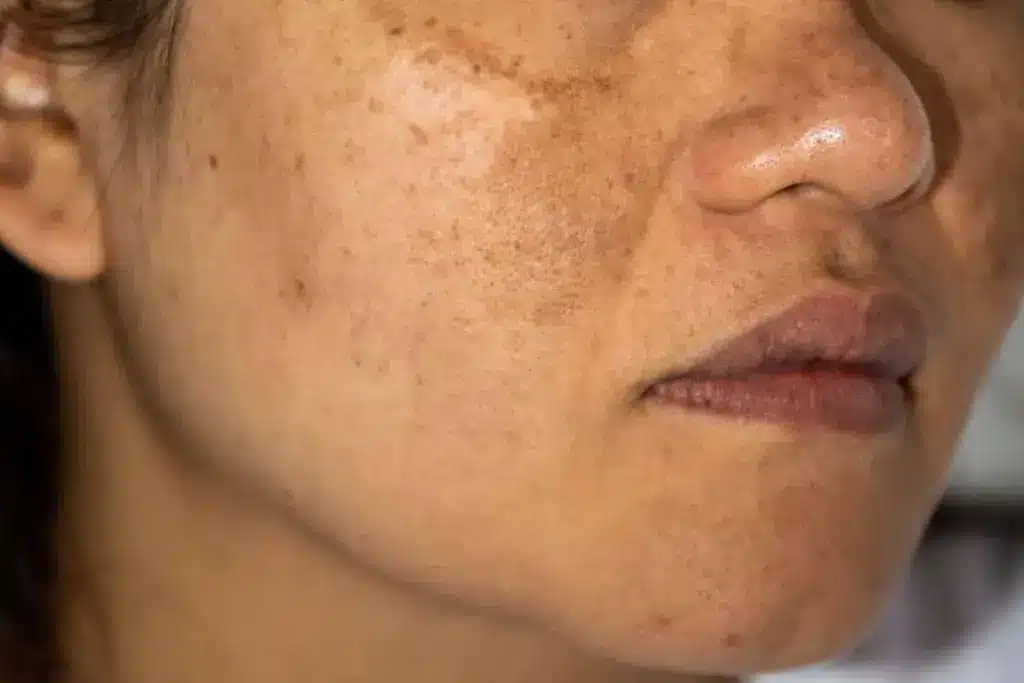
Melasma is a common skin condition characterized by patches of discoloration, typically on the facial skin. It’s more prevalent in women, especially during pregnancy, and in individuals with darker skin tones. The exact cause of melasma is not fully understood, but it’s believed to be triggered by hormonal changes, sun exposure, and genetics.
Treating melasma requires a comprehensive approach that incorporates various natural remedies and lifestyle changes. In this article, we’ll explore effective natural treatments that can help alleviate the symptoms of melasma, promoting a more even-toned complexion.
How to treat melasma on face naturally? Discover the amazing and powerful steps you must take for long-term relief and clear skin today.
Key Takeaways
- Understanding the causes of melasma is crucial for effective treatment.
- Natural remedies can play a significant role in alleviating melasma symptoms.
- Lifestyle changes, including sun protection, can help manage melasma.
- A comprehensive approach is necessary for treating melasma effectively.
- Certain natural ingredients have shown promise in reducing melasma discoloration.
Understanding Melasma: Causes and Symptoms
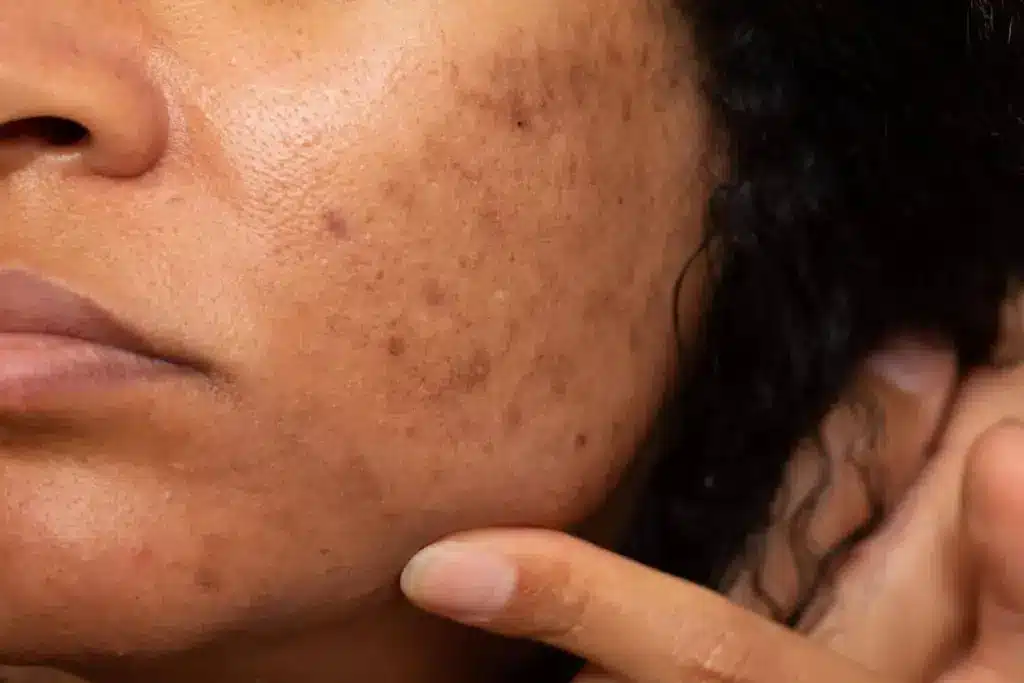
To tackle melasma effectively, it’s essential to comprehend its underlying causes and visible symptoms. Melasma is a chronic skin condition that manifests as patches of light to dark brown discoloration, typically on the face.
What is Melasma?
Melasma is characterized by the appearance of flat, pigmented areas on the skin, usually on the cheeks, nose, and forehead. It’s a condition that can affect anyone but is more prevalent in women, especially during pregnancy.
Common Triggers for Melasma
Several factors can trigger or exacerbate melasma. These include:
- Hormonal fluctuations: Changes in hormonal balance can stimulate melanocytes, leading to melasma.
- Sun exposure: UV rays can trigger melanin production, worsening melasma.
- Certain medications: Some drugs can cause melasma as a side effect.
Understanding these triggers is crucial for managing melasma effectively.
Symptoms to Look For
The primary symptom of melasma is the appearance of pigmented patches on the skin. These patches can vary in color from light brown to dark brown. Recognizing these symptoms early can help in adopting the right treatment approach, including natural remedies and lifestyle changes.
Best Natural Remedies for Melasma
[PLACE THE IMAGE HERE]
The quest for a flawless complexion often leads individuals with melasma to explore natural remedies that can help alleviate this condition. Natural remedies offer a promising approach to managing melasma, focusing on soothing and nourishing the skin.
Aloe Vera Benefits for Skin
Aloe vera is renowned for its soothing and anti-inflammatory properties, making it an excellent natural remedy for melasma. It helps reduce redness and inflammation, promoting healthier-looking skin.
Vitamin C and Its Role
Vitamin C is a powerful antioxidant that plays a crucial role in brightening the skin and reducing the appearance of melasma. It helps lighten dark spots and hyperpigmentation, resulting in a more even skin tone.
Green Tea Extract
Green tea extract is rich in antioxidants, which help protect the skin from environmental stressors and reduce the appearance of melasma. Its anti-inflammatory properties also contribute to soothing the skin.
Here’s a comparison of these natural remedies:
|
Remedy |
Benefits |
How to Use |
|---|---|---|
|
Aloe Vera |
Soothing, anti-inflammatory |
Apply aloe vera gel directly to affected areas |
|
Vitamin C |
Brightening, antioxidant |
Use Vitamin C serums or creams as part of your skincare routine |
|
Green Tea Extract |
Antioxidant, anti-inflammatory |
Consume green tea or apply green tea extract topically |
By incorporating these natural remedies into your skincare routine, you can effectively manage melasma and achieve healthier, more radiant skin.
Essential Oils for Melasma Treatment
For those seeking natural remedies for melasma, essential oils offer a promising avenue for treatment. Melasma, characterized by dark patches on the skin, can be challenging to address, but certain essential oils have shown potential in lightening these areas.
Top Essential Oils to Consider
Several essential oils are noted for their skin-lightening properties and potential benefits in treating melasma. Lemon essential oil, for instance, is rich in vitamin C, which can help brighten the skin. Lavender oil is another option, known for its calming effects and potential to improve skin tone.
- Tea Tree Oil: Known for its antimicrobial properties, tea tree oil can help manage acne and potentially reduce the appearance of dark spots.
- Geranium Oil: This oil is believed to balance hormones, which can be beneficial since hormonal changes are a common trigger for melasma.
- Frankincense Oil: With its anti-inflammatory properties, frankincense oil may help reduce the appearance of melasma by promoting healthier skin.
How to Use Essential Oils Safely
While essential oils can be beneficial, it’s crucial to use them safely to avoid adverse reactions. Always dilute essential oils with a carrier oil like coconut or jojoba oil before applying them to the skin. A patch test is also recommended to check for any allergic reactions.
When using essential oils for melasma, start with a small amount and gradually increase as needed. It’s also advisable to consult with a healthcare professional or a dermatologist before beginning any new skincare regimen.
Combining Oils for Maximum Effect
Combining different essential oils can enhance their effectiveness in treating melasma. For example, mixing lemon oil with lavender oil may not only help lighten dark spots but also soothe the skin.
However, combining oils requires careful consideration. It’s essential to understand the properties of each oil and how they interact. A general rule of thumb is to start with small amounts and monitor the skin’s response.
Dietary Changes to Support Skin Health
A well-balanced diet plays a crucial role in managing melasma and promoting overall skin health. The food we eat can either exacerbate or alleviate the symptoms of melasma. By making informed dietary choices, individuals can support their skin health and potentially reduce the appearance of melasma.
Anti-Inflammatory Foods to Include
Incorporating anti-inflammatory foods into your diet can help reduce inflammation associated with melasma. Some beneficial foods include:
- Turmeric: Contains curcumin, which has potent anti-inflammatory properties.
- Ginger: Known for its anti-inflammatory compounds that can help soothe the skin.
- Omega-3 rich foods: Found in fatty fish, flaxseeds, and walnuts, these healthy fats support skin health.
- Leafy greens: Spinach, kale, and other leafy greens are rich in antioxidants.
These foods not only help in reducing inflammation but also provide essential nutrients for overall skin health. A diet rich in these foods can be a valuable addition to a natural cure for melasma treatment plan.
Foods to Avoid for Melasma
Just as some foods can help alleviate melasma symptoms, others can trigger or worsen the condition. It’s beneficial to limit or avoid:
- High sugar foods: Can lead to inflammation and oxidative stress.
- Dairy products: May trigger hormonal changes that can affect melasma.
- Processed foods: Often contain unhealthy fats, sugars, and sodium that can negatively impact skin health.
Avoiding these foods can be part of an effective melasma treatment home remedy approach, helping to manage symptoms and support overall skin health.
Importance of Hydration
Adequate hydration is essential for maintaining healthy skin. Drinking enough water helps to flush out toxins and keep the skin hydrated, reducing the appearance of melasma. It’s recommended to drink at least eight glasses of water a day.
|
Hydration Tips |
Benefits |
|---|---|
|
Drink at least 8 glasses of water a day |
Flushes out toxins, keeps skin hydrated |
|
Include hydrating foods in your diet |
Supports skin health, reduces melasma appearance |
|
Avoid sugary drinks |
Reduces inflammation, promotes healthier skin |
In addition to dietary changes, using certain oils for hyperpigmentation can also support skin health. While dietary adjustments are crucial, a comprehensive approach that includes topical treatments can enhance results.
Sun Protection and Melasma Management\
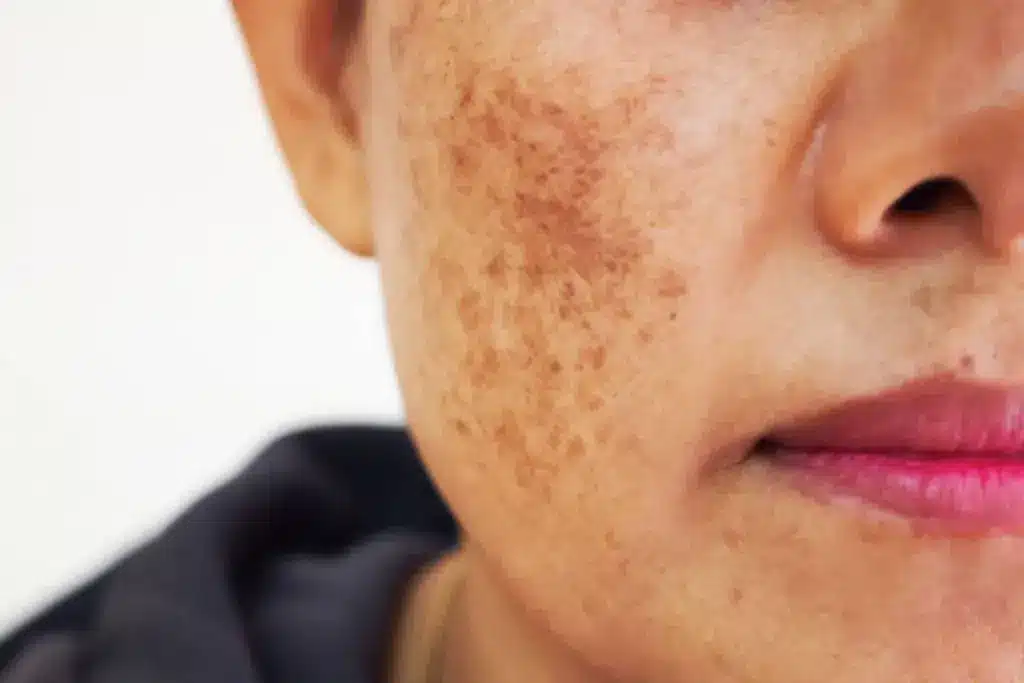
To combat melasma, it’s essential to understand the importance of sun protection. Melasma, a condition characterized by patches of discoloration on the skin, is significantly influenced by sun exposure. UV rays stimulate the production of melanin, the pigment responsible for skin color, thereby exacerbating melasma. Effective sun protection is not just about preventing further darkening of the patches but also about maintaining overall skin health.
Best Sunscreens for Sensitive Skin
Choosing the right sunscreen is critical, especially for individuals with sensitive skin. Look for sunscreens labeled ‘non-comedogenic’ or ‘hypoallergenic’ as they are less likely to cause irritation. Physical sunscreens containing zinc oxide or titanium dioxide are excellent options because they provide a physical barrier against UV rays and are generally gentle on the skin.
Some recommended sunscreens for sensitive skin include:
- EltaMD UV Clear Broad-Spectrum SPF 46
- CeraVe Sunscreen Lotion SPF 50
- La Roche-Posay Anthelios Melt-In Sunscreen Milk
Protective Clothing and Accessories
In addition to sunscreen, protective clothing and accessories play a vital role in sun protection. Clothing with a UPF (Ultraviolet Protection Factor) rating of 50+ is recommended as it allows only 1/50th of the sun’s UV radiation to pass through. Wide-brimmed hats and sunglasses with UV protection are also essential for shielding your face and eyes from the sun.
|
Protective Gear |
Benefits |
|---|---|
|
UPF 50+ Clothing |
Blocks 99% of UV radiation |
|
Wide-Brimmed Hats |
Shields face, neck, and ears |
|
UV Protective Sunglasses |
Protects eyes and surrounding skin |
Daily Habit Changes for Sun Safety
Adopting daily habits that promote sun safety can significantly impact melasma management. Simple changes include seeking shade, especially during peak sun hours (10 am – 4 pm), and being mindful of reflective surfaces like water and sand that can increase UV exposure.
- Plan your outdoor activities around peak sun hours.
- Use umbrellas or canopies when spending time outdoors.
- Be aware of your surroundings and avoid reflective surfaces.
The Role of Antioxidants in Skin Care
Antioxidants play a vital role in maintaining healthy skin, and their importance cannot be overstated when it comes to treating melasma. By combating free radicals, antioxidants help in reducing oxidative stress, which is a significant factor in the development and exacerbation of melasma.
How Antioxidants Help Melasma
Antioxidants such as vitamin C, vitamin E, and ferulic acid are known for their ability to brighten and protect the skin. They work by neutralizing free radicals, thereby reducing the appearance of hyperpigmentation and preventing further damage. Vitamin C, for instance, is particularly effective in brightening the skin and enhancing collagen production, which can help in reducing the appearance of fine lines and wrinkles associated with melasma.
- Vitamin C: Enhances collagen production and brightens the skin.
- Vitamin E: Protects the skin from damage caused by free radicals.
- Ferulic Acid: Enhances the stability of vitamins C and E, thereby improving their effectiveness.
Best Natural Sources of Antioxidants
Incorporating antioxidant-rich products and foods into your routine can significantly enhance your skin’s health. Some of the best natural sources of antioxidants include:
- Green tea, which is rich in catechins.
- Berries such as blueberries and strawberries, which are high in vitamin C.
- Nuts and seeds, which are rich in vitamin E.
Using products that contain these natural antioxidants can be an effective way to support your skin care routine.
Incorporating Antioxidants into Your Routine
To effectively incorporate antioxidants into your skincare routine, consider the following tips:
- Use a serum or cream that contains antioxidants like vitamin C or ferulic acid.
- Include antioxidant-rich foods in your diet, such as berries and leafy greens.
- Avoid excessive sun exposure, as UV rays can deplete antioxidant levels in the skin.
By combining these approaches, you can maximize the benefits of antioxidants for your skin and enhance your overall melasma treatment plan.
Lifestyle Changes to Reduce Melasma
Beyond topical treatments, certain lifestyle adjustments can help mitigate melasma. By incorporating simple changes into your daily routine, you can potentially reduce the appearance of melasma and improve overall skin health.
Stress Management Techniques
Stress is known to trigger hormonal fluctuations, which can exacerbate melasma. Engaging in stress-reducing activities such as meditation and yoga can help manage stress levels. These practices not only promote relaxation but also contribute to overall well-being.
“Yoga is not just a physical practice, but a journey towards inner peace and balance, which can reflect positively on your skin.” –
In addition to meditation and yoga, other stress management techniques include deep breathing exercises and mindfulness practices. Incorporating these into your daily routine can help reduce stress and potentially alleviate melasma symptoms.
Importance of Sleep for Skin Health
Adequate sleep is crucial for skin health as it allows the skin to repair and regenerate. During sleep, the body repairs damaged cells, builds bone and muscle, and strengthens the immune system. Ensuring you get 7-8 hours of sleep per night can help improve skin health and reduce the appearance of melasma.
- Establish a consistent sleep schedule
- Create a sleep-conducive environment
- Avoid caffeine and electronics before bedtime
Regular Exercise Benefits
Regular physical activity improves circulation, boosts overall health, and can contribute to better skin health. Exercise helps in reducing stress and improving hormonal balance, both of which can impact melasma. Aim for at least 30 minutes of moderate-intensity exercise per day.
|
Lifestyle Change |
Benefit for Melasma |
|---|---|
|
Stress Management |
Reduces hormonal fluctuations |
|
Adequate Sleep |
Allows skin repair and regeneration |
|
Regular Exercise |
Improves circulation and overall health |
By implementing these lifestyle changes, individuals can potentially reduce the appearance of melasma and improve their overall skin health. It’s about making sustainable changes that contribute to a healthier lifestyle.
DIY Natural Masks for Melasma Reduction
Treating melasma naturally involves more than just topical creams; it includes nourishing face masks that can help reduce its appearance. Homemade masks, in particular, offer a promising avenue for managing melasma due to their customizable nature and the use of natural ingredients.
Ingredients to Use in Homemade Masks
Several natural ingredients are known for their beneficial effects on the skin, particularly in reducing melasma. Turmeric, with its active compound curcumin, has potent anti-inflammatory and antioxidant properties. Honey is another ingredient that is not only soothing but also has antibacterial properties, which can help in maintaining healthy skin. Yogurt, rich in lactic acid, gently exfoliates and brightens the skin.
Other ingredients that can be beneficial include:
- Aloe vera for its soothing and healing properties
- Cucumber for its cooling effect and ability to reduce puffiness
- Lemon juice for its natural bleaching properties, though it should be used cautiously to avoid irritation
How to Apply and When to Use
To get the most out of your homemade masks, it’s essential to apply them correctly. Start by cleansing your face thoroughly. Then, apply a thin, even layer of the mask, avoiding the delicate skin around your eyes. Leave the mask on for about 15-20 minutes, or as directed by the specific recipe you’re using.
Rinse the mask off with lukewarm water, followed by a cool water rinse to close the pores. Pat dry with a clean towel. It’s generally recommended to use these masks once or twice a week for optimal results.
“The simplicity of making your own face masks at home is not only cost-effective but also allows you to tailor the ingredients to your skin type and needs.”
— Skincare Expert
Recommended Frequency of Use
Consistency is key when using homemade masks for melasma. Using these masks once or twice a week is typically recommended. Overuse can lead to skin irritation or dryness, so it’s crucial to find a balance that works for your skin type.
By incorporating these DIY natural masks into your skincare routine, you can take a proactive step towards reducing the appearance of melasma and achieving healthier, more radiant skin.
When to Seek Medical Advice for Melasma
Understanding the limitations of natural treatments for melasma is vital for effective management. While home remedies and lifestyle changes can significantly improve the condition, there are instances where professional medical advice is necessary.
Signs You Should Consult a Dermatologist
If you notice any of the following, it may be time to consult a dermatologist: persistent or worsening melasma, ineffective natural treatments, or significant skin discoloration affecting your self-esteem. A dermatologist can provide a thorough assessment and recommend appropriate treatments.
Key indicators for seeking medical advice include:
- Increased pigmentation despite consistent natural treatment
- Spreading of melasma to new areas
- Uncertain diagnosis or suspicion of an underlying condition
Treatment Options Beyond Natural Remedies
Professional care offers various treatments that can be used alongside or instead of natural remedies. These include chemical peels, microdermabrasion, and prescription medications such as hydroquinone or tretinoin. According to a dermatologist, “Combining natural treatments with medical interventions can yield better results for some patients.”
“The key to managing melasma effectively is understanding when to seek professional help and being open to a combination of treatment approaches.” – A Dermatologist
Some of the advanced treatments available include:
- Chemical peels to reduce pigmentation
- Laser therapy to target melanin
- Microdermabrasion for skin exfoliation
What to Expect from Professional Care
When you consult a dermatologist, you can expect a comprehensive skin evaluation, personalized treatment recommendations, and guidance on how to integrate medical treatments with your existing natural remedy routine. Professional care can offer a more targeted approach to managing melasma, potentially leading to better outcomes.
By understanding when to seek medical advice and what professional care entails, you can take a more holistic approach to managing melasma, combining the best of natural treatments with the effectiveness of medical interventions.
Conclusion: Embracing a Natural Approach to Melasma
Treating melasma on the face naturally requires a multi-faceted approach that incorporates various natural remedies and lifestyle changes. By understanding how to treat melasma on face naturally, individuals can effectively manage the condition and achieve healthier, more radiant skin.
Effective Combination Therapy
Combining different natural methods, such as using aloe vera, vitamin C, and green tea extract, along with dietary changes and sun protection, can enhance the effectiveness of melasma treatment. This comprehensive approach is key to finding a natural cure for melasma.
Patience and Consistency
It’s crucial to be patient and consistent when using natural remedies, as they may take time to show results. Cure for melasma home remedies can be effective, but they require commitment and persistence. By maintaining a consistent skincare routine and making necessary lifestyle adjustments, individuals can reduce the appearance of melasma over time.
FAQ
What are some natural remedies for melasma?
Some effective natural remedies for melasma include aloe vera, vitamin C, green tea extract, and certain essential oils like lemon and lavender oil. These ingredients can help reduce the appearance of melasma and promote healthier skin.
Can essential oils help with melasma treatment?
Yes, certain essential oils like lemon and lavender oil have been shown to have a lightening effect on the skin and can be used to help treat melasma. However, it’s crucial to use these oils safely by diluting them with carrier oils and performing patch tests.
How can dietary changes help manage melasma?
Incorporating anti-inflammatory foods like turmeric, ginger, and omega-3 rich foods into your diet can help reduce inflammation associated with melasma. Avoiding foods that can trigger or worsen melasma, such as those high in sugar and dairy, is also beneficial.
Why is sun protection important for melasma management?
Sun protection is critical in managing melasma, as UV rays can exacerbate the condition. Using sunscreens with high SPF, wearing protective clothing, and adopting daily habits like seeking shade and wearing hats can significantly reduce sun-induced melasma.
Can antioxidants help with melasma?
Yes, antioxidants like vitamin C, vitamin E, and ferulic acid can help combat free radicals that can damage the skin and worsen melasma. Incorporating antioxidant-rich products and foods into your routine can enhance your skin’s health and reduce the appearance of melasma.
Are there any lifestyle changes that can help reduce melasma?
Yes, managing stress through techniques like meditation and yoga, getting adequate sleep, and regular exercise can help reduce melasma. These lifestyle changes can improve overall health and contribute to better skin health.
How often should I use DIY natural masks for melasma?
It’s recommended to use DIY natural masks once or twice a week for optimal results. Ingredients like turmeric, honey, and yogurt have anti-inflammatory and brightening properties that can help reduce the appearance of melasma.
When should I seek medical advice for melasma?
If melasma persists or worsens, consulting a dermatologist is advisable. Professional care can offer additional treatments like chemical peels, microdermabrasion, and prescription medications that can help manage melasma more effectively.
What are some home remedies for hyperpigmentation?
Some effective home remedies for hyperpigmentation include using castor oil, turmeric, and lemon juice. These ingredients have natural bleaching and anti-inflammatory properties that can help reduce the appearance of hyperpigmentation.
Can oils lighten the skin?
Yes, certain oils like lemon oil and lavender oil have been shown to have a lightening effect on the skin. However, it’s crucial to use these oils safely and in moderation to avoid any adverse reactions.
References
Nature. Evidence-Based Medical Insight. Retrieved from https://www.nature.com/articles/s41598-023-51133-w