
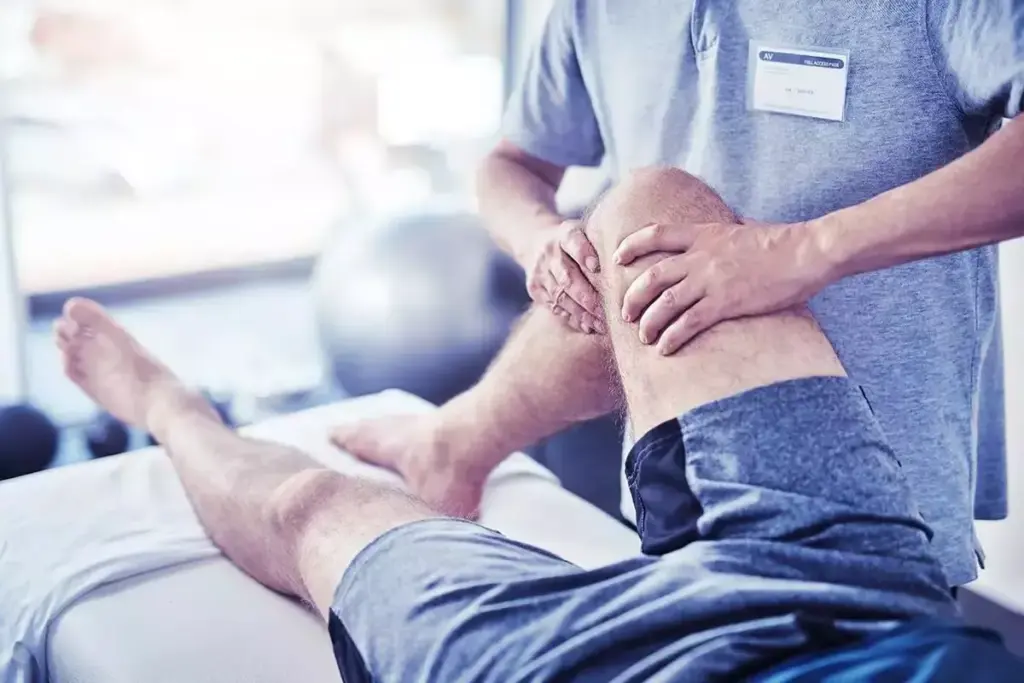
Do you feel sharp pain in the back of your knee when you move or sit? This might mean you have a muscle strain. It could be in the popliteus, hamstring, or calf muscles that help your knee joint.
The popliteus muscle is a small, triangular muscle at the back of your knee. It’s key for your knee to bend properly. At Liv Hospital, we know how tough muscle strain behind the knee can be, mainly for athletes.
Key Takeaways
- Muscle strain behind the knee is common among athletes, like downhill skiers and runners.
- The popliteus muscle is vital for knee function and stability.
- Good treatments include physical therapy and changing how you move.
- The RICE method is often used first to treat muscle strain.
- Getting the right diagnosis is key for a good recovery.
Understanding Muscle Strain Back of Knee
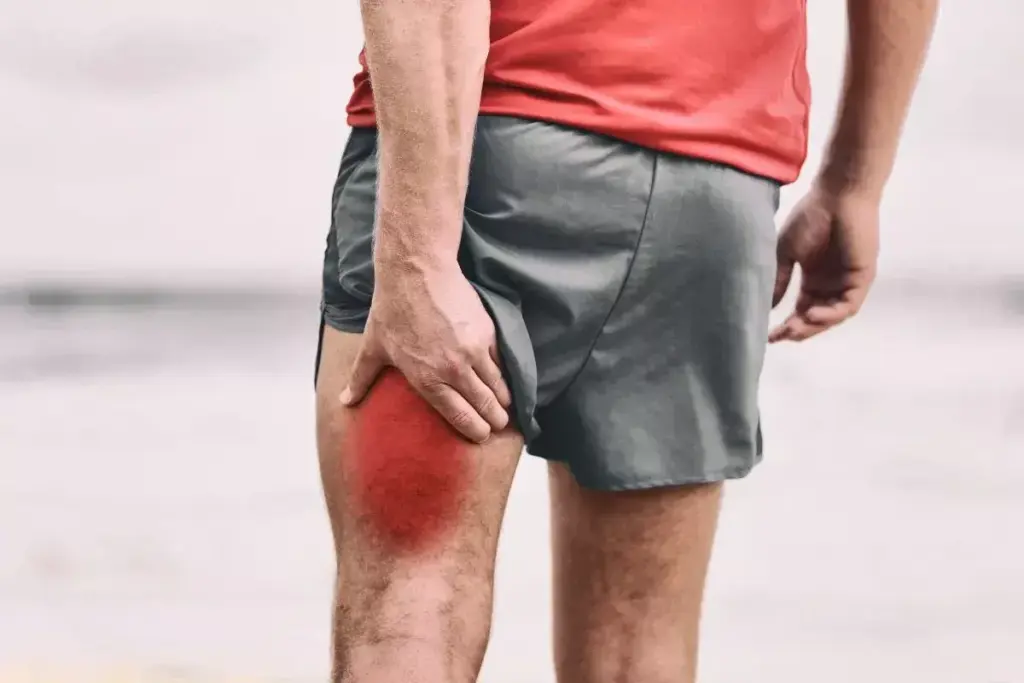
It’s important to know what causes and affects muscle strain behind the knee. This issue can hurt anyone who is active, not just athletes. The hamstring muscles at the back of the thigh often get strained.
Anatomy of the Knee’s Posterior Muscles
The muscles at the back of the knee, like the hamstrings and popliteus, are key for movement and stability. The hamstrings help bend and rotate the knee. The popliteus muscle helps open the knee joint by rotating the femur on the tibia.
Knowing the anatomy helps in diagnosing and treating muscle strain. Strain in one muscle can impact the whole knee.
Types and Severity of Knee Muscle Strains
Knee muscle strains are graded from I to III based on severity. Grade I strains have little damage, while Grade III means a muscle tear.
- Grade I: Mild strain with minimal damage, often presenting with mild pain and stiffness.
- Grade II: Moderate strain with partial muscle tear, characterized by significant pain and some loss of function.
- Grade III: Severe strain with a complete muscle tear, resulting in significant pain, swelling, and loss of knee function.
Knowing how severe the strain is helps choose the right treatment. Treatments range from non-surgical to surgery for severe cases.
Common Causes and Risk Factors
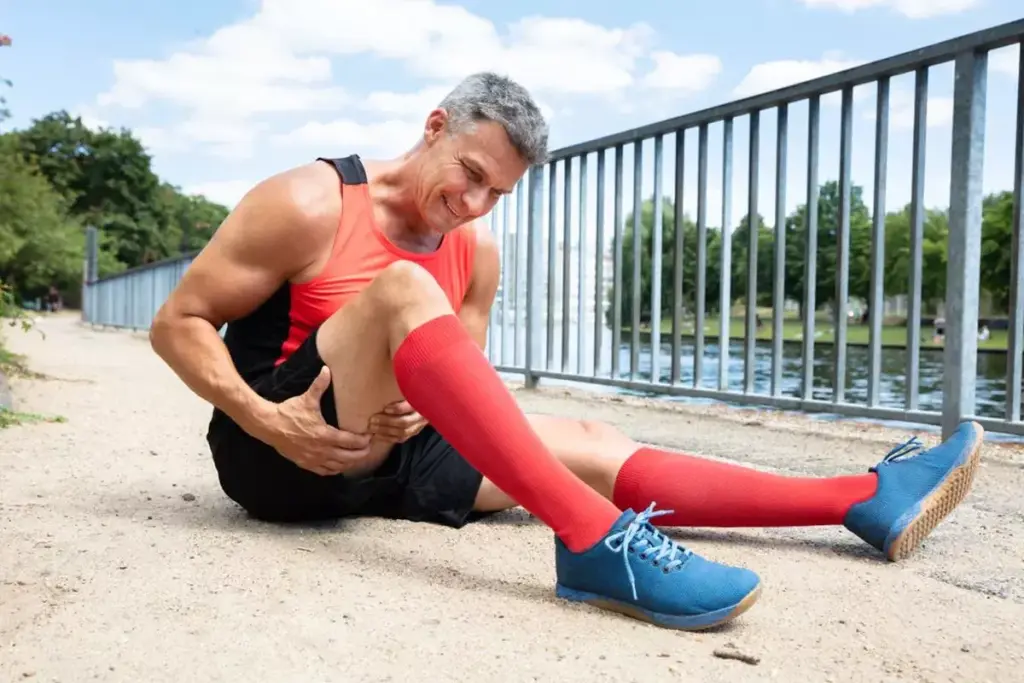
Knowing why muscle strain happens behind the knee is key to preventing and treating it. This type of strain can come from many sources. These include sports, daily activities, and personal risk factors.
Athletic Activities That Strain Knee Muscles
Sports often lead to muscle strain behind the knee. Running, jumping, and quick turns stress the hamstrings a lot. Downhill skiing, running on hills, and triathlon training are high-risk activities.
Downhill skiers face high speeds and falls, which can cause strain. Runners on uneven ground also risk muscle strain from repetitive stress. Athletes in these sports should know the risks and take steps to prevent injuries.
Non-Athletic Causes of Knee Muscle Strain
Non-sports activities can also lead to knee muscle strain. Overworked muscles, ligament injuries, and osteoarthritis are common causes. Jobs that involve heavy lifting or standing for long periods can also cause strain.
Osteoarthritis can lead to knee pain and muscle strain due to cartilage and bone wear. Knowing these causes helps in finding ways to prevent and treat the problem.
Risk Factors for Developing Strains
Several factors can make you more likely to get muscle strain behind the knee. Poor fitness, not warming up or stretching enough, and past injuries are big risks. Age, muscle imbalances, and how your body moves also play a part.
| Risk Factor | Description |
| Poor Physical Conditioning | Lack of regular exercise or inadequate fitness level for the activity being performed. |
| Inadequate Warm-up or Stretching | Not properly preparing the muscles for exercise or physical activity. |
| Previous Injuries | Having a history of muscle or tendon injuries, which can weaken the area and increase susceptibility to further strain. |
For more on knee pain and its causes, check out Medical organization’s page on knee pain. Knowing these risk factors helps in preventing injuries.
Effective Treatment for Muscle Strain Back of Knee
Dealing with a muscle strain behind the knee needs a mix of quick care and medical help. It’s key to start with the right steps to heal right and avoid more harm.
Immediate RICE Protocol
The first step for muscle strain behind the knee is the RICE method: Rest, Ice, Compression, and Elevation. This helps cut down pain and swelling.
- Rest: Stay away from activities that make it worse.
- Ice: Use ice packs for 10 to 15 minutes every few hours.
- Compression: Use wraps to lessen swelling.
- Elevation: Keep the leg up to reduce swelling.
Medical Treatments
For many muscle strain behind the knee cases, medical help is needed. This includes:
- Physical therapy to make muscles stronger and more flexible.
- Changing activities to avoid making it worse.
- Ice or heat to manage pain and swelling.
- Taping or bracing for extra support.
- Medicine, like anti-inflammatory drugs, to lessen pain and swelling.
For more on managing back of knee pain, check out Hinge Health.
Advanced Treatment Options
If first steps don’t work, more advanced options might be needed. These include:
| Treatment | Description | Benefits |
| Laser Therapy | Non-invasive treatment using laser light to promote healing. | Reduces pain and inflammation |
| Ultrasound Therapy | Therapeutic ultrasound to stimulate blood flow and healing. | Enhances recovery, reduces stiffness |
These advanced treatments are great for severe or long-lasting muscle strains. They help speed up recovery.
Conclusion
Treating a strained muscle behind the knee needs a full plan. This includes knowing the causes, looking at treatment options, and taking steps to prevent it. The muscle behind the knee, mainly the hamstring, is key for moving and staying stable. When strained, it can really affect how we move and perform in sports.
How long it takes to get better depends on how bad the strain is. Mild strains usually heal in 1 to 2 weeks. But, if it’s more serious, it might take 3 to 6 weeks, or even up to 3 months for the worst cases. To avoid knee pain, it’s important to keep muscles strong and not sit or stand for too long.
Knowing about the muscle behind the knee and working to strengthen it can lower the chance of strain. We suggest doing exercises to build muscle and making lifestyle changes to keep your knees healthy. This will help your overall health and well-being.
FAQ:
What is the muscle behind your knee?
The muscle behind your knee is mainly the popliteus muscle. It’s key for knee movement. The hamstring muscles also lie behind the knee and can get strained.
What causes muscle strain behind the knee?
Muscle strain can happen from sports like downhill skiing and running. It can also come from sudden stops or quick turns. Overstretching is another cause.
How is muscle strain behind the knee diagnosed?
Doctors use a physical exam and your medical history to diagnose. They might also use imaging tests to see how bad the strain is.
What is the RICE protocol for treating muscle strain behind the knee?
The RICE method is a first step. It stands for Rest, Ice, Compression, and Elevation. It helps lessen pain and swelling and aids in healing.
What role does physical therapy play in treating muscle strain behind the knee?
Physical therapy is key for getting better. It helps regain strength and flexibility. It includes exercises, manual therapy, and teaching how to move right.
Can muscle strain behind the knee be prevented?
Yes, you can prevent it. Doing strengthening exercises and making lifestyle changes helps. Also, learning proper training techniques is important.
What are the advanced treatment options for severe muscle strain behind the knee?
For serious cases, treatments like corticosteroid injections or PRP therapy might be used. In some cases, surgery is needed.
How long does it take to recover from a muscle strain behind the knee?
Recovery time depends on the strain’s severity. Minor strains might heal in a few days to a week. But, more serious ones can take weeks or even months.
References:
National Center for Biotechnology Information. Evidence-Based Medical Insight. Retrieved from https://pmc.ncbi.nlm.nih.gov/articles/PMC6122944/[6