
Open angle glaucoma is often called the “silent thief of sight.” It’s a major cause of blindness worldwide, affecting millions, including over 3 million Americans. This condition slowly raises eye pressure, which can harm the optic nerve. Effective management of glaucoma is key to saving vision.
We know that individualized patient care is vital for treating this condition. Today, we use a mix of medicines, lasers, and surgery to control eye pressure. With a detailed treatment plan, we can greatly lower the risk of vision loss from open angle glaucoma.
Key Takeaways
- Open angle glaucoma is a significant public health concern worldwide.
- Effective glaucoma management involves individualized patient care.
- Modern treatment approaches include pharmacological therapies and surgical interventions.
- Lowering intraocular pressure is key to preventing vision loss.
- Early detection and treatment are vital in managing the condition.
Understanding Open Angle Glaucoma
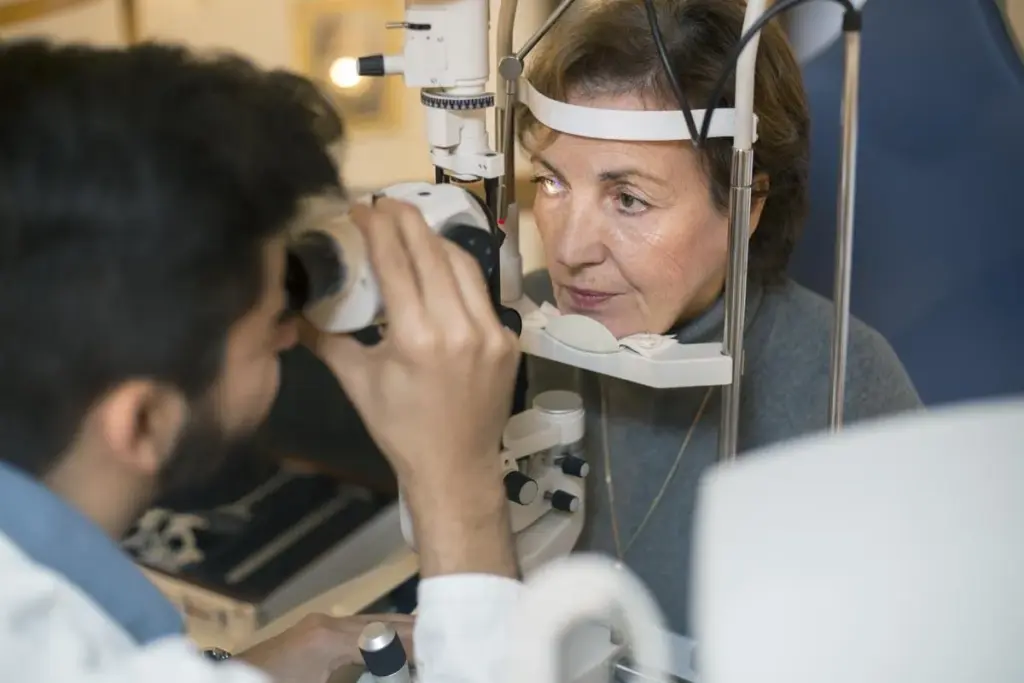
Open angle glaucoma is a major cause of blindness. It’s important to know about it for good glaucoma management. This condition damages the optic nerve over time, often because of high eye pressure. It’s called “open angle” because the eye’s drainage channels are open, unlike in angle-closure glaucoma.
What Causes Open Angle Glaucoma
The exact cause of open angle glaucoma is not fully known. It’s thought to be due to genetics, eye shape, and blood flow. Elevated IOP is a big risk factor because it puts pressure on the optic nerve. Other factors include poor blood flow to the optic nerve and a thin cornea.
Risk Factors and Prevalence in the US
Several factors increase the risk of getting open angle glaucoma. These include:
- Age: The risk goes up after 40.
- Family history: Having a family history of glaucoma raises your risk.
- Diabetes: People with diabetes are more likely to get glaucoma.
- High blood pressure: Hypertension increases your risk.
- Certain ethnic backgrounds: African Americans and Hispanics/Latinos are at higher risk.
More than 1% of people over 40 have open angle glaucoma. This number goes up to 5% for those over 75. Over 3 million Americans are living with this condition.
| Risk Factor | Description | Impact on Risk |
| Age | Increased risk after 40 years | Significantly higher after 75 years |
| Family History | Presence of glaucoma in first-degree relatives | Increased risk |
| Diabetes | Presence of diabetes mellitus | Higher likelihood |
| High Blood Pressure | Hypertension | Associated with increased risk |
Regular eye exams are key for catching glaucoma early, which is important for high-risk groups. Knowing these risk factors helps us find people who need early treatment to avoid losing their vision.
Medical Open Angle Glaucoma Treatment Options
Managing open angle glaucoma involves medical treatments that lower eye pressure. We’ll look at the main treatments, including first choices, mixtures of drugs, and new ways to deliver medicine.
First-Line Medications: Prostaglandin Analogs
Prostaglandin analogs are key in treating open angle glaucoma. They help by making more fluid leave the eye, which lowers pressure. Latanoprost, bimatoprost, and tafluprost are examples. They’re easy to take once a day, making them a top pick for starting treatment.
Other Medication Classes and Combinations
When more pressure reduction is needed, other drugs are used. These include:
- Beta-blockers: Cut down on fluid in the eye.
- Alpha-agonists: Lower fluid in the eye and help it leave.
- Carbonic anhydrase inhibitors: Reduce fluid in the eye.
Using more than one drug at a time is common. This helps control eye pressure better. Fixed-combination drugs make it easier for patients to stick to their treatment plan.
| Medication Class | Mechanism of Action | Examples |
| Prostaglandin Analogs | Increase aqueous humor outflow | Latanoprost, Bimatoprost |
| Beta-blockers | Reduce aqueous humor production | Timolol, Betaxolol |
| Alpha-agonists | Decrease aqueous humor production and increase outflow | Brimonidine |
Emerging Drug Therapies and Delivery Systems
New treatments for open angle glaucoma are being studied. Sustained-release implants release medicine for months, not daily. Rho kinase inhibitors are also being researched. They work by helping fluid leave the eye more easily.
These new ideas aim to make treatment better by being more effective and easier to follow. As research goes on, we’ll see even more ways to manage open angle glaucoma.
Surgical and Laser Interventions for Glaucoma
When medicine alone isn’t enough, surgical and laser interventions can help manage open angle glaucoma. These treatments are used when medicines don’t work or in severe cases of glaucoma.
Laser trabeculoplasty and Minimally Invasive Glaucoma Surgery (MIGS) are less invasive. They aim to reduce the need for daily eye drops. These methods help improve fluid drainage, lowering eye pressure.
Laser Trabeculoplasty Procedures
Laser trabeculoplasty is a non-invasive method. It uses a laser to enhance fluid drainage from the eye, lowering eye pressure. There are different types, including:
- Argon Laser Trabeculoplasty (ALT)
- Selective Laser Trabeculoplasty (SLT)
- Pattern Scanning Laser Trabeculoplasty (PSLT)
These procedures are done in an outpatient setting and have a quick recovery. Learn more about glaucoma treatments.
Minimally Invasive Glaucoma Surgery (MIGS)
MIGS procedures are less invasive than traditional surgeries. They offer a faster recovery and fewer complications. These include:
- iStent
- XEN Gel Stent
- Hydrus Microstent
MIGS can be done alone or with cataract surgery. This makes them a flexible option for glaucoma patients.
Traditional Filtering Surgeries
In advanced glaucoma cases, traditional surgeries like trabeculectomy may be needed. These surgeries create a new drainage channel. This helps fluid leave the eye, lowering pressure.
Trabeculectomy is for those with severe glaucoma or who haven’t responded to other treatments. While effective, these surgeries have more risks than MIGS or laser trabeculoplasty.
Understanding the different surgical and laser interventions helps patients and doctors choose the best treatment for open angle glaucoma.
Conclusion
Early detection and treatment of open angle glaucoma are key to preventing vision loss. Understanding the causes, risk factors, and treatment options helps patients work with their healthcare providers. Together, they can create a personalized treatment plan.
Effective treatment for glaucoma includes lowering intraocular pressure through various methods. This includes medical therapies and surgical interventions. Glycoma treatment and glacoma treatment options range from first-line medications to minimally invasive glaucoma surgery (MIGS) and traditional filtering surgeries.
By reducing IOP, patients can slow the progression of glaucoma. This helps preserve their vision and quality of life. We stress the importance of individualized patient care. Each patient should receive the most appropriate treatment for glaucoma based on their specific needs.
FAQ
What is open angle glaucoma, and how is it treated?
Open angle glaucoma is a long-term eye condition. It damages the optic nerve over time, often because of high eye pressure. Doctors use medicines, laser therapy, and surgery to lower eye pressure and stop vision loss.
What are the risk factors for developing open angle glaucoma?
Risk factors include age, family history, and ethnicity. Diabetes, high blood pressure, and certain medicines also increase risk. Regular eye exams are key for early detection, mainly for those at higher risk.
What are the first-line medications for treating open angle glaucoma?
Doctors often start with prostaglandin analogs to lower eye pressure. Beta-blockers and alpha-agonists might be added to control pressure better.
What are the benefits and risks of laser trabeculoplasty procedures?
Laser trabeculoplasty helps eye pressure by improving outflow. It’s less invasive and has fewer risks. But, it might not work for everyone, and some may need more treatments.
What is Minimally Invasive Glaucoma Surgery (MIGS), and how does it differ from traditional surgery?
MIGS is less invasive than traditional surgeries. It offers quicker recovery and fewer complications. MIGS aims to lower eye pressure by improving outflow or reducing fluid production.
How can I manage my open angle glaucoma treatment plan?
Stick to your treatment plan and attend regular check-ups. Making lifestyle changes can also help manage the condition. Work closely with your doctor to adjust your treatment as needed.
Are there any new and emerging treatments for open angle glaucoma?
Yes, new drug therapies and delivery systems are being developed. These aim to improve treatment by making it more effective and easier to follow.
Can open angle glaucoma be cured?
Open angle glaucoma can’t be cured, but early treatment can prevent vision loss. Treatment aims to control eye pressure and slow disease progression, helping preserve vision and quality of life.
How often should I have my eyes checked for open angle glaucoma?
Regular eye exams are vital, more so for those at high risk. The exam frequency depends on your risk factors and the disease’s presence.
References
National Center for Biotechnology Information. Evidence-Based Medical Insight. Retrieved from https://pubmed.ncbi.nlm.nih.gov/24974815/