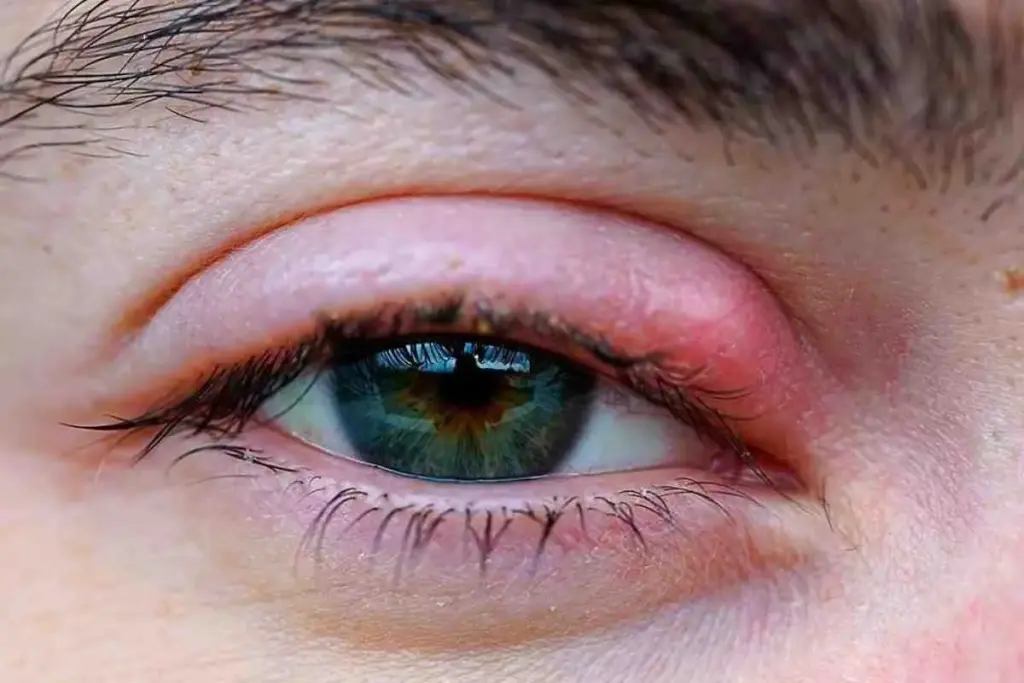
Scleritis is a serious disease that affects the sclera. It causes eye pain, redness, and swelling. If not treated, it can lead to vision loss. At Liv Hospital, we know how important quick medical help is for this serious condition.
Scleritis, or inflammation of the sclera, can make your eye hurt and look red. It can also cause vision problems. The most common type, anterior scleritis, happens when the inflammation is in front of the eye muscles. Knowing how to treat swollen eye sclera is key to avoiding long-term damage.
Key Takeaways
- Scleritis is a painful inflammatory eye disease that affects the sclera.
- Prompt medical attention is necessary to prevent serious complications.
- Liv Hospital offers complete care for patients with scleritis.
- Anterior scleritis is the most common form of the condition.
- Untreated scleritis can lead to vision loss.
Understanding Scleritis When the White Part of Eye is Swollen
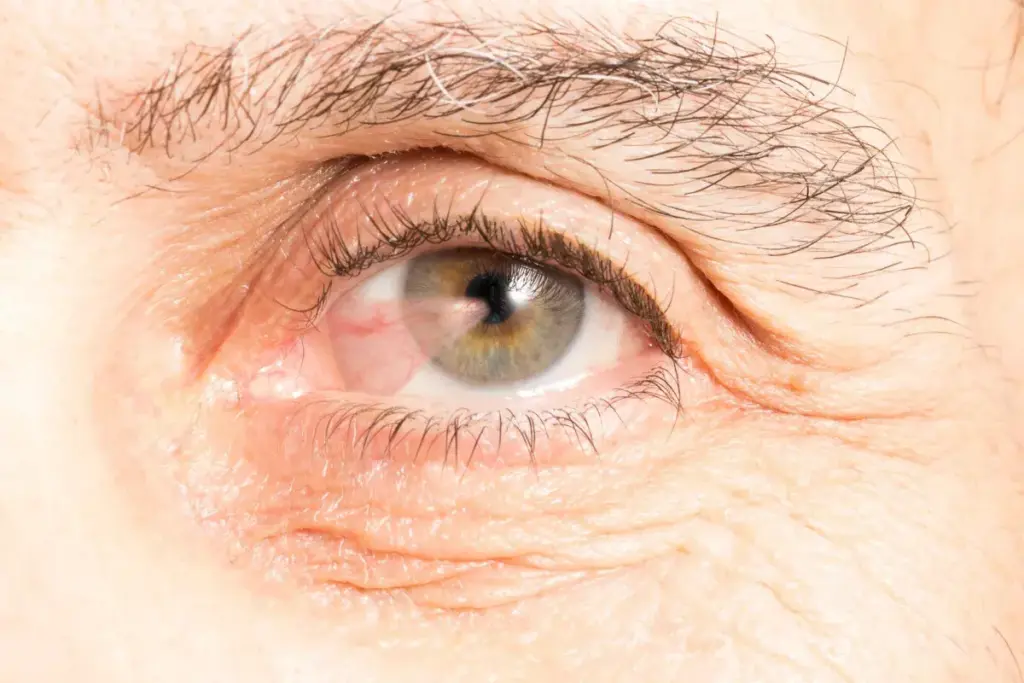
Scleritis is an inflammation of the sclera, causing pain, redness, and swelling. It affects the white part of the eye. If not treated, it can be very debilitating. We will look into scleritis, its prevalence, symptoms, and types.
What is Scleritis and Its Prevalence
Scleritis is a serious eye disease that inflames the sclera, the white outer wall of the eye. It affects about 2.67 to 6.8 cases per 100,000 person-years. Globally, it has a prevalence of about 35.4 cases per 100,000 persons.
It is more common in women, making up 62.5% to 67% of cases. The average age of onset is 48 to 58 years.
For more detailed information on scleritis, you can visit Understanding Scleritis. It offers in-depth insights into the condition.
Recognizing Symptoms: Pain, Redness, and Swelling
Scleritis symptoms include pain, redness, and swelling of the eye. The pain is often severe and deep. Redness and swelling come from the inflammation of the sclera.
Other symptoms are sensitivity to light, tearing, and decreased vision. Spotting these symptoms early is key for timely treatment.
Types of Scleritis and Their Severity
Scleritis can be classified into different types based on the area affected and inflammation severity. The main types are anterior and posterior scleritis. Anterior scleritis makes up about 98% of cases.
Anterior scleritis can be further divided into diffuse, nodular, and necrotizing subtypes. Diffuse scleritis is the most common, with widespread inflammation. Knowing the type and severity is vital for treatment.
The severity of scleritis can vary, from mild to severe. Necrotizing scleritis is the most severe and carries a higher risk of complications, including vision loss. Early diagnosis and treatment are essential for effective management.
Causes and Diagnosis Before Treatment
Scleritis is a serious eye condition that needs a detailed diagnosis. It’s a complex disease linked to many autoimmune conditions.
Connection to Autoimmune Conditions
About 50% of people with scleritis also have a systemic autoimmune condition. Rheumatoid arthritis is the most common one. Lupus and vasculitis are also connected to scleritis.
“The presence of scleritis often indicates a more severe underlying autoimmune condition,” doctors say. Scleritis is not just an eye problem but can show a bigger issue in the body.
The Diagnostic Process for Scleritis
To diagnose scleritis, doctors do a full eye check and ask about your medical history. They might check your blood pressure, kidney function, and more. They also test for autoantibodies.
- Complete eye examination to assess the extent of inflammation
- Laboratory tests to identify associated autoimmune conditions
- Imaging studies to rule out other conditions
Distinguishing Scleritis from Other Eye Conditions
Scleritis is different from other eye problems like episcleritis. It causes a lot of pain and can lead to vision loss. Getting a correct diagnosis is key to treating it right.
We stress the need for a precise diagnosis. It helps doctors make the right treatment plans and improve patient results.
Effective Treatment Options for Scleritis
Understanding scleritis is key to managing it. Treatment plans are made to fit each person’s needs. They consider the type and how severe the scleritis is.
Medical Treatments: Corticosteroids and Immunosuppressants
Non-infectious scleritis often gets better with corticosteroids like prednisone. These drugs help reduce swelling and pain. For those who don’t get better or have severe cases, immunosuppressants might be needed.
For mild to moderate scleritis, oral NSAIDs are usually the first step. Corticosteroids are used for those who don’t get better or have severe cases. If corticosteroids don’t work, immunomodulatory therapy is considered.
| Treatment Option | Indication | Benefits |
| Oral NSAIDs | Mild to moderate scleritis | Reduces inflammation and pain |
| Corticosteroids | Severe or unresponsive scleritis | Effective in reducing inflammation |
| Immunosuppressants | Inadequate response to corticosteroids | Modulates immune response |
Managing Pain and Inflammation at Home
There are ways to manage pain and swelling at home. Using warm compresses on the eye can help with pain and swelling.
Keeping a healthy lifestyle is also important. Eating well and exercising regularly helps eye health.
Long-term Management and Prevention Strategies
Managing scleritis long-term means regular check-ups with an eye doctor. This helps keep the condition under control. It’s also important to manage any autoimmune diseases and avoid triggers.
Working with healthcare providers helps create a treatment plan. This plan addresses specific needs and lowers the risk of complications.
Conclusion
Scleritis is a serious eye condition that causes inflammation in the sclera, the white outer layer of the eye. It’s important to know about scleritis, its causes, symptoms, and treatments to manage it well. We’ve covered the basics of scleritis, including its link to autoimmune diseases and how doctors diagnose it.
If symptoms don’t go away or get worse, you need to see a doctor right away. Doctors use treatments like corticosteroids and immunosuppressants to help. They also teach ways to manage pain and swelling at home. For more info on eye conditions, check out European Eye Center.
Managing scleritis long-term is key to controlling it and avoiding serious problems. By understanding the condition and its treatment, people can protect their eye health. Handling scleritis well means dealing with both its physical and emotional sides.
FAQ
What is scleritis?
Scleritis is a painful eye disease. It affects the sclera, the white outer layer of the eye. This causes severe eye pain, redness, and swelling.
What are the symptoms of scleritis?
Symptoms include severe eye pain, redness, and swelling. If not treated, it can cause serious vision problems.
What are the different types of scleritis?
There are different types, like anterior and posterior scleritis. They vary in severity and how they affect vision.
Is scleritis related to autoimmune conditions?
Yes, it’s often linked to autoimmune diseases like rheumatoid arthritis. These can trigger the inflammation.
How is scleritis diagnosed?
Diagnosing scleritis involves several steps. This includes lab tests and eye exams to rule out other conditions.
What are the treatment options for scleritis?
Treatments include medicines like corticosteroids and immunosuppressants. They help reduce inflammation and manage pain.
How can I manage pain and inflammation at home?
At home, follow your treatment plan. Use strategies to ease discomfort and reduce swelling.
How can scleritis be prevented from recurring?
Long-term management and prevention strategies can help avoid recurrence and complications.
What happens if scleritis is left untreated?
Untreated scleritis can lead to serious issues, like vision loss. This shows why quick medical attention is vital.
Can scleritis cause vision loss?
Yes, if not treated or managed well, scleritis can cause vision loss.
What is the importance of understanding scleritis?
Knowing about scleritis, its causes, symptoms, and treatments is key. It helps manage the disease and prevent complications.