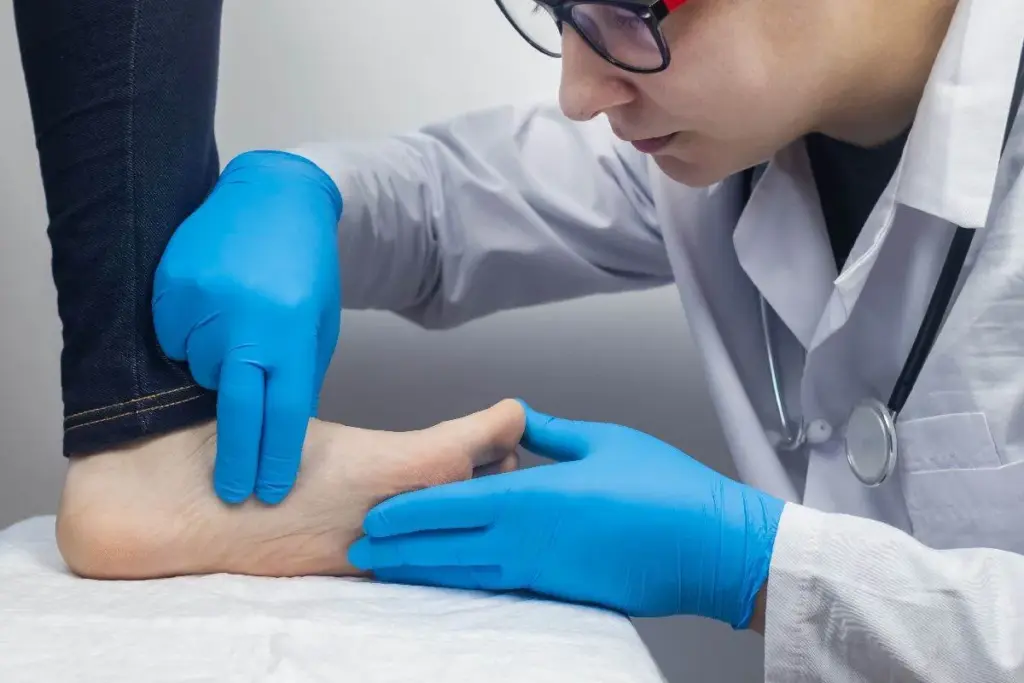
Synovitis, or inflammation of the synovial membrane, affects millions worldwide. It causes significant discomfort and impairs quality of life. Understanding this condition is key for effective management. The synovial membrane lines joints, and its inflammation leads to pain, swelling, and reduced mobility.
At Liv Hospital, we understand the complexity of synovitis and the need for complete care. Our mission is to deliver top-notch healthcare with full support for international patients. The main aim of synovitis treatment is to lessen swelling and pain. This improves mobility and overall well-being.
Key Takeaways
- Synovitis is inflammation of the synovial membrane, causing pain and discomfort.
- Effective management is key to improve quality of life.
- The main goal is to decrease swelling and pain.
- Comprehensive care is needed for the best outcomes.
- Liv Hospital offers world-class healthcare for international patients.
Understanding Synovitis and Its Impact
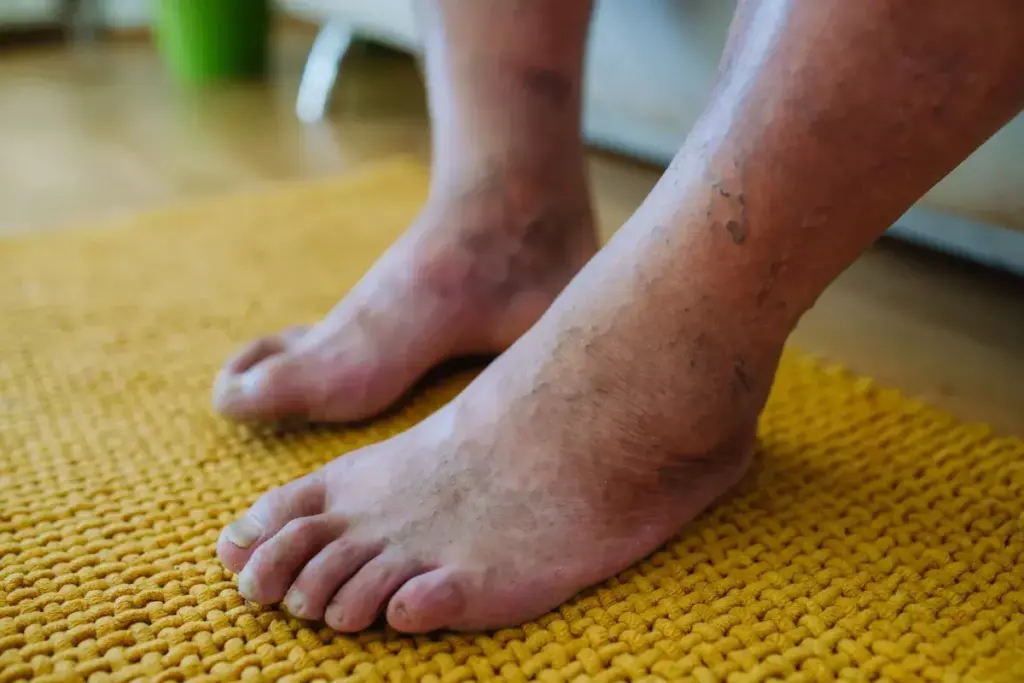
Synovitis is a condition where the synovium, a special tissue, gets inflamed. This tissue lines joints and tendons. It helps keep joints healthy by making synovial fluid, which lubricates and allows for smooth movement.
What Is Synovitis and How Does It Develop?
Synovitis can happen due to injury, overuse, or diseases like rheumatoid arthritis. When the synovium gets inflamed, it causes pain, swelling, and stiffness in the joint. This can be short-term or long-lasting, depending on the cause.
The process of synovitis involves many factors, like immune cells and cytokines. Knowing how these work helps doctors find better treatments. For example, in rheumatoid arthritis, the immune system attacks the synovium, causing ongoing inflammation.
Common Symptoms and Affected Joints
Symptoms of synovitis vary based on how severe and where the inflammation is. Common signs include:
- Joint pain and tenderness
- Swelling and redness around the joint
- Reduced range of motion
- Warmth or heat around the affected joint
Synovitis often affects the knees, hands, and wrists. In the hands, it can cause a lot of disability because of the joints’ complex structure. Knees are also commonly affected, often due to injury or osteoarthritis.
Knowing the symptoms and which joints are usually affected helps in getting medical help early. Early treatment is key to managing synovitis and preventing long-term damage.
Effective Synovitis Treatment Options

Managing synovitis needs a mix of treatments. Each patient’s case is different, so we tailor treatments to fit their needs and symptoms.
Medication-Based Approaches
Medicine is key in treating synovitis. Oral and topical NSAIDs help reduce swelling and pain. For severe cases, intra-articular glucocorticoid injections might be suggested.
NSAIDs and corticosteroid injections are part of a full treatment plan. They help lessen inflammation, making joints work better and feel more comfortable.
Non-Pharmacological Interventions
There’s more to treating synovitis than just medicine. Physical therapy helps keep joints moving and muscles strong. Changing your lifestyle, like losing weight or avoiding certain activities, also helps manage symptoms.
We help patients create personalized exercise and lifestyle plans. These plans work together with medical treatments to improve results.
Treatment Approaches for Specific Joints
Synovitis can hit different joints in different ways. For example, treatment for synovitis of the knee might include exercises to strengthen muscles and improve stability.
For shoulder synovitis, therapy focuses on keeping the joint moving and reducing swelling. We customize treatments for each joint’s unique challenges.
| Treatment Approach | Description | Benefit |
| Oral NSAIDs | Medications taken orally to reduce inflammation | Reduces pain and inflammation |
| Topical NSAIDs | Creams or gels applied directly to the affected joint | Localized relief with fewer systemic side effects |
| Intra-articular Glucocorticoid Injections | Corticosteroid injections into the joint | Significant reduction in inflammation for severe cases |
| Physical Therapy | Exercises to maintain joint mobility and strengthen muscles | Improves joint function and reduces stiffness |
Conclusion
Understanding synovitis and its effects on joints is key to managing it well. Synovitis, also known as inovitis or synovitus, causes inflammation in the synovial membrane. This leads to pain and less function in the joints. Knowing the symptoms helps patients get medical help on time.
We’ve talked about different ways to treat synovitis, like medicines and non-medical methods. Treating synovitis well can greatly help patients. It can lessen pain and improve how well joints work. A good treatment plan helps patients get better and keep their joints healthy.
If you think you have synovitis, see a doctor right away. They can help find the best treatment for you. With the right care, you can manage your condition and live better.
FAQ
What is synovitis?
Synovitis is inflammation of the synovial membrane that lines joints, causing swelling, pain, and stiffness.
What are the common symptoms of synovitis?
Symptoms include joint swelling, warmth, pain, stiffness, and limited range of motion.
Which joints are most commonly affected by synovitis?
Synovitis most commonly affects the knees, shoulders, elbows, hips, and fingers.
What causes synovitis?
Causes include injury, overuse, autoimmune conditions, infections, and underlying arthritis.
How is synovitis diagnosed?
Diagnosis is made through physical examination, medical history, and imaging such as ultrasound or MRI, sometimes supported by joint fluid analysis.
What are the treatment options for synovitis?
Treatment includes rest, anti-inflammatory medications, corticosteroid injections, physical therapy, and addressing the underlying cause.
Can synovitis be treated without surgery?
Yes, most cases respond to conservative treatments and rarely require surgical intervention.
How can I manage synovitis symptoms at home?
Home management includes rest, ice, compression, elevation, gentle exercises, and over-the-counter pain relief.
What is the role of physical therapy in treating synovitis?
Physical therapy helps restore joint mobility, strengthen muscles, reduce pain, and prevent stiffness.
Are there any lifestyle changes that can help manage synovitis?
Maintaining a healthy weight, regular low-impact exercise, avoiding joint overuse, and a balanced diet can help manage synovitis.
What is the prognosis for someone with synovitis?
With proper treatment, synovitis often improves, though chronic or untreated cases may lead to joint damage and persistent symptoms.
References
National Center for Biotechnology Information. Evidence-Based Medical Insight. Retrieved from https://pmc.ncbi.nlm.nih.gov/articles/PMC8803784/