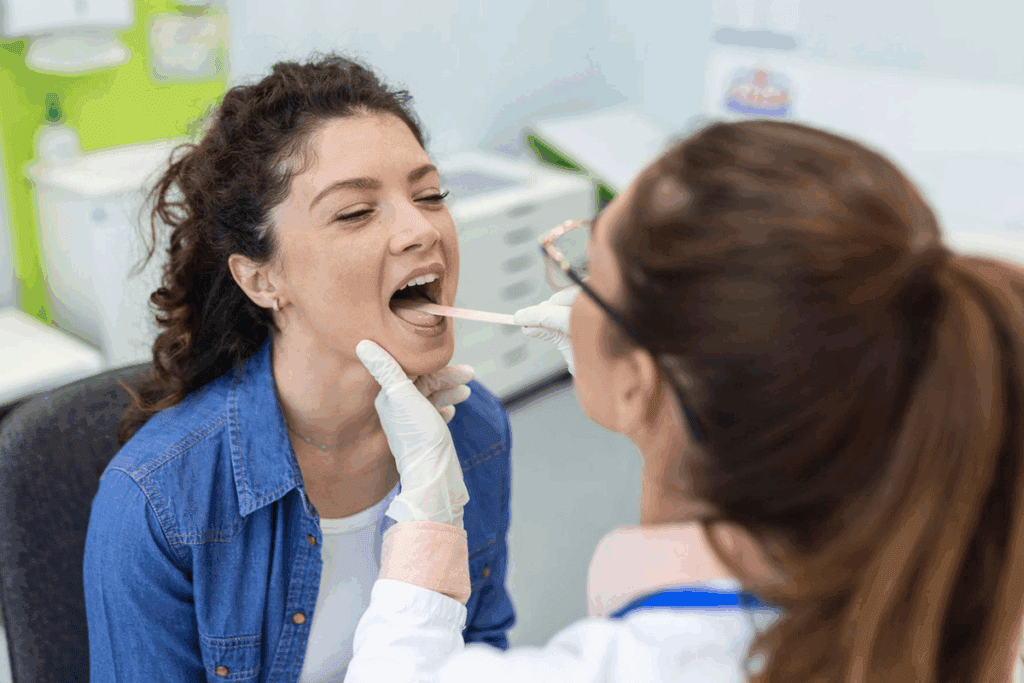
Tongue cancer treatment has made big strides, giving patients new hope. A comprehensive treatment plan is key for good care.how to treat tongue cancerTongue Cancer Symptoms: Early Signs
At Liv Hospital, we use specialized surgery, radiotherapy, and innovative therapies to get the best results. We base treatment on the cancer’s location, growth rate, and if it has spread.
We take a team approach to care, focusing on patient-centered care. This means combining precise surgery with the latest in radiation and chemotherapy.
Key Takeaways
- Multidisciplinary treatment plans improve tongue cancer outcomes.
- Treatment choices depend on cancer location, growth rate, and spread.
- Specialized surgery, radiotherapy, and innovative therapies are used.
- Patient-centered care is a priority at Liv Hospital.
- Comprehensive treatment options include surgery, radiation, and chemotherapy.
Understanding Tongue Cancer
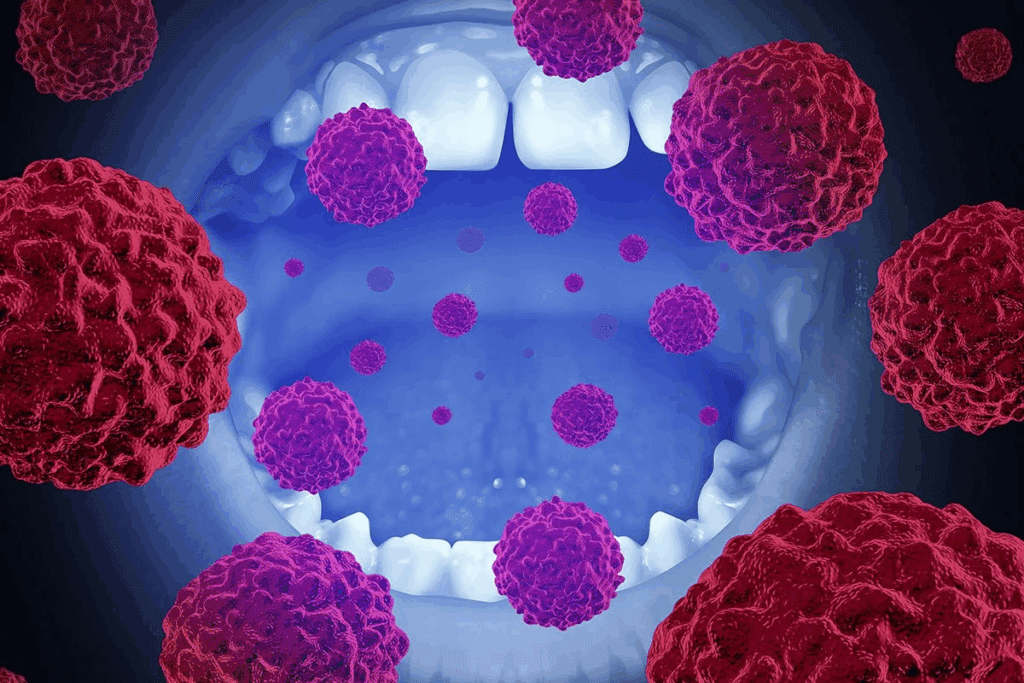
Tongue cancer is a serious issue in head and neck oncology. It’s important to understand it well for effective treatment. Knowing its definition, types, and how common it is helps manage it better.
What is Tongue Cancer?
Tongue cancer starts in the tongue’s tissues. The most common type is squamous cell carcinoma. It comes from the squamous cells on the tongue’s surface. This cancer can happen in different parts of the tongue.
Types of Tongue Cancer
While squamous cell carcinoma is common, there are other types too. These include:
- Minor salivary gland tumors
- Lymphomas
- Sarcomas
Knowing these types helps doctors choose the right treatment.
Epidemiology and Risk Factors
Tongue cancer is a big health problem worldwide. It affects different people in different ways. Key risk factors include:
| Risk Factor | Description |
|---|---|
| Smoking | Smoking tobacco greatly increases the risk of tongue cancer. |
| HPV Infection | Human Papillomavirus (HPV) infection, like HPV-16, raises the risk of tongue cancer. |
| Alcohol Use | Drinking too much alcohol is also a big risk factor. It gets worse when combined with smoking. |
Knowing these risk factors helps prevent and catch tongue cancer early.
Recognizing the Signs and Symptoms
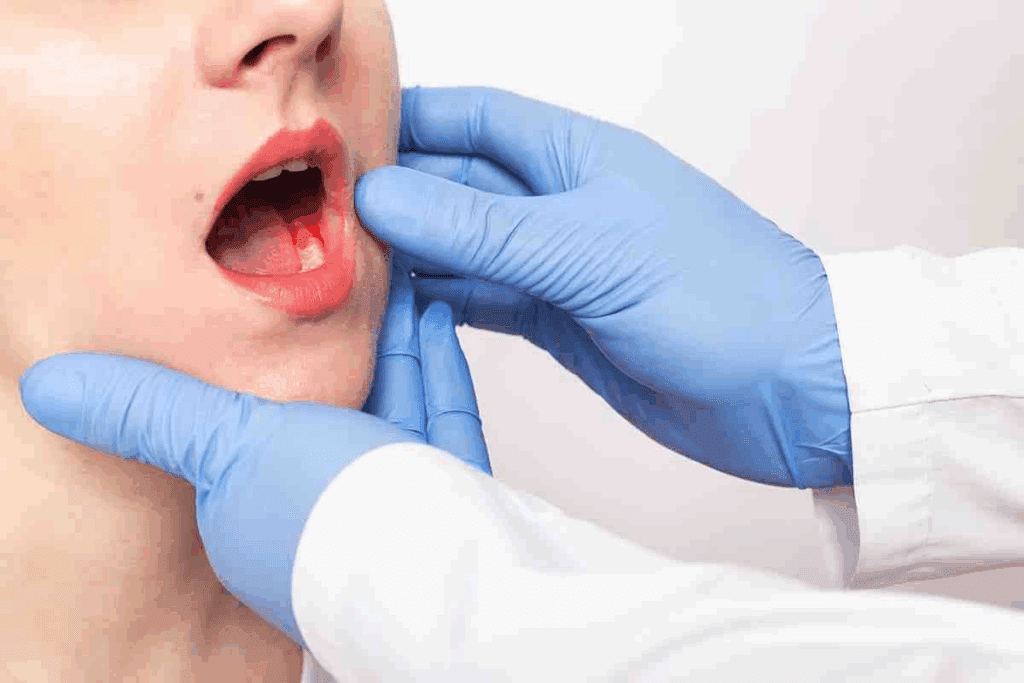
It’s important to know the signs and symptoms of tongue cancer early. This can lead to better treatment and outcomes. We’ll cover the common signs that might mean you have this condition. This will help you know when to get medical help.
Early Warning Signs
The first signs of tongue cancer can be hard to spot. They might not seem serious at first. Look out for:
- A sore on the tongue that doesn’t heal
- Pain or discomfort in the tongue or mouth
- Difficulty swallowing or speaking
- Numbness or tingling in the tongue
- White or red patches on the tongue
These symptoms can mean different things. But if they last, you should see a doctor.
Advanced Symptoms
As tongue cancer gets worse, symptoms get more obvious. You might notice:
- A lump or thickening on the tongue or in the mouth
- Ear pain, which can be referred pain
- Difficulty moving the tongue or jaw
- Significant weight loss
- A lump in the neck, indicating possible metastasis
Advanced symptoms often mean the cancer is more serious. You need to see a doctor right away.
When to Seek Medical Attention
If you notice any early or advanced symptoms, get medical help. Early detection is key to better treatment. See a doctor if you have:
- Any persistent sore or pain in the tongue or mouth
- Unexplained changes in the tongue’s appearance
- Difficulty with speech or swallowing
Getting checked by a doctor early can help you get the right treatment.
Diagnosis and Staging Process
When tongue cancer is suspected, several tests are done to confirm the disease. This is key to find the right treatment and know the outcome.
Initial Examination and Biopsy
A healthcare professional starts by doing a detailed physical check. They look at the tumor’s size, location, and type. If they find something suspicious, a biopsy is done.
A biopsy takes a tissue sample from the area in question. It’s then checked under a microscope for cancer cells.
There are different biopsies, like:
- Incisional biopsy, where a part of the tumor is sampled
- Excisional biopsy, where the whole tumor is removed
Imaging Tests
After confirming cancer through biopsy, imaging tests are used to see how far it has spread. These tests check if the cancer has moved to other parts of the body. Common tests include:
- Computed Tomography (CT) scans
- Magnetic Resonance Imaging (MRI)
- Positron Emission Tomography (PET) scans
Understanding the TNM Staging System
The TNM staging system is a way to classify cancer. TNM stands for Tumor, Node, and Metastasis.
| Category | Description |
|---|---|
| T (Tumor) | Describes the size of the original tumor and whether it has invaded nearby tissue |
| N (Node) | Indicates whether the cancer has spread to the nearby lymph nodes and the extent of the spread |
| M (Metastasis) | Shows whether the cancer has spread (metastasized) to other parts of the body |
Stage Determination and Its Impact on Treatment
After looking at T, N, and M, the cancer gets a stage, usually from I to IV. This stage is very important because it affects the treatment plan. Early cancers might just need surgery or radiation. But more advanced cancers might need a mix of treatments, like chemotherapy and targeted therapy.
Knowing the stage of tongue cancer is key for both patients and doctors. It helps decide the best treatment plan.
Surgical Treatment Options for Tongue Cancer
Surgery is a key treatment for tongue cancer. It offers different options based on the cancer’s size and location. We’ll look at the surgical methods, their uses, and their effects on patients.
Partial Glossectomy
Partial glossectomy removes the tumor and some healthy tissue around it. It’s often chosen for early-stage cancers. The aim is to remove the cancer while keeping tongue function.
Hemiglossectomy
Hemiglossectomy removes half of the tongue. It’s used for larger or deeper tumors. This surgery affects speech and swallowing but is sometimes needed to remove all cancer.
Total Glossectomy
Total glossectomy removes the whole tongue. It’s for very advanced or widespread cancers. This surgery greatly impacts speaking and swallowing, requiring extensive rehabilitation.
Neck Dissection Procedures
Neck dissection is often done with glossectomy if cancer has spread to neck lymph nodes. It removes lymph nodes and sometimes other neck tissues. The type of neck dissection varies.
The right surgery depends on the cancer’s stage, location, and the patient’s health. Knowing these options helps patients make informed decisions.
| Surgical Procedure | Indications | Potential Impact |
|---|---|---|
| Partial Glossectomy | Early-stage tongue cancer | Minimal impact on tongue function |
| Hemiglossectomy | Larger or deeply invasive tumors | Significant impact on speech and swallowing |
| Total Glossectomy | Advanced cancer involving most of the tongue | Profound impact on speech and swallowing |
| Neck Dissection | Cancer spread to lymph nodes | Varies depending on extent of dissection |
How to Treat Tongue Cancer with Radiation Therapy
Radiation therapy is key in treating tongue cancer. It uses various methods to fit each patient’s needs. We use it alone or with surgery to kill cancer cells.
External Beam Radiation
External Beam Radiation Therapy (EBRT) uses a machine outside the body. It sends beams to the cancer site. This method targets the tumor well while protecting healthy tissues.
Intensity-Modulated Radiation Therapy (IMRT)
Intensity-Modulated Radiation Therapy (IMRT) is a more advanced EBRT. It changes the beam’s intensity for better precision. This helps in giving more radiation to the tumor and less to other areas, reducing side effects.
Brachytherapy
Brachytherapy puts radioactive material close to the tumor. It delivers a high dose of radiation locally. This method is safer for nearby tissues. It can be used alone or with EBRT.
Managing Side Effects of Radiation
It’s important to manage side effects to keep patients comfortable. Side effects include mouth sores, dry mouth, and trouble swallowing. We help patients with pain meds, diet changes, and speech therapy.
Knowing about different radiation therapies helps us create better treatment plans. This way, we can improve tongue cancer treatment for each patient.
Chemotherapy and Targeted Therapy Approaches
Chemotherapy, targeted therapy, and immunotherapy are key in treating tongue cancer. They can be used alone or with other treatments like surgery and radiation.
Standard Chemotherapy Protocols
Chemotherapy is used to treat tongue cancer, mainly when it’s spread or advanced. Drugs like cisplatin, 5-fluorouracil (5-FU), and docetaxel are common. They can be given alone or together, based on the patient’s health and cancer type.
A mix of cisplatin and 5-FU is often used for advanced tongue cancer. This combo helps shrink tumors and manage symptoms.
Targeted Drug Therapy
Targeted therapy uses drugs that attack cancer cells without harming normal cells. For tongue cancer, drugs like cetuximab target the EGFR. Cetuximab is used with radiation or chemotherapy to improve treatment results.
Immunotherapy Options
Immunotherapy uses the body’s immune system to fight cancer. For tongue cancer, drugs like pembrolizumab target the PD-1 protein. Immunotherapy is good for patients with recurring or spread-out tongue cancer.
Side Effects and Management
Chemotherapy, targeted therapy, and immunotherapy can be effective but have side effects. Common issues include fatigue, nausea, hair loss, and infection risk. It’s important to manage these side effects to keep patients’ quality of life high.
Healthcare providers suggest various ways to handle side effects, like anti-nausea meds and pain management. Regular checks and treatment plan adjustments can also reduce side effects.
| Treatment Type | Common Drugs | Side Effects | Management Strategies |
|---|---|---|---|
| Chemotherapy | Cisplatin, 5-FU, Docetaxel | Fatigue, Nausea, Hair Loss | Anti-nausea meds, Pain management, Nutritional counseling |
| Targeted Therapy | Cetuximab | Skin rash, Diarrhea | Topical treatments, Dietary adjustments |
| Immunotherapy | Pembrolizumab | Immune-related side effects | Corticosteroids, Close monitoring |
Combined Treatment Modalities
Effective tongue cancer treatment often uses a mix of therapies. This mix is made for each patient’s needs. It helps tackle the complex nature of tongue cancer, leading to better results and life quality.
Chemoradiation Therapy
Chemoradiation therapy combines chemotherapy and radiation. It’s a key treatment for tongue cancer. It works well for advanced cases or when surgery isn’t an option.
Benefits of Chemoradiation Therapy:
- Enhanced tumor control
- Potential for organ preservation
- Improved survival rates in certain patient populations
Neoadjuvant vs. Adjuvant Therapy
The timing of treatment is key. Neoadjuvant therapy is given before the main treatment, like surgery. It aims to shrink the tumor. Adjuvant therapy is after the main treatment to kill any cancer cells left.
| Therapy Type | Timing | Purpose |
|---|---|---|
| Neoadjuvant | Before main treatment | Shrink tumor, improve surgical outcomes |
| Adjuvant | After main treatment | Eliminate remaining cancer cells, reduce recurrence risk |
Multimodal Treatment Planning
Multimodal treatment planning is a team effort. Specialists work together to create a detailed treatment plan. They consider the patient’s health, cancer stage, and treatment risks and benefits.
The goal is to find the best treatment strategy. This aims to minimize side effects and keep quality of life high.
By mixing different treatments and tailoring them to each patient, we can better care for those with tongue cancer. This approach improves outcomes and offers complete care.
Treatment Selection Based on Cancer Stage
Tongue cancer treatment changes with each stage. The stage at diagnosis helps doctors choose the best treatment. This choice is very important for the patient’s care.
Early-Stage Treatment Approaches (Stages I and II)
For Stages I and II tongue cancer, treatments are less harsh. They might include surgery or radiation therapy alone. Surgery removes the tumor and some healthy tissue around it. Radiation therapy kills any cancer cells left.
The choice between surgery and radiation depends on the tumor’s size, location, and the patient’s health.
Advanced-Stage Treatment Options (Stages III and IV)
Stages III and IV tongue cancer need more intense treatments. Chemoradiation therapy, combining chemotherapy and radiation, is often used. Sometimes, surgery is done before or after chemoradiation to remove the tumor and affected lymph nodes.
Recurrent Tongue Cancer Treatment
Recurrent tongue cancer is a big challenge. Treatment depends on past treatments, the cancer’s location, and the patient’s health. Re-irradiation, salvage surgery, or palliative care might be options.
Survival Rates and Prognosis by Stage
Survival rates for tongue cancer vary by stage. Early-stage cancers have a better outlook than advanced ones. Stage I cancers often have a survival rate above 80%.
In contrast, Stage IV cancers have a survival rate below 50%.
| Cancer Stage | Typical Treatment Approaches | 5-Year Survival Rate |
|---|---|---|
| Stage I | Surgery or Radiation | 80-90% |
| Stage II | Surgery or Radiation | 60-80% |
| Stage III | Chemoradiation, Surgery | 40-60% |
| Stage IV | Chemoradiation, Surgery | 20-40% |
Recovery and Rehabilitation After Treatment
Recovery and rehabilitation are key to helping patients get back to their normal lives after tongue cancer treatment. We know that the road to recovery is complex and involves many different care areas.
Speech Therapy
Speech therapy is a big part of getting better after tongue cancer treatment. It helps patients speak clearly and confidently again. Our speech therapists create special plans for each patient.
They use many techniques, like exercises for articulation and language therapy. The main goal is to make speech clearer and more confident.
Swallowing Rehabilitation
Swallowing rehabilitation is also very important. Tongue cancer treatment can make it hard to eat and drink. Our experts help patients learn to swallow safely and easily again.
They use exercises to strengthen swallowing muscles, change diets, and teach strategies to avoid aspiration. This helps patients eat and drink better.
Nutritional Support
Nutritional support is essential during recovery. Patients might need to change their diet because of eating and swallowing problems. We help with nutritional supplements and dietary changes to make sure they get the nutrients they need.
| Nutritional Aspect | Recommendation |
|---|---|
| Caloric Intake | Ensure adequate caloric intake through nutrient-rich foods or supplements. |
| Dietary Texture | Modify food texture to facilitate safe swallowing. |
| Hydration | Maintain proper hydration through fluids or hydrating foods. |
Physical and Emotional Recovery
Physical and emotional recovery go hand in hand. We help patients regain their strength and deal with emotional challenges through counseling and support groups.
Our team creates a detailed rehabilitation plan for each patient. It focuses on their unique needs to improve their overall well-being.
Conclusion
Treating tongue cancer needs a full plan that includes surgery, radiation, and more. We’ve looked at surgery options like partial glossectomy and neck dissection. We’ve also talked about how radiation and chemotherapy help manage the disease.
A team of doctors is key in making a treatment plan that fits each patient. By using different treatments together, we can make patients’ lives better. This way, we can improve how well they do and their quality of life.
To sum up, treating tongue cancer well means using a team effort. Understanding all the treatment options helps us give patients the best care. Working together, we can make sure patients get the best results.
FAQ
What are the treatment options for tongue cancer?
Tongue cancer can be treated in several ways. These include surgery, radiation therapy, and chemotherapy. Sometimes, targeted therapy and immunotherapy are used too. The choice depends on the cancer’s stage and type.
How is tongue cancer treated surgically?
Surgery for tongue cancer aims to remove the tumor and affected tissues. It tries to keep the tongue’s function and look as much as possible. Procedures like partial glossectomy and neck dissection are used.
What is the role of radiation therapy in treating tongue cancer?
Radiation therapy kills cancer cells in tongue cancer. It can be given from outside the body or placed inside. It’s often used with other treatments to fight the cancer.
Is tongue cancer curable?
Yes, tongue cancer can be cured if caught early. The chance of recovery depends on the cancer’s stage, location, and the patient’s health.
What are the side effects of radiation therapy for tongue cancer?
Radiation therapy can cause side effects like dry mouth and trouble swallowing. It may also change how things taste and make you feel tired. These can be managed with care and treatment adjustments.
How does chemotherapy work in treating tongue cancer?
Chemotherapy uses drugs to kill cancer cells. It’s often used with other treatments like radiation. It can be given before or after surgery.
What is chemoradiation therapy for tongue cancer?
Chemoradiation therapy combines chemotherapy and radiation. It’s used for advanced-stage tongue cancer or to save organ function. It makes treatment more effective.
What rehabilitation is needed after tongue cancer treatment?
After treatment, patients may need speech and swallowing therapy. Nutritional support and physical and emotional recovery are also important. These help patients regain their quality of life.
How does the stage of tongue cancer affect treatment decisions?
The cancer’s stage is key in deciding treatment. Early-stage cancer might just need surgery or radiation. But advanced-stage cancer might need a combination of treatments.
What is the prognosis for tongue cancer patients?
The prognosis depends on the cancer’s stage, the patient’s health, and how well they respond to treatment. Early-stage cancer has a better outlook, while advanced-stage cancer needs more aggressive treatment.
Can tongue cancer recur after treatment?
Yes, tongue cancer can come back after treatment. It’s important to have follow-up care and watch for any signs of recurrence. This way, any new cancer can be caught and treated early.
References
Government Health Resource. Tongue Cancer: Prognosis and Survival Rate Overview. Retrieved from https://seer.cancer.gov/statfacts/html/tongue.html