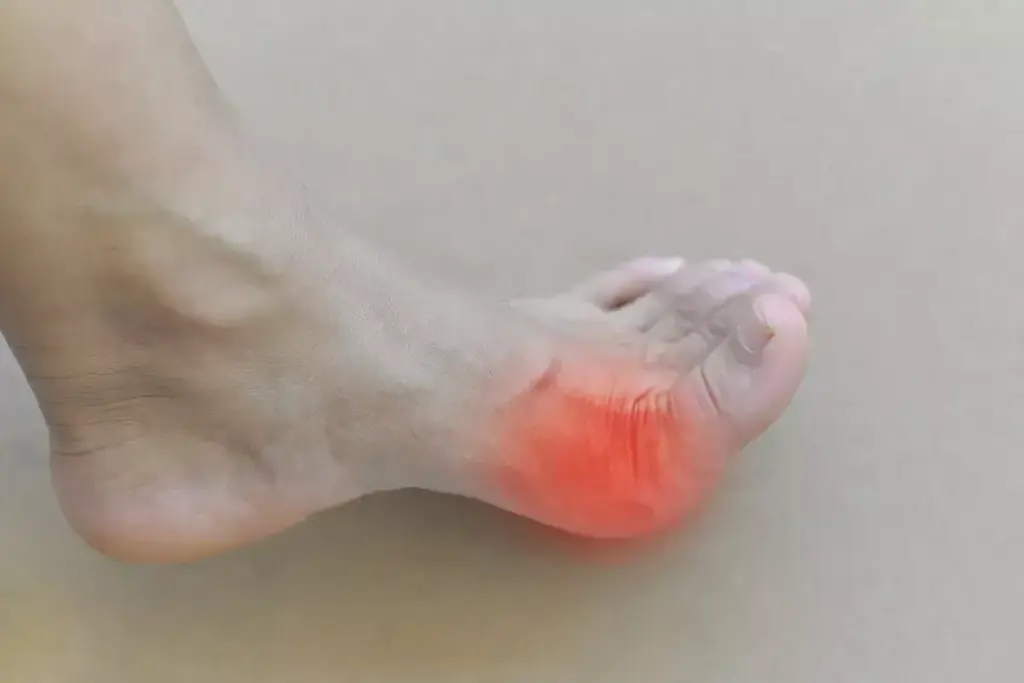
Tophaceous gout is a chronic and progressive form of gout that affects millions worldwide. It is characterized by the deposition of monosodium urate crystals in soft tissues and bone. This leads to significant joint damage if left undiagnosed or untreated.
Effective management of tophaceous gout requires a complete approach. This includes lifestyle changes and medical interventions. These aim to reduce uric acid levels and manage symptoms. At Liv Hospital, our team has internationally recognized expertise in diagnosing and treating this complex condition.
We understand the impact of tophaceous gout on patients’ quality of life. We are committed to providing personalized care to meet their unique needs.
Key Takeaways
- Understanding tophaceous gout and its complications is key for effective management.
- A complete treatment plan includes lifestyle changes and medical therapy.
- Reducing uric acid levels is a main goal in treating tophaceous gout.
- Personalized care is essential for addressing each patient’s unique needs.
- Liv Hospital’s multidisciplinary team offers expertise in diagnosing and treating tophaceous gout.
Understanding Tophaceous Gout
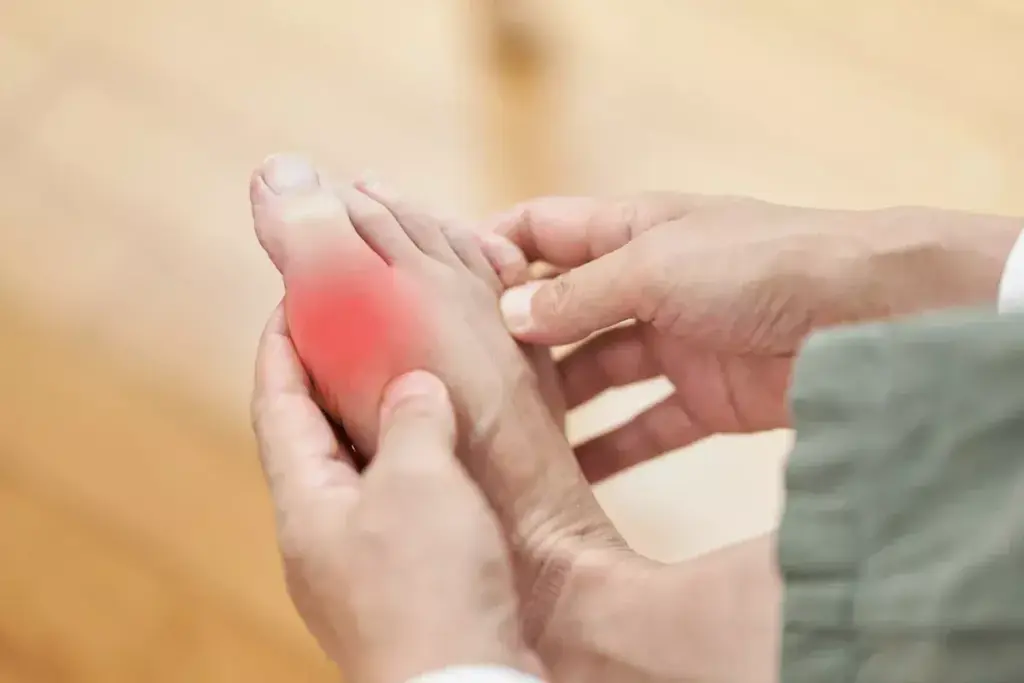
It’s important to understand tophaceous gout to manage its symptoms and prevent joint damage. This condition is a chronic form of gout. It happens when there’s too much uric acid in the blood, causing tophaceous deposits to form around the joints.
What Is Tophaceous Gout?
Tophaceous gout is when monosodium urate crystals build up as tophaceous deposits or “tophi” in and around joints. These deposits are firm, painless, and yellowish. They often appear in the hands and feet.
The formation of tophi shows that gout has reached a severe stage. If not treated, it can cause joint damage, deformity, and disability.
Signs and Symptoms
The signs of tophaceous gout include visible tophi, joint pain, swelling, and limited mobility. The skin over the tophi can also become tight and may ulcerate, leading to infection.
| Signs and Symptoms | Description |
| Visible Tophi | Firm, painless, yellowish deposits around joints |
| Joint Pain | Chronic pain due to urate crystal deposition |
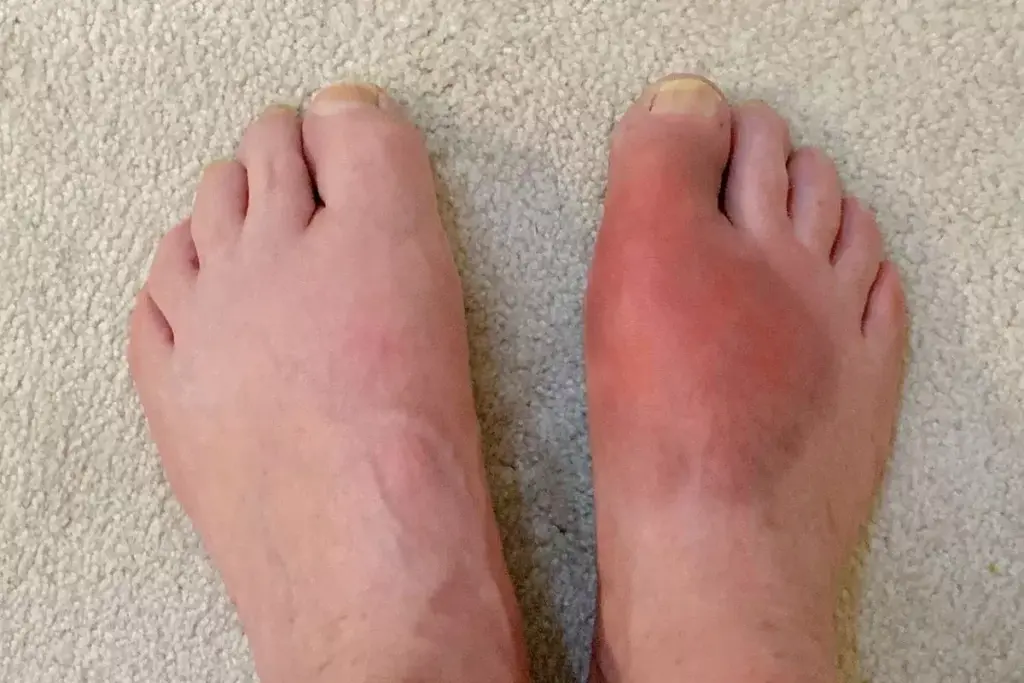
| Swelling and Redness | Inflammation around the affected joints |
| Limited Mobility | Reduced range of motion due to joint damage |
How Tophi Develop
Tophi form when there’s too much uric acid in the blood, known as hyperuricemia. Over time, urate crystals build up in joints and soft tissues, creating tophi.
The growth of tophi depends on several factors. These include the severity of gout, treatment success, kidney function, and genetics.
Comprehensive Treatment Options for Tophaceous Gout
Managing tophaceous gout requires a complete plan. This includes medicine, surgery, and changes in lifestyle. We will look at these options to help you understand how to handle this condition well.
Medication Approaches
Medicines are key in treating tophaceous gout. Uric acid-lowering therapies are essential. They aim to lower uric acid levels and stop crystals from forming. We use allopurinol and febuxostat to do this.
A leading expert says, “The main goal of these therapies is to stop new tophi from forming and to shrink existing ones.”
Surgical Interventions
Surgery might be needed for big tophi that hurt or cause deformity. We consider surgery for those with joint damage or tophi that block joint movement. Removing tophi can ease pain and boost mobility.
Lifestyle Modifications
Changing your lifestyle is vital in managing tophaceous gout. We suggest eating less of foods high in purines and more of foods that lower uric acid. Also, keeping a healthy weight and drinking plenty of water are key.
Exercising regularly is also important. We tell patients to do exercises that help move joints better and strengthen them without making the condition worse. A balanced lifestyle can greatly help manage tophaceous gout, cutting down on flare-ups and improving health.
By using medicines, surgery when needed, and lifestyle changes, we can manage tophaceous gout well. This improves the life quality of those affected.
Conclusion
Treating tophaceous gout needs a full plan that includes medicine, lifestyle changes, and teaching patients. It’s key to know about gouty nodules and ophus lump to handle chronic tophi gout well.
By using a wide approach, people can manage ophaceous disease better. This lowers the chance of problems and makes life better. Knowing the signs, like gout in the face, and getting the right medical help is important.
We think the right treatment and support can help people with tophaceous gout. Working with doctors, patients can control their condition and feel better overall.
FAQ
What is tophaceous gout?
A chronic form of gout where urate crystals accumulate in joints and soft tissues, forming visible lumps called tophi.
What are the signs and symptoms of tophaceous gout?
Painful, swollen joints, hard nodules under the skin, stiffness, and occasional joint deformity.
How do tophi develop?
They form when uric acid crystals deposit in joints and tissues due to prolonged high uric acid levels.
What are the treatment options for tophaceous gout?
Medications to lower uric acid, anti-inflammatories, joint care, and sometimes surgical removal of tophi.
How can lifestyle modifications help manage tophaceous gout?
Dietary changes, weight management, limiting alcohol, and staying hydrated reduce uric acid buildup.
What is the role of medication in treating tophaceous gout?
Uric acid-lowering drugs and anti-inflammatory medications control flare-ups and prevent new tophi.
Can tophaceous gout be cured?
It cannot be completely cured, but proper management can control symptoms and prevent progression.
How can I prevent tophi from forming?
Maintain normal uric acid levels through medication, diet, and lifestyle adjustments.
What are the complications of untreated tophaceous gout?
Joint damage, chronic pain, infection, deformity, and impaired mobility.
References
The Lancet. Evidence-Based Medical Insight. Retrieved from https://www.thelancet.com/journals/lancet/article/PIIS0140-6736(16)00346-9/fulltext