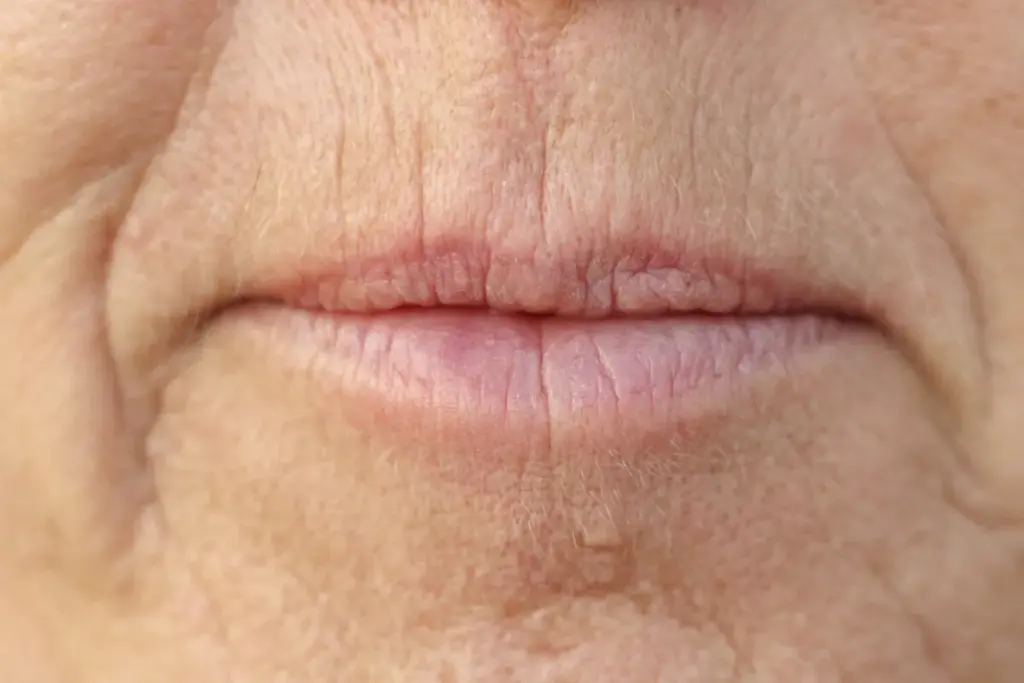
Scars on the upper lip can come from injuries, burns, or medical issues. They can affect how you look and feel. These scars are hard to hide and can lower your self-confidence.
Scarring on the upper lip is a big concern that needs special treatment. Knowing the cause of the scar is key to treating it right.
At Liv Hospital, we use the latest in phototherapy, small procedures, and expert surgery. We aim to fix both how you look and how you feel. Our goal is to make you look and feel better.
Key Takeaways
- Upper lip scars can result from various causes, including injuries and medical conditions.
- Understanding the type of scar is key to effective treatment.
- Liv Hospital offers complete care for lip scars with advanced methods.
- Our treatments focus on both looks and function.
- Getting special care can greatly improve how you look and feel with lip scars.
Understanding Upper Lip Scars and Their Impact
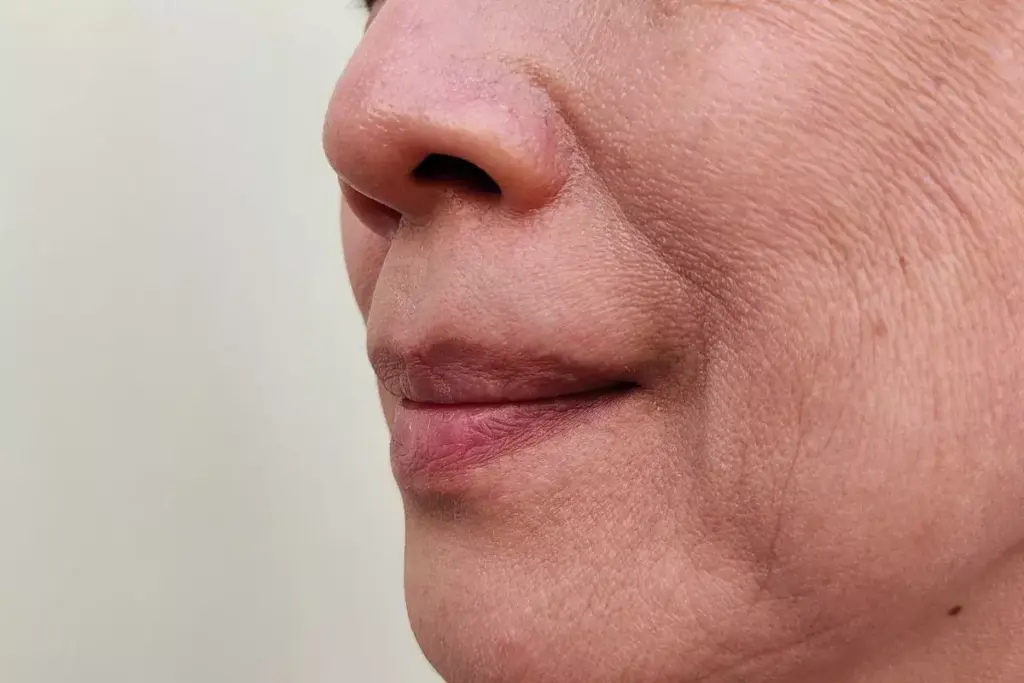
It’s important to understand upper lip scars to find the best treatment. These scars can come from injuries, surgeries, or conditions like cleft lip.
Types and Causes of Upper Lip Scarring
There are different kinds of scars on the lips, like hypertrophic, keloid, and atrophic scars. Each scar looks and acts differently. Hypertrophic scars are raised and red, staying within the wound. Keloid scars grow beyond the wound and can itch. Atrophic scars are depressions because of lost collagen.
Things like skin type, genetics, and injury type can affect lip scars. For example, people with a family history of certain scars are more likely to get them too.
Prevalence and Risk Factors
Studies show that upper lip scars can grow, affecting 12 percent to 27 percent of people. The risk varies by population, with some groups more likely to have scars.
| Risk Factor | Description | Impact on Scarring |
| Skin Type | Darker skin types are more prone to keloid and hypertrophic scarring. | Increased risk of significant scarring. |
| Genetics | Family history of scarring can influence individual scarring tendencies. | Higher likelihood of developing severe scars. |
| Nature of Injury | The severity and type of injury can affect scarring outcomes. | More severe injuries may result in more pronounced scarring. |
Physical and Psychological Effects
Upper lip scars can cause discomfort, tightness, and affect how you look. Visible scars can lower self-esteem and confidence, making social interactions harder. It’s key to treat both the physical and emotional sides of scarring.
We know treating upper lip scars needs a full approach. By understanding the types, causes, and effects, we can tailor treatments better.
Effective Medical Treatments for Upper Lip Scars
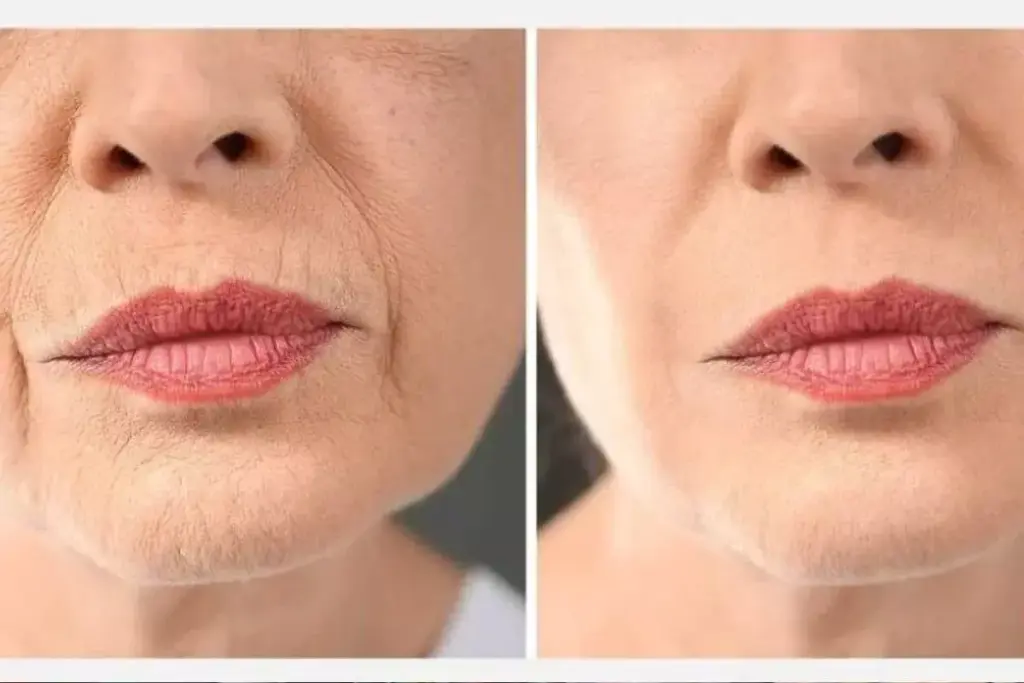
Medical treatments offer hope for those with upper lip scars. Scars on the upper lip can be upsetting because they’re visible and affect self-esteem. Luckily, there are many treatments to help manage and lessen the look of these scars.
Laser and Intense Pulsed Light Therapy
Laser therapy is a top choice for treating upper lip scars. It makes scars look better by improving texture and color. Laser and intense pulsed light (IPL) therapy are safe ways to target scars. They help make skin look more even and smooth.
Some key benefits of laser and IPL therapy include:
- Improved collagen production
- Reduced scar visibility
- Enhanced skin texture
Silicone-Based Treatments
Silicone-based treatments, like gels and sheets, are also good for upper lip scars. They hydrate the scar, making it thinner and looking better. Silicone gel therapy is as good as sheeting for cleft scars, but safer.
The benefits of silicone-based treatments include:
- Hydration of scar tissue
- Reduction in scar thickness
- Improved appearance of the scar
Microneedling and Collagen Induction
Microneedling is a gentle way to boost collagen, making skin better and scars less noticeable. It helps scars become more flexible. This makes it a great choice for upper lip scars.
Key advantages of microneedling include:
- Minimally invasive with little downtime
- Stimulates collagen production
- Improves skin texture and flexibility
At-Home Care for Upper Lip Scar Management
At-home care is key in managing upper lip scars. It offers many ways to make scars look better. Every year, over 100 million people get scars. These scars can hurt and make people feel sad.
Over-the-Counter Topical Products
OTC products are important for treating upper lip scars at home. Silicone gels and creams can make scars look better by keeping the skin moist. They also help flatten the scar tissue.
Vitamin E or retinol products can help scars heal faster. They promote new skin growth and collagen. Always pick fragrance-free and hypoallergenic products to avoid skin irritation. If you have sensitive skin, talk to a doctor before trying new skincare.
Massage and Physical Techniques
Gentle massage can also help with upper lip scars. Using your fingertips to massage the scar can make it softer and flatter. But be careful not to massage too hard, as it can irritate the skin.
Other physical methods like applying pressure or using silicone sheeting can also help. These methods can make the scar less noticeable by reducing its height and color.
When to Seek Professional Help
While home care works well, sometimes you need a doctor’s help. If your scars are very bad, don’t go away, or make you really upset, see a dermatologist. They can offer treatments like laser therapy or microneedling that are not available at home.
Dealing with upper lip scars can be tough. But with the right mix of home care and professional advice, you can manage your scars and feel better.
Conclusion
Healing lip scars needs a full plan, including good care, patience, and the right treatments. Knowing why and how scars form on the upper lip helps a lot. Using the right treatments can make scars look much better and keep lips healthy.
At our place, we aim to give top-notch healthcare and support to patients from around the world. Our team creates special plans for each patient to meet their needs. For more on treatment for lip scars, check out our resources.
Handling upper lip scars well means using both medical treatments and home care. This way, people can make scars less noticeable and feel better about their lips. With the right treatment and care, lips can look smoother and people can feel more confident.
FAQ
What are the different types of upper lip scars?
Upper lip scars fall into three main categories. Hypertrophic scars are raised and red, staying within the original wound. Keloid scars go beyond the wound and can itch. Atrophic scars are depressions due to lost collagen.
What causes upper lip scarring?
Scarring on the upper lip can come from injuries, surgeries, acne, or skin conditions. Some groups are more likely to get keloid or hypertrophic scars.
How do upper lip scars affect individuals?
Upper lip scars can cause physical discomfort and tightness. They can also affect how you feel about yourself. Visible scars can lower self-esteem and confidence, impacting your social life and overall happiness.
What are the available medical treatments for upper lip scars?
There are many treatments available, like laser therapy, silicone treatments, and microneedling. Laser therapy makes scars look better by boosting collagen and breaking down scar tissue. Silicone treatments hydrate scars, making them thinner and less noticeable. Microneedling also boosts collagen, improving skin texture and scar appearance.
Can at-home care help manage upper lip scars?
Yes, taking care of your scars at home is important. Use products with silicone, vitamin E, or retinol to improve scar look. Gently massaging scars can also help soften and flatten them.
When should I seek professional help for my upper lip scar?
If your scar is severe, doesn’t go away, or bothers you a lot, see a dermatologist. They can offer advanced treatments and personalized care.
Are there any over-the-counter products that can help with lip scars?
Yes, there are many over-the-counter products that can help lip scars. Look for products with silicone, vitamin E, or retinol. These can hydrate and soften scars, making them less noticeable.
Can microneedling be used to treat upper lip scars?
Yes, microneedling is a safe way to treat upper lip scars. It encourages collagen production, making skin look better and scars less noticeable.
How can I prevent upper lip scarring?
While you can’t prevent all scars, good wound care and avoiding picking or rubbing can help. Also, use sunscreen and protect your skin from injury to reduce scarring risk.
Reference
National Center for Biotechnology Information. Evidence-Based Medical Guidance. Retrieved from https://pubmed.ncbi.nlm.nih.gov/40541231/