Comprehensive guide detailing how to treat varicose veins, including lifestyle changes and medical procedures. Varicose veins are a big health problem worldwide, affecting millions. They are not just about looks; they can show deeper circulation issues. The Medical organization says risks include aging, pregnancy, and being overweight.
Now, there are good ways to treat varicose veins. New, less invasive methods are changing how we handle them. These include radiofrequency ablation, laser therapy, and cyanoacrylate closure. They offer quick recovery and better results.
Key Takeaways
- Varicose veins are a common condition that can indicate underlying circulation issues.
- Risk factors include aging, pregnancy, and genetics.
- Modern treatments offer faster recovery and better outcomes.
- Minimally invasive technologies are now available for treatment.
- Evidence-based treatments are being used to manage varicose veins effectively.
Understanding Varicose Veins
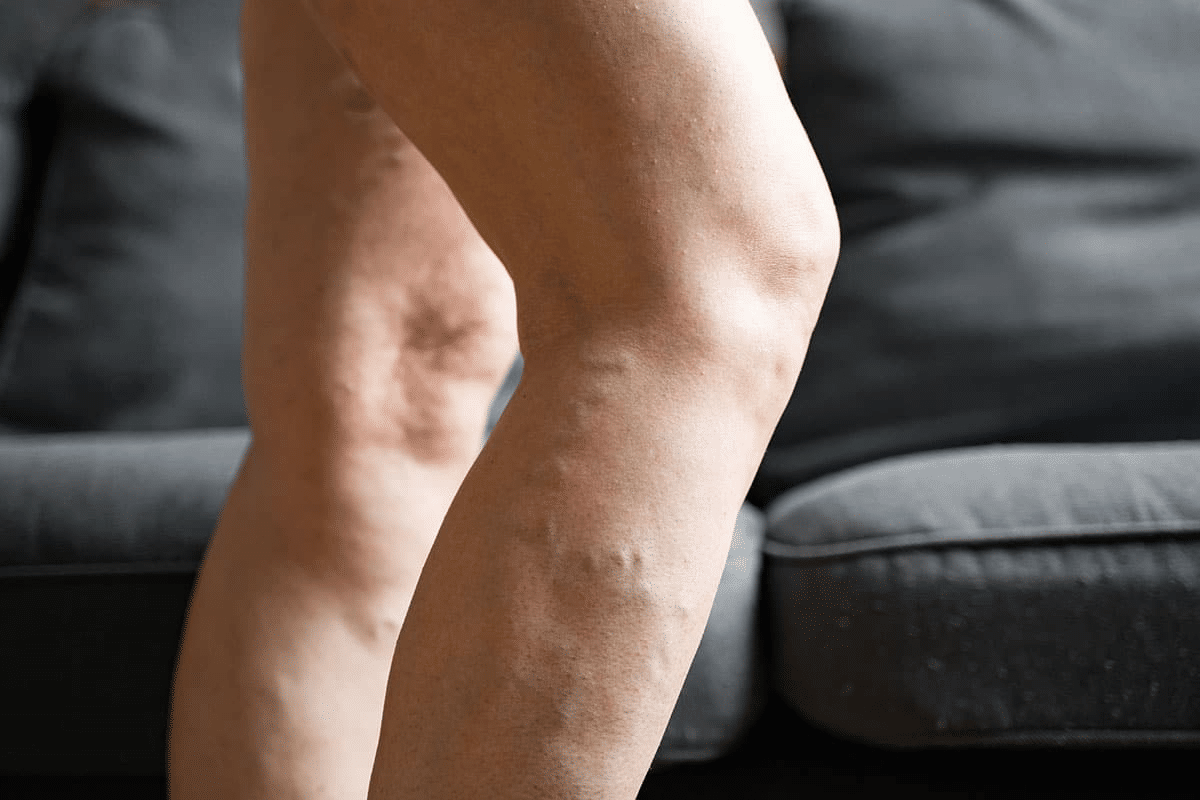
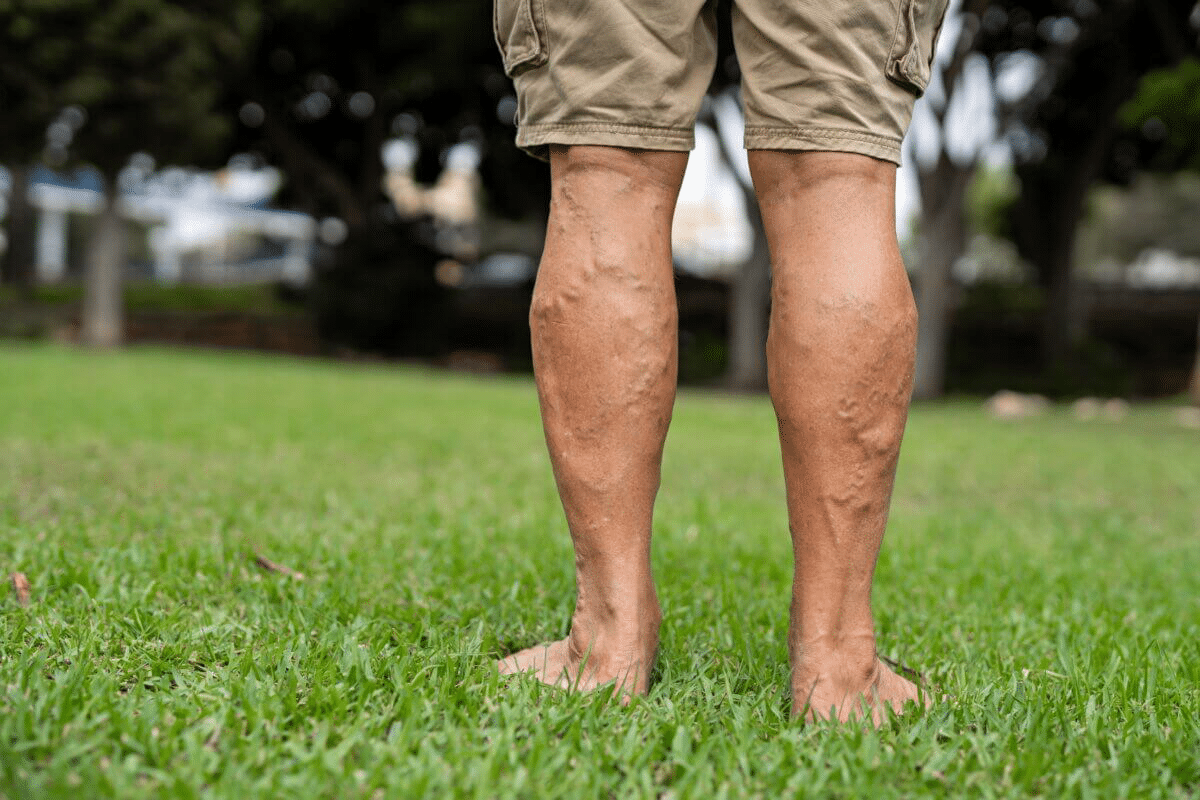
Varicose veins are a common problem affecting millions globally. They are enlarged, twisted veins visible under the skin, mainly in the legs.
What Are Varicose Veins?
Varicose veins happen when tiny valves in veins fail. These valves are key to keeping blood flowing toward the heart. When they weaken, blood pools in the legs instead of moving up.
Prevalence and Demographics
In the United States, about 23% of adults have varicose veins. Women are at higher risk, facing twice the chance of men. The condition is more common with age and in those with a family history.
Common Causes and Risk Factors
Several factors lead to varicose veins, including:
- Genetics: A family history raises your risk.
- Age: Veins wear out with age, increasing risk.
- Gender: Hormonal changes make women more prone.
- Obesity: Extra weight adds pressure on veins.
- Prolonged Standing or Sitting: Long periods in one position can block blood flow.
Signs and Symptoms to Watch For
Common symptoms of varicose veins include:
- Visible, twisted veins on the legs.
- Aching or heavy legs.
- Swelling in the legs, ankles, or feet.
- Cramping or throbbing in the legs.
- Itching around the veins.
Spotting these signs early can help in getting the right treatment and managing the condition well.
The Impact of Varicose Veins
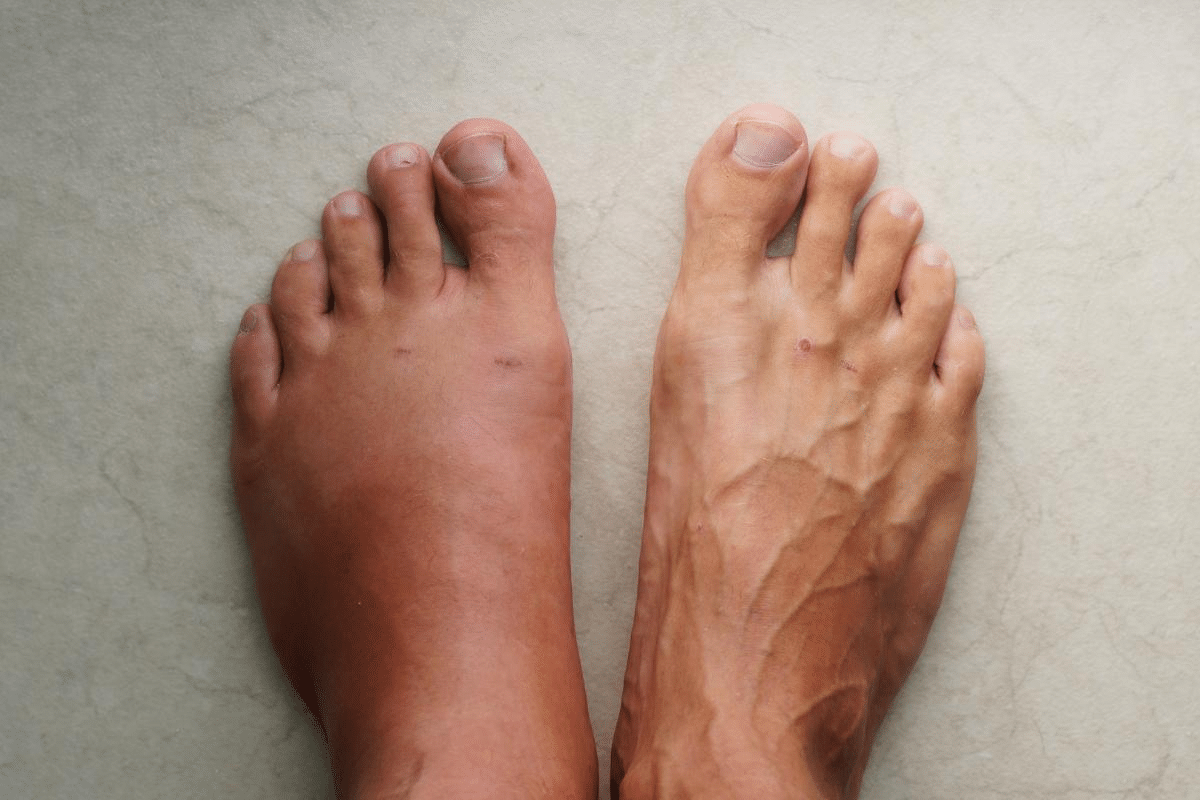
Varicose veins are more than just a cosmetic issue. They can lead to serious health problems. If not treated, they can cause symptoms that affect both your body and mind.
Physical Complications
Untreated varicose veins can cause several physical issues. These include leg swelling, skin color changes, ulcers, or blood clots. Venous insufficiency, linked to varicose veins, can cause aching, throbbing, or heavy legs.
It can also lead to swelling in the ankles and feet, burning or itching near the veins, and muscle cramping or restless legs.
Common Physical Complications:
|
Complication |
Description |
|---|---|
|
Leg Swelling |
Fluid accumulation causing swelling in the legs |
|
Skin Changes |
Discoloration or thickening of the skin around the affected veins |
|
Ulcers |
Open sores that can develop due to poor circulation |
|
Blood Clots |
Clots that form in the deep veins, potentially life-threatening |
Psychological Effects
The psychological impact of varicose veins is significant. People with varicose veins may feel self-conscious about their legs. This can lead to lower confidence and a poorer quality of life.
The discomfort and pain from varicose veins can also cause anxiety and stress.
When to Seek Medical Attention
Seek medical help if you have severe symptoms or complications. Signs that mean you need to see a doctor include increased pain, swelling, or redness in the legs, ulcers, or skin changes. Early treatment can prevent more problems and improve your health.
If you’re experiencing any of the following, consult a healthcare professional:
- Persistent or severe leg pain
- Swelling that doesn’t improve with elevation
- Skin ulcers or changes
- Redness or warmth around the affected veins
Diagnosing Varicose Veins
Healthcare professionals use many methods to diagnose varicose veins. They do physical exams and use advanced imaging tests. This detailed approach helps find the best treatment for patients.
Physical Examination
The first step is a physical examination. Doctors will look at the patient’s legs in different positions. They check for swelling, color changes, or bulging veins. They also feel for tenderness or pain.
Ultrasound and Other Imaging Tests
Ultrasound imaging is often used next. A duplex ultrasound sends sound waves to check blood flow. It helps find which veins are not working right. This is key for treating chronic venous insufficiency. Other tests might be used too.
What to Expect During Diagnosis
Patients will get a full check-up. This includes:
- A physical exam to look at symptoms and vein health.
- Ultrasound or other tests for detailed vein images and blood flow checks.
- Reviewing medical history to see if it affects vein health.
Knowing what to expect makes patients feel more ready and calm.
Conservative Treatment Approaches
Managing varicose veins often starts with non-invasive methods. These approaches aim to ease symptoms and stop the condition from getting worse.
Lifestyle Modifications
Making lifestyle changes is key in treating varicose veins. Simple steps can make a big difference. For example, regular exercise boosts blood flow. Also, avoiding prolonged standing or sitting helps reduce vein pressure.
Other helpful changes include maintaining a healthy weight to ease vein pressure. And, avoiding high heels can also help.
Compression Therapy
Compression therapy is another effective treatment. It involves wearing compression stockings to enhance blood flow and lessen swelling. These stockings vary in compression levels and can be prescribed or bought over-the-counter.
Exercise and Weight Management
Regular exercise and a healthy weight are vital for managing varicose veins. Exercise improves blood flow, and weight management lowers vein pressure. Walking, cycling, and swimming are great activities.
Elevation and Rest Techniques
Elevating the legs above the heart can lessen swelling and ease symptoms. It’s advised to elevate the legs for 15 minutes, three to four times a day. Also, taking regular breaks to rest can help manage the condition.
How to Treat Varicose Veins at Home
Managing varicose veins at home needs a mix of remedies, diet changes, and pain relief. By using these methods daily, you can lessen symptoms and boost vein health.
Effective Home Remedies
Several home remedies can ease varicose vein discomfort. Elevating your legs is a simple yet effective way to reduce swelling and pressure. Try resting your legs on a pillow or chair to keep them above your heart.
Compression therapy is another good home remedy. Using compression stockings can improve blood flow and lessen swelling. Your healthcare provider can help pick the right compression level for you.
Over-the-Counter Solutions
OTC treatments can offer relief from varicose vein symptoms. Topical creams and gels with horse chestnut extract or witch hazel can reduce inflammation and pain. OTC pain relievers like ibuprofen can also help with discomfort.
Dietary Changes That Help
Changing your diet can also help manage varicose veins. Increasing your fiber intake can prevent constipation, a risk factor for worsening varicose veins. Foods rich in flavonoids, like berries and citrus fruits, can improve circulation and reduce inflammation.
- Incorporate more fruits and vegetables into your diet.
- Increase your consumption of foods high in fiber.
- Drink plenty of water to stay hydrated.
Managing Pain and Discomfort
Managing pain and discomfort is key when treating varicose veins at home. Regular exercise, like walking or swimming, can improve circulation and reduce pain. Also, avoid long periods of standing or sitting to ease symptoms.
Keeping a healthy weight is also important to reduce vein pressure. A balanced diet and regular exercise can help you stay at a healthy weight.
Medical Treatments for Varicose Veins
Managing varicose veins often requires medical treatments that are safe and effective. Today’s treatments are quick and done on an outpatient basis. This means patients can get back to their daily lives soon after.
Prescription Medications
Prescription medications might be suggested for some. They help ease the pain and swelling caused by varicose veins.
When Medication Is Appropriate
Medication is usually considered when varicose veins are very painful. Or when other treatments haven’t helped enough. Always talk to a doctor to find the right treatment.
Potential Side Effects
Like any medicine, there are possible side effects. These might include headaches, muscle cramps, or skin issues. It’s important to discuss these risks with your doctor.
Insurance Coverage for Treatments
Knowing about insurance coverage for varicose vein treatments is key. Many plans cover some treatments, but what’s covered can differ a lot. It depends on the treatment and the insurance company.
At places like CVR, they focus on creating a personalized treatment plan for each patient. They help from the start, guiding you through diagnosis, insurance, and recovery. Treatments might include sclerotherapy, laser ablation, or others.
Minimally Invasive Procedures
Varicose vein treatment has changed a lot with new, less invasive methods. These new treatments are safer and help you heal faster than old surgery ways.
Sclerotherapy
Sclerotherapy is a common, less invasive treatment for varicose veins. It works by injecting a solution into the vein, making it close and disappear. It’s great for smaller veins and spider veins.
Benefits of Sclerotherapy: It’s not very painful and you can get back to normal life quickly after it.
Endovenous Laser Treatment (EVLT)
Endovenous Laser Treatment (EVLT) is another good option. It uses laser heat to seal off the vein, redirecting blood to better veins. It’s best for bigger varicose veins.
Advantages of EVLT: You might feel some pain, but it’s usually done under local anesthesia, and you can go home the same day.
Radiofrequency Ablation
Radiofrequency ablation uses radio waves to heat the vein, closing it. It’s like EVLT but uses different energy. It works well for bigger veins and has a high success rate.
Key Benefits: It’s a lasting fix with very few risks of problems.
VenaSeal Closure System
The VenaSeal Closure System is a new, less invasive treatment. It uses a special adhesive to close the vein. It’s simple and safe, with few risks.
Advantages of VenaSeal: It doesn’t need heat or anesthesia, making it comfortable for many.
These new, less invasive treatments have changed how we treat varicose veins. They offer safe, effective options with quick recovery times. As technology gets better, these treatments will likely get even better and more common.
Surgical Options for Severe Cases
When varicose veins get really bad, surgery might be needed. This is when symptoms or problems are serious.
Vein Stripping and Ligation
Vein stripping and ligation removes or ties off bad veins. It’s used for severe varicose veins. The aim is to get rid of the vein and ease symptoms.
Ambulatory Phlebectomy
Ambulatory phlebectomy is a less invasive method. It removes veins through small cuts. This way, patients can get back to normal quickly, often the next day. It’s done under local anesthesia.
Recovery and Aftercare
Recovery time varies with each surgery. Patients are told to avoid heavy lifting and hard work for a few weeks. Wearing compression stockings helps with healing and swelling.
- Follow the doctor’s instructions for post-operative care.
- Attend follow-up appointments to monitor healing.
- Report any unusual symptoms or complications.
Potential Complications
Like any surgery, varicose vein surgery has risks. These include infection, bleeding, and nerve damage. Talking about these risks with a healthcare provider is key.
|
Complication |
Description |
Prevention/Treatment |
|---|---|---|
|
Infection |
Bacterial infection at the surgical site. |
Antibiotics, proper wound care. |
|
Bleeding |
Excessive bleeding during or after surgery. |
Monitoring, applying pressure. |
|
Nerve Damage |
Numbness or tingling due to nerve injury. |
Careful surgical technique, post-op care. |
Emerging Treatments and Market Trends
The world of treating varicose veins is changing fast. New technologies and treatments are coming out. This is because more and more people are getting varicose veins, and they need good treatments.
Growth in Minimally Invasive Techniques
Less invasive treatments are becoming more popular. Endovenous ablation is growing at a 7.13% CAGR. This shows a big move towards treatments that are easier on the body.
These treatments are loved because they heal faster and hurt less. So, more people are choosing sclerotherapy and endovenous laser treatment.
Technological Advancements
New tech is key in making better treatments for varicose veins. Radiofrequency ablation and VenaSeal Closure System are making treatments better and safer.
These new tools are making treatments work better. They also make patients feel better and recover faster.
Global Treatment Market Overview
The market for treating varicose veins is growing fast. It’s expected to go from USD 1.32 billion in 2025 to USD 1.8 billion by 2030. This growth is because more people have varicose veins and want good treatments.
|
Year |
Market Size (USD Billion) |
Growth Rate (%) |
|---|---|---|
|
2025 |
1.32 |
– |
|
2030 |
1.8 |
6.4 |
Future Directions in Varicose Vein Treatment
As research gets better, we’ll see even more new treatments. New tech and treatments will make treatments better.
With 22 million women and 11 million men aged 40 to 80 years having varicose veins, we need to keep finding new ways to help.
Comparing Treatment Options
There are many treatments for varicose veins. It’s important to look at how well they work, their cost, and how long it takes to recover. At CVR, we create a treatment plan just for you. We use special tools, our knowledge, and your needs to make it.
Effectiveness Rates
How well treatments work can differ a lot. For small veins, sclerotherapy often works well. But for bigger veins, endovenous laser treatment (EVLT) is usually better.
Studies show that newer, less invasive treatments like EVLT and radiofrequency ablation work better than old surgery methods.
Cost Considerations
The cost of treating varicose veins is also key. Prices vary a lot based on the treatment, where you are, and your insurance. For example, sclerotherapy might be cheaper upfront. But EVLT might save money in the long run because it works better.
“The cost of varicose vein treatment should be evaluated in the context of its long-term benefits and possible savings on future medical costs.”
Recovery Time Comparison
Recovery times differ too. Less invasive treatments usually mean quicker recovery. For example, EVLT or VenaSeal treatments let you get back to normal in just a few days.
- Minimally invasive procedures: 1-7 days recovery
- Surgical options: 1-4 weeks recovery
Choosing the Right Treatment for You
Choosing the right treatment depends on many things. How bad your varicose veins are, your health, and what you prefer are all important.
At CVR, we carefully check you out and talk with you. We pick the best treatment for you, making sure it fits your needs and hopes.
Conclusion
Varicose vein treatment is not a one-size-fits-all solution. It needs a detailed approach that looks at each person’s specific situation. Knowing the causes, symptoms, and treatment options helps people make better choices for their care.
Places like CVR provide top-notch care and custom treatment plans. This ensures patients get the best treatment for their varicose veins. There are many treatment options, from simple methods to more complex ones.
In the end, getting care from specialized centers is key. This way, people get a treatment plan that fits their unique needs. This leads to better results and a better quality of life.
FAQ
What are the most effective ways to treat varicose veins?
The best treatment for varicose veins depends on how severe they are. You might start with simple steps like wearing compression stockings. For more serious cases, you could try sclerotherapy, EVLT, or radiofrequency ablation.
How can I manage varicose vein pain at home?
To ease varicose vein pain at home, try elevating your legs and resting. Exercise and managing your weight can also help. Over-the-counter pain meds and dietary changes can make a difference too. Wearing compression stockings is another good idea.
Are there any medical treatments available for varicose veins?
Yes, there are medical treatments for varicose veins. Your doctor might prescribe medication to help with symptoms. For more serious cases, you could have sclerotherapy, EVLT, or VenaSeal. In severe cases, surgery might be needed.
What is the difference between sclerotherapy and EVLT?
Sclerotherapy uses a solution to close off the vein. EVLT uses laser heat to do the same thing. The choice between them depends on the vein’s size and location.
How long does it take to recover from varicose vein surgery?
Recovery times vary based on the surgery type. Ambulatory phlebectomy usually has a quicker recovery than vein stripping. Always follow your doctor’s post-operative care instructions.
Can varicose veins be prevented?
Some risk factors for varicose veins can’t be changed. But, staying at a healthy weight, exercising, and avoiding long periods of sitting or standing can help.
Are there any new treatments for varicose veins on the horizon?
New treatments for varicose veins are coming. There are advancements in minimally invasive techniques and new technologies. Keeping up with the latest news can help you choose the best option.
How do I choose the right treatment for my varicose veins?
Choosing the right treatment involves looking at your vein’s severity, health, and what you prefer. Talking to a specialist can help you make the best choice.
Will insurance cover varicose vein treatments?
Insurance coverage for varicose vein treatments varies. Many plans cover treatments that are medically necessary. Always check with your provider to know what’s covered.
Can I stil have varicose vein treatment if I have other health conditions?
Having other health conditions doesn’t mean you can’t get treatment for varicose veins. But, it’s important to talk to your doctor about your health. This helps find the safest and most effective treatment for you
References
Government Health Resource. Varicose Vein Treatment: Risks, Circulation, and Management. Retrieved from https://www.wrh.ox.ac.uk/news/oxfords-largest-ever-study-into-varicose-veins-shows-need-for-surgery-is-linked-to-genetics