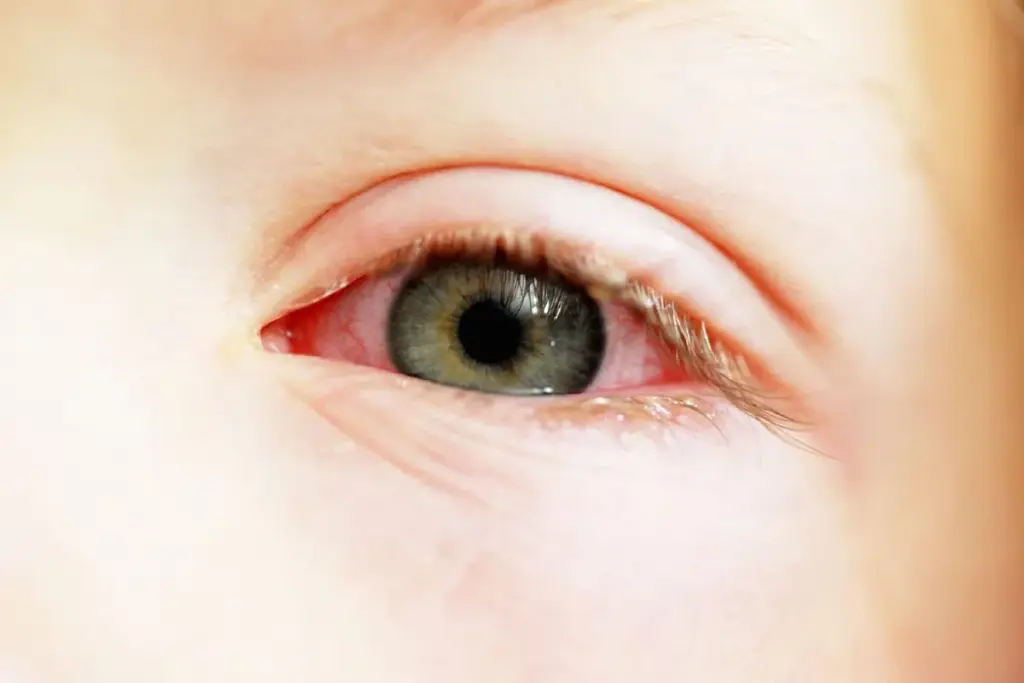
Vernal keratoconjunctivitis (VKC) is a serious eye condition that mainly affects kids and young adults. It causes a lot of discomfort and can really affect how well someone lives. Symptoms include intense itching, sensitivity to light, and redness in the eyes.
A recent study in Frontiers in Medicine shows that treating VKC is key to avoiding serious eye problems. We’ll give you a detailed guide on what VKC is, its symptoms, and how to treat it. We’ll cover different VKC treatment methods.
It’s very important to catch VKC early and start treatment right away. This can help prevent serious eye issues like keratoconus. It also helps improve the quality of life for those with VKC.
Key Takeaways
- Understanding VKC: Recognizing the symptoms and severity of Vernal Keratoconjunctivitis.
- Importance of Early Treatment: Preventing long-term damage and complications.
- VKC Management: Comprehensives approaches to treating VKC, including pharmacological and supportive therapies.
- Impact on Quality of Life: Addressing the effects of VKC on daily activities and educational outcomes.
- Advanced Treatment Options: Exploring the latest treatments available for VKC.
Understanding Vernal Keratoconjunctivitis
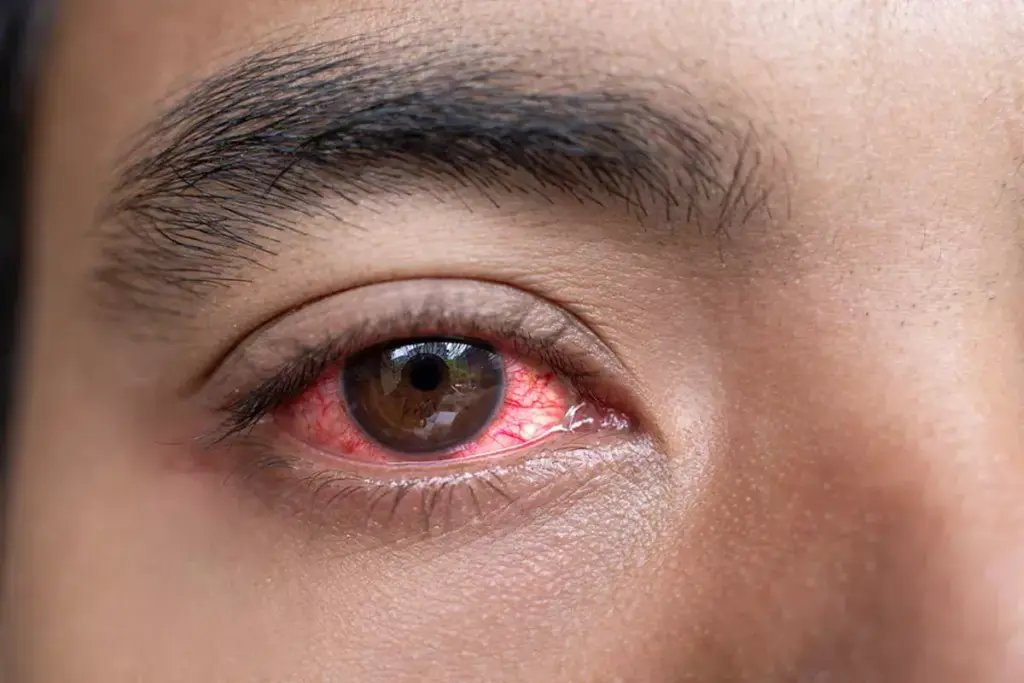
Vernal keratoconjunctivitis (VKC) is a complex eye condition. It causes inflammation in the conjunctiva. This mainly affects kids and young adults.
Definition and Prevalence Rates
VKC is a severe eye allergy. It often happens in people with allergies or atopic diseases. It’s more common in warm, dry places.
It mostly hits males. The ratio of males to females with VKC is between 2.3:1 and 4.23:1.
| Characteristics | Description |
| Prevalence | Higher in warmer climates |
| Gender Ratio | Male predominance (2.3:1 to 4.23:1) |
| Age Group | Primarily children and young adults |
Recognizing Key Symptoms and Signs
VKC symptoms include intense itching and photophobia. You might also experience tearing and a burning feeling in your eyes.
Key symptoms: intense itching, photophobia, tearing, and burning sensation.
Distinctive Features: Cobblestone Papillae and Horner-Trantas Dots
Two key signs of VKC are cobblestone papillae and Horner-Trantas dots. Cobblestone papillae look like large, flat-topped bumps on the upper tarsal conjunctiva. Horner-Trantas dots are small, white or yellowish spots at the limbus.
Distinctive features: cobblestone papillae and Horner-Trantas dots.
First-Line Treatment Approaches
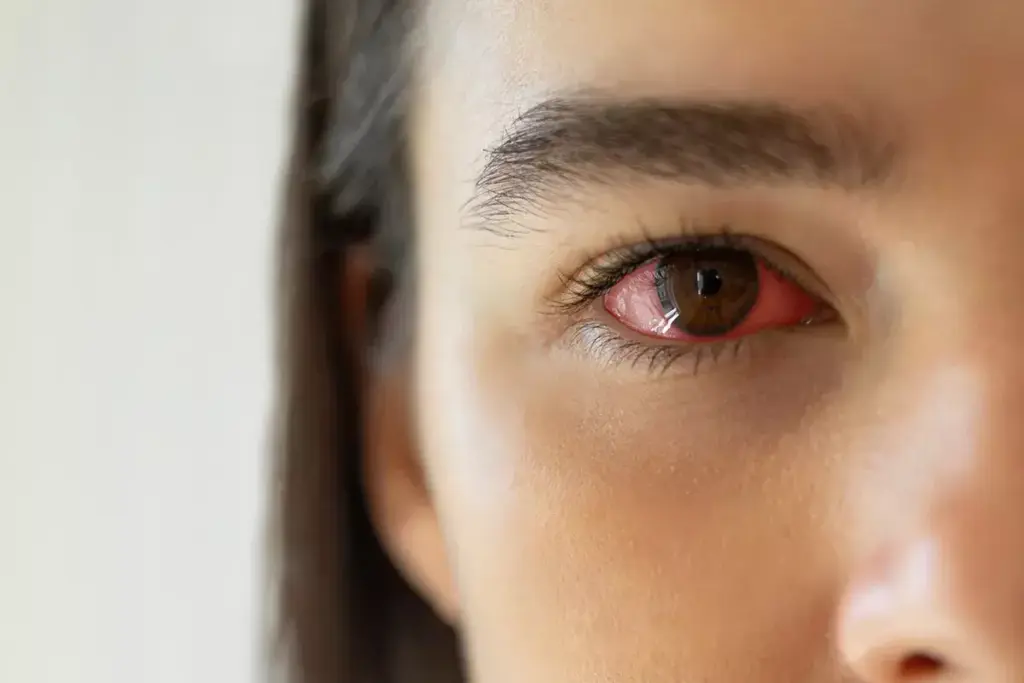
Managing VKC well needs a mix of avoiding allergens, using topical treatments, and handling flare-ups. This multi-step plan helps lessen symptoms and boosts life quality for those with VKC.
Allergen Avoidance Strategies
Start by cutting down on allergen exposure. Stay inside when pollen counts are high, use air purifiers, and wear eye protection outside. “Cutting down on allergens is key to controlling VKC symptoms,” studies say.
These steps can greatly lessen VKC symptoms. For example, HEPA filters in homes and cars can clear out allergens, lowering flare-up chances.
Topical Medications and Lubricants
Topical treatments are key in VKC care. Antihistamines, mast cell stabilizers, and dual-action agents help ease symptoms. In bad cases, topical corticosteroids may be needed to fight inflammation.
Using lubricants can also ease eye discomfort. Cool compresses and lid scrubs offer relief. A top eye doctor says, “Using topical meds wisely can greatly help VKC patients.”
Managing Acute Flare-Ups
Even with prevention, flare-ups can happen. Quick action is needed to avoid serious issues. Topical corticosteroids are often used for severe inflammation.
Working with an eye doctor to create a custom treatment plan is vital. This way, we can manage VKC well and lessen its daily impact. A recent clinical guide says, “A personalized approach to VKC management is essential for the best results.”
Advanced Therapies for Bilateral Allergic Conjunctivitis
We look at new ways to treat vernal keratoconjunctivitis beyond usual methods. For those with severe cases, these treatments are key to managing symptoms and bettering life quality.
Immunomodulatory Treatments
Immunomodulatory treatments have changed how we manage vernal keratoconjunctivitis. Cyclosporine and tacrolimus are effective in reducing inflammation and symptoms. They work by controlling the immune system, lessening allergic reactions.
- Cyclosporine is often the first choice because it’s effective and has fewer side effects.
- Tacrolimus is used when cyclosporine doesn’t work or can’t be tolerated.
A study in the Journal of Allergy and Clinical Immunology found cyclosporine greatly reduced symptoms in patients not helped by usual treatments.
— Medical Expert, Ophthalmologist
Surgical Interventions for Severe Cases
In severe cases, surgery might be needed. Procedures like shield ulcer repair and superficial keratectomy help manage disease complications.
Surgery is for those with serious complications, like shield ulcers or severe scarring. These surgeries aim to fix the cornea and improve vision.
Emerging Treatment Options
The future for treating vernal keratoconjunctivitis looks bright with new options coming. Biologics, like dupilumab, are being studied for treating severe allergies, including vernal keratoconjunctivitis.
- Dupilumab has shown promise in reducing inflammation and improving symptoms in severe allergic conditions.
- New treatments include novel immunomodulators and targeted therapies, aiming for better and safer options.
As research advances, we’ll see new and innovative treatments for vernal keratoconjunctivitis. This will lead to better outcomes for those with this challenging condition.
Conclusion
Vernal keratoconjunctivitis is a complex condition that needs a detailed treatment plan. Understanding its definition, symptoms, and treatment options helps those seeking healthcare. This knowledge aids in navigating the complexities of VKC.
Early diagnosis and treatment are key to better outcomes. We stress the need for ongoing management. This helps prevent complications and improves life quality for those with VKC.
A complete treatment plan is essential. It includes avoiding allergens, using topical medications, and applying lubricants. For severe cases, treatments like immunomodulators and surgery might be needed.
By taking a proactive and detailed approach to managing VKC, healthcare providers can help patients achieve the best results. This reduces the risk of long-term complications.
FAQ
What is Vernal Keratoconjunctivitis (VKC)?
VKC is a chronic eye condition. It causes inflammation in the conjunctiva and cornea.
What are the symptoms of VKC?
Symptoms include intense itching and photophobia. You may also see ocular hyperemia, cobblestone papillae, and Horner-Trantas dots.
How is VKC diagnosed?
Doctors diagnose VKC by looking for cobblestone papillae and Horner-Trantas dots. They also consider your medical history and do a thorough exam.
What are the first-line treatment approaches for VKC?
First-line treatments include avoiding allergens and using topical medications. This includes antihistamines and mast cell stabilizers. For acute flare-ups, doctors use topical corticosteroids.
What are cobblestone papillae?
Cobblestone papillae are a sign of VKC. They look like cobblestones on the conjunctiva due to chronic inflammation.
What are Horner-Trantas dots?
Horner-Trantas dots are small, white or yellowish spots at the limbus. They are made of eosinophils and other inflammatory cells, typical of VKC.
What are immunomodulatory treatments used for in VKC?
Treatments like cyclosporine and tacrolimus are used for severe VKC. They help reduce inflammation and manage symptoms.
When are surgical interventions necessary for VKC?
Surgery is needed for severe VKC cases. It helps with complications like shield ulcers.
What is limbal vernal keratoconjunctivitis?
Limbal vernal keratoconjunctivitis is a type of VKC. It affects the limbus, where the cornea meets the conjunctiva.
How can I manage VKC effectively?
Managing VKC well means avoiding allergens and using topical treatments. Regular monitoring is also key to prevent complications and improve your quality of life.
References
National Center for Biotechnology Information. Evidence-Based Medical Insight. Retrieved from https://pubmed.ncbi.nlm.nih.gov/22019091/