
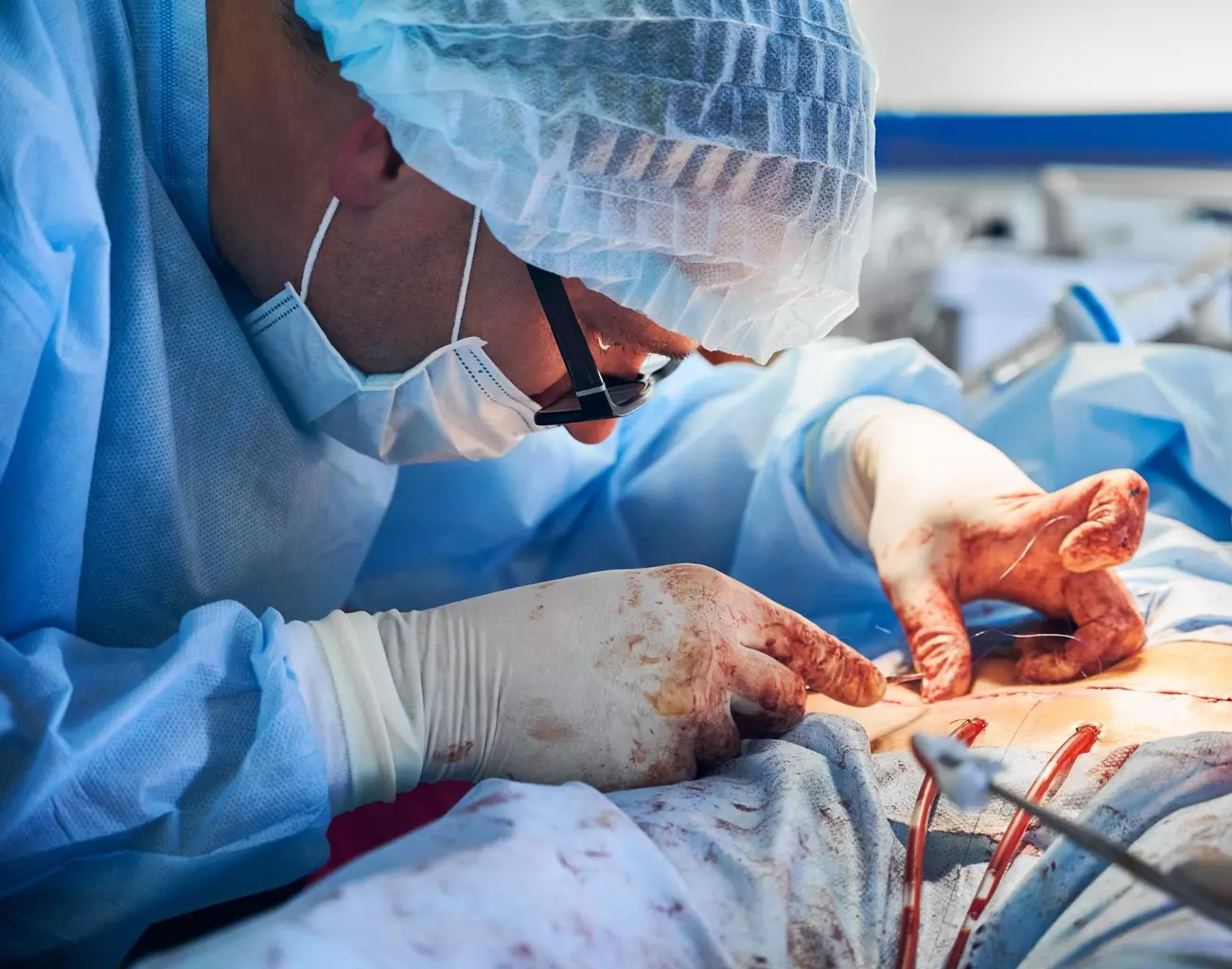
Understanding ACL reconstruction surgery is key for those with ACL injuries, like football player Lena Oberdorf. ACL reconstruction pictures are vital in explaining the surgery steps. They help patients get a clear picture of what to expect.
At Liv Hospital, we focus on our patients. We make sure they know everything about their ACL journey. ACL surgery pictures are important for showing each step, from making the incision to placing the tendon graft.
Key Takeaways
- ACL reconstruction surgery is a complex procedure that requires a thorough understanding.
- Visual aids like ACL reconstruction pictures help patients understand the surgery steps.
- Liv Hospital’s patient-centered approach ensures support throughout the ACL journey.
- ACL surgery pictures provide a clear guide to the procedure, including incision and graft placement.
- Understanding ACL reconstruction is essential for patients to make informed decisions.
What is an ACL and Why Does it Need Reconstruction?
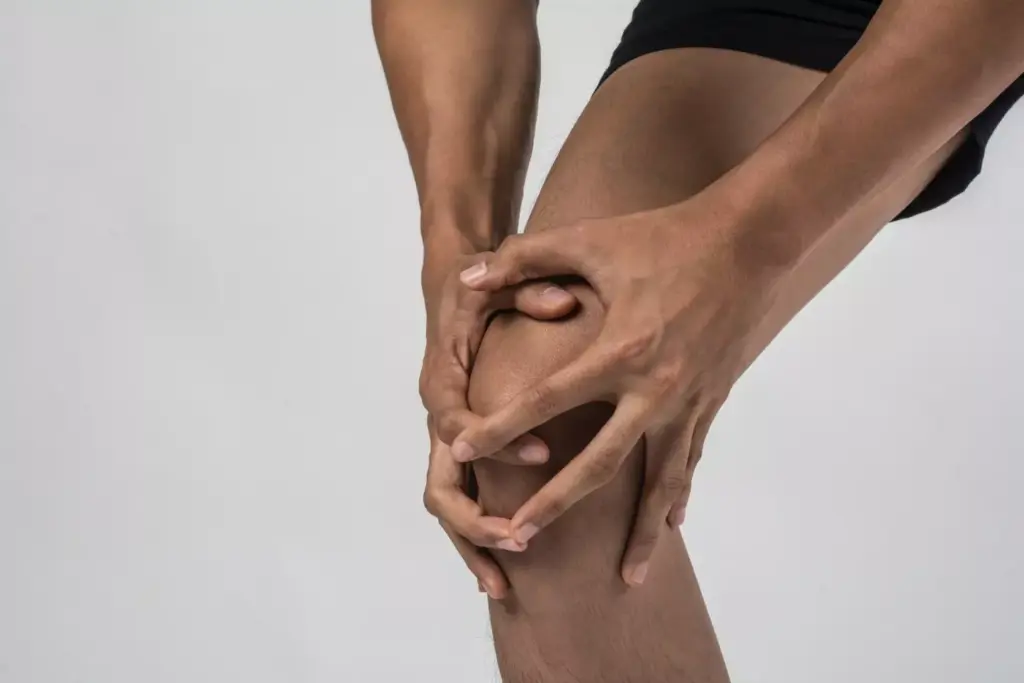
The ACL is key to knee function and often gets hurt in sports. It’s a ligament that keeps the knee stable. Knowing how it works helps us see why fixing it is sometimes needed.
Anatomy of the ACL in the Knee Joint
The ACL is in the knee’s middle, linking the thigh and shin bones. It’s strong and helps the knee stay stable, mainly when moving in circles or stopping suddenly. It works with other parts of the knee to let us move freely while keeping the joint strong.
The ACL’s structure is complex, attaching to bones around it. Its main job is to stop the shin bone from moving too far forward and to keep the knee stable when it rotates.
Common Causes of ACL Tears
ACL tears happen a lot in sports that involve quick stops, changes in direction, or direct hits. Soccer, basketball, and football are common places for ACL injuries. The ligament can stretch or tear from various causes, like:
- Direct blows to the knee
- Sudden deceleration
- Hyperextension of the knee
- Pivoting or twisting movements
These actions can stress the ACL a lot, causing it to get hurt. Knowing why ACL tears happen helps prevent them and makes treatment choices clearer.
When Surgery Becomes Necessary
Not every ACL injury needs surgery, but reconstruction is often suggested for the young, active, or those in sports that need quick turns. Surgery is also needed for those with knee instability or other injuries, like meniscal tears.
Choosing to have ACL reconstruction surgery is a big decision. It’s made after checking the knee with tests and seeing how it works. The surgery aims to make the knee stable and strong again, so people can get back to their usual activities.
Pre-Surgical Evaluation and Planning
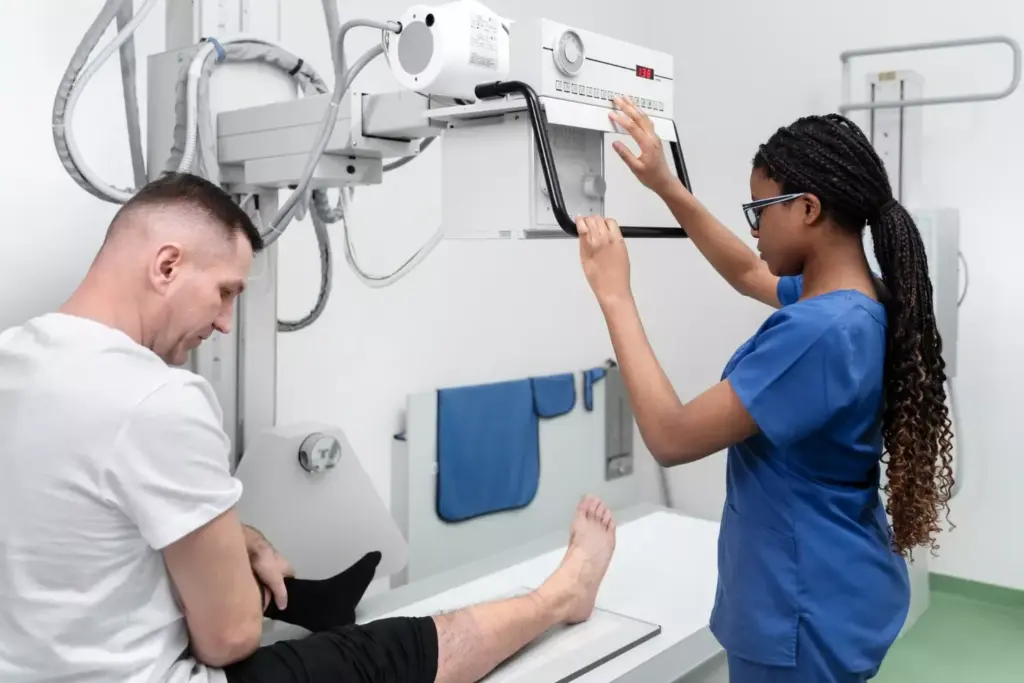
The journey to ACL reconstruction starts with a detailed pre-surgical evaluation. This phase is key to ensuring patients get care that fits their needs perfectly.
Diagnostic Imaging Techniques
Diagnostic imaging is essential for checking ACL damage. We use Magnetic Resonance Imaging (MRI) to see the ACL and other areas. MRI gives us clear images to plan the best surgery.
We also use X-rays to check bone health. This helps us spot any bone issues that might affect the surgery.
Determining Candidacy for Surgery
Not every ACL injury needs surgery. We look at each case carefully to decide if surgery is right. We consider the ACL tear’s severity, other knee injuries, activity level, and overall health.
Young or active patients with big ACL tears or other knee problems are often good candidates for surgery.
Choosing the Right Graft Type
Choosing the right graft is a big decision in ACL reconstruction. We think about the patient’s age, activity level, and what they prefer. The surgeon’s advice also plays a big role.
The main graft options are:
- Autografts (taken from the patient’s own body)
- Allografts (donated tissue)
Autografts can be further divided into:
| Graft Type | Description | Advantages |
|---|---|---|
| Patellar Tendon Graft | Taken from the patient’s own patellar tendon | Strong and reliable, with a high success rate |
| Hamstring Graft | Harvested from the patient’s hamstring tendons | Less post-operative pain, lower risk of kneeling pain |
Each graft has its benefits. The choice depends on the patient’s situation and the surgeon’s skill.
Understanding ACL Reconstruction Surgery Pictures: A Visual Guide
Visual guides have changed how we learn about ACL reconstruction surgery. ACL reconstruction surgery pictures show each step clearly. This makes it easier for patients to understand the surgery.
Benefits of Visual Learning for Surgical Procedures
Visual learning is key in medical education. ACL surgery pictures help patients understand the surgery better. This visual method has many benefits:
- It reduces anxiety by making patients familiar with the procedure.
- It helps patients understand complex surgical techniques better.
- It improves communication between patients and doctors.
A leading orthopedic surgeon says, “Visual aids are very helpful in teaching patients. They clearly show the surgery, easing worries and improving results.”
Types of ACL Surgery Images Available
There are many images used to teach about ACL reconstruction surgery. These include:
- Images before surgery showing the knee’s anatomy.
- Photos taken during surgery.
- Images after surgery showing recovery.
Surgical photographs are very useful. They show the surgery as it happens. These photos come from arthroscopic cameras or other medical tools.
How to Interpret Surgical Photographs
Understanding surgical photographs needs some knowledge. Here are some tips:
- Look for important anatomical landmarks.
- Know the surgical tools used.
- Follow the images to see how the surgery goes.
By following these tips, patients can understand their ACL surgery better. As technology improves, visual guides in medical education will grow more common.
“The future of medical education is in using new tech like 3D imaging and virtual reality. This will help patients understand and get better results.”
The Complete ACL Operation Procedure Explained
The ACL operation procedure is a detailed process to fix knee issues. It helps restore knee function and stability. You’ll learn what happens during ACL reconstruction surgery.
Patient Positioning and Anesthesia
First, the patient is placed on the operating table. The knee is made easy to reach for the team. Anesthesia is given to reduce pain and discomfort.
The type of anesthesia depends on the patient’s health and the surgeon’s choice.
Arthroscopic Equipment Setup
Arthroscopic tools are key in ACL surgery. A high-definition camera and special instruments help see the ACL. The arthroscope goes through small cuts, allowing for detailed knee views.
This setup means less invasion, faster recovery, and less scarring.
The ACL Incision Process
Small, planned cuts are made to get to the knee. These cuts are under a centimeter. The arthroscope and other tools are inserted through these openings.
The incision size and location depend on the patient’s knee and injury.
Joint Expansion with Saline Solution
To see better, the knee is filled with saline solution. This fluid makes the joint bigger, giving a clearer view. It also lowers the risk of problems and makes the surgery smoother.
| Step | Description | Key Considerations |
|---|---|---|
| Patient Positioning | Proper placement on the operating table | Accessibility for the surgical team |
| Anesthesia Administration | Type and dosage based on patient health | Minimizing discomfort and pain |
| Arthroscopic Equipment | High-definition camera and specialized instruments | Clear visualization of the ACL and surrounding tissue |
| ACL Incision | Small, carefully planned incisions | Minimal invasion and reduced scarring |
Graft Harvesting and Preparation Techniques
The success of ACL reconstruction relies heavily on graft harvesting and preparation techniques. Graft harvesting is key to getting a suitable graft for the surgery. This can be from the patient (autograft) or a donor (allograft).
Autograft Options: Patellar Tendon vs. Hamstring
Autografts are the top choice for ACL reconstruction because they have high success rates and lower disease transmission risks. The two main autograft options are the patellar tendon graft and the hamstring graft.
The patellar tendon graft, also known as the BTB graft, comes from the patient’s knee. It’s strong and fixes well, leading to quicker recovery. But, it might cause more knee pain after surgery.
Hamstring grafts use the semitendinosus and gracilis tendons. They are less invasive and have less knee pain risk. Yet, they might have a slight laxity risk if not tensioned right.
| Graft Type | Advantages | Disadvantages |
|---|---|---|
| Patellar Tendon Graft | Strong, rigid fixation, faster rehabilitation | Higher risk of anterior knee pain, kneeling pain |
| Hamstring Graft | Less invasive, lower risk of anterior knee pain | Potential for graft laxity if not properly tensioned |
Allograft Considerations
Allografts come from donors and are an option for those not suitable for autografts. They can make surgery shorter and reduce pain. But, there’s a small risk of disease transmission, though it’s very low with good screening.
When thinking about allografts, talk to your surgeon about the risks and benefits. This includes the chance of slower healing and higher graft failure risk compared to autografts.
Preparing the Tendon Graft for Placement
After harvesting, the graft needs preparation. This includes sizing, removing excess tissue, and preparing it for bone tunnel fixation. The graft is sized to fit well in the femur and tibia tunnels.
For more detailed information on ACL reconstruction techniques, including graft harvesting and preparation, you can refer to How to Understand ACL Reconstruction Surgerythis resource.
Proper graft preparation is key for ACL reconstruction success. Understanding the graft options and preparation methods helps patients grasp the surgery’s complexity and the importance of rehabilitation.
Procedure for ACL Reconstruction: Bone Tunnels and Graft Placement
During ACL reconstruction, surgeons create bone tunnels and place the graft. This is to restore knee function and stability. It’s a complex process that needs precision and skill.
Femoral Tunnel Creation
The first step is creating the femoral tunnel in the thigh bone. This tunnel holds one end of the graft. The tunnel’s location and angle are key for success.
Surgeons use guides and imaging to place the tunnel accurately. They match the tunnel’s size to the graft for a good fit.
Tibial Tunnel Drilling
Next, the tibial tunnel is drilled into the shin bone. It’s placed to align with the ACL’s natural attachment site. This ensures proper graft placement and knee mechanics.
Drilling both tunnels requires careful planning to avoid complications and promote healing.
Graft Passage and Positioning
After the tunnels are made, the graft is passed through them. Special instruments are used to position the graft correctly. It’s placed to mimic the natural ACL’s path and tension.
Surgeons are careful not to twist or damage the graft during passage. This is to ensure the best outcome.
Fixation Methods: Specialized Screws and Anchors
After the graft is in place, it’s secured with various methods. These include interference screws, cross-pins, or other anchors.
The choice of method depends on the graft type, patient anatomy, and surgeon preference. The goal is stable fixation for graft integration and knee stability.
Understanding the ACL reconstruction process helps patients appreciate the complexity and skill involved. It’s a detailed surgery that requires precision.
ACL Surgery Images: Post-Operative Assessment
Looking at ACL surgery images is key to checking if the surgery worked. These images help us see how the surgery went and how the patient is healing.
Immediate Post-Surgery Imaging
Right after surgery, we take images to see how the ACL repair went. Doctors check if the graft is in the right place and if the bone and soft tissue are okay. This helps spot any problems early.
What Surgeons Look For in Successful Procedures
Doctors look at several things to see if the ACL repair was a success. They check:
- If the graft is in the right spot in the bone tunnels.
- If the graft isn’t damaged or failed.
- If the graft is fixed in place correctly.
- The health of the soft tissues and bone around it.
They also watch for signs of complications like infection or hardware failure. By looking at these things, doctors can tell if the surgery was a success.
Using ACL Surgery Photos to Track Healing Progress
ACL surgery photos are useful not just right after surgery but also later on. By comparing them, doctors can see how the graft and tissues are healing. This helps them make the best plan for the patient’s recovery.
| Healing Stage | Typical Timeline | Characteristics |
|---|---|---|
| Initial Healing | 0-6 weeks | Graft integration starts, can’t bear much weight yet |
| Intermediate Healing | 6-12 weeks | Graft gets stronger, can bear more weight |
| Advanced Healing | 3-6 months | Graft is fully integrated, can do more activities |
“The use of post-operative imaging in ACL reconstruction surgery is a critical component of patient care, allowing for precise assessment of surgical outcomes and guiding rehabilitation strategies.” –
Rehabilitation and Recovery After ACL Reconstruction
The journey to recovery after ACL reconstruction is long and detailed. It involves a plan made just for you. This plan helps you regain strength, move better, and feel more confident in your knee.
Early Recovery Phase (0-2 Weeks)
The first weeks focus on easing pain and swelling. You’ll also work on moving your knee and building muscle around it. Here’s what you should do:
- Use crutches to avoid putting weight on the operated leg
- Perform gentle exercises to maintain knee mobility
- Manage pain through prescribed medication
Progressive Rehabilitation Exercises
As your knee gets better, the exercises get harder. They’re designed to strengthen your knee and improve how you move. You might do:
- Straight leg raises to strengthen the quadriceps
- Quad sets to improve muscle tone
- Balance and proprioception exercises to enhance knee stability
Progressive rehabilitation exercises are key to a successful recovery. They help you build muscle and improve knee function.
Return to Activity Timeline
When you can start doing sports or hard activities again depends on you. But, most people follow a similar plan. Here’s what it usually looks like:
| Timeframe | Activity Level |
|---|---|
| 0-2 weeks | Limited activity, focusing on pain management and initial healing |
| 2-6 weeks | Progressive strengthening and mobility exercises |
| 6-12 weeks | Advanced strengthening and functional training |
| 3-6 months | Return to sports-specific training and activities |
It’s vital to stick to your rehabilitation plan and timeline. Your healthcare provider made it to help you recover safely and effectively.
ACL Reconstruction Videos and Educational Resources
ACL reconstruction videos have changed how we teach patients. They make the surgery process clear. Visual aids help patients understand and prepare for their surgery.
Recommended Video Resources for Patient Education
There are many good videos to teach patients about ACL surgery. These include:
- Animated videos explaining the ACL anatomy and the surgical procedure
- Real surgical videos demonstrating the techniques used in ACL reconstruction
- Patient testimonials and recovery stories
We suggest patients watch these videos to fully understand their surgery.
3D Models and Interactive Learning Platforms
New technology has brought 3D models and interactive learning platforms. These tools offer:
- Detailed 3D visualizations of the knee joint and ACL
- Interactive simulations of the surgical procedure
- Personalized patient education plans
We use these tools to improve patient education and surgical results.
How Surgeons Use ACL Videos for Procedure Planning
Surgeons also find ACL videos helpful for planning. They use these videos to:
- Review complex cases and plan the optimal surgical approach
- Stay updated on the latest techniques and advancements in ACL reconstruction
- Educate their teams about the surgical procedure and patient care
We include video review in our planning to ensure the best outcomes for our patients.
By using ACL reconstruction videos and educational resources, we offer full care and support to our patients.
Conclusion: Empowering Patients Through Visual Understanding
Visual understanding is key for patients going through ACL reconstruction surgery. Knowing the surgery steps and the rehab process makes patients feel more in control. Advanced technologies like Augmented Reality (AR) make the surgery more precise. This leads to better results for the patient.
We’ve talked about how visual aids help in teaching patients about ACL surgery. Pictures and 3D models make learning easier and more engaging. As medical tech gets better, we’ll see even more ways to help patients understand their care.
By giving patients a clear view of ACL surgery, we help them feel more empowered. This leads to better recovery and a quicker return to normal life. We aim to support patients fully, helping them through every step of their treatment.
What is ACL reconstruction surgery?
ACL reconstruction surgery fixes a torn ACL in the knee. It uses a new ligament to replace the old one. This helps the knee work better and stay stable.
Why are ACL reconstruction surgery pictures important?
Pictures of ACL surgery help patients see what happens during the procedure. They understand the surgery better and know what to expect.
What are the common causes of ACL tears?
ACL tears often happen in sports. They can be caused by sudden stops, changes in direction, or direct contact. Other reasons include trauma, falls, and degenerative conditions.
How is candidacy for ACL reconstruction surgery determined?
Doctors check if you need ACL surgery by looking at your knee with imaging tests like MRI. They see how bad the damage is.
What are the different graft types available for ACL reconstruction?
There are several graft types for ACL surgery. These include autografts like the patellar tendon, hamstring, and quadriceps tendon. Allografts, or donor tendons, are also used.
What is the ACL operation procedure?
The ACL surgery process starts with setting up the patient and anesthesia. Then, the doctor uses arthroscopic equipment to make an incision and expand the joint. This makes it easier to see inside.
How is the tendon graft prepared for placement?
The graft is cleaned and sized to fit the bone tunnels. It’s then secured with screws and anchors.
What is the rehabilitation process after ACL reconstruction?
After surgery, the recovery involves several steps. These include early exercises and a timeline to get back to activities. It usually takes a few months.
How are ACL surgery images used post-operatively?
Post-surgery, images help doctors check the surgery’s success. They track healing and watch for any problems.
What are the benefits of using ACL reconstruction videos for patient education?
Videos help patients learn about the surgery and recovery. They show what to expect during the healing process.
How do surgeons use ACL videos for procedure planning?
Surgeons use videos to plan the surgery. They review the technique and prepare for any challenges.
What is the typical recovery time for ACL reconstruction surgery?
Recovery from ACL surgery takes several months. It usually ranges from 6 to 12 months, depending on the individual’s progress.
Can ACL reconstruction surgery be done arthroscopically?
Yes, ACL surgery can be done using a minimally invasive technique. This method uses smaller incisions and a camera for a better view.
References
- Professeur Cavaignac. ACL Rehab Protocol. https://www.professeur-cavaignac.com/anterior-cruciate-ligament/acl-rehab-protocol/
- Mammoth Orthopedic Institute. Anterior Cruciate Ligament Reconstruction Rehabilitation Protocol – Dr. Crall. https://www.mammothortho.com/pdf/acl-repair-crall.pdf