


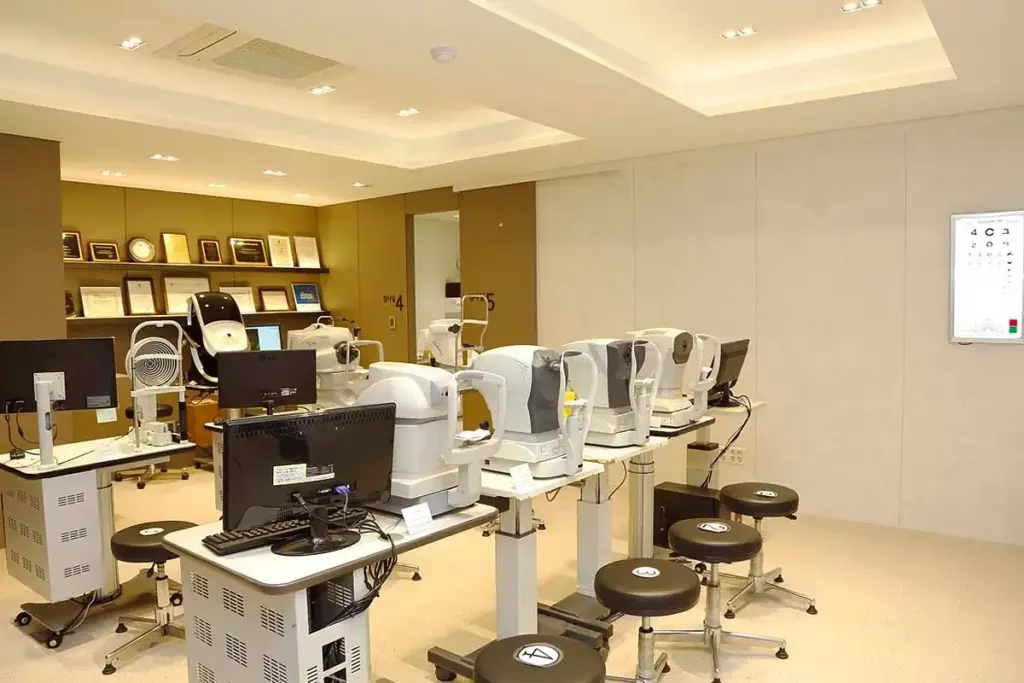
Keeping our eyes healthy is a journey we all take together. It’s about making sure our vision is clear and comfortable. We give you a full guide on how our body’s parts affect our sight. Knowing what your eyes need helps us give you care that’s both compassionate and tailored just for you.
The eye field is key to how we see the world every day. When we check your eye specification, we look at things like sphere and cylinder. These help us make lenses that meet strict health standards.
At Liv Hospital, we put our patients first with patient-centered care. We help you understand complex medical terms with support and ease. Our goal is to protect your sight and prevent damage before it’s too late.
Key Takeaways
- Specialized testing can reveal hidden vision loss before symptoms appear.
- Corrective prescriptions include details like sphere, cylinder, and axis.
- Pupillary distance is essential for the proper alignment of your lenses.
- Early detection of conditions like glaucoma prevents permanent damage.
- Advanced medical standards ensure your vision receives world-class care.
The Biological Foundations of the Eye Field
The eye field’s development is a mix of genetics and environment during early growth. It’s a key area in the embryo that forms the eyes.
Defining the Eye Field in Embryonic Development
The eye field starts to form early in the embryo. Genetic and molecular events are tightly controlled during this time. This sets the stage for the eyes to develop.
This stage is vital for the eyes to form correctly and work right.
Signaling Pathways and Transcription Factors
Signaling pathways, like those involving Pax6, are key in eye field development. Pax6 is a gene that’s vital for eye growth in many animals.
These pathways and genes work together to help the eye field develop. This leads to the creation of fully formed eyes.
We’ll dive deeper into how genetics and molecules shape the eye field. This knowledge is important for understanding eye growth and finding new treatments.
Mechanisms of Eye Specification and Patterning
Understanding how eyes develop is key to learning about life’s early stages. The eye’s complex parts come from specific cell patterns. This happens thanks to a mix of genes and environment.
The eye field’s formation is the first step. Then, special genes like Pax6 start controlling eye growth. Pax6 is important for eye development in many animals.
The Role of Pax6 and Master Regulatory Genes
Pax6 and other key genes are vital for eye formation. They manage the genes needed for the eye’s detailed parts. If these genes don’t work right, eyes can develop abnormally.
The table below shows how Pax6 and other genes help eyes grow:
| Gene | Function in Eye Development |
| Pax6 | Regulates the development of the eyes, including the formation of the lens and retina. |
| Rx | Involved in the specification of the eye field and retinal development. |
| Six3 | Plays a role in the regulation of eye development and is involved in the suppression of non-ocular cell fates. |
Transitioning from Specification to Morphogenesis
Eye development changes from a plan to actual growth. This is when cells start to grow, change, and move. They form the eye’s complex parts.
This stage is essential for a working eye. Many cell actions work together. This ensures the eye grows right, both in shape and function.
Conclusion
We’ve looked into how the eye develops. The eye field is key in this process. It shapes the eye’s structures through complex genetics and molecules.
Signaling pathways and genes like Pax6 help shape the eye. They work together to ensure the eye forms correctly.
Learning about eye development is vital for biology and medicine. It helps us understand vision and eye health better. This knowledge can lead to new ways to treat eye problems.
FAQ
What exactly is the eye field in human development?
The eye field is a region in the developing embryo that will give rise to the eyes. It contains cells programmed to form the retina, lens, and optic nerves.
Why is the transcription factor Pax6 so critical for vision?
Pax6 regulates genes essential for eye formation. Without it, the eyes may not develop properly, leading to conditions like aniridia or other vision defects.
How does the process of eye specification differ from morphogenesis?
Eye specification determines which cells become part of the eye, while morphogenesis shapes and structures the eye into its final form.
What happens if there is a disruption in the signaling pathways during eye field formation?
Disruptions can lead to malformations such as missing eyes (anophthalmia), small eyes (microphthalmia), or other structural defects.
How does understanding these biological mechanisms improve clinical eye care?
Studying eye development helps identify genetic causes of congenital eye disorders and guides targeted treatments or preventive strategies.
Are the measurements for an eye prescription related to eye specification?
No, prescription measurements (like sphere, cylinder, and axis) relate to optical focus and refractive errors, not the embryonic specification of eye tissues.
References
National Center for Biotechnology Information. Evidence-Based Medical Insight. Retrieved from https://pubmed.ncbi.nlm.nih.gov/9233551/


 Departments
 Related Videos
 Our Doctors
 News
News


