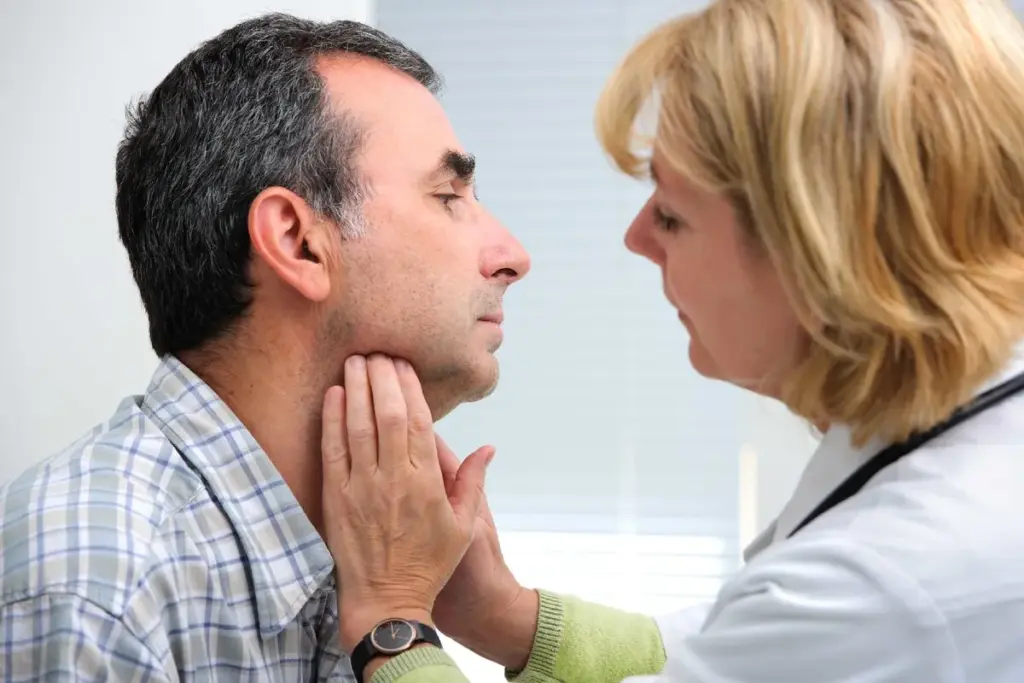
Finding a small bump in the groin can be surprising. But, these tiny defenders are key to your health. They grow when your body fights off viruses or bacteria.
A perm animated visual or a sperm fertilizing an egg video shows how life starts. Your body also has ways to protect that life. Seeing how cells ertilize egg targets is a natural miracle, like your immune response.
At Liv Hospital, we focus on your peace of mind. Our specialists treat inguinal lymph node swelling with care and international standards. We make sure every patient has a clear path to recovery and wellness.
Key Takeaways
- Groin bumps often signal that your immune system is active.
- Most cases result from minor infections or simple inflammation.
- Liv Hospital uses a patient-centered approach for all evaluations.
- Seeking professional advice helps ensure a quick and safe recovery.
- International standards guide our treatment plans.
- Understanding the cause is vital for your peace of mind.
Understanding Inguinal Lymph Node Function and Swelling
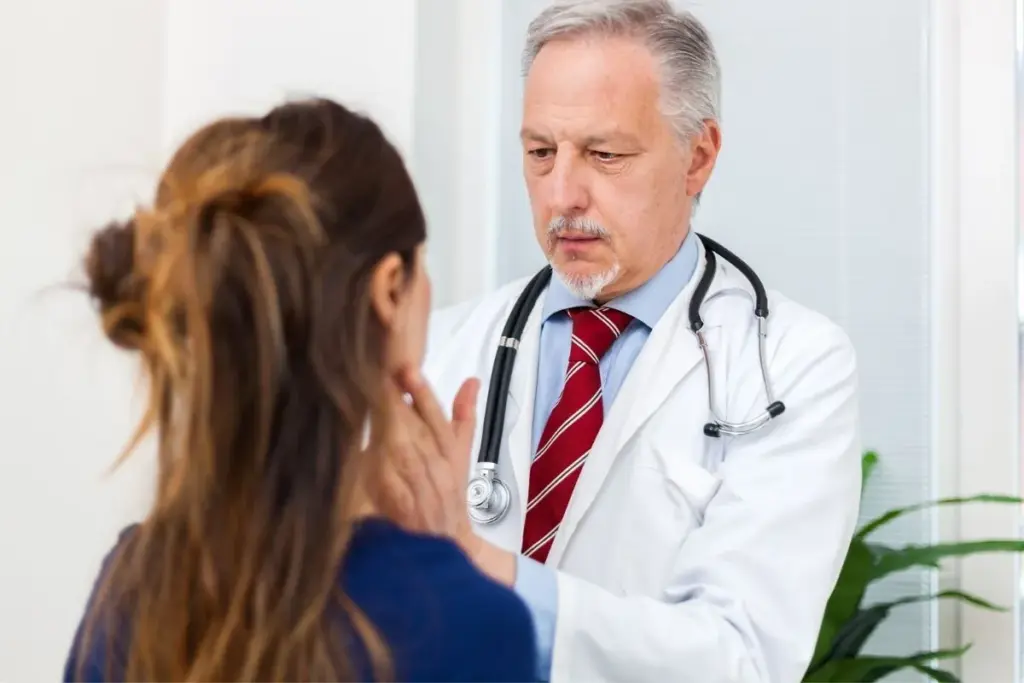
The inguinal lymph nodes are in the groin area. They filter lymph fluid and catch pathogens. These nodes are key to our immune system, acting as filters to protect us from infection.
What Are Inguinal Lymph Nodes
Inguinal lymph nodes are split into two types: superficial and deep nodes. The superficial nodes are near the skin. They get lymph from the lower belly, buttocks, and legs. The deep nodes are near the femoral vein. They are important for filtering lymph fluid.
| Type of Node | Location | Function |
| Superficial Nodes | Close to the skin | Receive lymph from lower abdominal wall, buttocks, and legs |
| Deep Nodes | Near the femoral vein | Filter lymph fluid |
The Medical Term: Inguinal Lymphadenopathy
Swelling of the inguinal lymph nodes is called inguinal lymphadenopathy. It can happen for many reasons, like infections, inflammatory diseases, or cancers. Knowing the cause is key for the right treatment.
How Your Body Responds to Threats
When the body finds pathogens or foreign substances, the lymph nodes swell. This swelling means the immune system is fighting off a threat. The inguinal lymph nodes, being part of this system, swell when there’s an infection in the lower body.
Understanding why inguinal lymph nodes swell is important. These nodes play a big role in our health. Their reaction to infections and diseases is a key part of our body’s defense.
Common Causes of Swollen Inguinal Lymph Nodes
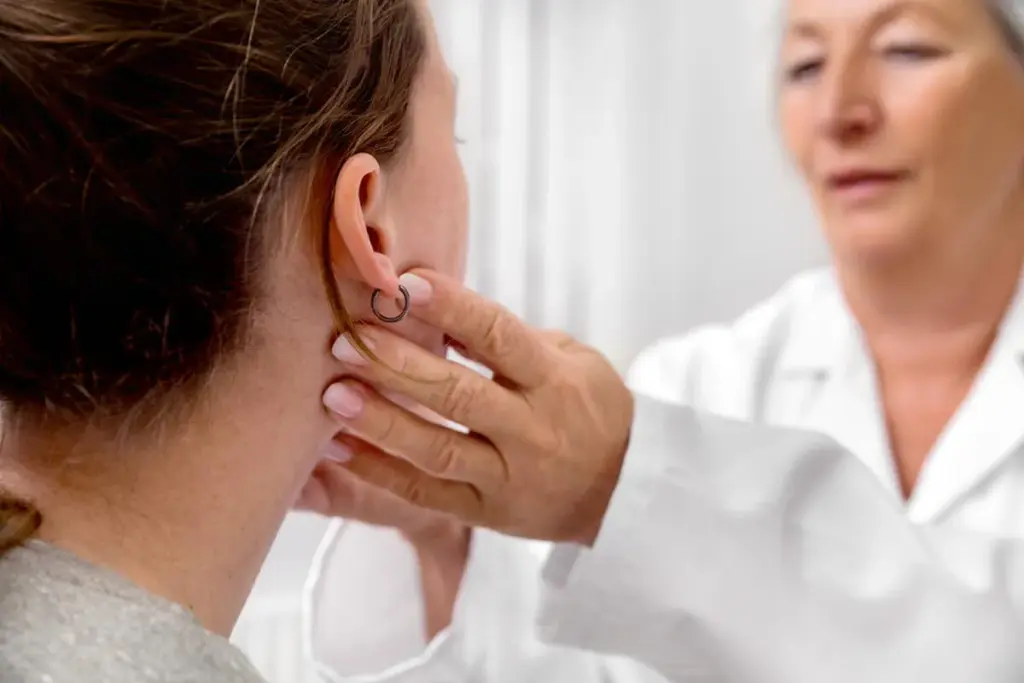
Inguinal lymphadenopathy, or swelling in the groin area, can come from many sources. It usually means the body is fighting an infection in the legs, genitals, or pelvis.
Bacterial and Viral Infections
Bacterial infections often cause swollen lymph nodes in the groin. For example, cellulitis, a bacterial skin infection, can lead to this swelling. Viral infections, like HIV, also make lymph nodes swell as the body fights the infection.
Sexually Transmitted Infections
Sexually transmitted infections (STIs) are another big reason for swollen lymph nodes in the groin. Infections like chlamydia and gonorrhea can make lymph nodes get bigger. If you think you might have an STI, it’s important to see a doctor for the right diagnosis and treatment.
Fungal Infections
Fungal infections, like jock itch (tinea cruris), can also cause swollen lymph nodes. These infections are treated with antifungal meds and keeping clean.
Serious Conditions and Malignancies
In some cases, swollen lymph nodes in the groin can mean a serious problem, like cancer. Cancers like lymphoma, leukemia, testicular cancer, and cancers of the vulva or penis can cause this. Getting a thorough medical check-up is key to finding out what’s causing it.
Here’s a quick look at what can cause swollen inguinal lymph nodes:
| Cause | Description | Examples |
| Bacterial Infections | Infections caused by bacteria | Cellulitis |
| Viral Infections | Infections caused by viruses | HIV |
| Sexually Transmitted Infections | Infections transmitted through sexual contact | Chlamydia, Gonorrhea |
| Fungal Infections | Infections caused by fungi | Jock itch (Tinea cruris) |
| Malignancies | Cancerous conditions | Lymphoma, Leukemia, Testicular Cancer |
Recognizing Symptoms and Knowing When to Act
Spotting the signs of swollen inguinal lymph nodes is key to better treatment. Finding these symptoms early helps patients get the care they need quickly.
Physical Signs of Inguinal Lymph Node Swelling
The signs of swollen inguinal lymph nodes can vary. They often include noticeable swelling that can be mild or severe. The area might feel tender or painful when pressed.
There could also be warmth and redness on the skin above. These signs show the body is reacting to something it doesn’t like. It’s a sign that you should see a doctor.
Other symptoms like fever, night sweats, or weight loss can also appear. These are warning signs of a bigger problem. They mean you need to see a doctor right away.
When to Seek Medical Attention
It’s important to know when to go to the doctor. If you have persistent or severe swelling in your groin, see a healthcare professional. Other reasons to visit the doctor include:
- Pain or tenderness in the groin area
- Redness or warmth around the swollen lymph node
- Fever or night sweats
- Unexplained weight loss
Getting a diagnosis and treatment early can make a big difference. Stay alert to your body’s signals. And don’t hesitate to get medical help when you need it.
Conclusion
It’s key to know why and how inguinal lymph nodes swell. This knowledge helps find the right medical help. Treatment can include antibiotics, antivirals, or anti-inflammatory drugs. Sometimes, more tests are needed to find the cause and the right treatment.
Watching videos on fertilization can help people understand it better. These videos show how sperm meets the egg. They also offer insights into human reproduction and health issues.
Spotting swollen lymph nodes and getting medical help is important. This way, people can get the right treatment on time. We stress the need for medical evaluation and care for this health issue.
FAQ
What are the primary functions of the inguinal lymph nodes within the immune system?
The inguinal lymph nodes are key filters in our bodies. They sit in the groin area and have two types: superficial and deep. Their main job is to filter lymph fluid from the legs, feet, and pelvic area.
They trap pathogens and foreign particles. This makes them a first line of defense. They start an immune response when they find a threat.
What does the term “inguinal lymphadenopathy” specificall mean?
Inguinal lymphadenopathy means the lymph nodes in the groin are swollen. It’s not a disease but a sign that your body is reacting to something. This could be an infection, injury, or cancer.
Finding out what’s causing the swelling is our main goal during a medical check-up.
When should we seek medical attention for swollen nodes in the groin?
You should see a doctor if the swelling lasts more than two weeks or feels hard and fixed. It’s also important to act fast if you have symptoms like fever, night sweats, or sudden weight loss.
Getting checked early at places like Medical organization or Johns Hopkins Medicine is key for the best care.
Can infections in other parts of the body cause these nodes to swell?
Yes, infections in the lower belly, buttocks, and legs can make the nodes swell. This includes bacterial, viral, or fungal infections. Common causes are cellulitis, skin infections, or systemic issues.
Where does fertilization occur in females, and how is it related to reproductive health?
Fertilization in females usually happens in the fallopian tubes. Knowing this is important for reproductive health. We offer educational videos to help patients understand how fertilization works.
This is helpful for those looking into fertility treatments.
Are there visual resources available to help explain the fertilization process?
Yes, we have tools like cartoons and animated sequences to explain fertilization. For a closer look, patients can watch videos of sperm fertilizing an egg. These resources help make the process clear.
They show the moment when life begins.
How can I learn more about the biological steps of egg sperm fertilization?
Watching a fertilization video or an ideo is a good start. Detailed videos can explain how sperm and eggs interact. Seeing these processes helps patients understand the complexity of fertilization.
References
National Center for Biotechnology Information. Evidence-Based Medical Insight. Retrieved from https://www.ncbi.nlm.nih.gov/books/NBK557639/



 Departments
 Related Videos
 Our Doctors
 News
News