
Understanding vertical tummy tuck incisions is key for those thinking about this surgery. This method, known as vertical abdominoplasty, tackles both horizontal and vertical skin looseness. It’s a deeper fix for those who have lost a lot of weight or had kids.
This surgery uses a traditional horizontal cut plus a vertical incision. It creates a T-shaped scar, also called the fleur-de-lis technique. This way, patients get more than just a surface-level change. For more on tummy tuck types, including the fleur-de-lis abdominoplasty, check out the options.
Key Takeaways
- Vertical abdominoplasty addresses both horizontal and vertical skin laxity.
- The procedure involves a T-shaped or inverted T-shaped scar pattern.
- It is suitable for patients seeking dramatic improvement after significant weight loss or pregnancy.
- The fleur-de-lis technique is used to remove excess skin and soft tissue in both horizontal and vertical planes.
- Patients should be aware of the possible more extensive and visible scarring.
What is a Vertical Tummy Tuck?
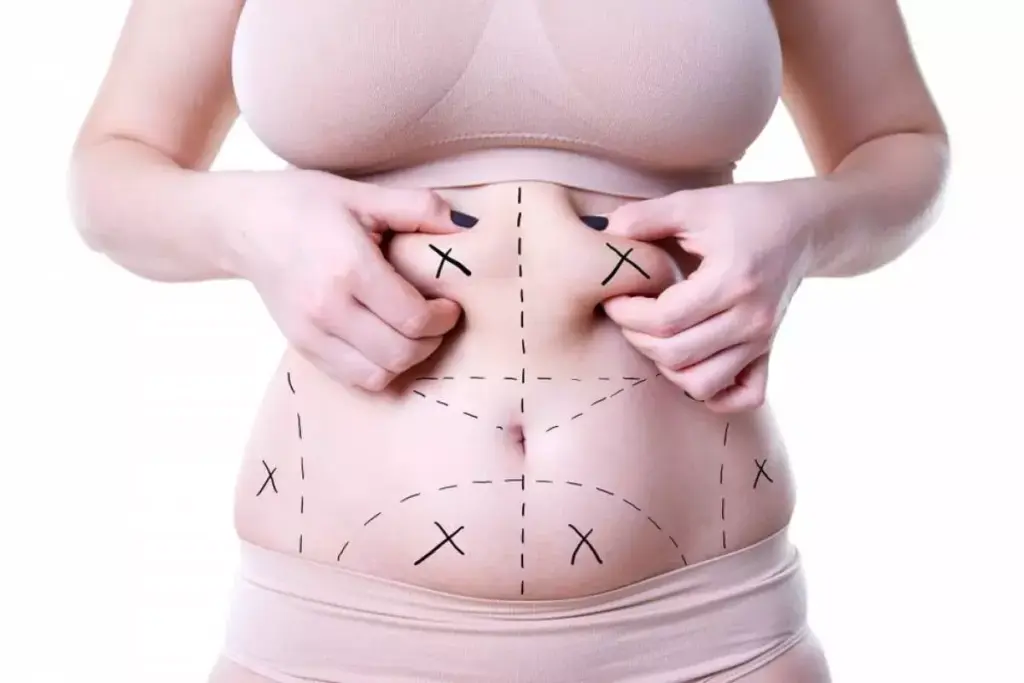
The vertical tummy tuck is a special kind of abdominoplasty. It removes extra skin and fat from the upper and lower belly. It’s great for people who have lost a lot of weight, needing a full makeover of their belly.
Definition and Basic Concept
A vertical tummy tuck is a surgery that fixes both the horizontal and vertical skin issues. It uses a special cut to take away more skin and fat.
Every person is different, and this surgery is made to fit those with a lot of extra belly skin.
Comparison to Traditional Abdominoplasty
Traditional abdominoplasty mainly deals with the lower belly, tightening muscles and moving the navel. But, a vertical tummy tuck adds a vertical cut for the upper belly, making it bigger.
The big difference is the cut and what it fixes. Traditional surgery is for the lower belly, while the vertical tummy tuck is for the whole belly.
| Procedure | Incision Pattern | Areas Addressed |
| Vertical Tummy Tuck | Vertical and horizontal incisions | Upper and lower abdomen |
| Traditional Abdominoplasty | Horizontal incision | Lower abdomen |
Understanding Vertical Tummy Tuck Incision Patterns
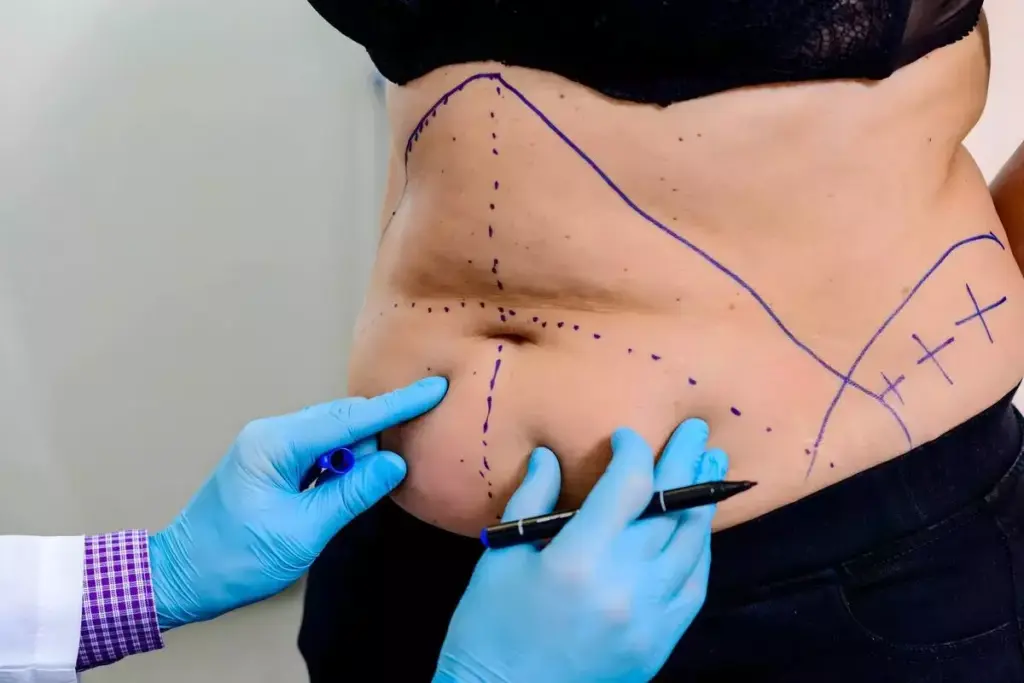
Vertical tummy tuck surgeries use different incision patterns. Each pattern is chosen based on the patient’s needs and body shape. The right incision pattern is key to a good surgery outcome and recovery.
T-Shaped and Inverted T-Shaped Incisions
T-shaped and inverted T-shaped incisions tackle excess skin in two ways. The T-shaped incision goes from the lower breastbone to the pubic area, with a line along the bikini line. It’s great for those with a lot of skin laxity after losing a lot of weight.
The inverted T-shaped incision is for when there’s more skin to remove horizontally. Both methods help remove extra skin and fat, making the belly smoother.
The Fleur-de-Lis Technique Explained
The Fleur-de-Lis abdominoplasty uses a vertical incision from the lower breastbone to the pubic area. It also has a horizontal incision, making a fleur-de-lis shape. It’s best for those who have lost a lot of weight and have skin in both directions.
For more details on the Fleur-de-Lis technique, check out this resource. It explains the procedure and its benefits in depth.
| Incision Pattern | Description | Best For |
| T-Shaped | Vertical incision with a horizontal incision along the bikini line | Patients with significant vertical and horizontal skin laxity |
| Inverted T-Shaped | Similar to T-Shaped but with more emphasis on horizontal excess skin | Patients with pronounced horizontal skin excess |
| Fleur-de-Lis | Vertical incision with a horizontal component, resembling a fleur-de-lis | Patients with significant weight loss and excess skin in both directions |
Knowing about the different incision patterns in vertical tummy tucks is key. It helps patients make the best choice for their surgery. Each method has its own benefits and fits different needs.
Who Benefits from Vertical Abdominoplasty
Vertical abdominoplasty is a key surgery for those needing more than a standard tummy tuck. It’s great for people with complex belly issues that regular tummy tucks can’t fix.
Post-Bariatric Surgery Patients
Those who have had bariatric surgery often lose a lot of weight. This leads to loose skin that’s hard to deal with. The vertical cut lets doctors remove extra skin in both directions, fixing the problem better.
People after bariatric surgery face big challenges. Their belly skin is very loose and can hang down to their sides and back. Vertical abdominoplasty helps by taking off more skin and improving the belly’s look.
Patients with Significant Horizontal and Vertical Laxity
Those with a lot of loose skin in both directions also benefit from this surgery. Their belly skin looks saggy, making it hard to fix with just a regular tummy tuck.
The vertical cut helps fix both kinds of looseness. This makes the belly look tighter and younger. It’s good for people who have lost a lot of weight or have loose skin from aging or genes.
Understanding who benefits from vertical abdominoplasty shows its importance. It helps people with complex belly problems get the best results from surgery.
Conclusion: Recovery and Long-Term Results of Vertical Incisions
Knowing about vertical tummy tuck incisions is key for those thinking about it. We’ve looked into the method, its benefits, and who it’s best for. This includes the T-shaped and Fleur-de-Lis techniques.
Recovering from a vertical abdominoplasty needs careful post-op care. This helps avoid problems and speeds up healing of the vertical cut. The long-term results are usually good, with a better-looking belly and tighter skin.
Choosing the right patient and planning the surgery well is vital. This is true for those with a lot of loose skin who need a vertical cut. Whether to go for a vertical or horizontal cut depends on the patient’s needs and the extent of the surgery.
Understanding the different cuts and recovery helps patients make better choices. This leads to more satisfying results from their tummy tuck.
FAQ
What is a vertical tummy tuck, and how does it differ from a traditional tummy tuck?
A vertical tummy tuck, or vertical abdominoplasty, tackles both horizontal and vertical skin looseness on the belly. It stands out from the usual tummy tuck by adding a vertical cut. This creates a T-shaped or inverted T-shaped scar.
What are the benefits of a vertical tummy tuck for patients who have experienced significant weight loss?
For those who have lost a lot of weight, a vertical abdominoplasty is very helpful. It removes extra skin in both directions. This leads to a full refresh of the belly area.
What is the fleur-de-lis technique, and how is it used in vertical tummy tuck procedures?
The fleur-de-lis technique uses a vertical cut from the lower breastbone to the pubic area, plus a horizontal one. It’s used for patients with a lot of skin looseness on their belly.
What are the characteristics and implications of T-shaped and inverted T-shaped incisions in vertical tummy tuck procedures?
T-shaped and inverted T-shaped cuts help remove extra skin in both directions. They offer a full refresh of the belly but might leave a bigger scar.
How does the recovery process for a vertical tummy tuck compare to traditional horizontal abdominoplasty?
The recovery for a vertical tummy tuck might be longer because of the extra vertical cut. But, it’s similar to the usual tummy tuck in terms of managing pain, swelling, and scarring.
What are the long-term results of vertical incisions in tummy tuck procedures?
Vertical incisions in tummy tucks usually stay stable over time. The scar will mature. But, the scar’s look can change based on skin type and healing.
Who is a suitable candidate for a vertical tummy tuck?
Those who have lost a lot of weight, like after bariatric surgery, or have a lot of skin looseness are good candidates. They need a vertical tummy tuck.
What is the significance of understanding vertical tummy tuck incisions for patients considering abdominoplasty?
Knowing about vertical tummy tuck incisions is key for those thinking about this surgery. It helps them make informed choices and have the right expectations about the results.
References
https://pmc.ncbi.nlm.nih.gov/articles/PMC7891258



 Departments
 Related Videos
 Our Doctors
 News
News