Amblyopia, or lazy eye, is a common issue in kids that can cause vision problems if not treated. Traditional methods like patching the stronger eye can be hard for kids to accept. Atropine eye drops offer a better option, with kids and parents more likely to accept them.
Atropine makes the stronger eye bigger, helping the weaker eye get used more. Studies show it works well, with success rates between 74% and 79%. For families dealing with amblyopia, knowing how to use atropine eye drops is very important.
Key Takeaways
- Atropine eye drops are an effective treatment for amblyopia.
- They work by dilating the stronger eye to encourage use of the weaker eye.
- Clinical success rates range from 74% to 79%.
- Atropine drops are often better accepted than traditional patching methods.
- Proper administration is key to the success of the treatment.
Understanding Amblyopia (Lazy Eye)

Amblyopia, or lazy eye, is when one eye doesn’t see well. It often happens because of squinting or big differences in eye prescriptions. It’s a childhood problem that can make one eye see poorly if not treated.
What Causes Amblyopia in Children
Many things can cause amblyopia in kids. The main reasons are squinting eyes and big differences in eye prescriptions. Other causes include cataracts or other vision problems.
To understand the causes better, let’s look at a summary:
| Cause | Description | Effect on Vision |
| Strabismus (Squint) | Eyes are misaligned | Can cause amblyopia if not corrected |
| Refractive Errors | Significant difference in prescription between eyes | Can lead to amblyopia if not treated |
| Cataracts | Clouding of the lens in the eye | Can cause amblyopia if not removed |
Signs and Symptoms to Watch For
Spotting amblyopia early is key to treating it well. Look out for these signs:
- Squinting or shutting one eye
- Poor depth perception
- Tilting or turning the head to see
- Difficulty with tasks that require precise vision
Parents and caregivers should watch for these signs. If they see anything unusual, they should see an eye specialist.
Why Early Treatment is Critical
Early treatment of amblyopia is very important. Young children’s brains can change and adapt more easily. The best time for treatment is usually before age 7-8, but it depends on the child and the problem.
Early treatment can greatly improve success rates. It helps avoid long-term vision problems. Regular eye exams for kids are a good idea to catch any issues early.
Amblyopia Eye Drops: How Atropine Works
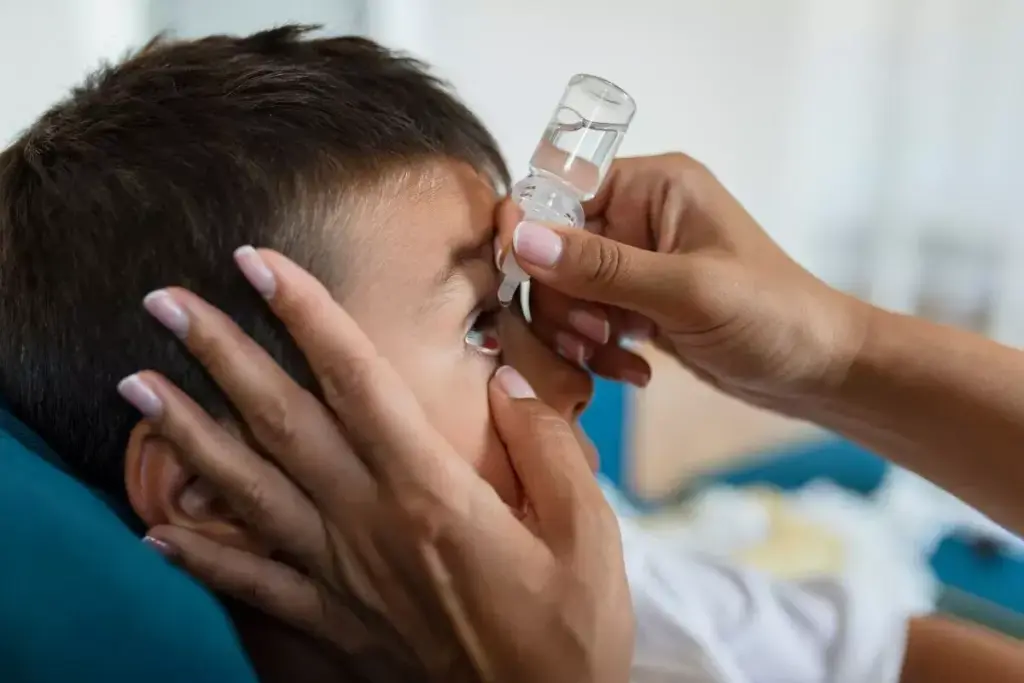
Atropine sulfate is a medication used to treat amblyopia. It makes the stronger eye blurry. This helps the weaker eye get stronger.
Atropine dilates the pupil and stops the ciliary muscles from working. This affects how the eye focuses. It makes the treated eye bad at seeing close things, so the brain uses the amblyopic eye more.
The Science Behind Atropine Sulfate
The main part of atropine eye drops is atropine sulfate. It blocks acetylcholine at muscarinic receptors in the eye. This causes the pupil to get bigger and makes focusing on close things hard.
How Atropine Forces the Weaker Eye to Work
Atropine makes the stronger eye unable to focus well. This makes the weaker eye better for seeing things. It uses the brain’s ability to adapt and improve the weaker eye’s vision.
Atropine 1% Concentration Explained
The 1% concentration of atropine is best for treating amblyopia. It works well without causing too many side effects. This concentration is proven to be the best for making the eye blurry and dilated.
In short, atropine sulfate eye drops are a key part of treating amblyopia. They are easy to use and help the weaker eye get better. Knowing how atropine works helps us see its importance in eye care.
Step-by-Step Guide to Administering Atropine
To get the most out of atropine treatment, it’s key to use the eye drops right. Administering atropine eye drops is easy if you know the steps. We’ll show you how to prepare, apply, and store the drops.
Preparing for Application
Before you start, make sure you’re in a clean, comfy spot. Wash your hands well with soap and water to avoid infection. Having a mirror nearby helps you see what you’re doing.
- Check the expiration date of the atropine eye drops.
- Ensure the bottle is not contaminated or damaged.
- Read the instructions provided by your doctor or pharmacist.
Correct Administration Technique
Using atropine eye drops needs a gentle touch. Here’s how to do it:
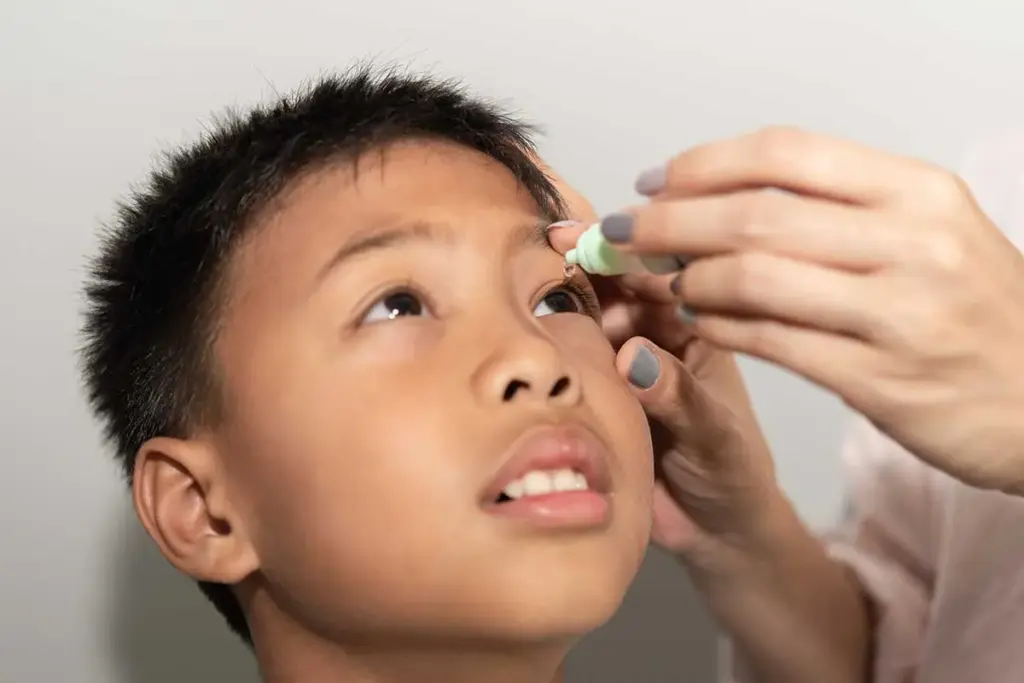
- Tilt your head back and look upwards.
- Gently pull the lower lid down to form a pocket.
- Place the prescribed number of drops into the pocket.
- Release the lower lid and close your eyes for a few seconds.
- Wipe away any excess liquid with a clean tissue.
For more detailed information on atropine treatment, you can refer to this clinical research document.
Daily Routine and Storage Tips
Adding atropine eye drops to your daily routine is easy with a few tips:
- Administer the drops at the same time every day.
- Store the bottle in a cool, dry place, away from direct sunlight.
- Keep the bottle tightly closed when not in use.
- Do not touch the dropper tip to any surface to avoid contamination.
By following these steps and tips, you can use atropine eye drops effectively for treating amblyopia. If you have trouble or side effects, talk to your healthcare provider.
Effectiveness, Side Effects, and Considerations
Atropine eye drops are a top choice for treating amblyopia. They have strong support from clinical research. It’s key to know how they work and compare to other treatments like patching therapy.
Clinical Research Results
Studies show atropine eye drops work for 74-79% of kids with amblyopia. This means most children see big improvements. The drops blur the stronger eye, making the weaker eye work harder and get stronger.
Atropine vs. Patching: Comparative Benefits
Atropine eye drops and patching both treat amblyopia well but differently. Drops dilate the stronger eye, while patches cover it. Some kids prefer drops because they avoid skin irritation and the stigma of wearing a patch.
Managing Common Side Effects
Atropine eye drops are mostly safe but can cause side effects. These include blurred vision, light sensitivity, and eye irritation. To handle these, parents can:
- Use sunglasses to reduce light sensitivity
- Give the drops at bedtime to lessen blurred vision impact
- Watch for eye irritation and see a doctor if it doesn’t go away
When to Contact Your Doctor
Parents should know when to call the doctor with atropine eye drops. Severe side effects like eye pain, blurred vision, or allergic reactions need immediate attention. Regular check-ups with your doctor are also important to track treatment success and address any issues.
Conclusion
We’ve looked into using atropine eye drops for treating amblyopia, or lazy eye. These drops are a handy and effective way to treat amblyopia, unlike traditional patching methods. They have a high success rate in making the weaker eye stronger.
Doctors often use atropine 1% for treating amblyopia. It works by making the stronger eye blurry. This makes the weaker eye work harder, getting stronger. It’s great for kids because it’s easy to use and fits into their daily routine.
When using atropine eye drops for amblyopia, it’s key to stick to the treatment plan. Also, watch out for any side effects. Regular visits to an eye doctor are important. They help adjust the treatment for the best results.
Understanding how to use atropine eye drops can help treat amblyopia and improve vision. This method, supported by research, is a solid choice for those looking to treat amblyopia.
FAQ
What is amblyopia, and how do atropine eye drops help treat it?
Amblyopia, or lazy eye, is when one eye sees poorly because of brain issues. Atropine eye drops blur the strong eye’s vision. This makes the weak eye work harder and get stronger.
How do I administer atropine eye drops correctly?
First, wash your hands and tilt your head back. Pull the lower lid down to make a pocket. Put one drop in the pocket, close your eyes, and press the eye’s corner for a minute.
What is atropine sulfate, and how does it work in treating amblyopia?
Atropine sulfate makes the pupils big and stops the eye’s focusing muscle. It blurs the strong eye’s vision. This helps the brain use the weak eye more and improve its vision.
What are the common side effects of atropine eye drops, and how can they be managed?
Side effects include blurred vision, light sensitivity, and eye irritation. Wear sunglasses, use artificial tears, and avoid clear vision tasks until the effects fade.
How effective are atropine eye drops in treating amblyopia compared to patching therapy?
Atropine eye drops work as well as patching therapy, with a success rate of 74-79%. Some prefer them because they’re easy to use and less stigmatizing than patches.
Can atropine eye drops be used in conjunction with other treatments for amblyopia?
Yes, atropine eye drops can be used with glasses or vision therapy. Always follow an eye care professional’s advice for the best treatment.
How should atropine eye drops be stored to maintain their efficacy?
Keep them in a cool, dry place, away from sunlight and heat. Close the bottle tightly when not using it. Check the expiration date regularly.
What should I do if I miss a dose of atropine eye drops?
If you miss a dose, use it as soon as you remember. If it’s almost time for the next dose, skip it and stick to your regular schedule. Don’t double the dose.
Can atropine eye drops cause permanent vision changes?
Atropine eye drops are safe when used correctly. They can cause temporary vision changes, but these usually go away once treatment stops.
Are atropine eye drops suitable for all ages, including children?
Atropine eye drops can be used in children for amblyopia. Dosage and treatment length depend on age and condition severity. Always follow an eye care professional’s advice.
References
National Center for Biotechnology Information. Evidence-Based Medical Insight. Retrieved from https://pubmed.ncbi.nlm.nih.gov/21328276/