
Did you know your diet affects your mental health and mood? Studies show a healthy diet can reduce symptoms of depression and anxiety. At Liv Hospital, we see how food and mental health are linked. We offer care that combines nutrition with mental health treatment.
Research shows bad diets can lead to depression and anxiety. But, eating lots of veggies, fruits, and whole grains helps. Knowing how diet impacts mental health helps people make better choices for their well-being.
Key Takeaways
- A healthy diet can help reduce symptoms of depression and anxiety.
- Dietary patterns high in processed foods can increase the risk of mental health disorders.
- Diets rich in vegetables, fruits, and whole grains provide protective benefits for mental health.
- Nutritional science is being integrated with mental health treatment to provide comprehensive care.
- Making informed choices about diet can empower individuals to take control of their mental health.
The Science Behind Diet and Mental Health

Diet’s impact on mental health is a growing field of study. Research shows that good nutrition can help reduce depression and anxiety symptoms. It’s clear that what we eat affects our mental well-being.
Research Evidence on Nutritional Impact
Many studies have looked into diet’s link to mental health. A big study found that sugary drinks can lead to depression and anxiety. This shows how some foods might harm our mental health.
Improving our diet can help lessen depression and anxiety symptoms. This makes diet a promising way to manage these conditions.
The gut-brain axis is key in how diet affects mental health. This network between the gut and brain is influenced by our diet. Eating well can help keep our gut healthy, which might improve our mental state.
How Poor Diet Contributes to Depression and Anxiety
A diet lacking nutrients and full of processed foods can worsen depression and anxiety. Foods high in sugar and saturated fats can cause inflammation and stress. These are linked to mental health issues.
| Dietary Component | Impact on Mental Health |
| Sugar-sweetened beverages | Associated with increased symptoms of depression and anxiety |
| Processed foods | High in saturated fats, contributing to inflammation and oxidative stress |
| Fruits and vegetables | Rich in antioxidants and fiber, supporting mental health |
Knowing how diet affects mental health helps us make better food choices. By eating well and avoiding bad foods, we can support our mental health. This is a proactive step towards better mental well-being.
Nutrition to Help Depression: Foods That Improve Mental Health
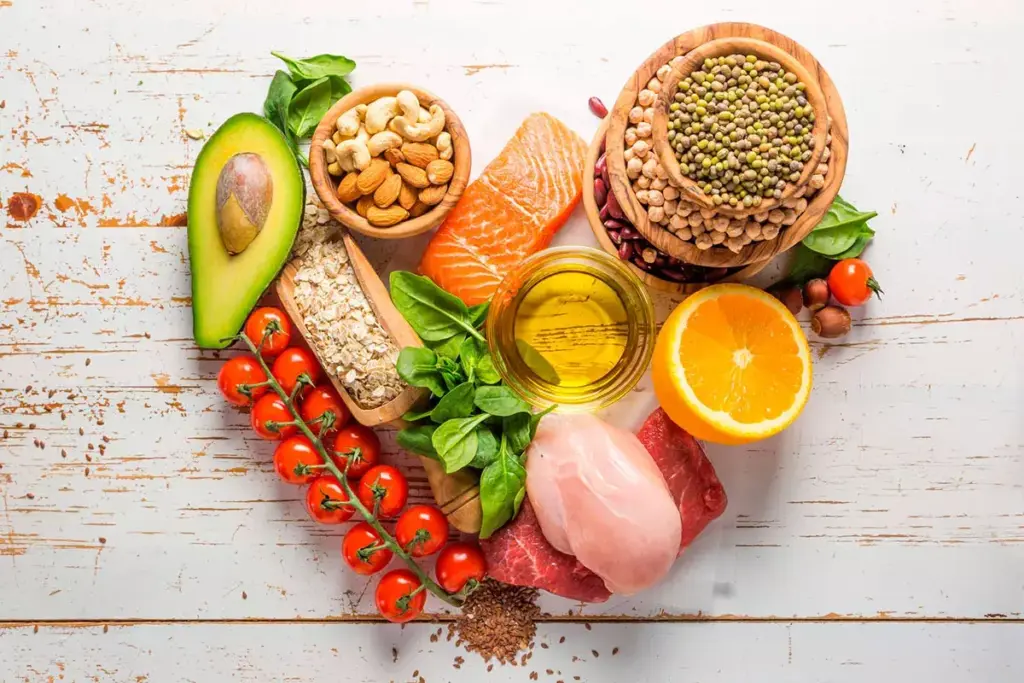
What we eat affects our mental health more than we thought. Some foods can even act like antidepressants. Eating foods rich in nutrients can help with depression and anxiety.
Vegetables and Fruits: Nature’s Antidepressants
Vegetables and fruits are full of vitamins, minerals, and antioxidants. These are key for good mental health. Leafy greens like spinach and kale have folate, which fights depression. Berries, like blueberries and strawberries, are packed with antioxidants that reduce stress and inflammation.
Eating a variety of colorful fruits and vegetables gives us many benefits. For example, oranges and grapefruits are not just high in vitamin C. They also have flavonoids that boost mental health.
Whole Grains and Protein-Rich Foods for Mood Stability
Whole grains and protein-rich foods are vital for mood stability. Foods like quinoa and brown rice have complex carbs that help control blood sugar and make serotonin. Foods high in protein, such as salmon and turkey, have amino acids that help make neurotransmitters that affect mood.
Here’s a summary of how different food groups contribute to mental health:
| Food Group | Nutrients | Benefits |
| Vegetables and Fruits | Vitamins, Minerals, Antioxidants | Reduce inflammation, promote overall mental health |
| Whole Grains | Complex Carbohydrates, Fiber | Regulate blood sugar, promote serotonin production |
| Protein-Rich Foods | Amino Acids | Support neurotransmitter production, influence mood |
Foods to Limit or Avoid
Some foods can make depression and anxiety worse. It’s best to avoid foods high in added sugars, saturated fats, and sodium. Eating too much of these can cause inflammation and harm mental health.
Making smart food choices can help manage mental health. Focus on whole, nutrient-rich foods. Avoid processed and high-sugar foods to help with depression and anxiety.
How Dietary Changes Affect Brain Chemistry
Dietary changes can greatly impact our brain chemistry, affecting our mental health. The food we eat is key to our brain’s function and well-being. By choosing the right foods, we can lower the risk of depression and anxiety.
Reducing Inflammation and Oxidative Stress
Eating foods rich in antioxidants and omega-3 fatty acids can reduce inflammation and oxidative stress. These are linked to depression and anxiety. Berries, leafy greens, and fatty fish are great sources of these nutrients.
A study in Frontiers in Nutrition shows that diet can greatly impact mental health.
“The gut-brain axis is a key way diet affects mental health,” a recent review on nutrition and mental health notes. This highlights the need for a balanced diet for mental well-being.
The Gut-Brain Connection
The gut microbiome is essential for our mental health, producing neurotransmitters and hormones that affect mood. A healthy diet supports a balanced gut microbiome, improving mental health. Foods high in fiber, like whole grains and vegetables, feed the good bacteria in our gut.
Nutritional Pathways to Better Mental Health
Nutrients like vitamin D, magnesium, and zinc are also vital for mental health. Getting enough of these through diet or supplements can help our mental well-being. A balanced diet with a variety of whole foods provides these essential nutrients.
In conclusion, changing our diet can greatly affect our brain chemistry, helping manage depression and anxiety. By understanding how nutrition impacts mental health, we can make better choices for our well-being.
Conclusion: Practical Steps to Implement a Depression-Fighting Diet
Starting a depression-fighting diet can help manage depression and anxiety. Small diet changes can boost your mental health and overall well-being. A balanced diet with whole foods can help cure depression with diet and lessen anxiety symptoms.
Begin with small steps like adding more fruits, veggies, and whole grains to your meals. Keeping a food and mood journal can reveal patterns and guide your choices. Getting help from dieticians or mental health experts can offer tailored advice for a diet that fights depression.
A healthy diet is key to managing depression. By focusing on nutrition, you can actively improve your mental health. Follow these steps to use a healthy diet to support your mental well-being.
FAQ
What is the connection between diet and mental health?
Studies show a strong link between what we eat and our mental health. Eating well can help with depression and anxiety. On the other hand, a bad diet can make these issues worse.
How does sugar intake affect mental health?
Too much sugar, like in sweet drinks, can lead to depression and anxiety. Cutting down on sugar is key to better mental health.
What foods can help improve mental health?
Foods like veggies, fruits, whole grains, and proteins are good for your mind. They give your brain what it needs to stay healthy and can ease depression and anxiety symptoms.
How can dietary changes affect brain chemistry?
Changing what we eat can change our brain chemistry. It can reduce inflammation and stress, improve the gut-brain link, and support mental health. Eating well helps keep our gut healthy, which is vital for our mental well-being.
What are some practical steps to implement a depression-fighting diet?
To fight depression with diet, start small and make healthy food choices. Watch how your body responds and seek help if needed. Focus on whole foods and avoid foods high in sugar, fats, and salt.
Can a healthy diet cure depression?
A healthy diet is important for managing depression but can’t cure it alone. A good plan includes a balanced diet, professional help, and other proven treatments to help manage symptoms and improve mental health.
How does the gut-brain connection impact mental health?
The connection between our gut and brain is key to our mental health. Our gut microbiome affects mood and behavior by influencing neurotransmitters. Keeping our gut microbiome balanced is essential for good mental health.
What role does nutrition play in reducing inflammation and oxidative stress?
Nutrition is vital in fighting inflammation and stress, which are linked to depression and anxiety. Eating foods rich in antioxidants and omega-3s can help reduce these factors and support our mental health.
References
https://pmc.ncbi.nlm.nih.gov/articles/PMC11783990