

Congential talipes equinovarus, or clubfoot, affects many infants globally. The Ponseti method has changed how we treat it, becoming the top choice worldwide.
We use a nonsurgical, three-step treatment. It includes stretching, casting, and bracing. This helps the foot position correctly for walking. Treatment starts early, usually in the first 2 weeks after birth.
The first phase involves stretching and casting. The second phase uses a foot abduction orthosis (FAO) or Ponseti brace. Using these braces correctly is key to success, helping over 95% of cases.
Key Takeaways
- Clubfoot affects thousands of infants worldwide.
- The Ponseti method is a nonsurgical, three-stage treatment.
- Treatment starts in the first 2 weeks after birth.
- A foot abduction orthosis (FAO) is used in the maintenance phase.
- Proper bracing is critical for success.
Understanding the Ponseti Method Brace for Clubfoot Treatment
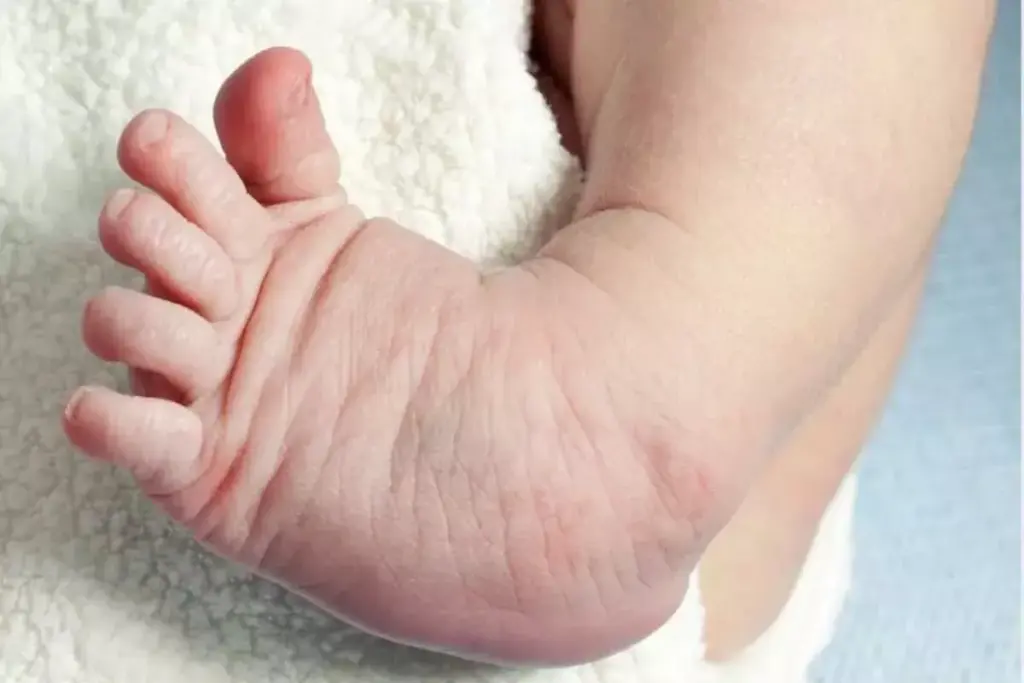
The Ponseti method brace is key in treating clubfoot. It helps keep the correction in place for a long time. Medical Expert. It works well for babies under one year, with success rates of 92% to 98%.
What is the Ponseti Method?
The Ponseti method is a non-surgical way to fix clubfoot. It uses manipulations and plaster casts. This method is the best choice worldwide because it works well and is not too invasive.
Medical Expert, “The correction of clubfoot is not just about treating the foot; it’s about giving the child a normal, active life.”
Medical Expert
Components of a Standard Foot Abduction Orthosis
A Foot Abduction Brace, or Foot Abduction Orthosis (FAO), is a key part of the Ponseti method. It has an adjustable aluminum bar and footplates for shoes. The brace keeps the foot in the right position, preventing it from going back to its original shape.
The FAO has several parts:
- An adjustable aluminum bar
- Footplates with attached shoes
- Adjustable settings for width and external rotation
| Component | Function |
| Adjustable Aluminum Bar | Allows for adjustments in width to accommodate growth |
| Footplates with Shoes | Holds the feet in the correct position |
| External Rotation Setting | Ensures proper alignment and rotation of the feet |
Different Types of Clubfoot Braces Available
There are many clubfoot braces, not just the traditional Foot Abduction Brace. These include:
- Static braces that do not allow for adjustments
- Dynamic braces that provide additional support and flexibility
- Custom-made braces tailored to the individual child’s needs
Knowing about the different clubfoot braces and their parts is important. By picking the right brace and following the Ponseti method, we can help children with clubfoot live better lives.
The Two-Phase Treatment Approach
Treating clubfoot needs a detailed plan. The Ponseti method has two main parts. It starts with correcting the foot through casting and ends with keeping it straight to avoid going back to the original shape.
Correction Phase: Manipulation and Casting
The first part of the Ponseti method is correcting the foot. This is done through serial manipulation and plaster casting. A skilled doctor carefully moves the foot into the right shape and then casts it. This is done every week for a few weeks until the foot is straight.
Ponseti casting is key in this phase. The casts keep the foot in the right place, helping it get better with each cast. For more info, check out the Hospital for Special Surgery website.
Maintenance Phase: Bracing Protocol
Once the foot is straight, the maintenance phase starts. This involves using a foot abduction orthosis (FAO), or Ponseti bar. This brace keeps the foot straight and stops it from going back to its original shape. The brace is worn for 23 hours a day for the first three months, then at night for 3 to 5 years.
- The brace is adjusted as the child grows to ensure proper fit and effectiveness.
- Parents are advised on how to properly apply and care for the brace to ensure compliance.
- Regular follow-up appointments are necessary to monitor the child’s progress and make any necessary adjustments to the bracing protocol.
Following the bracing protocol is key to avoiding relapse and ensuring the treatment works long-term. By sticking to the Ponseti method’s two-phase treatment, parents can help their kids get the best results.
Proper Application and Daily Use of Ponseti Method Braces
Using Ponseti method braces right is key for treating clubfoot in babies. The success of this treatment depends on the initial fix and the right use of braces after. We’ll show you how to use these braces correctly.
Correctly Fitting the Boots or Shoes
It’s important that the boots or shoes fit well. Make sure the child’s heels are at the shoe’s bottom and the straps are tight but not too tight. A good fit means the treatment works better.
Setting the Appropriate Bar Width and External Rotation
The bar’s width and how it turns out are key. The bar should keep the feet in the right place, fitting the child’s feet well. The turn should match what the doctor says for the best fix.
Addressing Skin Care and Comfort Issues
Looking after the skin is very important. Check for any skin problems often. Keep the skin clean and dry and use creams if advised. Making sure the child is comfortable helps them wear the brace better.
Strategies for Ensuring Compliance
Make wearing the brace a daily habit. Stick to a routine for putting on and taking off the braces and let the child help as they get older. Rewards can also help keep them on track.
By following these tips and working with doctors, caregivers can make sure Ponseti method braces work well. This helps kids with clubfoot get better.
Conclusion: Long-Term Success with Clubfoot Bracing
Success in clubfoot treatment with the Ponseti method depends a lot on following the bracing protocol. Studies show that sticking to the bracing plan is key to its success. Kids with clubfoot often face relapses until they are six, but bracing can stop these relapses very well.
Parents need to understand how important the Ponseti method brace is for their child’s treatment. The bracing protocol, which involves wearing the brace for a certain number of hours a day until the child is 4-5 years old, is vital. It helps keep the correction from the casting process in place.
For more information on the Ponseti method and its use, we can look at studies on different bracing protocols and devices. A detailed review of these studies is available here. It offers insights into using Ponseti method braces for lasting success.
We stress that any abduction brace that follows Ponseti’s guidelines can prevent relapse. The brand or type of brace is less critical than following the recommended abduction and dorsiflexion principles. Making sure the brace is comfortable, easy to use, and monitored can also boost success rates.
FAQ:
What is the Ponseti method, and how does it treat clubfoot?
The Ponseti method is a two-step treatment for clubfoot. First, it corrects the foot with serial manipulation and plaster casts. Then, it uses a brace to keep the foot in the right position.
What is a Ponseti brace, and what are its components?
A Ponseti brace, or foot abduction orthosis (FAO), is key in the second phase. It has an adjustable bar, footplates, and shoes set at specific angles to hold the foot right.
How long should a child wear a Ponseti brace?
Kids wear the Ponseti brace for 23 hours a day for the first three months. After that, they wear it at night for years to stop the foot from going back to its original position.
How do I correctly fit the boots or shoes of a Ponseti brace?
To fit the boots or shoes right, make sure they’re snug. The heel should fit well, and the footplate should be at the correct angle. Always check with a healthcare professional for the best fit.
What are the different types of clubfoot braces available?
There are many clubfoot braces, like the standard FAO and custom-made ones. The right brace depends on the child’s needs and the doctor’s choice.
How can I ensure my child complies with the bracing protocol?
To help your child follow the bracing routine, make it a daily habit. Use rewards and solve any skin or comfort problems that come up.
What is the significance of bracing compliance in the treatment of clubfoot?
Wearing the brace as directed is key to treating clubfoot successfully. Studies show that consistent use of the Ponseti brace greatly lowers the chance of the foot going back to its original position.
Can the Ponseti brace be used for older children or adults with clubfoot?
While the Ponseti method is mainly for babies, it can be adapted for older kids or adults. The treatment plan will depend on the individual’s needs.
How do I address skin care and comfort issues related to the Ponseti brace?
To take care of skin and comfort, check the skin often, keep it clean and dry, and adjust the brace as needed. This helps prevent irritation or sores.
References:
National Center for Biotechnology Information. Evidence-Based Medical Insight. Retrieved from https://pmc.ncbi.nlm.nih.gov/articles/PMC10859111/