Last Updated on November 18, 2025 by Ugurkan Demir
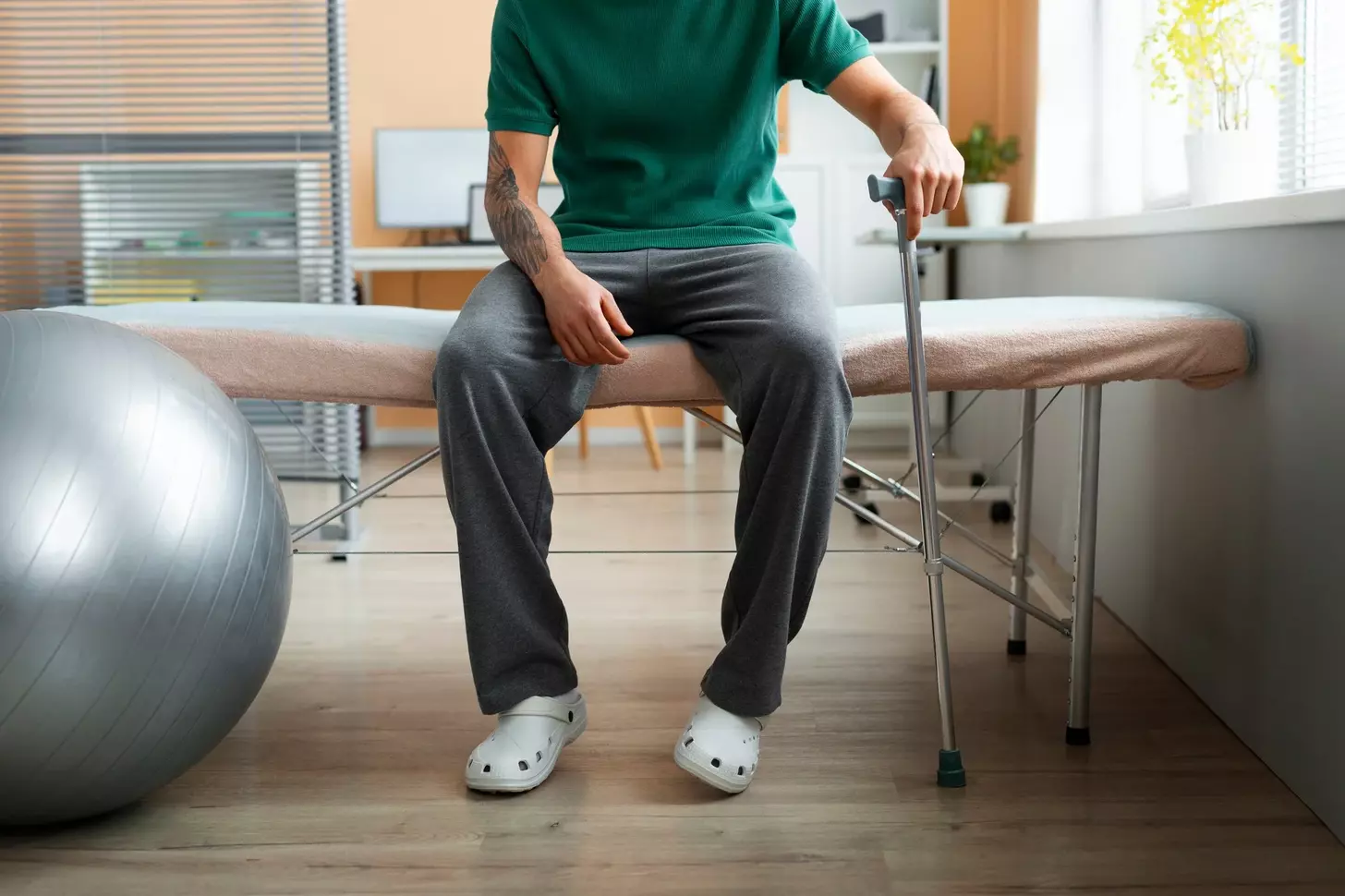
Getting back on your feet after knee replacement surgery starts with the right support. At Liv Hospital, we focus on you to make recovery easier.
Choosing the right cane is key to a good recovery. It gives you the support you need and helps ease the strain on your knee. We help you every step of the way, teaching you how to move safely.
Our team is dedicated to top-notch healthcare and support. With the right cane and our guide, you can move through your recovery with confidence.
Key Takeaways
- Selecting the right cane is key for knee replacement recovery.
- A proper cane can lessen knee strain, making mobility safer.
- Our patient-focused approach at Liv Hospital offers full support during recovery.
- Following our step-by-step guide helps you use your cane well.
- Safe movement is vital for a smooth recovery after knee surgery.
The Role of Mobility Aids in Knee Replacement Recovery
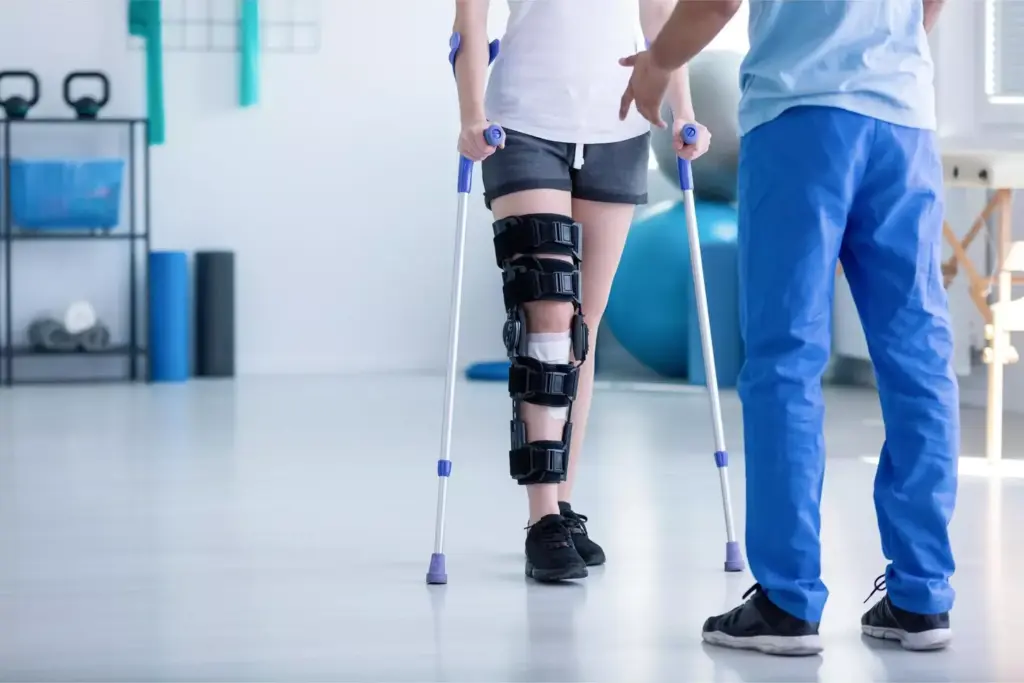
Mobility aids, like canes, are key for a smooth recovery after knee replacement surgery. They offer the support and stability needed. This lets patients move safely while their knee heals.
Why Proper Support Matters After Surgery
Getting the right support after knee surgery is vital. A cane can ease the pressure on the knee, reducing pain. It helps avoid putting too much strain on the knee, which is important when it’s healing.
Key benefits of proper support include:
- Reduced risk of falls and injuries
- Less strain on the knee joint
- Improved mobility and independence
- Enhanced overall recovery experience
Benefits of Using a Cane for Knee Pain Relief
Using a cane can greatly reduce knee pain after surgery. It helps spread the body’s weight, easing the stress on the knee. This can make moving around and doing daily tasks less painful.
Medical experts say, “a cane is a simple yet effective way to manage knee pain during recovery.” The right cane used correctly can make recovery more comfortable.
How Canes Promote Healing and Stability
Canes help with healing and stability by giving extra support. This is important in the early recovery stages when the knee is most at risk. They help patients stay balanced and avoid harmful movements.
The stability offered by a cane enables patients to:
- Move around with greater confidence
- Avoid potentially harmful movements
- Focus on their rehabilitation exercises
- Gradually regain their strength and mobility
When to Start Using a Cane After Knee Replacement Surgery

Patients often wonder when to start using a cane after knee replacement surgery. Moving from a walker to a cane shows you’re getting stronger and more stable. We’ll help you know when it’s time for this change and give you a general idea of how long it takes.
Transitioning from Walker to Cane
Switching from a walker to a cane depends on your strength, balance, and physical therapy progress. You’ll likely use a cane when you can walk without help and your knee is strong enough.
Key indicators for transitioning include:
- Ability to walk without a walker for short distances
- Improved balance and reduced need for support
- Significant reduction in pain during walking
- Enhanced strength in the operated leg
A study in the Journal of Orthopaedic & Sports Physical Therapy found that using a cane after showing strength and balance leads to better recovery.
“The use of a cane can significantly reduce the stress on the knee joint during the recovery phase, allowing patients to maintain mobility while minimizing discomfort.”
Signs You’re Ready for a Walking Cane After Knee Surgery
Knowing when to start using a cane after knee surgery is important. Look for these signs:
- You can walk short distances without feeling unstable.
- Your pain has decreased significantly, allowing for more comfortable walking.
- You have regained enough strength to support your body weight on the operated leg.
- You feel confident in your ability to balance without assistance.
Timeline for Typical Recovery Progression
Recovery times can vary, but here’s a general outline based on typical experiences. The table below shows a common progression:
| Week | Typical Recovery Milestones |
|---|---|
| 1-2 | Initial recovery, use of walker for mobility |
| 2-4 | Gradual transition to cane, increased walking distance |
| 4-6 | Improved strength, reduced need for cane, increased independence |
Always follow your healthcare provider’s advice on when to start using a cane. Understanding the signs and typical recovery times helps you make a smooth transition to using a cane after knee replacement surgery.
Selecting the Best Cane for Knee Replacement Recovery
Choosing the right cane for knee replacement recovery is key. It affects your healing process a lot. The right mobility aid is important for a safe and smooth recovery.
Key Features to Look For in Knee Recovery Canes
When looking for the best cane for knee replacement, focus on a few things. Look for adjustability, an ergonomic design, and durability.
Adjustable Height Options
An adjustable cane is vital for comfort at different recovery stages. Choose canes with easy height adjustments.
Ergonomic Handle Designs for Comfort
Ergonomic handles help reduce hand and wrist strain. Look for canes with handles that fit well in your hand.
Weight Capacity and Durability Considerations
It’s important to pick a cane that supports your weight. Check the weight capacity and choose durable materials for regular use.
| Feature | Importance | Benefits |
|---|---|---|
| Adjustable Height | High | Accommodates different stages of recovery, ensuring proper posture. |
| Ergonomic Handle | High | Reduces strain on hand and wrist, making it more comfortable. |
| Weight Capacity | Critical | Ensures the cane can support the user’s weight, providing stability. |
| Durability | Critical | Materials withstand regular use, reducing the need for frequent replacements. |
By looking at these factors and features, you can find the best walking sticks for bad knees. They will help improve your recovery experience.
Types of Walking Sticks for Knee Pain
Managing knee pain, after knee replacement surgery, can be tough. The right walking stick can help a lot. We look at different types that offer support and stability.
Standard Single-Point Canes
Standard single-point canes are the most common. They have one point of contact with the ground. They are light, simple, and good for mild to moderate knee pain. Standard single-point canes can be adjusted to fit your height.
Quad Canes for Extra Stability
Quad canes have four points of contact, making them more stable than standard canes. They’re great for those with severe knee pain or balance problems. Their wide base helps prevent falls.
| Type of Cane | Key Features | Ideal For |
|---|---|---|
| Standard Single-Point | Lightweight, adjustable height | Mild to moderate knee pain |
| Quad Cane | Four points of contact, enhanced stability | Severe knee pain, balance issues |
| Folding Cane | Portable, convenient storage | Travel, occasional use |
Folding Canes for Convenience
Folding canes are made for easy carrying. They fold up and can be stored in a bag or pocket. They’re perfect for travel or occasional use.
Specialty Walking Sticks for Bad Knees
There are walking sticks made just for severe knee problems. They might have ergonomic handles, shock-absorbing features, or special materials. These offer extra comfort and support.
Choosing the right walking stick is key to recovery and comfort for those with knee pain. Knowing the different types helps users pick the best one for their needs.
Properly Sizing Your Cane for Maximum Support
Getting the right size for your cane is key for knee recovery. A well-fitting cane spreads your weight evenly, easing knee strain. We’ll show you how to measure and adjust your cane for the best support and comfort.
How to Measure for the Correct Cane Height
Stand straight with shoes on and arms by your sides to measure. The cane’s top should hit your wrist crease. This ensures your elbow bends slightly, providing comfort and support. You can also have someone measure the distance from the floor to your wrist crease for you.
Adjusting Your Cane for Optimal Posture
Just the right height isn’t enough; good posture matters too. Keep your back straight and avoid leaning to one side. Hold the cane on the opposite side of your recovering knee when walking. This reduces pressure on the knee. Check your posture often to avoid bad habits.
Signs Your Cane Isn’t Properly Sized
Discomfort in your back, shoulder, or knee could mean your cane is off. Signs include leaning to one side, shoulder or back strain, or walking unevenly. If you notice these, check your cane’s height and adjust it if needed.
| Signs of Improper Cane Sizing | Description |
|---|---|
| Leaning to one side | Leaning to one side while walking means your cane might be off. |
| Strain in shoulder or back | Shoulder or back pain while using the cane suggests it’s not set right for you. |
| Uneven gait | An uneven gait or trouble walking steadily could mean your cane is not the right size. |
Using a cane after knee surgery needs careful attention. By measuring right, adjusting for posture, and watching for sizing issues, you can get the most from your cane during recovery.
Step-by-Step Guide: How to Walk with a Cane After Knee Surgery
Learning to walk with a cane after knee surgery is key to a good recovery. We’ll show you how to do it safely and effectively.
Proper Hand Placement and Grip
It’s important to hold the cane right to get the most support. Hold it in the hand opposite your knee that was operated on. For example, if your right knee was operated on, hold the cane in your left hand.
Your grip should be firm but not too tight. A comfortable grip helps you control the cane better. Make sure your elbow is slightly bent, about 15-20 degrees, to absorb shock and keep your balance.
Correct Cane Positioning (Opposite the Affected Knee)
The cane should be held in the hand opposite to the affected knee. This helps you get the right support and balance. When you step forward with your affected leg, the cane moves with you, giving you more stability.
The Four-Point Gait Technique
The four-point gait is a stable technique. It involves:
- Step 1: Move the cane forward.
- Step 2: Step forward with the affected leg.
- Step 3: Move the cane again, and then step forward with the unaffected leg.
- Step 4: Continue this pattern, ensuring the cane and affected leg move in sync.
This technique spreads your weight evenly and gives more support. It also lowers the risk of falls.
Common Mistakes to Avoid When Using a Cane
There are several mistakes to avoid when using a cane:
- Holding the cane on the same side as the affected knee.
- Not adjusting the cane height correctly.
- Leaning too heavily on the cane, which can lead to imbalance.
- Not keeping the cane on the ground when standing.
Avoiding these mistakes will help you recover safer and more effectively.
Navigating Different Terrains and Obstacles
After knee replacement surgery, learning to use a cane on different surfaces is key. It’s important to move safely in different places to recover well and feel independent again. We’ll share tips for using a cane on different surfaces and how to handle common obstacles.
Walking on Flat Surfaces
Walking on flat ground is the easiest part of using a cane. To stay balanced, keep the cane on the opposite side of your affected knee. This spreads your weight evenly, easing the pressure on your knee. An orthopedic expert, says the secret to walking well is matching your steps with the cane’s position.
Tackling Stairs Safely with Your Cane
Stairs can be tough after knee surgery. When climbing stairs, hold the handrail with your free hand for more stability. Begin by stepping up with your unaffected leg, then your affected leg, and lastly the cane.
Going down, lead with your cane and affected leg, followed by your unaffected leg. This method helps you remember the right order.
Managing Uneven Ground
Uneven ground is a special challenge. Take small, careful steps, keeping your balance over your feet. A cane with a wider base or a quad cane can help you stay steady. Be extra careful on wet or slippery areas, as they can make you slip.
Getting In and Out of Chairs and Vehicles
Getting in or out of chairs and cars needs careful attention. To stand up, use armrests or chair arms for support. If needed, use your cane for extra balance once you’re standing.
When getting into a car, first sit down, then move your legs in while holding onto the car. To get out, do the opposite, using the car door or seat for support.
Learning these skills will help you safely move around and regain confidence as you heal from knee replacement surgery.
Best Cane for Knee Replacement: Top Recommended Models
Choosing the right cane is key for those recovering from knee replacement. The market has many canes to fit different needs. We’ll look at some top models known for quality, function, and user happiness.
Lightweight Aluminum Options
Lightweight canes are great for long use. Aluminum canes are strong yet light, perfect for recovery.
- The Hurricane Offset Handle Cane is loved for its comfy design and light aluminum.
- The Drive Medical Aluminum Adjustable Cane is praised for being adjustable and sturdy.
Canes with Shock-Absorbing Features
Canes with shock-absorbing tech reduce knee and joint impact. This makes walking more comfortable.
“Shock-absorbing technology in canes can be a game-changer for individuals with knee pain or those recovering from knee surgery, as it helps in reducing the stress on the joints.”
- The Amigo Mobility Elite Care Cane has advanced shock-absorbing tech, perfect for daily use.
- The Stand-Aid of Iowa Shock-Absorbing Cane is known for its joint impact reduction.
Models with Enhanced Grip Handles
Canes with ergonomic grip handles are more comfortable. They also reduce hand fatigue.
- The Vaunn Ergonomic Offset Handle Cane has a comfy grip design, easing hand and wrist strain.
- The Rehabmart Ergonomic Cane focuses on comfort, with a soft, cushioned grip.
Foldable Travel-Friendly Walking Sticks
Foldable canes are great for travelers. They’re easy to carry and use.
| Model | Foldable | Material |
|---|---|---|
| Traveling Cane by Vive | Yes | Aluminum |
| Foldable Walking Cane by Standwell | Yes | Carbon Fiber |
When picking a cane for knee recovery, think about material, adjustability, grip comfort, and extra features like shock absorption. A high-quality cane that fits your needs can greatly improve your recovery.
Gradually Reducing Dependence on Your Cane
Lessening your cane use is a big step towards getting better after knee surgery. It’s important to know when you’re ready to use your cane less.
Signs of Improved Strength and Stability
Before you can use your cane less, you need to show big improvements. Look for these signs:
- Being able to walk longer without getting tired
- Feeling more stable and less likely to fall
- Getting stronger in the leg that was hurt
- Walking without as much pain
Keep an eye on these signs and write down your progress. Share it with your doctor.
Exercises to Support Transition Away from Cane Use
Some exercises can make your knee stronger and more stable. This helps you use your cane less. Try these:
| Exercise | Description | Repetitions |
|---|---|---|
| Straight Leg Raises | Lift your leg straight out in front of you while lying on your back | 3 sets of 10 |
| Quad Sets | Tighten your quadriceps muscles while sitting or lying down | 3 sets of 15 |
| Step-Ups | Gradually increase the height of steps as your strength improves | 3 sets of 5 per leg |
Do these exercises with a physical therapist. They help you do them right and safely.
When to Consult Your Physical Therapist About Reducing Support
Talking to your physical therapist before using your cane less is key. They check if you’re ready to stop using it. See them when you’ve made a lot of progress.
Maintaining Safety During the Transition
When you use your cane less, stay safe to avoid falls. Here’s how:
- Keep exercising to stay strong and flexible
- Watch out for things that could make you trip
- Use handrails on stairs
- Start walking longer and on harder surfaces
By following these tips and working with your healthcare team, you can safely use your cane less. This helps you keep moving towards full recovery.
Conclusion: Maximizing Your Recovery with the Right Cane Support
Recovering from knee replacement surgery needs careful planning and the right support. Using the best cane for knee replacement can greatly improve your recovery. Knowing when to start using a cane, how to pick the right one, and how to use it correctly helps a lot.
We looked at different canes for knee replacement, like standard single-point canes, quad canes, and folding canes. Each has its own benefits. Choosing the right one depends on your needs and what you like. Making sure your walking cane after knee surgery fits well and is adjusted right is key for good support and safety.
Following a guide on how to walk with a cane helps you feel more confident. It lets you navigate different places and obstacles easily. As you get better, slowly using your cane less, with your physical therapist’s help, is a big achievement.
In the end, the right cane support can really help your knee replacement recovery. By picking the right cane and using it right, you can have a safer and more effective recovery.
FAQ
What is the best type of cane to use after knee replacement surgery?
Choosing the right cane after knee surgery depends on what feels best for you. Look for canes that adjust in height, have ergonomic handles, and can absorb shock.
How do I know when to start using a cane after knee replacement surgery?
Your doctor or physicaliatrist will tell you when to start using a cane. This is usually when you can stand on your affected leg and have enough strength and balance.
How do I properly size my cane for maximum support?
To size your cane right, measure from the top of your hip to the floor. Or, have someone adjust it for you. Make sure your elbow bends a bit when you hold the cane.
What is the correct way to walk with a cane after knee surgery?
Walking with a cane after knee surgery means holding it in your opposite hand. Take small steps and put your weight on the cane as you step forward with your affected leg.
How do I navigate stairs safely with a cane?
For safe stair use, hold the handrail and the cane. Lead with your stronger leg going up and your weaker leg going down.
Can I use a folding cane for convenience?
Yes, folding canes are handy. Just make sure they’re sturdy and lock securely to avoid accidents.
How do I reduce my dependence on a cane as I recover?
To lessen your cane use, do exercises as your physicaliatrist suggests. Gradually do more activities and watch your strength and balance get better.
What are the signs that I can stop using a cane?
You can stop using a cane when you’re strong enough, balanced well, and have full range of motion. Your physicaliatrist or doctor will tell you when it’s okay to stop.
Are there specific exercises to help me transition away from cane use?
Yes, your physicaliatrist or physical therapist can suggest exercises. These will help improve your strength, balance, and mobility, making it easier to move without a cane.