
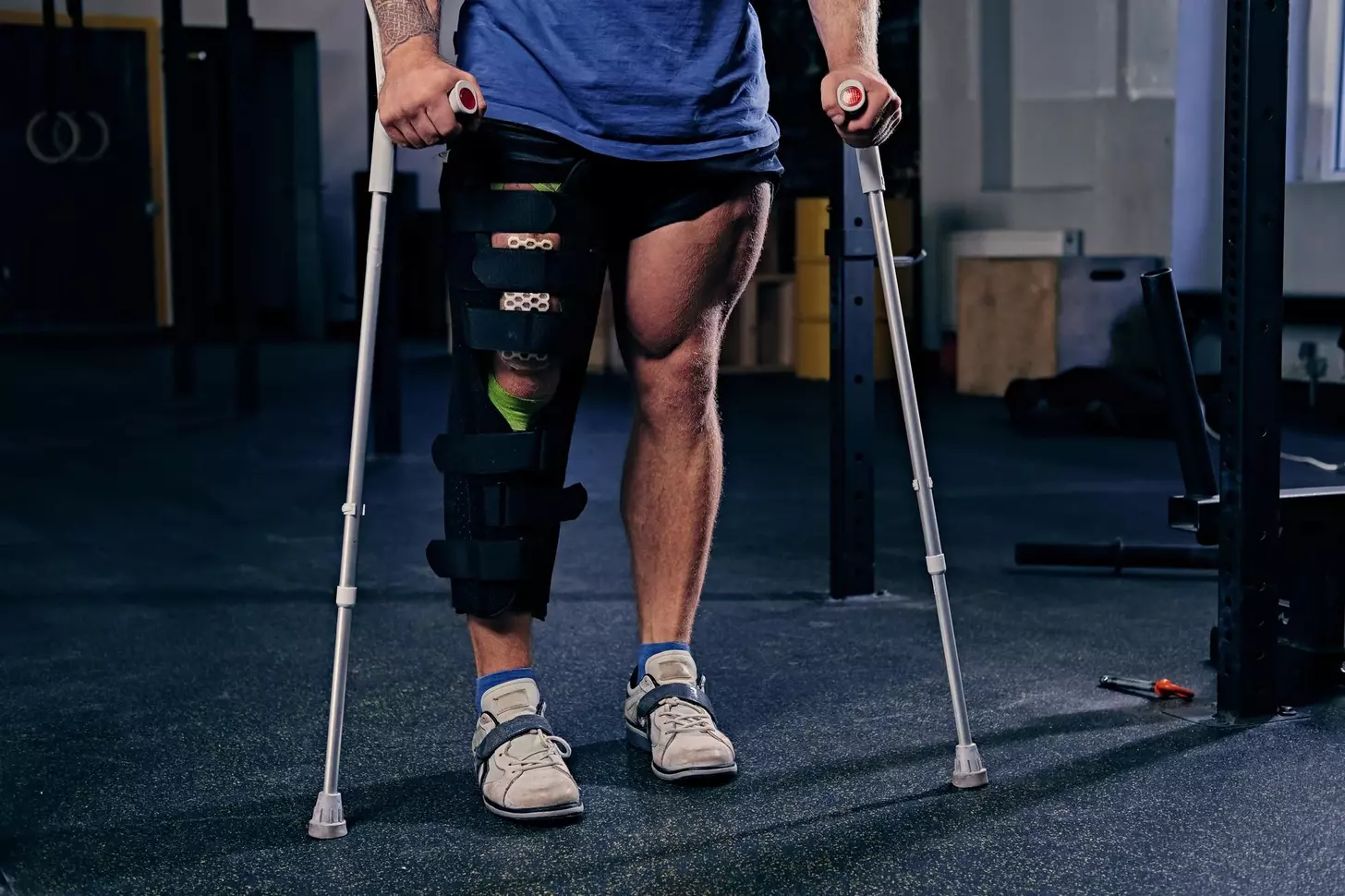
Getting back to normal after knee replacement surgery is possible. But, using a cane right is key for a safe recovery. At Liv Hospital, we help our patients with a focus on them and expert advice.
Using a cane can really help in your recovery. It lessens the strain on your knee. Health experts say it adds support and stability, usually in the first weeks after surgery.
We’ll give you a detailed guide on using a cane well. We’ll cover the basics, how to fit it right, and safe ways to move. Our aim is to help you get through your recovery with ease and less pain.
Key Takeaways
- Proper cane use can significantly aid in recovery by reducing strain on the knee.
- A cane provides additional support and stability, typically within the first weeks post-surgery.
- Effective cane use involves proper fitting and safe mobility techniques.
- Our guide will help patients navigate their recovery with confidence and minimal discomfort.
- Liv Hospital’s patient-centered approach ensures complete support throughout the recovery process.
Understanding the Role of a Cane in Knee Replacement Recovery
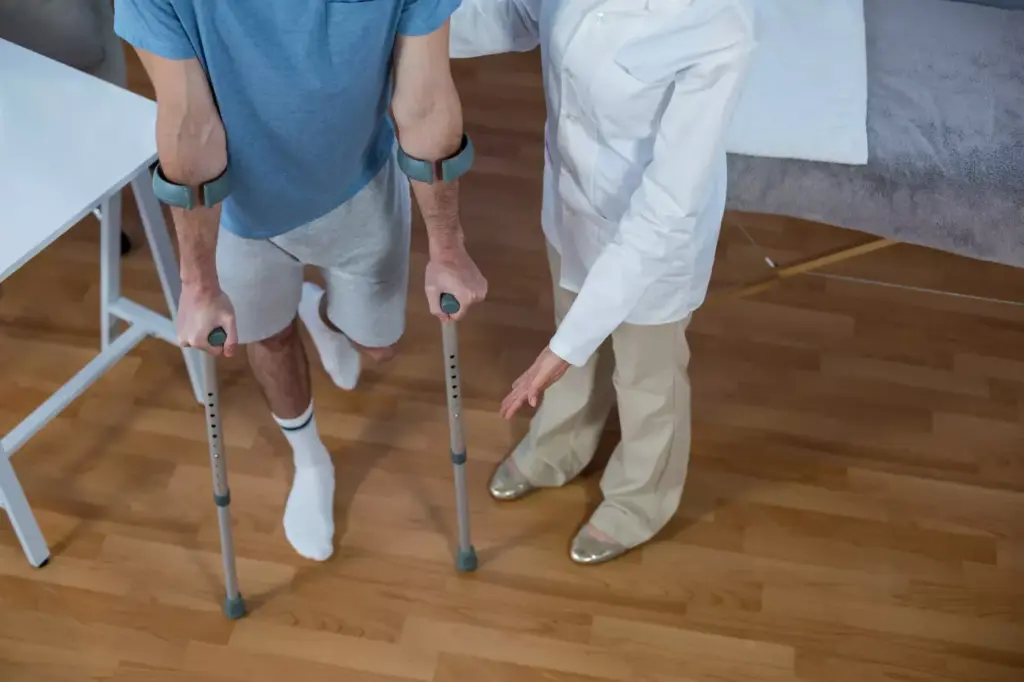
Using a cane is more than just support; it’s key to recovering from knee surgery. It helps spread out weight, keeps balance, and encourages a natural walk. This is very important on uneven ground or stairs.
Research shows that using a cane right can lower fall risks and boost mobility during recovery. Knowing when to switch from a walker to a cane is vital. It’s about understanding the recovery plan and the cane’s benefits.
When to Transition from Walker to Cane
Switching from a walker to a cane is a big step in getting better. It happens when you’ve built up enough strength and balance, and your doctor says it’s okay. The choice depends on how well you’re doing and if you can safely use a cane.
Here are things to think about for making the switch:
- Improved balance and stability
- Increased confidence in walking
- Reduced pain and discomfort
- Healthcare provider’s assessment and recommendation
Benefits of Using a Cane During Recovery
Using a cane has many benefits during recovery. It adds support and stability, and also lessens the stress on the knee. This makes recovery more comfortable and can prevent more problems.
| Benefits | Description |
|---|---|
| Enhanced Stability | Reduces the risk of falls by providing additional support |
| Reduced Strain | Decreases the load on the operated knee, promoting a more comfortable recovery |
| Improved Mobility | Facilitates a more natural gait, enriching overall mobility |
Healthcare experts say using a cane correctly is a big part of a good recovery plan. Knowing when to switch to a cane and understanding its benefits helps patients feel more confident and safe during their recovery.
“The use of a cane is not just a temporary measure; it’s a tool that can significantly impact the recovery trajectory after knee replacement surgery.”
Selecting the Right Cane for Post-Knee Replacement Support
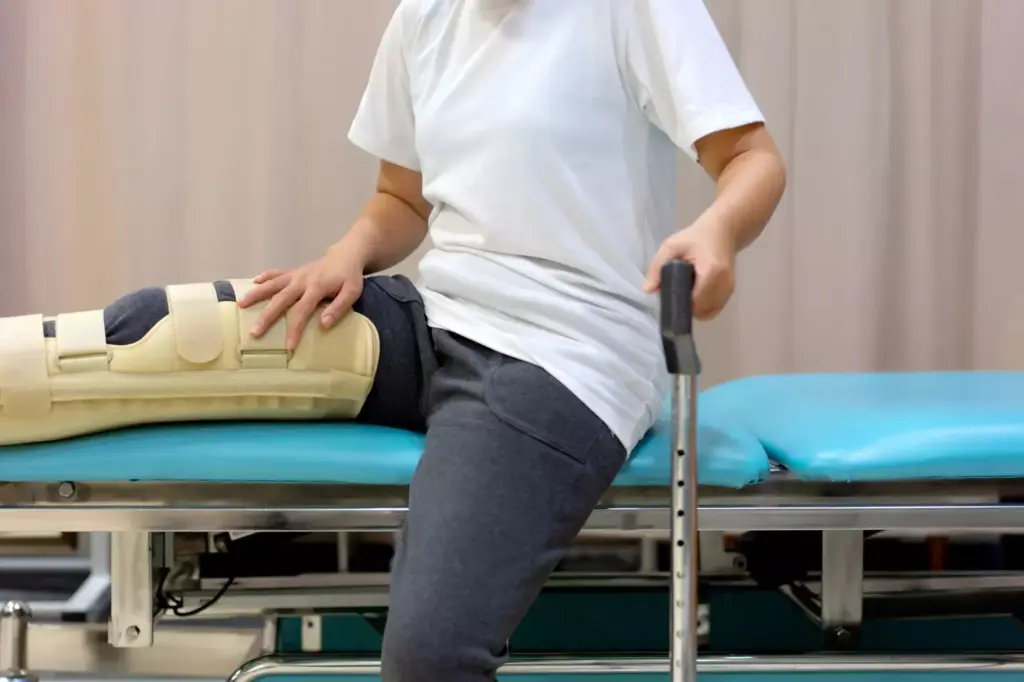
Choosing the right cane after knee replacement surgery is key to your recovery. A cane offers support and stability, making it easier to move around. We’ll help you pick the best cane for your needs.
Types of Canes Available
There are many types of canes, each for different needs. Here are the most common ones:
- Standard Canes: These are the classic canes. They’re good for those needing a little support.
- Offset Canes: Offset canes have an angled shaft. They offer more support and spread out the weight better.
- Quad Canes: Quad canes have four prongs. They provide extra stability and support, perfect for balance issues.
Medical experts say, “The right cane depends on your specific needs and how much support you need.” (
A good cane can really help with recovery.
Features to Look for in a Post-Surgery Cane
When picking a cane, look for certain features to meet your post-surgery needs:
| Feature | Description | Benefit |
|---|---|---|
| Adjustable Height | The cane should adjust to fit your height. | It helps keep your posture right and reduces strain. |
| Ergonomic Handle | A handle that fits well in your hand. | It makes walking more comfortable and less tiring. |
| Rubber Tip | A rubber tip at the end of the cane. | It gives better grip and prevents slipping. |
To use a cane for knee pain well, the cane and your leg should move together. This helps with stability and mobility. Picking the right cane with the right features can greatly improve your recovery.
Proper Cane Fitting and Adjustment
Finding the right cane height and adjustment is key to your recovery. It offers support and stability. A well-fitted cane ensures comfort and reduces injury risk.
Determining the Correct Cane Height
Stand up straight with shoes on and arms relaxed. The cane’s top should meet the wrist crease. This allows a 15-20 degree elbow bend for support.
Adjusting the Cane for Maximum Comfort and Support
After finding the right height, adjust the cane to fit you. It should be stable and easy to hold. Proper cane fitting means considering height, handle, and tip. The handle should fit well in your hand, and the tip should grip the floor well.
For the best comfort and support, consider these adjustments:
- Adjust the height for a slight elbow bend.
- Make sure the handle is comfortable and fits your grip.
- Check the cane tip’s grip on different surfaces.
These adjustments can greatly improve your mobility and comfort during recovery.
How to Hold a Cane Correctly After Knee Surgery
Holding a cane right is key for balance and less strain on your knee after surgery. A cane can be a big help in your recovery. It gives you support and stability as you move around.
Proper Hand Positioning
Choosing the right hand for the cane is important. Usually, hold the cane in the hand opposite your operated knee. For instance, if your right knee was operated on, use your left hand for the cane. This lets the cane help carry some of the weight off your knee.
Grip the cane firmly but not too hard. Your elbow should be slightly bent, at a 15 to 20 degree angle. This helps spread your weight evenly, making you more stable.
Maintaining the Right Posture
Keeping the right posture while using a cane is key to avoid extra strain on your back and knee. Stand straight with your head level and shoulders relaxed. Don’t lean to one side or bend forward, as this can upset your balance and stress your knee more.
Keep your operated leg slightly bent to reduce strain. When walking, try to keep your strides even and avoid overreaching with your cane. Staying upright helps you move more confidently and safely.
Learning the right way to hold a cane and keep good posture can greatly improve your recovery after knee surgery. Using a cane correctly helps distribute weight and boosts your confidence as you get back on your feet.
Walking With a Cane After Knee Replacement: Basic Technique
Learning to walk with a cane is key after knee surgery. It’s important to understand the basics of cane walking. This can greatly improve your movement and balance.
The Fundamental Walking Pattern
To walk right with a cane, follow a special pattern. This pattern helps keep you balanced and eases knee pressure. You move the cane and the operated leg together, then the other leg.
Here’s how to do it:
- Hold the cane in the hand opposite to the operated leg.
- Move the cane and operated leg at the same time.
- Then, move the other leg forward, keeping it in line with the cane and operated leg.
- Keep repeating this, keeping a steady pace.
Weight Distribution Principles
It’s important to spread your weight evenly to stay balanced and avoid knee strain. When using a cane, make sure to balance your weight on the cane and your legs.
Key principles to keep in mind:
- Keep your body straight and don’t lean on the cane.
- Put your weight on the cane and operated leg as you step.
- Make sure the other leg supports your weight as you move it forward.
By following these steps and weight distribution tips, you can improve your movement. This can also lower the chance of problems after knee surgery.
Step-by-Step Guide to Walking on Level Surfaces
After knee replacement surgery, learning to walk with a cane is key. It helps you regain your mobility. Walking on flat surfaces is easier than stairs or uneven ground. But, it’s important to walk correctly for safety and effectiveness.
Starting Position and Initial Steps
Start by standing with your feet shoulder-width apart. Hold your cane in the hand opposite your operated leg. This stance helps you stay stable. Hold the cane firmly but not too hard, with your elbow slightly bent.
Take a deep breath and engage your core. Then, take your first step with your operated leg. Keep the cane on the ground for support. As you step, move your weight onto the cane and your non-operated leg. Bring your other foot to meet the first one, keeping balance.
Repeat this, taking slow, deliberate steps. This helps you get used to walking with a cane.
Establishing a Rhythm and Pace
As you get more comfortable, aim for a natural rhythm and pace. Try to walk at a steady speed, avoiding sudden stops or changes in direction. Keep your eyes forward, not down, to help balance and stay oriented.
To better understand the walking pattern, look at the table below. It shows the steps and how to distribute your weight:
| Step Sequence | Cane Position | Weight Distribution |
|---|---|---|
| 1. Operated leg steps forward | Cane on the ground beside operated leg | Weight on cane and non-operated leg |
| 2. Non-operated leg steps forward | Cane remains on the ground | Weight transfers to both legs, then to non-operated leg |
| 3. Operated leg steps again | Cane moves forward with operated leg | Weight on cane and non-operated leg |
By following this guide and practicing, you’ll walk confidently on flat surfaces. This will help your recovery and mobility after knee replacement surgery.
Navigating Stairs and Uneven Terrain With a Cane
Using a cane on stairs is different from walking on flat ground. It’s important to be careful. Stairs and uneven areas are tough to handle after knee surgery.
Ascending Stairs Safely
When going up stairs, hold the handrail and use the cane in the other hand. Move the cane and the surgical leg together, step by step. This keeps you balanced and lowers the chance of falling.
- Hold the handrail firmly with one hand.
- Use the cane in the other hand, keeping it close to your body.
- Step up with the non-surgical leg first, followed by the surgical leg and the cane.
Descending Stairs With Confidence
Going down stairs is harder than going up because it needs more control. To go down safely, lead with the cane and the surgical leg. Keep your weight evenly on your legs.
- Place the cane on the step below, ensuring it’s securely positioned.
- Lower the surgical leg to the next step, followed by the non-surgical leg.
- Keep your body close to the handrail and maintain a steady pace.
Handling Ramps and Uneven Surfaces
Walking on ramps and uneven areas needs extra care. Use your cane to check the ground ahead for obstacles or changes in height.
- Use your cane to test the surface ahead, detecting any unevenness or obstacles.
- Take small steps, adjusting your pace according to the terrain.
- Keep your weight centered and be prepared to adjust your steps as needed.
Common Mistakes When Using a Cane for Knee Pain
Many patients make mistakes when using a cane after knee surgery. These mistakes can slow down their recovery. It’s important to use a cane correctly to ease knee pain and help with healing.
Improper Cane Positioning
One big mistake is holding the cane on the wrong side. The cane should be held in the hand opposite the affected leg. This helps spread out your weight and lessens knee pain. Holding it on the same side can increase strain and might even cause more harm.
Another error is setting the cane at the wrong height. The top of the cane should be level with the crease in your wrist when you’re standing upright. If it’s too high or too low, it can make you lean or stretch. This can cause discomfort and might lead to falls.
Gait Errors to Avoid
A common mistake is taking steps that are too long or too short. Maintaining a consistent, moderate pace is key. Steps that are too long can stress your knee more, while very short steps can make you unstable.
Another mistake is not keeping the cane in sync with your steps. The cane should move forward in coordination with the affected leg. This keeps you balanced and makes sure the cane is helping your knee.
To avoid these gait errors, practice walking with your cane in front of a mirror or with a physical therapist. They can give you feedback and help you improve your technique.
Safety Considerations and Fall Prevention
Understanding how to prevent falls is key after knee replacement surgery. Falls are a big risk during this time. Knowing how to stay safe can greatly help your recovery.
We stress the need for safety considerations to avoid falls and ensure a smooth recovery. This means being careful of your surroundings and taking steps to reduce risks.
Environmental Awareness
One important part of fall prevention is environmental awareness. This means spotting and fixing hazards in your home. We suggest:
- Clearing clutter and making sure walkways are clear
- Securing rugs and mats to prevent slipping
- Improving lighting, mainly in hallways and stairways
- Installing handrails in key spots
What to Do If You Lose Balance
If you start to lose balance, knowing how to react is vital. We recommend:
- Staying calm and trying to get your balance back
- If falling is unavoidable, try to roll with the fall to lessen the impact
- Protecting your head and other vulnerable areas
Medical experts say, “Falls can be prevented with the right strategies and awareness.” Keeping you safe during recovery is our main goal. Being ready is essential to avoid accidents.
“The key to a successful recovery is not just the surgery itself, but also the care and precautions taken afterward.”
By being aware of your surroundings and knowing how to react if you lose balance, you can greatly lower the risk of falls. This ensures a safer recovery process.
Progressing Your Mobility: Exercises and Advanced Techniques
As you get better, adding exercises and advanced techniques can boost your mobility. This helps your knee work better and lessens your need for a cane. We’ll show you how to strengthen your knee with a cane and how to stop needing a cane.
Strengthening Exercises While Using a Cane
Building up your knee and muscle strength is key to moving freely again. Try straight leg raises, knee extensions, and heel slides with a cane for support. These moves make your knee stronger and help your recovery.
- Straight leg raises: Lift your leg straight out in front of you, keeping it straight, and then lower it back down.
- Knee extensions: Sit on the edge of a chair and lift your leg out in front of you, straightening it.
- Heel slides: Sit on the floor with your legs straight out and slide your heel towards your buttocks, bending your knee.
Transitioning Away from Cane Dependency
When you get stronger and more confident, it’s time to use a cane less. Start by using your cane less often and then walk farther without it. This step should be slow, checking your balance and stability.
Always listen to your body and don’t rush. If you feel more pain or discomfort, talk to your doctor for advice.
Conclusion
Following the tips in this article can help patients use a cane after knee surgery. This can make moving around easier and lower the chance of problems. We’ve covered the main points to help you use a cane safely and effectively.
As you get better, you might not need the cane as much. Keep practicing what we’ve taught you. This will help you recover well and safely.
How do I know when to switch from a walker to a cane after knee replacement surgery?
Switch to a cane when you can walk a few steps without help. You should also have some strength and balance back. Always check with your doctor or physical therapist for advice.
What type of cane is best for knee replacement recovery?
Choose a sturdy, adjustable cane with a comfy grip and non-slip tip. An offset handle or ergonomic grip can offer extra support.
How do I properly fit and adjust my cane?
Stand upright with your arm relaxed by your side. The cane’s top should be at your wrist crease. Adjust it so your elbow bends slightly.
How should I hold a cane after knee surgery?
Hold the cane in the hand opposite your operated knee. Keep your elbow slightly bent. Maintain good posture with your back straight and shoulders relaxed.
What is the correct walking technique with a cane after knee replacement?
Stand with your feet together, then step forward with your operated leg. Place the cane beside you and transfer your weight onto it. Step forward with your unoperated leg, keeping your knee straight.
How do I navigate stairs safely with a cane?
Lead with your unoperated leg when going up stairs and hold the railing. When going down, place the cane on the step below and transfer your weight before stepping down with your operated leg.
What are common mistakes to avoid when using a cane for knee pain?
Don’t hold the cane too tightly or loosely. Avoid leaning on it too much. Keep your back straight and avoid twisting or bending.
What exercises can I do to progress my mobility and eventually stop using a cane?
Do strengthening exercises like leg lifts, squats, and lunges. Increase your walking distance and speed. Practice balance exercises like standing on one leg.
What should I do if I lose balance while using a cane?
If you lose balance, try to regain your center of gravity. Take a step to the side or adjust your cane. If needed, sit down or get support from something or someone nearby.
References
YouTube. (n.d.). [Video].
YouTube. (n.d.). [Video].

eP Manual Physical Therapy. 5 Best Tips for Using a Cane After Knee Replacement Surgery. https://www.epmanualphysicaltherapy.com/5-best-tips-for-using-a-cane-after-knee-replacement-surgery