


Having a hysterectomy can be scary for many women. At Liv Hospital, we know how important it is to be well-informed. Watching a robotic hysterectomy video can help ease worries and fears.
Robotic-assisted hysterectomy is a less invasive surgery compared to traditional methods. By watching a hysterectomy robotic video, you can better understand what happens before, during, and after surgery.
At Liv Hospital, We think showing clear, step-by-step visuals of the surgery helps patients feel more in control. Our videos take you through everything, from getting ready for surgery to recovering afterwards.
Key Takeaways
- Watching a robotic hysterectomy video can help patients understand the procedure.
- Robotic-assisted hysterectomy is a less invasive type of laparoscopic surgery.
- Liv Hospital provides complete support and guidance throughout the process.
- Clear visuals of the procedure can help alleviate concerns and anxiety.
- Our videos guide patients through pre-surgery preparation to recovery.
Understanding Robotic Hysterectomy Procedures
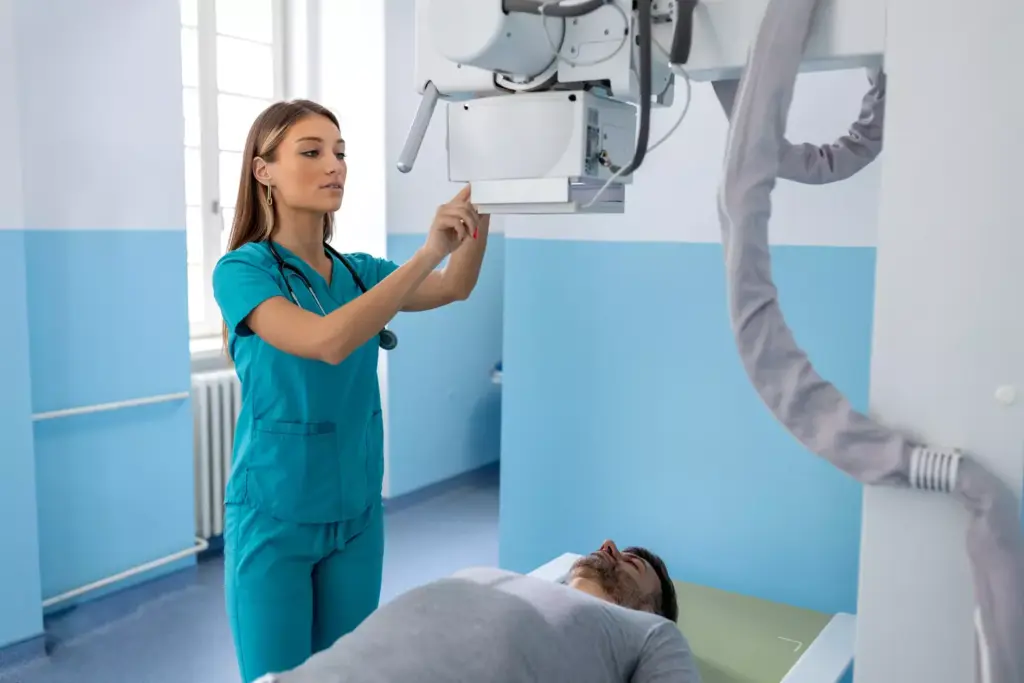
It’s important for patients to understand robotic hysterectomy procedures. This surgery makes small cuts in the abdomen. A laparoscope and surgical tools are then inserted through these cuts.
This method is less invasive. It allows for more precision and flexibility during surgery.
What is a Robotic Hysterectomy?
A robotic hysterectomy is a surgery that removes the uterus using a robotic system. It’s done through small cuts in the abdomen. This reduces the trauma to the body compared to open surgery.
The robotic system gives a clear, 3D view of the area being operated on. This helps the surgeon work with better precision.
Benefits of Minimally Invasive Techniques
Minimally invasive techniques, like robotic hysterectomy, have many benefits. They cause less post-operative pain, shorter hospital stays, and faster recovery times. This is because of the smaller cuts, which cause less damage to the body.
The robotic system’s precision also lowers the risk of complications. This makes it a safer option for many patients.
Comparing Traditional vs. Robotic Approaches
Traditional open surgery and robotic hysterectomy differ in several ways. Open surgery has a larger incision, leading to more pain and a longer recovery. On the other hand, robotic hysterectomy uses small cuts, leading to less pain and a quicker recovery.
The robotic approach also offers better precision and a lower risk of complications. This makes it a better choice for many patients.
Types of Robotic Hysterectomy Procedures

There are many types of robotic hysterectomy procedures. Each one has its own benefits and uses. They are designed to meet different patient needs and improve outcomes.
Da Vinci Robotic Hysterectomy
The Da Vinci Robotic Hysterectomy uses the Da Vinci Surgical System. This technology has changed the game in surgery. It offers high-definition 3D visualization and precise instrument control.
This system helps surgeons do complex tasks with great accuracy. It makes dissections and suturing easier, reducing risks and speeding up recovery.
Robotic Assisted Total Laparoscopic Hysterectomy (RATLH)
RATLH combines laparoscopic surgery with robotic technology. It removes the uterus through small incisions. The surgeon controls robotic arms during the procedure.
This method is minimally invasive. It leads to less pain and faster recovery than open surgery. The robotic help ensures precise work, lowering complication risks.
Robotic Hysterectomy with Bilateral Salpingectomy
This procedure removes the uterus and both fallopian tubes. It’s often chosen for those at high risk of ovarian cancer or with certain conditions.
The robotic system allows for precise salpingectomy. This reduces future health risks. The small incisions mean less tissue damage and quicker recovery.
Each robotic hysterectomy procedure has its own benefits. The right choice depends on the patient’s health and needs. Knowing about these options helps patients make better decisions about their care.
Benefits of Watching Robotic Hysterectomy Video Resources
Robotic hysterectomy videos have many benefits for patients. They help patients understand the surgery better and feel less anxious. Watching these videos can lead to better outcomes and higher patient satisfaction.
Educational Value for Patients
One key benefit is the educational value of these videos. They give patients a clear visual of the surgery. This helps them know what to expect before, during, and after the surgery.
A study in the Journal of Minimally Invasive Gynecology found that patients who watched videos felt more informed. This is very important for complex surgeries like robotic hysterectomy.
Reducing Anxiety Through Visual Understanding
These videos also help reduce anxiety by showing what the surgery is like. When patients know what to expect, they feel less scared or worried.
A survey by the American College of Obstetricians and Gynecologists showed that informed patients feel less anxious. Watching these videos can make patients feel more in control and confident. This leads to a better surgical experience.
| Benefits of Watching Robotic Hysterectomy Videos | Description |
|---|---|
| Educational Value | Provides detailed visual explanation of the procedure |
| Reduced Anxiety | Helps patients understand what to expect, reducing fear and apprehension |
| Realistic Expectations | Sets clear expectations for recovery and post-surgical experience |
Setting Realistic Expectations
These videos also help set realistic expectations for surgery and recovery. They show the actual procedure and discuss post-surgical care. This prepares patients for their recovery.
As shown in the table above, watching robotic hysterectomy videos offers many benefits. These include educational value, reduced anxiety, and setting realistic expectations. We suggest patients talk to their healthcare providers about these videos to prepare better before surgery.
Where to Find Quality Robotic Hysterectomy Videos
Finding the right resources is key for patients thinking about robotic hysterectomy. Quality videos can give a clear view of the procedure. This helps patients know what to expect. We’ll show you the best places to find these valuable resources.
Medical Institution Websites
Many medical institutions have educational resources on their websites, including robotic hysterectomy videos. These videos are made by the hospital’s medical staff. This ensures they are accurate and reliable. For example, the Mayo Clinic and Cleveland Clinic have big patient education sections on their websites.
Surgeon and Hospital YouTube Channels
Surgeons and hospitals are using YouTube to share educational content, like surgical procedure videos. These channels give a peek into the surgeon’s expertise and the hospital’s quality of care. When searching on YouTube, look for channels by board-certified surgeons or well-known medical institutions.
Patient Education Platforms
There are online platforms focused on patient education with videos on medical procedures, including robotic hysterectomy. These platforms gather content from many sources, giving a wide view of the procedure. Healthline and MedlinePlus are examples.
Evaluating Video Credibility
It’s important to check the credibility of robotic hysterectomy videos. Look for videos made or reviewed by medical professionals. Make sure the video is up-to-date, as medical techniques change fast. Also, trust videos from reputable medical institutions and surgeons for accurate and unbiased info.
| Source | Credibility Indicators | Benefits |
|---|---|---|
| Medical Institution Websites | Produced by medical staff, accurate, reliable | High-quality information, directly from the source |
| Surgeon and Hospital YouTube Channels | Run by board-certified surgeons, expertise showcased | Insight into surgeon expertise, hospital quality |
| Patient Education Platforms | Aggregate content, broad view of the procedure | Comprehensive overview, multiple perspectives |
How to Approach Watching Surgical Videos
Watching a robotic hysterectomy video is more than just clicking play. It needs mental prep and knowing what to expect. It can be emotionally tough, so being ready is key.
Mental Preparation Strategies
Before you watch, get your mind ready. Learn about the surgery, its risks, and benefits. Think about why you’re watching and what you want to learn.
Here are some ways to prepare:
- Learn about the surgery and what it involves.
- Understand the possible risks and complications.
- Know the benefits, like less pain and quicker recovery.
Taking Notes for Doctor Questions
Watching the video will likely make you think of questions. It’s smart to take notes. This way, you can remember to ask your doctor later.
Some important things to note include:
| Aspect to Note | Details to Observe |
|---|---|
| Surgical Technique | Watch how the surgeon makes the incisions and moves the robotic arms. |
| Equipment Used | Notice the robotic system and other tools used in the surgery. |
| Patient Care | See how the patient is treated before, during, and after the surgery. |
Watching with a Support Person
Watching with someone you trust can be helpful. They can offer emotional support and help you understand the video. Choose someone who can support and guide you.
Being prepared and having support can make watching the video more valuable. You’ll learn more about the procedure.
Key Elements to Look for in a Robotic Hysterectomy Video
When watching a robotic hysterectomy video, there are several key elements to look for. These elements can help patients understand the procedure and what to expect.
Surgical Setup and Equipment
The surgical setup is a critical aspect of the robotic hysterectomy procedure. Look for the arrangement of the robotic arms and how they are positioned in relation to the patient. The equipment used, such as the Da Vinci Surgical System, should be clearly visible.
The video should show how the surgical team prepares for the procedure. This includes setting up the robotic system and positioning the patient.
Incision Placement and Size
Pay attention to the placement and size of the incisions made during the procedure. Minimally invasive surgery involves small incisions, and the video should demonstrate this. The location of these incisions is also important, as it can affect the patient’s recovery and the overall outcome of the surgery.
Robotic Arm Movements and Precision
The robotic arm movements are a critical part of the procedure. Observe how the robotic arms are controlled by the surgeon and how they interact with the patient’s tissue. The precision of the robotic arms is one of the key benefits of robotic hysterectomy.
Tissue Removal Techniques
During the procedure, the surgeon will remove the uterus and possibly other tissues. Look for how the robotic arms are used to dissect and remove tissue. The video should demonstrate the care and precision taken during this process.
Some key aspects to look for in the video include:
- The clarity of the 3D visualization
- The range of motion of the robotic arms
- The technique used for tissue removal
- The overall coordination of the surgical team
By focusing on these elements, patients can gain a better understanding of the robotic hysterectomy procedure and what to expect during their own surgery.
Understanding Da Vinci Surgery Hysterectomy Video Content
Da Vinci surgery hysterectomy videos help patients prepare for their surgery. They show the robotic-assisted procedure in detail. This includes the technology and techniques used.
Da Vinci Surgical System Components
The Da Vinci Surgical System has key parts for precise surgery. These parts are the surgeon console, the patient cart, and the vision cart.
The surgeon uses the console to control the robotic arms. They see the surgery in high-definition 3D. The patient cart holds the robotic arms, and the vision cart has the lighting and cameras.
3D Visualization Benefits
The Da Vinci System’s 3D view is a big plus. It lets surgeons see the surgery site clearly. This helps them navigate complex areas better.
The 3D view improves depth perception and magnification. It also helps see important structures. This leads to more precise surgery and better results.
Instrument Precision and Movement
The Da Vinci System’s instruments move like the human wrist. This allows for more movement than traditional laparoscopic tools. Surgeons can do delicate tasks easily.
Surgeon Console Operation
The surgeon console is the heart of the Da Vinci System. Surgeons use hand controls and pedals to control the arms. This lets them operate with great precision.
The console is designed to reduce fatigue. Surgeons can work for a long time without getting tired. This keeps them focused and in control.
| Component | Function | Benefit |
|---|---|---|
| Surgeon Console | Controls robotic arms | Enhanced precision and control |
| Patient Cart | Houses robotic arms | Minimally invasive surgery |
| Vision Cart | Provides lighting and camera equipment | Clear visualization of surgical site |
Preparing for Your Robotic Hysterectomy Surgery
Getting ready for your robotic hysterectomy surgery can make you feel less anxious and improve your results. We’ll walk you through the key steps to make sure you’re ready for the big day.
Pre-Surgical Consultations
Pre-surgical consultations are very important. Your doctor will talk about the surgery, answer your questions, and tell you what to do before it. Make sure to:
- Ask about the surgery and what to expect.
- Talk about any medicines you’re taking.
- Learn about the risks and benefits of robotic hysterectomy.
Required Medical Tests
You’ll have to do some medical tests before surgery. These tests check if you’re a good candidate for the procedure. You might have:
- Blood tests to check your health.
- Imaging tests like ultrasound or MRI to see your uterus.
- Other tests your doctor might recommend.
These tests help your doctors plan the surgery and lower risks.
Medication Adjustments
Some medicines might need to be changed or stopped before surgery. Your doctor will tell you about:
- Stopping blood thinners to avoid bleeding.
- Medicines that could affect anesthesia.
- Changing your current medicines.
Day-Before Preparations
The day before surgery is very important. We suggest:
- Eating a light meal the night before, as you’ll fast by midnight.
- Not doing hard activities and resting well.
- Following any special instructions from your healthcare team.
By following these steps, you’ll be ready for your robotic hysterectomy surgery. This will help you have the best results.
The Day of Surgery: What to Expect
Getting ready for your robotic hysterectomy? Knowing what happens on surgery day can ease your worries. We’re here to walk you through it, making sure you’re informed and supported every step.
Hospital Arrival Procedures
When you get to the hospital, you’ll first go to the registration area. There, you’ll finish any last-minute paperwork. Then, our team will take you to the pre-operative area.
Here, you’ll get ready for surgery. This means changing into a hospital gown, getting an IV, and meeting your surgical team. They’ll go over the details of your procedure with you.
Key steps during hospital arrival include:
- Completing registration and paperwork
- Changing into a hospital gown
- IV insertion for medication and fluids
- Meeting with your surgical team
Anesthesia Process
The anesthesia process is key to keeping you comfortable and pain-free. Our anesthesiologists will talk to you about your options, like general anesthesia. They’ll also answer any questions you have.
The anesthesia team will watch over you closely during surgery to keep you safe.
Operating Room Setup
The operating room is where your surgery will happen. It’s equipped with the latest technology, including the robotic system. Our team will explain everything and answer your questions before starting.
Your robotic hysterectomy surgery usually lasts 1 to 3 hours. The team will keep you updated on how it’s going and if it takes longer.
Knowing what to expect on surgery day can really help. We’re dedicated to giving you the best care and support during your treatment.
Immediate Post-Surgical Recovery
Right after a robotic hysterectomy, the recovery phase is key for healing. Patients go to the recovery room where doctors watch them closely.
Recovery Room Experience
In the recovery room, patients get help with pain and other issues. The medical team keeps an eye on their vital signs. They make sure the patient is okay before moving them to a hospital room.
Key aspects of the recovery room experience include:
- Close monitoring of vital signs
- Pain management through medication
- Observation for any surgical complications
Pain Management Approaches
Managing pain well is very important right after surgery. Patients get medicine to help with pain. The doctor changes the dose based on how the patient feels.
Pain management strategies may include:
- Patient-controlled analgesia (PCA) pumps
- Oral pain medications
- Regional anesthesia techniques
Initial Mobility Expectations
Moving around early is good to avoid problems like blood clots. Patients start walking and moving as soon as they can after surgery.
Hospital Stay Duration
How long a patient stays in the hospital varies. It depends on the surgery and the patient’s health. Usually, patients stay 1-2 days after surgery.
Before and After Robotic Hysterectomy: Patient Experiences
Understanding the effects of robotic hysterectomy helps patients prepare for surgery and recovery. This surgery is a big step forward in gynecology. It offers a less invasive option with fewer complications and quicker recovery.
Common Symptom Improvements
Many women see big improvements after robotic hysterectomy. These include:
- Less or no heavy menstrual bleeding
- Less pelvic pain from endometriosis or fibroids
- Less symptoms of uterine prolapse
One patient said,
“After my robotic hysterectomy, I felt a lot less pelvic pain. I was back to normal activities sooner than I thought.”
Physical Appearance Changes
Robotic hysterectomy uses small incisions. This means less noticeable scarring than traditional surgery. Patients often notice:
- Less scarring from small incisions
- Less pain and faster healing
- Quicker return to normal looks and activities
Laparoscopic Stomach Before and After Hysterectomy
The stomach area can change after laparoscopic surgery like robotic hysterectomy. Some common changes include:
| Aspect | Before Hysterectomy | After Hysterectomy |
|---|---|---|
| Bloating and discomfort | Common due to underlying conditions | Often reduced as symptoms resolve |
| Scarring | Minimal to no scarring visible | Small scars from laparoscopic ports |
| Abdominal pain | May be present due to gynecological issues | Generally reduced or eliminated |
Emotional and Hormonal Adjustments
Emotional and hormonal changes after robotic hysterectomy are big. Patients may feel:
- Mood swings from hormonal changes
- Relief and better mental health as symptoms go away
- Adjusting to no more menstrual cycles
It’s key for patients to have support during these changes. The emotional adjustments can be as big as the physical ones.
Conclusion
It’s important for patients to understand robotic hysterectomy procedures. Watching videos about robotic hysterectomy can help a lot. It shows what the surgery looks like.
Looking at videos about robotic hysterectomy can give patients a good idea of the surgery. They can see everything from start to finish. This can make them feel less anxious and more prepared.
We talked about how robotic hysterectomy is a good option. It’s less invasive and uses the Da Vinci Surgical System for precision. Being informed helps patients ask the right questions and get ready for recovery.
In short, using videos about robotic hysterectomy is a great way to learn. It helps patients be more involved in their care. This leads to a better experience for everyone.
What is a robotic hysterectomy?
A robotic hysterectomy is a new way to remove the uterus. It uses a robotic system for better precision and control. This method is less invasive than traditional surgery.
What are the benefits of watching a robotic hysterectomy video before surgery?
Watching a robotic hysterectomy video can help patients understand the surgery better. It reduces anxiety and sets realistic expectations. It gives a clear visual of the surgery, making patients feel more prepared.
What is the Da Vinci Surgical System used for in robotic hysterectomy?
The Da Vinci Surgical System is used for many surgeries, including hysterectomy. It offers 3D vision and precise movements. This allows for a more precise and less invasive surgery.
What is the difference between robotic assisted total laparoscopic hysterectomy (RATLH) and traditional hysterectomy?
RATLH is a minimally invasive procedure using a robotic system. Traditional hysterectomy is an open surgery. RATLH has less blood loss, pain, and quicker recovery.
How can I find reliable robotic hysterectomy videos?
You can find reliable videos on medical websites, surgeon YouTube channels, and patient education platforms. It’s important to check the source’s credibility and look for videos from reputable medical professionals.
What should I look for when watching a robotic hysterectomy video?
Look for key elements like surgical setup, incision placement, and robotic arm movements. Understanding these can help you grasp the procedure and what to expect.
How can watching a robotic hysterectomy video help with my recovery?
Watching a video can help you understand recovery, including pain management and initial mobility. This knowledge can prepare you and reduce anxiety, making recovery smoother.
What is the typical duration of a robotic hysterectomy surgery?
The surgery’s duration varies based on the case’s complexity and the surgeon’s experience. It usually takes one to three hours.
How long is the hospital stay after a robotic hysterectomy?
The hospital stay is shorter than traditional surgery. Patients usually stay for one to two days, depending on their recovery.
What are the common symptom improvements after a robotic hysterectomy?
Common improvements include reduced pelvic pain, decreased heavy bleeding, and better quality of life. Patients may also experience emotional and hormonal changes as they heal.
How does laparoscopic surgery affect the stomach before and after hysterectomy?
Laparoscopic surgery, like robotic hysterectomy, has little impact on the stomach. Patients might feel some discomfort or bloating, but it usually goes away quickly. This approach reduces trauma to the abdomen, leading to faster recovery.

























