Many patients feel anxious about getting a PET scan. They worry a lot about feeling uncomfortable or in pain.
Every year, millions of PET scans are done all over the world. But many people don’t know what to expect. We want to help by talking about discomfort and pain during the scan.
We want to make sure patients know what to expect. We’ll tell you about the steps to take and how to feel less discomfort.
Key Takeaways
- PET scans are generally well-tolerated with minimal discomfort.
- The procedure involves lying on a table that slides into a scanner.
- Patients may feel some discomfort from staying very quiet for a long time.
- The injection of the tracer might cause a bit of discomfort.
- Medical staff are there to help with any worries during the scan.
Understanding PET Scans: What They Are and Why They’re Performed
PET scanning technology helps us see how the body works inside. It’s used to find problems that other tests can’t see. This is because PET scans show how active different parts of the body are.
The Science Behind PET Scanning Technology
PET scans use a tiny bit of radioactive tracer. This tracer is attached to glucose and is injected into the body. It goes to areas that are very active, like cancer cells.
The PET scanner picks up signals from the tracer. It makes detailed pictures of what’s inside the body. This helps us understand how the body works at a very small level.
PET scans work because sick tissues don’t work like healthy ones. They use more energy. So, PET scans can spot these differences. This helps us find diseases and see if treatments are working.
Common Medical Conditions Requiring PET Scans
PET scans are used for many health issues. These include cancer, brain problems, and heart disease. Here’s a list of some conditions that often need PET scans:
| Medical Condition | PET Scan Application |
| Cancer | Staging, monitoring treatment response, detecting recurrence |
| Neurological Disorders | Diagnosing Alzheimer’s disease, Parkinson’s disease, and epilepsy |
| Cardiovascular Disease | Assessing myocardial viability and blood flow |
Understanding PET scans helps us see their importance in medicine. They are a key tool for diagnosing and managing many health issues.
The PET Scan Procedure: Step-by-Step Overview
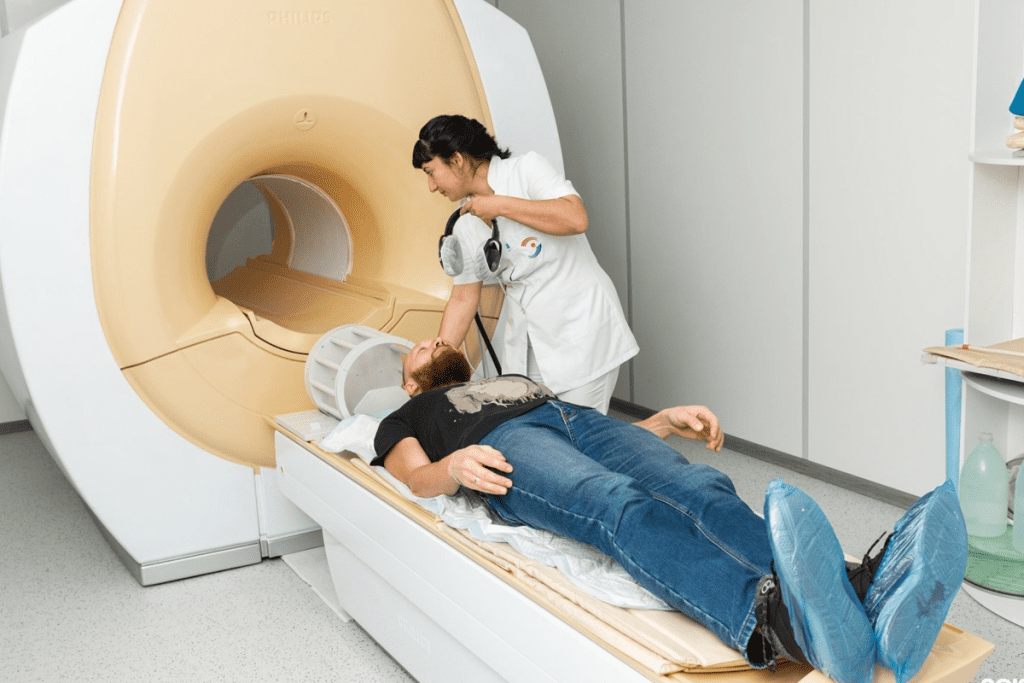
Understanding the PET scan procedure can ease stress. We walk you through each step, from start to finish. This includes registration, the scan itself, and recovery. Our goal is to make you feel more at ease.
Before the Scan: Registration and Initial Preparations
Patients start with the registration process before the PET scan. This involves checking in, providing ID, and filling out paperwork. Arriving early is key to complete these steps.
Next, patients change into comfy clothes without metal. We also ask you to remove jewelry or metal items to avoid interference.
A healthcare professional will explain the procedure in detail. They’ll answer your questions and prepare you for the radiotracer injection. This is a key part of the PET scan.
During the Scan: What Actually Happens
During the PET scan, you’ll lie on a table that slides into the scanner. The scan itself is quick, lasting 30 to 60 minutes. This depends on the scan type and body area.
It’s important to stay as calm and steady as possible. Our team is here to support you and answer any questions.
| Step | Description | Duration |
| Registration | Checking in and completing paperwork | 15-30 minutes |
| Preparation | Changing into comfortable clothing, removing metal objects | 10-15 minutes |
| Radiotracer Injection | Receiving the radiotracer injection | 1-5 minutes |
| Scanning | The PET scan procedure | 30-60 minutes |
After the Scan: Immediate Recovery Period
After the scan, you can go back to your normal activities. Unless your doctor tells you differently. Drinking plenty of water helps flush out the radiotracer.
Some people might feel a bit tired or notice effects from the radiotracer. These effects are usually mild and short-lived.
Our team will give you instructions after the scan. We’re here to answer any questions or concerns you may have.
Does a PET Scan Hurt? Addressing the Main Concern
Many people worry about the pain of a PET scan. It’s normal to feel nervous about any medical test. We’ll help clear up what you can expect.
Pain Points During Different Stages of the Procedure
The PET scan has several steps, each with its own level of discomfort. The biggest issue is usually the radiotracer injection. Some might feel a pinch or sting from the needle. But this is usually minor and doesn’t last long.
During the scan, you’ll lie on a table that moves into a scanner. The scanner isn’t scary for everyone, but some might feel uneasy. The scan is quiet and doesn’t hurt.
Another challenge is staying very quiet for a long time. This can be hard, mainly for those with back or joint pain. But the scan itself doesn’t hurt.
Patient Testimonials About Pain Levels
Many patients have shared their experiences with PET scans. Most say it’s not very painful. Some might feel a bit of discomfort during the injection, but it’s usually not bad.
“I was a bit nervous about the PET scan, but the staff were very reassuring. The injection stung a bit, but that was over quickly. The scan itself was uneventful and not uncomfortable at all.” – Sarah, age 52
While some discomfort might happen during a PET scan, it’s not usually painful. Knowing what to expect can help you feel better. This way, you can make the process smoother.
The Radiotracer Injection: Most Common Source of Discomfort
The injection of the radiotracer is a key part of PET scanning. But, it can be uncomfortable for some. This discomfort usually comes from the needle insertion and the radiotracer itself.
What the Injection Feels Like
Patients might feel a pinch or stinging when the needle goes into the vein. This feeling is quick, lasting just a few seconds. Some might also feel cold because the radiotracer is cold.
Duration of Injection Discomfort
The pain from the injection doesn’t last long. Most say it goes away in a minute or two. Here’s a table showing how long different parts of the PET scan might hurt.
| Aspect of PET Scan | Typical Duration of Discomfort |
| Radiotracer Injection | 1-2 minutes |
| Lying STILL During Scan | 30-60 minutes |
| Fasting Before Scan | Several hours |
Knowing what to expect during the injection can ease worries. It shows that any pain is short-lived. This helps patients prepare better for their scan.
If you’re worried about pet scan injection pain, talk to your healthcare team. They can offer reassurance and help find ways to alleviate pet scan pain.
Preparing for Your PET Scan: Reducing Possible Discomfort
Getting ready for a PET scan means taking a few steps to avoid discomfort. By knowing and following these tips, patients can make the scanning process easier and more comfortable.
Dietary Restrictions and Their Purpose
Before a PET scan, it’s important to follow certain diet rules. Patients usually need to fast for a few hours before the scan. This is because eating or drinking can mess with the scan’s accuracy.
These diet rules help the body absorb the scan’s special dye better. This ensures the scan gets clear, accurate images.
| Dietary Restriction | Purpose | Duration |
| Fasting | Optimize radiotracer uptake | 4-6 hours |
| Avoid sugary foods/drinks | Reduce glucose interference | 24 hours |
| Limit caffeine intake | Minimize possible side effects | 24 hours |
Medication Adjustments Before the Scan

Some medicines can mess with PET scan results or react with the dye. It’s key for patients to tell their doctor about all their medicines. This includes prescription drugs, over-the-counter items, and supplements.
Based on what medicines you take, your doctor might suggest changing your routine before the scan. They might ask you to stop some medicines or change how much you take.
Claustrophobia and PET Scans: Managing the Enclosed Space
Patients with claustrophobia face special challenges when getting ready for and going through a PET scan. The PET scanner’s closed space can make anxiety and discomfort worse. We get how hard it is for those with claustrophobia and want to help them through this part of their test.
The Scanner Environment and Space Constraints
The PET scanner is a big, cylindrical machine that goes around the patient during the scan. It’s made to give top-notch images with little invasion, but its closed nature can be scary. The scanner’s diameter is about 70 cm (28 inches), big enough for most, but can be tough for those with claustrophobia. The scan room is well-ventilated and has devices for talking to the medical team.
Techniques for Coping with Claustrophobia
There are ways to deal with claustrophobia during a PET scan. Talking to your healthcare provider about your claustrophobia before the scan is important. This lets them use strategies that fit you best.
- Relaxation techniques, like deep breathing or meditation, can calm you down.
- Some places have open-design PET scanners or sedation for anxious patients.
- Listening to music or having someone with you in the scan room can also help.
| Coping Technique | Description | Benefit |
| Relaxation Techniques | Deep breathing, meditation | Reduces anxiety |
| Open-Design Scanners | Less enclosed scanner design | Lessens feeling of confinement |
| Sedation Options | Medication to relax | Helps in severe claustrophobia |
Knowing about the scanner and using good coping strategies can help those with claustrophobia deal with PET scan anxiety. We’re here to support and guide you through this.
Lying Stil for Extended Periods: Physical Challenges
Staying perfectly motionless for a long time is a big challenge during a PET scan. This is key for getting clear and accurate images.
Necessity of Movement Restriction
Moving during a PET scan can mess up the image quality. This might mean you need to do the scan again. We know it’s hard to stay motionless, but it’s vital for getting the right diagnosis.
The PET scan tech needs precise data. Any movement can blur or distort the images. This could hide important details that doctors need to see.
Tips for Managing Discomfort from Immobility
To make it more comfortable, try these tips:
- Relaxation Techniques: Deep breathing or meditation can help you relax and stay calm.
- Comfortable Positioning: Make sure you’re comfy on the scanning table. We can adjust it to fit you better.
- Communication: If you’re feeling pain or discomfort, tell the medical team. They can help make it easier for you.
Understanding the need to stay motionless and using tips to ease discomfort can help. Our team is here to support you. We want to make sure you’re as comfortable as possible during the scan.
Fasting Requirements: Dealing with Hunger and Thirst
To get accurate results from a PET scan, fasting is often needed. We have tips to make fasting easier. Fasting is a key step in getting ready for your PET scan.
Importance of Fasting for Accurate Results
Fasting before a PET scan is key. It makes sure the radiotracer is absorbed right. Eating or drinking can mess with how the radiotracer spreads in your body.
This could lead to wrong scan results. By fasting, we ensure the scan images are clear. This helps doctors make an accurate diagnosis.
Strategies to Minimize Discomfort from Fasting
Fasting can be tough, but there are ways to feel better. Drinking lots of water before fasting is important. You can also keep your mind off hunger by staying busy or relaxing.
| Strategy | Description | Benefit |
| Hydration | Drink plenty of water before fasting | Reduces thirst and discomfort |
| Distraction | Stay busy or engage in relaxing activities | Helps manage hunger and anxiety |
| Medication Timing | Consult your doctor about taking medications before a PET scan | Ensures safety and minimizes discomfort |
Managing pet scan preparation pain and discomfort is about understanding and coping. Knowing why fasting is needed and how to handle it can reduce your discomfort. This makes the PET scan process easier.
We’re here to support you through your PET scan preparation, including managing pet scan discomfort. Our aim is to make sure you’re as comfortable as possible. This way, you get the most from the PET scan.
Temperature Discomfort During PET Scans
Many people don’t think about the room temperature during PET scans. It can make patients uncomfortable. The room is set up for the scan, but it might not be cozy for everyone.
Why Scanner Rooms Are Often Cool
PET scan rooms are usually cool. This is because the machines need it and the staff prefers it. But, it can be hard for patients to stay comfortable, mainly because they have to stay very quiet and calm for a long time.
Options for Staying Comfortable
To feel better in a PET scan room, there are a few things you can do:
- Bringing a Blanket: You can bring a blanket to keep warm.
- Wearing Comfortable Clothing: Wear layers that you can easily take off or add.
- Communicating with the Technician: Tell the technician if you’re cold. They might be able to make the room warmer or give you more blankets.
Knowing these tips can help you feel more comfortable during your PET scan. It’s all about being prepared and talking to the technician.
Psychological Aspects: Anxiety and Stress During PET Scans
Getting a PET scan can be scary for many. It’s because of the unknown, staying very quiet for a long time, and worries about the results. These things make people feel uneasy.
Common Fears and Concerns
People getting PET scans worry about many things. They might fear the scan’s results or feel trapped in the scanner. The radiotracer shot can also be uncomfortable for some.
Some common worries are:
- Fear of the unknown or fear of diagnosis
- Anxiety related to the enclosed space of the PET scanner
- Concerns about the radiotracer and its possible side effects
- Discomfort or pain from lying very quiet for a long time
Mental Preparation Techniques
It’s important to manage anxiety and stress before and during a PET scan. Here are some ways to prepare:
| Technique | Description | Benefit |
| Deep Breathing Exercises | Slow, deliberate breathing to calm the mind and body | Reduces overall stress and anxiety |
| Visualization | Imagining a peaceful, safe environment | Distracts from the immediate environment, promoting relaxation |
| Positive Self-Talk | Encouraging oneself with positive affirmations | Boosts confidence and reduces anxiety |
| Meditation | Focusing the mind on a single point to achieve calm | Decreases stress and improves mental clarity |
Using these methods can help patients feel less anxious and stressed. This makes the PET scan experience less scary.
Special Considerations for Different Patient Groups
Different patient groups face unique challenges during PET scans. We tailor our approach to reduce discomfort. Each patient’s experience can vary, with some needing more support.
Children and PET Scan Discomfort
Children undergoing PET scans have special needs. Their age and understanding of the procedure can be a challenge. We use sedation when needed and explain the process with visual aids.
Elderly Patients and Mobility Challenges
Elderly patients often have mobility issues that affect PET scans. We help with positioning and offer breaks if needed. Their comfort and safety are our main concerns.
For those with severe mobility problems, we use special equipment or adjust the scan to reduce discomfort. This ensures a successful procedure.
Patients with Chronic Pain Conditions
Patients with chronic pain need careful management during PET scans. We work with them to develop a pain management plan. This may include strategies before, during, or after the scan.
By understanding each patient’s unique challenges, we can provide a more comfortable PET scan experience. One patient said, “Knowing and addressing my needs made a big difference in my experience.”
Comparing PET Scan Discomfort to Other Imaging Tests
Many people worry about how comfortable PET scans are, compared to MRI and CT scans. It’s important to know how each test feels. This helps patients make better choices about their health.
PET Scans vs. MRIs: Comfort Comparison
MRI and PET scans are used for different reasons. But they can work together. MRI machines are tight, which can make some people feel trapped. PET scans are more open, but the table might be hard.
A study found MRI patients felt more anxious because of the tight space. But PET scan patients might feel pain from the radiotracer shot. Here’s a quick look at the main differences:
| Imaging Test | Environment | Common Discomfort |
| PET Scan | More open, but firm table | Radiotracer injection discomfort |
| MRI | Enclosed space | Claustrophobia, noise |
PET Scans vs. CT Scans: Discomfort Differences
CT scans are quick and need little prep. But they make you stay very quiet on a moving table. This can be uncomfortable. CT scans don’t use a radiotracer, but might use dye.
Both PET and CT scans have their own discomforts. PET scans are often painful from the radiotracer shot. CT scans are hard because you have to stay very quiet and might get dye.
Knowing these differences helps patients and doctors choose the best test. It’s all about finding the right balance between getting the right diagnosis and feeling comfortable.
Potential Side Effects Contributing to Discomfort
Knowing the side effects of PET scans helps patients prepare for the procedure. PET scans are mostly safe, but the radiotracer can cause some issues.
Short-term Side Effects from Radiotracers
The radiotracer in PET scans can lead to short-term side effects. These effects are usually mild and go away quickly after the scan.
- Mild allergic reactions: Some people might get mild allergic reactions, like itching or a rash.
- Nausea and dizziness: A few might feel sick or dizzy after the radiotracer injection.
- Headache: Headaches are rare but can happen to some patients.
A study in the Journal of Nuclear Medicine found that serious side effects from PET radiotracers are very rare. This shows how safe these tools are for diagnosis.
“The safety of PET radiotracers is well-established, with serious adverse reactions being exceedingly rare.”
Journal of Nuclear Medicine
Rare but Possible Adverse Reactions
While rare, serious side effects can occur. It’s important for patients to know about these possibilities.
| Adverse Reaction | Frequency | Symptoms |
| Severe allergic reaction | Very rare | Difficulty breathing, rapid heartbeat, severe rash |
| Cardiovascular effects | Rare | Changes in blood pressure, heart rate abnormalities |
| Neurological effects | Rare | Seizures, confusion, severe headache |
Patients should talk to their healthcare provider about any concerns or allergies before a PET scan. Knowing about these side effects helps patients prepare better for the procedure.
Medications and Interventions to Reduce PET Scan Discomfort
Medications and interventions can help a lot with PET scan discomfort. Many patients find it hard to manage anxiety or physical pain during scans. Luckily, there are ways to make these issues better.
Sedation Options for Anxious Patients
For those who get really anxious during PET scans, sedation is a good choice. It makes patients feel more relaxed, making the scan easier to handle.
“It’s a game-changer for patients who are claustrophobic or anxious about the scanning process.”
The kind of sedation used can change, from a little relaxation to deeper sedation. This depends on what the patient needs and what the doctor suggests.
Some common sedation options include:
- Oral sedatives taken before the procedure
- Intravenous sedation administered during the scan
- Nitrous oxide for mild sedation
It’s important for patients to talk about their anxiety with their doctor before the scan. This helps pick the right sedation.
Pain Management Approaches
PET scans are usually not painful, but some might feel discomfort from the radiotracer injection or staying in one spot for a long time. Pain management approaches can help with this. For example, over-the-counter pain relievers might be suggested for pain from the injection site.
Healthcare providers might also suggest other ways to manage discomfort, like:
- Adjusting the patient’s position during the scan
- Using warm blankets to alleviate cold discomfort
- Providing emotional support through the presence of a companion during the procedure
By using these pain management approaches, patients can feel a lot less discomfort during PET scans.
Talking openly with healthcare providers is key to managing PET scan discomfort. Patients should feel free to share their worries and ask about ways to reduce anxiety and pain.
Communicating with Healthcare Providers About Comfort Concerns
Talking to your healthcare provider about comfort concerns can greatly improve your PET scan experience. It’s important to share your needs and worries with your team. This way, you can have a comfortable and successful procedure.
Questions to Ask Before Your PET Scan
Before your PET scan, it’s key to ask the right questions. This ensures you’re ready for the procedure. Ask your healthcare provider about steps to reduce discomfort during the scan. Some important questions include:
- What are the specific requirements for preparing for the PET scan?
- Are there any specific comfort measures that can be taken during the procedure?
- How can I communicate with the healthcare team during the scan if I experience discomfort?
By asking these questions, you’ll know what to expect and how to handle any discomfort. This makes your PET scan experience smoother.
How to Express Discomfort During the Procedure
If you feel uncomfortable during the PET scan, tell the healthcare team. It’s important to speak up if you’re anxious, in pain, or uncomfortable. The team is trained to help and make changes to ensure your comfort and safety.
Tips for expressing discomfort:
- Inform the technologist or nurse if you experience any pain or discomfort.
- Use a communication device provided during the scan to express your needs.
- Don’t hesitate to ask for adjustments to be made to improve your comfort.
By openly talking with your healthcare team, you can make your PET scan as comfortable as possible.
Conclusion: Balancing Diagnostic Benefits with Temporary Discomfort
Getting a PET scan can make many patients anxious. Yet, the benefits of PET scans are huge. Knowing what to expect can help ease worries.
It’s important to manage any discomfort during a PET scan. This means following diet rules, dealing with claustrophobia, and staying calm while lying down. These steps help make the scan less uncomfortable.
PET scans offer detailed views of the body’s activity, making the temporary discomfort worth it. By focusing on comfort and talking openly with doctors, patients can feel more at ease. This way, they get the most out of their PET scan.
FAQ
Does a PET scan hurt?
A PET scan is usually not painful. But, some people might feel a bit uncomfortable during the injection or when they have to stay very quiet for a long time.
Is a PET scan painful?
The PET scan itself is not usually painful. But, things like the injection or staying very quiet might cause some discomfort.
What is the pain level of a PET scan?
Most people say they feel very little pain or discomfort during a PET scan. It’s usually easy to handle.
How can I manage PET scan anxiety?
You can try deep breathing, meditation, or talk to your doctor about your worries. These can help with anxiety about PET scans.
What are the side effects of a PET scan?
Rarely, some people might have short-term side effects from the radiotracers. But, most people don’t have big problems.
Can I get sedation for a PET scan?
Yes, if you’re anxious or have trouble staying quiet, you can get sedation for your PET scan.
How long does the discomfort from a PET scan last?
Any discomfort from the injection or staying quiet is usually short-lived. It goes away soon after the scan is over.
Are there any dietary restrictions before a PET scan?
Yes, you might need to follow certain diet rules before a PET scan. Your doctor will tell you what to do.
How can I minimize discomfort during a PET scan?
Follow the preparation tips, talk to your doctor about any worries, and use relaxation techniques. These can help reduce discomfort.
What should I expect during a PET scan?
You’ll go through registration, get a radiotracer injection, lie on a table, and move through the scanner. Doctors will watch over you the whole time.
Can claustrophobia affect my PET scan experience?
Yes, claustrophobia can make things harder. Talk to your doctor about your fears and see if there are ways to cope or get sedation.
How do PET scans compare to other imaging tests in terms of comfort?
PET scans are about as comfortable as MRIs or CT scans. Each test has its own unique parts, and how comfortable you feel can vary.
What are the benefits of a PET scan?
PET scans give important info about how your body works. They help doctors diagnose and manage many health issues.
How can I communicate my comfort concerns to my healthcare provider?
It’s important to talk openly about your worries and ask questions before the scan. This way, your comfort needs can be met.