

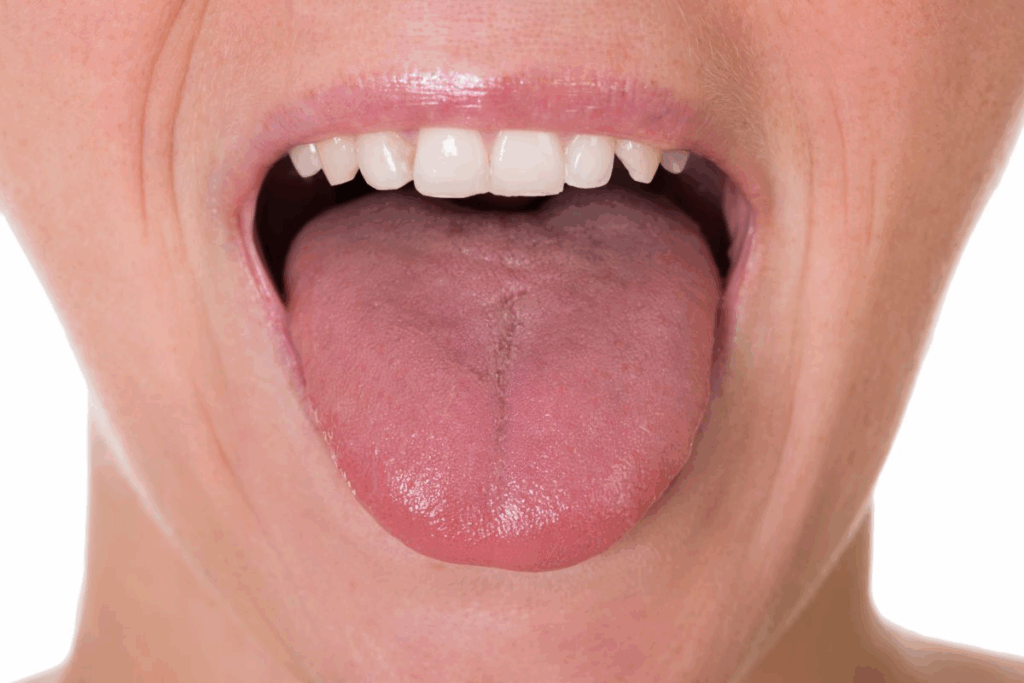
Seeing bumps on the back of your tongue can be scary. But knowing what they are is the first step to getting help. Human papillomavirus (HPV) bumps on the tongue are a common sign of oral HPV infection. This is a common sexually transmitted infection hpv lie bumps.
These bumps look like small, flesh-colored or white lumps. They might look like warts or cauliflower. They are usually painless and can show up in different parts of your mouth, like the back of your tongue and soft palate.
At Liv Hospital, we stress the need for thorough oral health checks. This helps find and treat oral HPV infections. Knowing what HPV-related tongue lesions look like is key to catching them early.
Key Takeaways
- HPV bumps on the tongue are a result of oral HPV infection.
- They appear as small, flesh-colored or white raised lesions.
- These bumps are often painless and can be found on various oral surfaces.
- Early detection is key to managing oral HPV infections.
- Comprehensive oral health screening is vital for spotting HPV-related tongue lesions.
Understanding Oral HPV Infection
[Add image here]
Oral HPV infection happens when the human papillomavirus infects the mouth. This can lead to health issues that need attention. We will look into what this condition is, how common it is, how it spreads, and who is at risk.
What is Human Papillomavirus (HPV)?
Human Papillomavirus, or HPV, is a group of over 100 viruses. Some types cause warts, while others can lead to cancers like cervical or throat cancer. HPV is one of the most common sexually transmitted infections in the U.S.
The Centers for Disease Control and Prevention (CDC) says nearly all sexually active people will get HPV at some point. There are over 40 types of HPV that can spread through sex, causing lesions in the mouth.
Prevalence of Oral HPV in the United States
Oral HPV is a big public health worry in the U.S. About 7% of Americans aged 14 to 69 have oral HPV, studies show. This means about 1 in 14 people in this age group are infected.
Age Group | Prevalence of Oral HPV |
14-19 years | 1.3% |
20-24 years | 4.4% |
25-29 years | 5.4% |
30-34 years | 6.2% |
35-69 years | 4.1% |
Transmission Methods and Risk Factors
Oral HPV spreads mainly through oral sex or close contact with someone with the virus. Being at risk includes having many sexual partners, not using protection during oral sex, and having a weak immune system.
“The transmission of HPV to the oral cavity is a complex process, and understanding the risk factors is key for prevention.”
Other risks include smoking or drinking a lot, which can raise the chance of getting oral HPV-related problems. We will talk about why knowing these risks is important for managing and preventing oral HPV infection.
- Having many sexual partners increases the risk.
- Not using protection during oral sex is a big risk.
- A weak immune system makes you more likely to get it.
Visual Characteristics of HPV Bumps on the Tongue

HPV bumps on the tongue can look different, but they share some common traits. Knowing these traits helps spot them and tell them apart from other mouth issues.
Common Appearance and Color
HPV bumps are usually small and can be flesh-colored, white, or red. They might stick out a bit or blend in with the tongue. Their color can change if other mouth problems or irritation are present.
Size and Texture of HPV Lesions
HPV bumps can be tiny or a few millimeters big. They often feel rough to the touch. But sometimes, they can be smooth, making them tricky to spot just by touch.
Cauliflower-like or Wart-like Structures
Some HPV bumps look like cauliflower or warts. This is true for certain virus strains. These bumps stand out more and are a clear sign of HPV.
Characteristic | Description |
Size | Small to a few millimeters in diameter |
Color | Flesh-colored, white, or red |
Texture | Rough, sometimes smooth |
Appearance | Slightly raised or flat, cauliflower-like or wart-like |
Spotting these signs early is key to managing HPV bumps on the tongue. If you notice anything odd, see a doctor right away.
HPV Lie Bumps: Identification and Symptoms
Knowing about HPV lie bumps is key for those with oral HPV. We’ll look into what these bumps are, how they differ from other issues like transient lingual papillitis, and the feelings they bring.
Defining HPV Lie Bumps
HPV lie bumps are small, usually painless lumps on the tongue’s surface. They’re linked to the Human Papillomavirus (HPV) and can show up in oral HPV cases. These bumps might be flesh-colored or slightly white and often appear on the tongue’s front or back.
How They Differ from Regular Transient Lingual Papillitis
Transient lingual papillitis (TLP) causes small, painful bumps on the tongue. While both HPV lie bumps and TLP can lead to tongue bumps, they differ significantly. TLP bumps hurt and go away in a few days. HPV lie bumps, on the other hand, are usually painless and can stick around longer.
Physical Sensations and Discomfort
Even though HPV lie bumps are generally painless, they can feel uncomfortable or like something’s stuck on the tongue. Sometimes, they might also cause mild irritation or swelling. It’s important to keep an eye on these bumps and see a doctor if they don’t go away or bother you a lot.
Characteristics | HPV Lie Bumps | Transient Lingual Papillitis |
Pain Level | Painless | Painful |
Duration | Can persist | Resolves within days |
Appearance | Flesh-colored or white | Red or white |
Common Locations of Oral HPV Manifestations

It’s important to know where oral HPV shows up. Oral HPV can appear in different parts of the mouth. Knowing where these signs are found is key.
Back of the Tongue Lesions
The back of the tongue is a common spot for oral HPV lesions. These can look like bumps or growths. It’s important to get any unusual growths checked by a doctor.
Soft Palate and Throat Involvement
Oral HPV can also show up on the soft palate and in the throat. The soft palate, at the back of the roof of the mouth, can get lesions. This can cause discomfort or trouble swallowing. The throat can also be affected, leading to symptoms that need a doctor’s check-up.
Under-Tongue and Floor of Mouth Presentations
HPV bumps can also appear under the tongue and on the floor of the mouth. These spots are less common but important. Regular self-examination can help find these early.
Location | Common Symptoms | Potential Complications |
Back of the Tongue | Bumps or growths, discomfort | Difficulty swallowing, altered taste |
Soft Palate and Throat | Lesions, sore throat, discomfort | Difficulty swallowing, possible spread |
Under-Tongue and Floor of Mouth | Bumps, discomfort, pain | Potential for cancer if not treated |
Knowing where oral HPV shows up is key for early detection and treatment. If you see any unusual growths or symptoms, see a doctor right away.
Different HPV Strains and Their Oral Manifestations
Human Papillomavirus (HPV) has many strains, each affecting oral health differently. We’ll look at how various strains impact the mouth and their symptoms.
Low-Risk HPV Strains (6 and 11)
Low-risk HPV types 6 and 11 often cause benign oral lesions. These lesions look like cauliflower-like or wart-like structures on the tongue or elsewhere in the mouth. They are usually painless but can be uncomfortable or affect appearance.
These strains lead to oral papillomas, which are mostly harmless but can be annoying. If a lesion persists or bothers you, there are treatment options available.
High-Risk HPV Strains (16 and 18)
High-risk HPV types 16 and 18 are linked to serious health problems, like oropharyngeal cancer. These strains can also cause oral lesions, but they are more concerning because they can turn cancerous.
It’s key to know that high-risk HPV strains can lead to precancerous lesions. These may look similar to harmless lesions. Regular check-ups and professional evaluations are vital for early detection and treatment.
Relationship Between Strain Type and Appearance
The look of HPV-related oral lesions can change based on the strain. Low-risk strains usually cause benign and visible lesions. But high-risk strains might not show clear signs. This shows why getting a professional diagnosis is so important.
Knowing the specific HPV strain helps in choosing the right treatment. Always see a healthcare professional for a proper diagnosis and care plan.
Distinguishing HPV Bumps from Other Oral Conditions
It’s important to tell the difference between HPV bumps and other oral issues. This is because oral HPV bumps can look like other common problems. This can lead to wrong diagnoses and treatments.
Oral Thrush vs. HPV Bumps
Oral thrush is a fungal infection that shows up as white patches on the tongue and inside the mouth. It doesn’t look like HPV bumps, which are raised and wart-like. Key differences include:
- Appearance: Oral thrush looks like white, creamy patches, while HPV bumps are flesh-colored or slightly white.
- Texture: Thrush patches can be wiped off, leaving a red surface, whereas HPV bumps are more persistent and cannot be easily removed.
- Symptoms: Oral thrush may cause discomfort or a cotton-like feeling in the mouth, while HPV bumps are generally painless.
The Centers for Disease Control and Prevention (CDC) says, “Oral thrush is most common in infants, older adults, and people with weakened immune systems.”
Enlarged Papillae vs. HPV Lesions
Enlarged papillae, often linked to transient lingual papillitis, can be mistaken for HPV bumps. But there are clear differences:
Characteristics | Enlarged Papillae | HPV Bumps |
Appearance | Small, red or pink bumps | Flesh-colored or white, possibly with a cauliflower-like appearance |
Duration | Temporary, often resolving within days | More persistent, can last for weeks or months |
Cause | Irritation, trauma, or stress | Human Papillomavirus infection |
Other STIs That Cause Oral Symptoms
Other STIs can also cause oral symptoms that might look like HPV bumps. For example:
- Syphilis: Can cause oral lesions, known as chancres, during its primary stage.
- Gonorrhea: May result in oral symptoms like sore throat or redness.
- Herpes Simplex Virus (HSV): Causes oral herpes, characterized by painful blisters or ulcers.
It’s essential to consult a healthcare professional for an accurate diagnosis if you’re experiencing any unusual oral symptoms or bumps.
Recognizing Bumps on Tongue After Oral Sex
Seeing bumps on the tongue after oral sex can be scary. It’s important to know what they might mean. Oral sex can spread the Human Papillomavirus (HPV), causing bumps or lesions on the tongue.
Timeframe for HPV Bump Development
How long it takes for HPV bumps to show up can vary a lot. Medical sources say they can appear months after exposure. This makes it hard to know exactly when you got it. The virus can stay hidden for a long time before symptoms show up.
“The time it takes for HPV to show up can be weeks, months, or even years,” doctors say. This shows why regular health checks and watching your oral health are key.
Distinguishing Normal Reactions from HPV Lesions
Telling normal reactions from HPV lesions is important. Normal reactions might be minor irritations or redness that go away on their own. But, HPV lesions can be lasting bumps or growths that need treatment.
- Normal reactions usually don’t last long and don’t hurt much.
- HPV lesions can stick around and hurt or cause pain.
- If your tongue bumps don’t go away or get bigger, see a doctor.
When to Be Concerned About Post-Oral Sex Bumps
It’s normal to worry about tongue bumps after oral sex. But, not all bumps mean HPV or something serious. If your bumps are lasting, getting bigger, or hurt, you should see a doctor.
“If you’re worried about tongue bumps, after oral sex, see a doctor. They can check them and tell you what to do next.”
Knowing early what causes tongue bumps can help you relax. Regular dental visits and safe sex practices can also lower the risk of HPV.
HPV-Related Oral Cancer Risk and Warning Signs
There’s a strong link between HPV infection and oral cancer risk. Medical experts are studying this connection closely. They’re learning how certain HPV strains, like HPV-16, raise the risk of oropharyngeal cancer.
Connection Between HPV-16 and Oropharyngeal Cancer
HPV-16 is a high-risk virus linked to oropharyngeal cancer. This cancer affects the back of the throat, including the tongue base and tonsils. Research shows HPV-16 causes a big part of these cancers.
The number of oropharyngeal cancers linked to HPV-16 is growing. This is true, mainly among younger people. It’s key to know the risks and warning signs of HPV-related oral cancer.
Transformation from Benign Bumps to Precancerous Lesions
HPV-related bumps in the mouth can be harmless but might turn into precancerous lesions. The risk depends on the HPV strain, immune response, and lifestyle. It’s important to watch for any unusual growths.
If you notice any persistent or changing bumps in your mouth, see a doctor. Early detection is vital to prevent serious conditions.
Red Flags That Require Immediate Medical Attention
Some symptoms could mean a serious issue, like oral cancer. Be on the lookout for these red flags:
- Persistent bumps or sores in the mouth that do not heal
- Unexplained bleeding or pain in the mouth or throat
- Difficulty swallowing or speaking
- Unexplained weight loss or fatigue
- Changes in the voice or persistent hoarseness
If you notice any of these signs, see a doctor right away.
Red Flag | Description | Potential Implication |
Persistent bumps or sores | Non-healing lesions in the mouth | Possible precancerous or cancerous lesion |
Unexplained bleeding or pain | Bleeding or pain without clear cause | Potential sign of oral cancer |
Difficulty swallowing or speaking | Changes in ability to swallow or speak | Possible obstruction or nerve involvement |
Diagnosis and Treatment Options
Diagnosing HPV-related lesions on the tongue involves both visual checks and tests. Getting an accurate diagnosis is key to finding the right treatment.
Diagnostic Procedures and Tests
First, a healthcare professional will visually examine the tongue. This initial check can give important clues about the lesions.
More tests might include:
- Biopsy: A sample of the lesion is taken for lab analysis to confirm HPV presence.
- HPV DNA testing: This test finds the specific HPV strain causing the infection.
- Visual examination with specialized tools: Tools like a colposcope help spot hidden lesions.
Diagnostic Test | Purpose |
Biopsy | Confirms HPV presence and rules out other conditions |
HPV DNA testing | Finds the specific HPV strain |
Visual examination with specialized tools | Spots hidden lesions |
Medical and Surgical Treatment Approaches
Treatment for HPV bumps on the tongue depends on the severity, location, and the patient’s health.
Common treatments are:
- Cryotherapy: Freezes the lesions to destroy infected tissue.
- Laser therapy: Uses a laser to remove the lesions.
- Surgical removal: Needed in some cases.
- Topical treatments: Creams or ointments to manage symptoms.
Management of Persistent HPV Bumps
When HPV bumps don’t go away, ongoing management is needed. This includes regular check-ups, adjusting treatments, and lifestyle changes to boost immunity.
Key strategies for managing persistent HPV bumps include:
- Regular follow-up appointments to monitor the lesions.
- Adjusting treatment plans as necessary based on initial responses.
- Lifestyle changes to boost the immune system, such as quitting smoking and eating healthy.
Understanding diagnosis and treatment options helps individuals manage HPV bumps on the tongue better.
Conclusion: Prevention and Management of Oral HPV
Knowing about HPV bumps on the tongue is key to preventing and managing oral HPV. We’ve talked about what these bumps look like, where they are found, and the different types of HPV. We also learned how to tell if they are caused by HPV or something else.
Preventing oral HPV is important. Getting vaccinated against HPV is a big step. Also, practicing safe sex can help stop the spread of the virus. Spotting the signs of oral HPV, like HPV lie bumps, early can lead to quick treatment.
Handling oral HPV requires both medical and surgical methods. Tests and exams can find out if you have HPV and what type it is. This helps doctors decide how to treat you. Taking action early can help manage the condition if you do get infected.
By knowing what HPV bumps on the tongue look like, we can take steps to avoid and manage oral HPV. This knowledge helps us get medical help if we see any unusual signs. It ensures we get the care we need right away.
FAQ
What do HPV bumps on the tongue look like?
HPV bumps on the tongue are small and can be flesh-colored, white, or red. They might be raised or flat and feel rough. They can look like cauliflower or warts.
How is oral HPV infection transmitted?
Oral HPV infection spreads mainly through oral sex and close contact with someone who has it.
What are the common locations of oral HPV manifestations?
Oral HPV can show up on the back of the tongue, soft palate, throat, under the tongue, and the floor of the mouth.
How do HPV lie bumps differ from regular transient lingual papillitis?
HPV lie bumps come from an HPV infection. Transient lingual papillitis is not caused by HPV. HPV lie bumps often stay and can be part of other oral HPV signs.
What is the difference between low-risk and high-risk HPV strains?
Low-risk HPV strains, like HPV-6 and 11, usually cause harmless growths. High-risk strains, like HPV-16 and 18, raise the risk of oral cancer.
How can I distinguish HPV bumps from other oral conditions like oral thrush?
HPV bumps are painless and look different. Oral thrush has white patches that can be wiped off. It also causes redness and irritation.
When should I be concerned about bumps on my tongue after oral sex?
If bumps don’t go away, get bigger, or cause pain or trouble swallowing, see a doctor.
Is there a link between HPV and oral cancer?
Yes, some high-risk HPV strains, like HPV-16, increase the risk of oropharyngeal cancer.
How are HPV bumps diagnosed and treated?
Doctors look, take biopsies, and might test for HPV. Treatment depends on the type and how bad it is. It can range from watching it to surgery.
Can HPV bumps be managed or prevented?
Safe sex, HPV vaccines, and good oral care can prevent HPV. Regular doctor visits help catch and manage it early.
What are the warning signs that require immediate medical attention for HPV-related oral issues?
Look out for bumps that don’t go away, grow, cause pain, or bleeding. These need a doctor’s check right away.
Are HPV bumps on the tongue always a sign of an active HPV infection?
No, not always. Some people might have HPV without symptoms. Others might have bumps from an active infection.
References
National Center for Biotechnology Information. HPV Tongue Bumps: Oral Manifestations of Human Papillomavirus. Retrieved from https://pubmed.ncbi.nlm.nih.gov/22393124/




