Children with cancer are very vulnerable to infections. These infections can really harm their health and chances of survival. It’s very important to know how to stop infections, and preventive measures like the hpv vaccine can help keep them safe
Infections are a big problem for kids with cancer. They can make kids very sick or even kill them. To stay safe, kids should wash their hands a lot and avoid being around too many people. The human papillomavirus vaccine, like Gardasil, also helps a lot. It protects against some cancers and infections.

We can help keep kids with cancer safe from infections. This means following the gardasil vaccine schedule and keeping clean. Good hygiene is key.
Key Takeaways
- Children with cancer are highly susceptible to infections due to their compromised immune systems.
- Preventive measures such as frequent handwashing and minimizing exposure to crowds are critical.
- The human papillomavirus vaccine is an important preventive measure against certain cancers and infections.
- Following the recommended gardasil vaccine schedule can help protect children with cancer.
- Good hygiene practices are essential in reducing the risk of infections.
Understanding Why Children with Cancer Face Higher Infection Risks
Cancer and its treatment weaken a child’s immune system, making them more likely to get sick. When a child has cancer, their body can’t fight off infections as well. This is because cancer and its treatments harm the immune system.
The Impact of Cancer and Treatments on the Immune System
Cancer treatments, like chemotherapy and radiation, aim to kill cancer cells. But they also harm other fast-growing cells, including those in the bone marrow. These cells are important for fighting infections. The Canadian Cancer Society says these treatments lower the number of white blood cells, making infections common.
When there are fewer white blood cells, the risk of getting sick goes up. This is called neutropenia. Kids with neutropenia are more likely to get infections from bacteria, viruses, and fungi. It’s important to know how to prevent infections, like through good hygiene and vaccines.
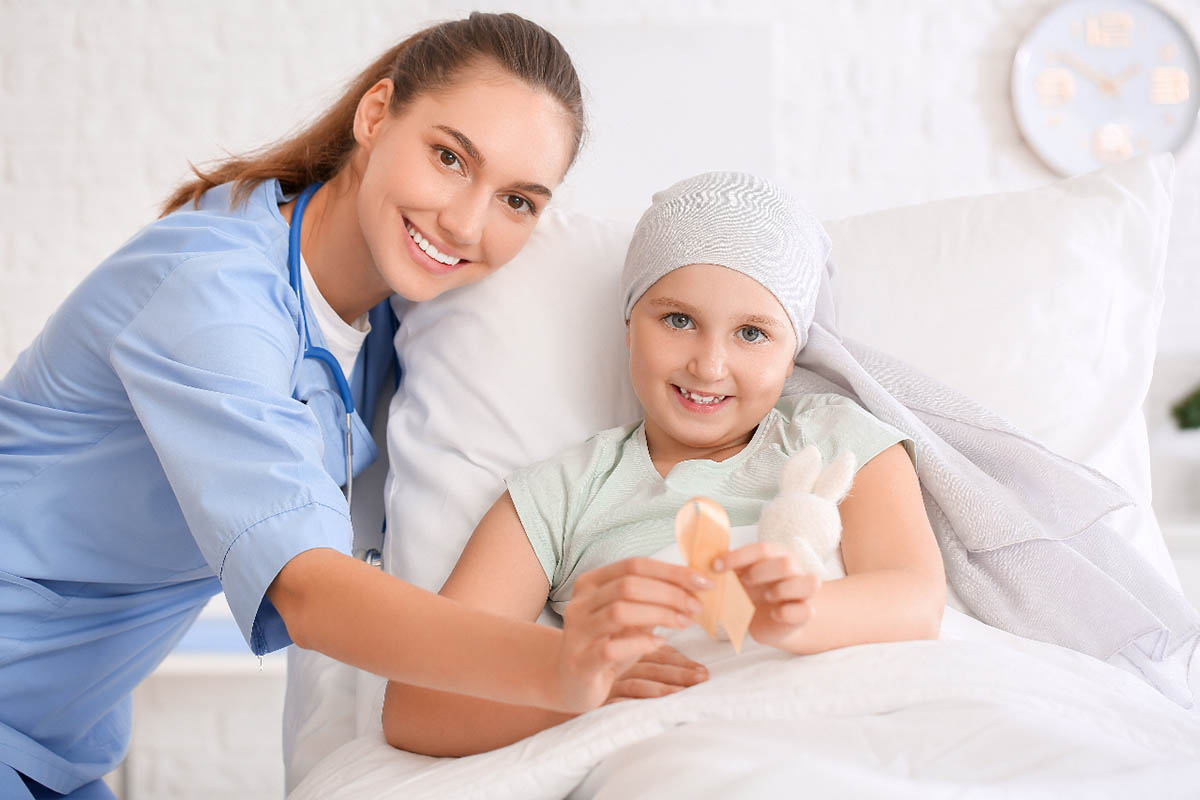
Global Statistics: 300,000+ Children Affected Annually
Every year, over 300,000 kids worldwide get cancer. The number of cases varies by region and country. In poor countries, getting diagnosed and treated on time is often hard, leading to more deaths.
- Childhood cancer is a big problem worldwide.
- The chances of surviving vary a lot between rich and poor countries.
- Getting care and preventive steps early is key to these differences.
The Survival Gap: 80% in High-Income vs. 30% in Low-Income Countries
In rich countries, about 80% of kids with cancer survive. But in poor countries, it’s only about 30%. This big gap is due to many reasons, like access to healthcare and treatments. Vaccines, like the HPV vaccine schedule, are important for preventing cancer. Knowing what is the HPV vaccine and its benefits is vital for parents.
We need to work together to close this gap. We must improve access to care, boost preventive steps, and spread the word about vaccines. Vaccines, like the HPV vaccine, can help prevent some cancers.
5 Essential Hygiene Practices That Prevent Infections
Good hygiene is key to stopping infections in kids with cancer. Simple habits can greatly lower the chance of infections in these children.
Proper Handwashing Techniques and When to Wash
Handwashing is a top way to stop infections. Use alcohol-based hand sanitizers or soap and water for 15 seconds. Proper handwashing techniques mean rubbing all hand surfaces, including between fingers and under nails.
- Wash your hands before eating or preparing food.
- Wash your hands after using the bathroom.
- Wash your hands after touching animals or their waste.
Maintaining Strict Oral Hygiene Routines
Oral hygiene is key to prevent infections, like yeast infections, in kids with cancer. Brush teeth twice a day with a soft-bristle toothbrush and fluoride toothpaste.
- Brush teeth gently in the morning and before bed.
- Use a fluoride mouthwash if your healthcare provider suggests it.
Keeping Personal Spaces and Medical Equipment Clean
It’s important to keep personal spaces and medical equipment clean. Regularly disinfect surfaces and equipment that are touched often.

Bathing and Skin Care Guidelines
Bathing and skin care are vital for kids with cancer. Bathe daily with mild soap and lukewarm water. Focus on areas prone to infection.
- Use gentle skin care products to avoid irritation.
- Pat dry the skin thoroughly after bathing.
By sticking to these 5 essential hygiene practices, we can protect kids with cancer from infections. This helps keep them healthy during treatment.
The HPV Vaccine and Other Critical Immunizations for Cancer Patients
Vaccinations are key in keeping kids with cancer safe from serious infections. They are part of a big care plan to protect these kids from more health dangers. We’ll look at why the HPV vaccine and other important shots are vital, their benefits, safety, and when to give them during cancer treatment.
Understanding the HPV Vaccine Schedule and Benefits
The HPV vaccine fights off certain human papillomavirus strains, which can cause cancers. The Gardasil vaccine schedule is for pre-teens, given at ages 11-12. It can start as early as 9. If the first dose is before 15, a two-dose series is needed, with the second dose 6-12 months later.
Those getting their first dose at 15 or older need a three-dose series. The second dose is 1-2 months after the first, and the third is 6 months after the first.
The HPV vaccine offers big benefits, protecting against HPV-related cancers and genital warts. Knowing the HPV vaccination schedule helps parents keep their kids safe from these risks.
Which Vaccines Are Safe During Cancer Treatment
Not all vaccines are okay for kids with cancer. Inactivated vaccines, like the flu and HPV vaccines, are usually safe. But live vaccines, like the MMR vaccine, are often avoided because of the risk of complications.
It’s important to talk to a healthcare provider to figure out the best vaccination plan for a child with cancer.
Timing Vaccinations Around Treatment Protocols
When to give vaccines is very important when a child has cancer. Vaccines are usually not given during very strong immunosuppression, like during chemo or radiation. It’s best to talk to a healthcare provider about the best time for vaccines, as treatment plans can affect when it’s safe to give them.
Understanding the role of vaccines and working with healthcare providers helps protect kids with cancer. Getting vaccines on time is a key way to keep them healthy during treatment.
7 Dietary and Social Precautions to Minimize Infection Risk
Being careful with food and social habits can greatly lower the chance of infections in kids with cancer. Kids with cancer have weaker immune systems, making them more likely to get sick. Families can help by following certain food and social rules.
Food Safety Guidelines for Neutropenic Diets
A neutropenic diet is good for kids with low neutrophil counts. It helps avoid foods that can cause infections. It’s important to handle and cook food safely to make sure it’s okay to eat.
- Choose cooked foods over raw foods.
- Avoid unpasteurized juices and dairy products.
- Ensure all fruits and vegetables are thoroughly washed before consumption.
Safe Food Preparation and Storage Practices
Keeping food safe is key to preventing infections. This means being clean when preparing food, storing it right, and eating it quickly. Washing hands before touching food is a simple but effective step.
- Wash your hands thoroughly before and after handling food.
- Use separate cutting boards for raw meats and ready-to-eat foods.
- Refrigerate perishable foods within two hours of preparation.
Avoiding High-Risk Foods and Beverages
Some foods and drinks are more likely to cause infections. Kids with weak immune systems should avoid these. This includes raw or undercooked foods, unpasteurized products, and foods from places where food safety might be a problem.
It’s also smart to stay away from foods that might be dirty, like raw sprouts. Making sure food is stored and handled right can also help prevent infections.
Strategies for Limiting Exposure to Crowds
Staying away from crowded places is another important step. Places like buses, malls, and schools can spread infections. Try to avoid these places, or at least go when they’re not too busy.
If you must go out, wearing masks can help protect you. It’s also good to keep a safe distance from people who are sick.
By following these food and social tips, families can greatly lower the chance of infections in kids with cancer. While the HPV vaccine helps prevent some cancers, keeping a safe environment is just as important.
Conclusion: Building a Comprehensive Infection Prevention Plan
Creating a solid infection prevention plan is key for kids with cancer. We’ve talked about several important steps to lower infection risks. These include good hygiene, essential vaccinations like the HPV vaccine, and safe eating habits.
The Gardasil vaccine schedule is also vital for these children. Making sure they get the HPV vaccine on time can greatly lower their infection risk. We also stressed the need for clean mouths, tidy personal and medical areas, and safe food handling.
By using these strategies and social distancing, we can make a strong plan to prevent infections. Healthcare teams and families must work together to make this happen. Their efforts can greatly reduce infection risks for kids with cancer. By sticking to these practices, we can help these children have better outcomes.
FAQ
What is the HPV vaccine schedule for children undergoing cancer treatment?
Are vaccinations safe for children with cancer?
What are the benefits of the HPV vaccine for cancer patients?
How can families implement good hygiene practices to prevent infections?
What dietary precautions should be taken to minimize infection risk?
Can children with cancer receive live vaccines?
What is a neutropenic diet, and why is it important?
How can healthcare providers support families in implementing infection prevention strategies?
References
- Phillips, B., et al. (2019). Recent advances in the prevention and management of infections in pediatric oncology patients. Frontiers in Oncology, 9, 1323. https://www.ncbi.nlm.nih.gov/pmc/articles/PMC6852340/