

Androgen deprivation therapy (ADT) is a key treatment for advanced prostate cancer. It lowers or blocks testosterone, a hormone that helps cancer cells grow. By reducing testosterone and other androgens, ADT slows cancer growth. This helps men with advanced disease live better.
At Liv Hospital, we’ve been giving ADT for decades. We mix proven methods with care that focuses on the patient. Our goal is to control cancer and improve life quality, supporting patients every step of the way.
Understandhrt prostate cancer treatment and how hormone therapy works.
Key Takeaways
- Androgen deprivation therapy (ADT) is a hormone treatment for advanced prostate cancer.
- ADT works by lowering or blocking testosterone to slow cancer growth.
- We use ADT as a first-line treatment for advanced prostate cancer.
- Our approach at Liv Hospital combines evidence-based protocols with patient-centered care.
- ADT has been used for over eight decades to improve outcomes for men with prostate cancer.
Understanding Prostate Cancer and Hormone Dependency

Prostate cancer cells often rely on male hormones to grow. This shows how important hormone control is in treatment. Prostate cancer is complex, and hormones play a big role in finding the best treatments.
The Role of Androgens in Prostate Cancer Growth
Androgens, like testosterone and DHT, are key in prostate cancer cell growth. Testosterone, in particular, fuels most prostate cancer cells. Androgens help cancer cells grow, making them a main target in treatment.
“The growth of prostate cancer is often driven by the presence of male hormones, making hormone control a critical aspect of therapy.”
Expert in Prostate Cancer Treatment
Why Hormone Control Is Essential in Treatment
Managing hormone levels is key in prostate cancer treatment. It directly affects cancer cell growth and spread. Hormone therapy, or androgen deprivation therapy (ADT), aims to lower male hormones in the body. This can slow cancer growth, reduce spread, and ease symptoms of advanced cancer.
| Hormone | Role in Prostate Cancer | Impact of Hormone Control |
| Testosterone | Fuels the growth of prostate cancer cells | Reducing testosterone levels can slow cancer growth |
| Dihydrotestosterone (DHT) | Stimulates the proliferation of cancer cells | Lowering DHT levels can help control cancer cell growth |
Knowing how prostate cancer cells depend on hormones is key for effective treatments. By focusing on hormonal drivers, doctors can offer more tailored and effective treatments.
Defining Androgen Deprivation Therapy (ADT)
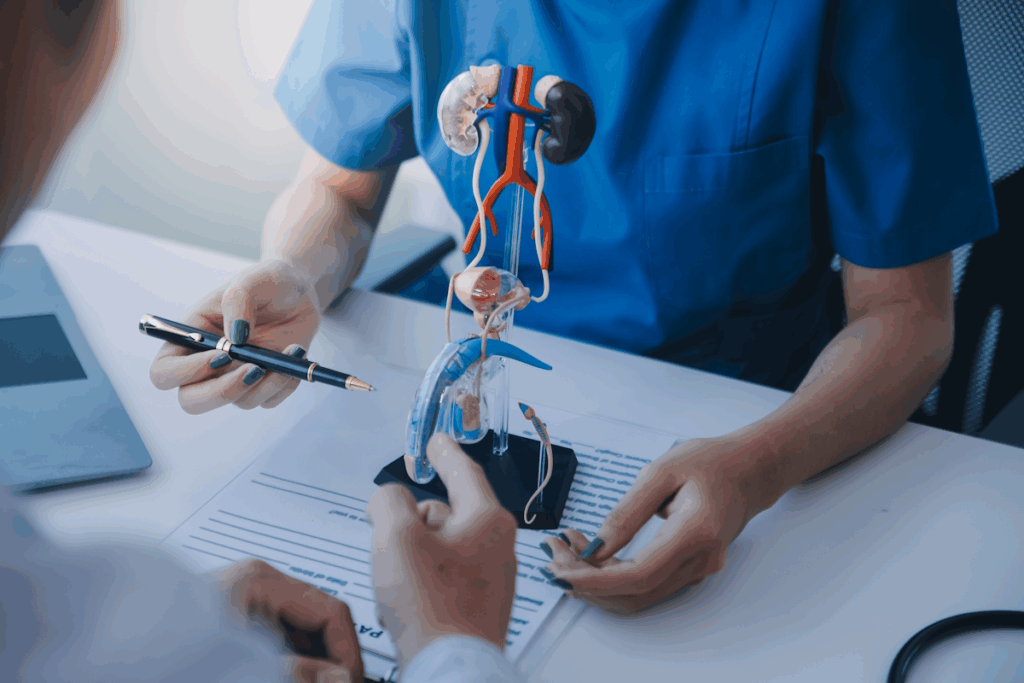
Androgen Deprivation Therapy (ADT) is a key treatment for prostate cancer. It targets male hormones that help cancer cells grow. Knowing about ADT helps patients and doctors understand prostate cancer treatment better.
The Science Behind ADT
ADT lowers androgens (male hormones) in the body. These hormones help prostate cancer cells grow. The main goal of ADT is to slow prostate cancer by cutting off hormone support. Doctors use medicines to lower testosterone, a key hormone for cancer growth.
“The use of ADT has become a standard approach in the management of advanced prostate cancer, improving quality of life.”
ADT works because androgens are key in prostate cancer growth. By reducing androgens, ADT starves cancer cells, slowing their growth.
Prevalence and Importance in Cancer Treatment
ADT is a first-line treatment for advanced prostate cancer. It’s used for tumors that have grown, come back, or spread. ADT is also used for patients at high risk of cancer coming back after treatment.
| Stage of Prostate Cancer | Role of ADT |
| Locally Advanced | Used as a primary treatment to reduce tumor size and risk of recurrence. |
| Recurrent | Employed to manage disease recurrence by lowering androgen levels. |
| Metastatic | Utilized to control the spread of cancer by depriving it of necessary hormones. |
The table shows ADT’s role in different prostate cancer stages. It shows its versatility and importance in treatment.
In conclusion, ADT is a vital part of prostate cancer treatment. It targets androgens to manage the disease. Its use in various cancer stages highlights its role in better patient outcomes.
How ADT Works in the Body
ADT lowers testosterone production, which fuels prostate cancer cells. This therapy is key in managing prostate cancer. It stops cancer cells from growing by depriving them of androgens.
Testosterone Suppression Mechanisms
There are two main ways to suppress testosterone: surgery and medicine. Surgical castration removes the testes, where testosterone is made. Medical castration uses drugs like LHRH agonists to lower testosterone levels.
LHRH agonists first increase luteinizing hormone production. Then, they reduce LH and FSH, lowering testosterone. GnRH antagonists block GnRH, directly reducing LH and testosterone.
Effects on Cancer Cell Growth and Proliferation
ADT controls prostate cancer cell growth by lowering testosterone. Androgens like testosterone help cancer cells grow. By reducing these androgens, ADT slows or stops cancer cell growth.
ADT’s effects include lower PSA levels and smaller tumors. It also slows disease progression. We monitor its success with PSA tests and imaging studies.
| Method | Description | Effect on Testosterone |
| Surgical Castration | Removal of the testes | Significant reduction |
| LHRH Agonists | Medications like leuprolide, goserelin | Medical castration, reducing testosterone |
| GnRH Antagonists | Directly block GnRH action | Rapid reduction in testosterone |
When Is ADT Recommended for Patients?
ADT is key in managing prostate cancer, mainly when it has spread or is at high risk of coming back. Doctors recommend ADT based on the cancer’s stage, the patient’s health, and the risk of the disease getting worse.
Locally Advanced Prostate Cancer
For those with locally advanced prostate cancer, ADT is often suggested. It aims to lower the chance of cancer coming back and improve survival chances. “Locally advanced prostate cancer means the cancer has grown outside the prostate but hasn’t spread far,” says Medical Expert, a top urologist.
ADT can work better when used with other treatments like radiation therapy. It stops testosterone production, slowing cancer cell growth. This makes managing the disease easier.
Recurrent Disease Scenarios
When prostate cancer comes back after treatment, ADT is often considered. This is because rising Prostate-Specific Antigen (PSA) levels show cancer cells are growing.
ADT can control growing cancer cells, buying time before more aggressive treatments are needed. Starting ADT depends on how fast PSA levels rise and the patient’s health.
Metastatic Prostate Cancer Management
For those with metastatic prostate cancer, ADT is a mainstay treatment. Metastatic cancer has spread to other parts of the body, like bones, lymph nodes, or organs.
ADT lowers testosterone levels, slowing cancer cell growth and improving life quality. Sometimes, ADT is used with other treatments like chemotherapy or targeted therapy to manage metastatic disease.
The American Cancer Society notes, “ADT is a common treatment for metastatic prostate cancer. It helps control symptoms and improve survival.” Knowing when ADT is recommended helps patients make better treatment choices.
Types of Hormone Shots for Prostate Cancer
Hormone shots are key in treating prostate cancer. They help control the disease by lowering testosterone levels. This slows down cancer cell growth.
We’ll look at the different hormone shots, like LHRH agonists. We’ll talk about how they’re given and what patients can expect.
LHRH Agonist Examples: Leuprolide and Goserelin
LHRH agonists, such as leuprolide and goserelin, are hormone shots. They first increase hormone production. Then, they lower testosterone levels, slowing cancer cell growth.
Leuprolide is a common LHRH agonist. It’s given as an injection, every 1, 3, or 6 months, depending on the type.
Goserelin is another LHRH agonist for prostate cancer. It’s injected every 3 months.
Administration and Frequency of Injections
Getting hormone shots is simple. Patients get them at their doctor’s office or clinic. How often depends on the shot type.
| Medication | Frequency of Administration | Typical Formulation |
| Leuprolide | 1, 3, or 6 months | Depot injection |
| Goserelin | 3 months | Implant injection |
What to Expect During Treatment
During hormone shot treatment, patients get regular PSA and testosterone checks. This helps see if the treatment is working.
Side effects like hot flashes, tiredness, and changes in sex drive are common. Our team helps manage these and adjusts treatment as needed.
Complete Guide to HRT Prostate Cancer Treatment Options
HRT has made big strides in fighting prostate cancer. It uses different ways to lower androgen levels or block their effects on cancer cells. We’ll look at HRT’s many sides, like first-line treatments, oral vs. injection options, and the role of new GnRH antagonists like relugolix.
First-Line Hormone Therapy Protocols
First-line treatments for prostate cancer often use Androgen Deprivation Therapy (ADT). ADT cuts down testosterone, which helps cancer cells grow. The main ADT methods are:
- LHRH agonists (e.g., leuprolide, goserelin)
- LHRH antagonists (e.g., degarelix, relugolix)
- Anti-androgens (e.g., bicalutamide, flutamide)
These treatments can be used alone or together, based on the cancer’s stage and how aggressive it is.
| Therapy Type | Examples | Mechanism |
| LHRH Agonists | Leuprolide, Goserelin | First, they stimulate, then they stop testosterone production |
| LHRH Antagonists | Degarelix, Relugolix | They right away stop testosterone production |
| Anti-androgens | Bicalutamide, Flutamide | They block androgen receptors |
Oral Medications vs. Injections
Choosing between oral meds and injections for HRT depends on many things. These include what the patient prefers, the cancer’s stage, and the side effects. Oral meds like relugolix are easy to take every day. But injections, like leuprolide, are given less often but need more visits to the doctor.
“The development of oral GnRH antagonists like relugolix represents a significant advancement in prostate cancer treatment, making it easier for patients and reducing side effects compared to traditional injectable therapies.”
Expert Opinion
The New GnRH Antagonist: Relugolix
Relugolix is a new oral GnRH antagonist that’s showing great promise in prostate cancer treatment. It quickly lowers testosterone levels, slowing down hormone-sensitive prostate cancer cells. Studies have shown it’s effective in keeping testosterone low for a long time.
As we keep improving prostate cancer treatment, it’s key to understand HRT options well. The right therapy depends on many things, like the cancer’s stage, the patient’s health, and possible side effects.
Endocrine Therapy for Prostate Cancer: Beyond Basic ADT
Endocrine therapy for prostate cancer has grown a lot. It now offers more than just Androgen Deprivation Therapy (ADT). As we learn more about prostate cancer, we can tailor treatments better for each patient.
Androgen Receptor Pathway Inhibitors
One big step forward is androgen receptor pathway inhibitors. These drugs block the androgen receptor, which helps prostate cancer cells grow. This way, we can slow down or stop cancer cells from growing.
Examples of these inhibitors include:
- Abiraterone acetate, which stops androgens from being made
- Enzalutamide, which blocks the androgen receptor directly
- Apalutamide, another strong androgen receptor inhibitor
These drugs have shown great promise in studies. They help patients with advanced prostate cancer a lot.
Complete vs. Intermittent Androgen Blockade
Androgen blockade is key in fighting prostate cancer. There are two main ways to do this: complete and intermittent androgen blockade.
Complete androgen blockade keeps androgens from being made or working. It’s used for patients with metastatic disease or high risk of coming back.
Intermittent androgen blockade, on the other hand, cycles on and off ADT. This can lessen side effects and maybe delay when cancer becomes resistant to treatment. This method is being studied to see how well it works and when to use it.
| Strategy | Description | Potential Benefits |
| Complete Androgen Blockade | Continuous suppression of androgen production or activity | Effective in managing metastatic disease |
| Intermittent Androgen Blockade | Cycling on and off ADT | Minimizes side effects, potentially delays castration resistance |
Castration-Resistant Prostate Cancer Approaches
Dealing with castration-resistant prostate cancer (CRPC) is tough. But, there are treatments for CRPC, like:
- Chemotherapy
- Second-generation androgen receptor inhibitors
- Radium-223 for patients with bone metastases
Studies show that combining ADT with newer androgen receptor inhibitors helps CRPC patients a lot. This mix of treatments is key in fighting advanced prostate cancer.
Knowing all the endocrine therapy options helps us give personalized care. This improves patients’ lives and treatment results.
Prostate Cancer Hormone Treatment Drugs: A Complete Review
Prostate cancer treatment often includes hormone drugs. These drugs target the disease’s growth. Hormone therapy, or androgen deprivation therapy (ADT), is key for advanced prostate cancer. It lowers male hormones or blocks their effect on cancer cells.
LHRH Agonists and Their Mechanisms
LHRH agonists first increase testosterone levels. But, with ongoing use, they lower LH and FSH levels. This leads to less testosterone. Leuprolide and goserelin are examples. They come in various forms, like monthly injections.
These drugs first raise LH and FSH levels. Then, they downregulate the pituitary gland. This reduces testosterone production, slowing cancer cell growth.
GnRH Antagonists: How They Differ
GnRH antagonists, like degarelix and relugolix, block GnRH action right away. This quickly lowers testosterone levels. They are good for those needing a fast response.
They offer quick testosterone reduction. This is helpful for those at risk of flare-ups from LHRH agonists.
Anti-Androgens and Second-Generation Treatments
Anti-androgens are used in prostate cancer treatment. They block androgens from promoting cancer cell growth. Bicalutamide and enzalutamide are examples. Second-generation anti-androgens like enzalutamide and apalutamide are more effective.
These drugs can be used alone or with other hormone therapies. When paired with LHRH agonists or GnRH antagonists, they block androgen action fully. This is called combined androgen blockade (CAB).
Benefits and Effectiveness of ADT Treatment for Prostate Cancer
Androgen Deprivation Therapy (ADT) is a key treatment for prostate cancer. It helps control the disease and improves survival chances. We’ll look at how ADT benefits patients and their quality of life.
Cancer Control and Survival Statistics
ADT has been proven to increase survival rates and lower the chance of cancer coming back. It works by lowering testosterone, which slows cancer cell growth. This means patients live longer.
A study showed ADT can boost the 5-year survival rate by up to 20% for high-risk prostate cancer patients. This shows ADT’s role in treating the disease.
Quality of Life Considerations
ADT is good at controlling cancer but can cause side effects. These include hot flashes, fatigue, and changes in body shape. Yet, many patients see their quality of life improve due to fewer symptoms and slower disease growth.
It’s important to manage these side effects. Doctors help patients adjust their lifestyle and use supportive care. This way, ADT’s benefits are maximized, and its downsides are minimized.
Recent Research Findings
New studies are shedding light on ADT’s benefits in treating prostate cancer. Researchers are working to improve ADT by adjusting its length and combining it with other treatments. For example, some studies show adding ADT to radiation or chemotherapy can improve results.
There’s also research on finding biomarkers to predict who will benefit most from ADT. This could lead to more tailored treatments. As we learn more about prostate cancer, so will our use of ADT.
Managing Side Effects of ADT Hormone Shots for Prostate Cancer
Managing side effects from ADT hormone shots is key for prostate cancer patients. Androgen Deprivation Therapy (ADT) is a main treatment for advanced prostate cancer. But, it can cause side effects that affect patients’ daily life.
Short-Term Side Effects and Management
ADT can lead to short-term side effects like hot flashes, fatigue, and mood swings. Hot flashes can be uncomfortable and disrupt sleep. To help, patients can avoid spicy foods and caffeine, wear layers, and use relaxation methods.
Fatigue is common and can be improved with exercise, a healthy diet, and enough rest. Mood swings, including depression and anxiety, can be helped with counseling and, if needed, medication.
Long-Term Health Implications
Long-term ADT use can cause serious health issues like osteoporosis, metabolic changes, and heart risks. Osteoporosis can be managed with bone density scans, supplements, and bone-strengthening meds.
Metabolic changes, like weight gain and lipid profile changes, need monitoring and management through diet and exercise. Heart risks can be reduced by controlling blood pressure, diabetes, and cholesterol.
Supportive Care During Treatment
Supportive care is vital for ADT patients. Regular check-ups with healthcare providers are important to watch for side effects and adjust treatment. Support groups can also help by sharing experiences and strategies.
Nutritional counseling and physical therapy are also key in managing side effects and improving well-being. A holistic care approach helps patients manage ADT side effects and maintain a good quality of life.
Monitoring Treatment Response and Adjusting Therapy
It’s key to watch how well ADT works in treating prostate cancer. We need to keep an eye on how the treatment is doing. This helps us make the right changes to care.
PSA Testing and Interpretation
PSA testing is a big help in checking if ADT is working. We look at PSA levels to see if the treatment is effective. If PSA levels go down, it’s a good sign.
Key aspects of PSA testing include:
- Regular PSA measurements to track changes over time
- Interpreting PSA trends to assess treatment efficacy
- Using PSA nadir (the lowest PSA level reached) as a prognostic indicator
Imaging and Clinical Assessments
Imaging and clinical checks are also important. They help us see how the treatment is working. We use scans to check for tumors and signs of cancer spreading.
Common imaging techniques include:
- Bone scans to detect bone metastases
- CT scans to assess lymph node involvement and visceral metastases
- MRI for detailed evaluation of the prostate and surrounding tissues
We also look at symptoms and overall health. This helps us see if ADT is working well and if there are any side effects.
When to Consider Treatment Modifications
If the disease starts to grow or doesn’t respond to ADT, we might need to change the treatment. We look at rising PSA levels, new symptoms, and scans to decide.
Potential treatment modifications include:
- Switching to a different ADT regimen
- Adding other therapies, such as chemotherapy or targeted therapy
- Considering alternative treatments, such as immunotherapy or participation in clinical trials
By watching how the treatment is doing and making changes when needed, we can help prostate cancer patients get the best results from ADT.
Conclusion
Androgen Deprivation Therapy (ADT) is key in treating prostate cancer. It helps manage advanced prostate cancer. This therapy is vital for cancer control and survival, helping patients a lot.
Our detailed look at ADT shows its big role in treating prostate cancer. Knowing how it works and its benefits and challenges helps doctors create better treatment plans. This is important for each patient’s needs.
Looking at prostate cancer treatment as a whole is important. This includes supportive care and checking how well treatments work. As we keep improving in treating prostate cancer, ADT will keep being a big help. It improves patient outcomes and quality of life.
FAQ
What is Androgen Deprivation Therapy (ADT) and how does it work in treating prostate cancer?
ADT is a treatment that lowers male hormone levels. These hormones, like testosterone, help prostate cancer grow. By reducing these hormones, ADT slows or stops cancer cell growth.
What are the different types of hormone shots used in prostate cancer treatment?
LHRH agonists, like leuprolide and goserelin, are hormone shots for prostate cancer. They are given by injection, every 1-6 months, based on the treatment plan.
How does ADT affect cancer cell growth and proliferation?
ADT lowers testosterone levels. This reduces prostate cancer cell growth. Without the hormones they need, cancer cells grow slower or stop.
When is ADT recommended for prostate cancer patients?
ADT is suggested for patients with advanced, recurring, or spreading prostate cancer. It’s often used with other treatments like radiation or chemotherapy.
What are the benefits and effectiveness of ADT in treating prostate cancer?
ADT improves cancer control and survival rates for prostate cancer patients. It slows or stops cancer cell growth. This improves quality of life and treatment results.
What are the common side effects of ADT, and how can they be managed?
Side effects of ADT include hot flashes, fatigue, and weight gain. Long-term effects include osteoporosis and heart disease. Lifestyle changes and medications can help manage these side effects.
How is treatment response monitored in prostate cancer patients undergoing ADT?
Treatment response is monitored with PSA tests, imaging, and clinical checks. Based on these results, treatment plans may be adjusted, like changing hormone shot frequency or adding treatments.
What is the difference between LHRH agonists and GnRH antagonists in prostate cancer treatment?
LHRH agonists, like leuprolide, first increase hormone production before lowering it. GnRH antagonists, like relugolix, directly block hormone production, avoiding the initial surge.
What are androgen receptor pathway inhibitors, and how are they used in prostate cancer treatment?
Androgen receptor pathway inhibitors block male hormone action on prostate cancer cells. They are used for advanced prostate cancer, often with ADT.
Can ADT be used in combination with other treatments for prostate cancer?
Yes, ADT is often combined with treatments like radiation, chemotherapy, or surgery. The treatment plan depends on the cancer’s stage and severity.
References
National Center for Biotechnology Information. (2025). What Is ADT in Prostate Cancer and How. Retrieved from https://pmc.ncbi.nlm.nih.gov/articles/PMC2532679/