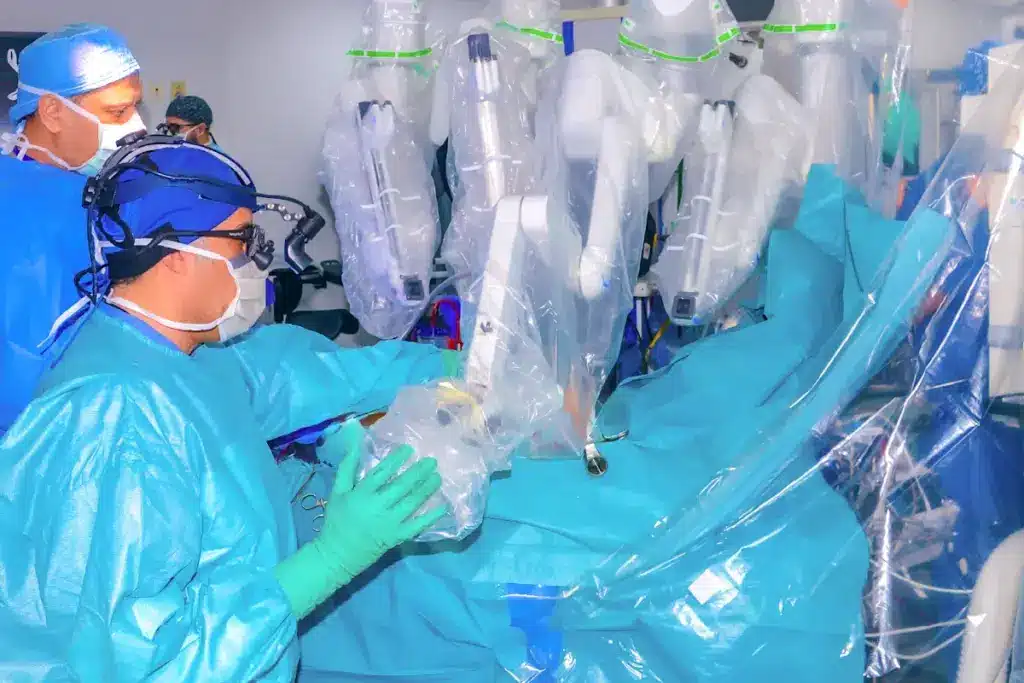
The world of robotics is changing fast. Over 100,000 industrial robots are expected to be installed worldwide by 2025. This change is making big waves in industries and how we work and live.
We’re seeing a big step forward in robotics. Human robots are being made to do complex tasks. They’re designed to move and act like humans, opening up new uses in many areas.
Key Takeaways
- Advanced robots are being developed for various industries and applications.
- Humanoid robots are being designed to mimic human-like movements and interactions.
- The installation of industrial robots is expected to surge in the coming years.
- Robots are transforming the way we live and work.
- The development of robots is revolutionizing industries.
The Current State of Advanced Robotics

Robotics has entered a new era. This is thanks to AI, computer vision, and sensor technologies. We see big steps forward, thanks to machine learning, better sensors, and smarter AI.
Defining “Advanced” in Robotics
“Advanced” in robotics means robots with smart AI, agility, and complex task skills. They can learn, adapt, and interact with humans naturally. Advanced robotics combines technologies for robots that can do many tasks, simple or complex.
The Google Cloud Rust SDK shows how tech is getting better for faster, safer development. AI and robotics are making real robots smarter and more independent.
Key Technological Breakthroughs of the 2020s
The 2020s have brought big tech wins to robotics. Some key ones are:
- Machine Learning: Robots get better over time by learning from data.
- Computer Vision: Robots can now understand what they see.
- Sensor Technologies: Robots can better sense and interact with their world.
These advances have led to more advanced artificial intelligence robots. They can do many tasks, from work to helping people.
Boston Dynamics’ Atlas: The Acrobatic Humanoid
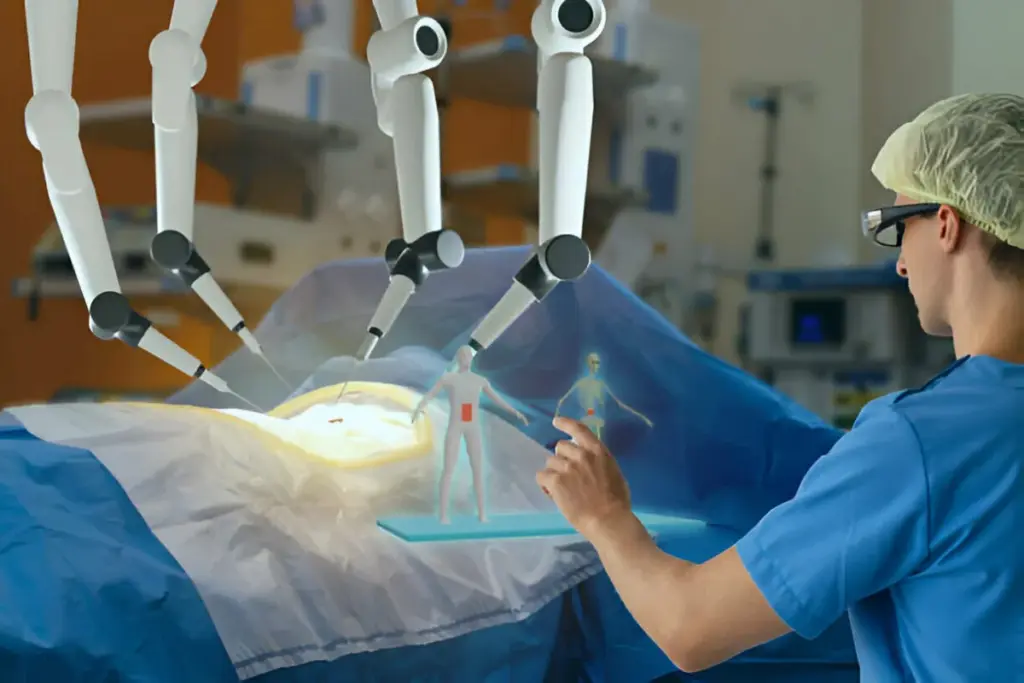
The world of robotics has seen a big leap with Boston Dynamics’ Atlas. This humanoid robot can do amazing acrobatic moves. It’s made to handle tasks that need balance, coordination, and agility.
Technical Specifications and Capabilities
Boston Dynamics’ Atlas uses the latest tech to move through tough terrain and do complex moves. Its human-like actions come from smart algorithms and top-notch hardware. This lets it stay balanced and stable in many places.
The robot’s technical specifications include a strong design for acrobatic feats. Its advanced hydraulic system lets it do everything from simple walks to complex parkour moves.
Recent Upgrades and Demonstrations
Recently, Boston Dynamics showed Atlas doing various tasks that show its skills. It did parkour routines that showed its agility and precision. Atlas’s ability to adapt and do complex tasks shows big steps forward in humanoid robotics.
As we see Atlas and other robots evolve, it’s clear the future of robotics is exciting. It promises to make machines that can help and interact with humans in smarter ways.
Engineered Arts’ Ameca: The Most Expressive Humanoid Robot
Engineered Arts’ Ameca is a top-notch humanoid robot. It has advanced facial expression technology. This makes it perfect for entertainment and research.
Facial Expression Technology
Ameca’s facial tech is amazing. It can show a wide range of emotions. This includes subtle smiles and complex looks.
Its facial animation system is key. It lets Ameca connect with people in a more natural way.
The tech behind Ameca’s face includes:
- Advanced servo motors for facial movements
- High-resolution displays for detailed looks
- Smart software for realistic expressions
How Much Did Ameca Robot Cost?
Ameca’s price is a big factor for buyers. The cost varies based on the setup and use. Engineered Arts sees Ameca as a high-end robot.
Buying Ameca means investing in its advanced tech and support. For a quote, contact Engineered Arts. They offer custom solutions for various needs.
Tesla’s Optimus: Elon Musk’s Vision for Humanoid Robotics
The Tesla Optimus robot is starting a new chapter in robotics. It could be used in many industries. Elon Musk wants robots to help humans with many tasks.
Technical Overview and Development Timeline
Tesla’s Optimus robot can do many things. It has advanced AI and strong hardware. It works well with other Tesla tech. The team made big progress quickly.
Working on Optimus shows Tesla’s drive for new ideas. They use AI and machine learning well. This makes Optimus very good at different jobs and places.
Potential Applications and Market Impact
Optimus can be used in many ways. It could help in industrial and manufacturing or at home. At work, it could do assembly, check things, and help with moving stuff. At home, it could help with cleaning and other tasks.
Optimus will likely change the robotics market a lot. Elon Musk believes “The future is robotic.” Tesla is leading this change.
“The future is robotic,” – Elon Musk
Optimus is going to change robotics a lot. As it gets better, we’ll see more cool uses for it. It’s a big step forward in robotics.
Hanson Robotics’ Sophia: The Celebrity Robot
Hanson Robotics’ Sophia is a top example of technology. It shows big steps in artificial intelligence and humanoid robotics. Sophia is well-known and represents the latest in robotics.
AI Capabilities and Conversational Skills
Sophia has advanced AI that lets it have deep conversations. Its skills in talking are thanks to smart algorithms. These algorithms help Sophia understand and answer many questions.
The robot can respond like a human, thanks to natural language processing. Sophia can even show emotions with its face. This makes talking to it feel more real and fun.
Cultural Impact and Citizenship Status
Sophia has been all over the news, not just for its tech but also for its cultural effect. It has been in many media spots and even got citizenship in Saudi Arabia. This is a big deal for robots in our world.
- Sophia has been in many global events, showing off its skills and starting talks about robotics’ future.
- Its citizenship has brought up big questions about robots’ legal and social roles.
- Sophia’s fame in pop culture shows how much people are interested in AI and robotics. It shows robots could be a big part of our lives.
As we add robots like Sophia to our lives, we must think about what this means. Sophia’s story is a great example of how humans and robots are changing together.
Honda’s ASIMO: The Pioneer of Humanoid Robot Technology
Honda’s ASIMO is famous for leading in humanoid robotics. It shows off amazing tech skills. ASIMO has helped robots get better over time.
Historical Significance and Evolution
ASIMO has changed a lot over the years. It was first shown in 2000. It was made to help humans with hard or risky tasks.
ASIMO now walks, runs, and does complex tasks. It uses advanced AI and robotics. Honda’s work on ASIMO shows their dedication to robotics.
Key milestones in ASIMO’s evolution include:
- Improved locomotion capabilities, enabling it to run at speeds of up to 4 km/h.
- Enhanced hand functions, allowing for more precise manipulation of objects.
- Advanced AI integration, facilitating more complex task execution.
Legacy and Influence on Modern Robotics
ASIMO has greatly influenced modern robotics. It has inspired many roboticists and engineers. Its tech advancements have helped create more advanced robots.
“The development of ASIMO has been a significant milestone in the history of robotics, showing robots can help humans in many ways.”
Today, ASIMO is a model for humanoid robots. It has influenced many robots that have come after it. Its impact is clear in the advancements in humanoid robotics.
Figure AI’s Figure01: The Newest Contender
Figure AI’s Figure01 is a big step forward in robotics. It shows great promise for changing many industries.
Technical Capabilities and Design Philosophy
Figure01 has amazing skills, like advanced manipulation. Its design focuses on being adaptable and easy to use. This makes it perfect for advanced robotics for home use.
The robot’s AI is top-notch. It can learn and get better at new tasks. This makes it useful in homes and workplaces.
Potential Applications in Industry
Figure01 can be used in many ways. It’s great for tasks that need high dexterity and adaptability. This includes manufacturing and healthcare.
Figure AI is working hard to make Figure01 even better. We’ll see it used in more places, pushing robotics forward.
Agility Robotics’ Digit: Advanced Bipedal Logistics Robot
Digit, made by Agility Robotics, is a big step forward in bipedal robots for logistics. It’s made to work in places that are hard for regular robots.
Mobility and Navigation Capabilities
Digit moves like a human because it has two legs. It can map and adapt to new surroundings thanks to its smart navigation. This makes it great for changing logistics settings.
- Advanced sensor suite for real-time environment mapping
- Ability to navigate through tight spaces and uneven terrain
- Robust balance and stability control systems
Commercial Deployment and Real-World Applications
Agility Robotics is using Digit in many logistics places. It shows how it can revolutionize warehouse operations and supply chain management. Working with humans, it makes things more efficient.
- Integration with existing warehouse management systems
- Capability to perform tasks such as picking and packing
- Scalability to meet the demands of growing logistics operations
As we see more human robots and real robots in different fields, Digit is a leader. It shows how robots can change logistics and more.
Advanced Military Robots: From Boston Dynamics to DARPA
Advanced military robots are changing modern warfare. Boston Dynamics and DARPA are leading this change. These robots are made for combat and scouting missions.
Autonomous Combat and Reconnaissance Systems
Autonomous combat and scouting systems are key in military robotics. Boston Dynamics’ robots, like Atlas and Spot, show off their skills. They can handle many military tasks.
DARPA is also pushing military robotics forward. Their Robotic Autonomy project is a big part of this. It helps create robots that can work alone in tough places. This makes them better for military jobs.
- Autonomous navigation in challenging terrains
- Real-time data collection and analysis
- Enhanced situational awareness for military personnel
Ethical Considerations and International Regulations
Using advanced military robots raises big ethical questions. As these robots get smarter, we wonder how they make decisions, like in battles.
Rules are being made to deal with these issues. We need clear guidelines. This ensures military robots are used right and follow international laws.
“The development of autonomous weapons systems raises complex ethical and legal questions that require careful consideration by governments and international organizations.”
UN Special Rapporteur on the Promotion and Protection of Human Rights
We must weigh the good of advanced military robots against the risks. Their creation and use should follow ethics and laws.
Medical and Surgical Robots: Da Vinci and Beyond
Medical robots like the Da Vinci have changed surgery. Surgeons can now do complex tasks with more accuracy and less harm to patients. This has made healthcare better by allowing for precise and less invasive procedures.
Precision Surgery and Healthcare Applications
The Da Vinci Surgical System is a real robot that has changed surgery. It lets surgeons work with better precision, flexibility, and control. The robotic arms have high-definition cameras and instruments for detailed work, making surgeries through smaller cuts possible.
Medical robotics has many uses in healthcare. It includes surgeries for the urological, gynecological, and cardiothoracic areas. Robots like the Da Vinci reduce risks and help patients heal faster.
Next-Generation Medical Robotics
Medical robotics is getting better, with new systems using advanced AI and machine learning. These next-generation robots will help surgeons with even more complex tasks. This could lead to even better results.
New trends in medical robotics include smaller, more agile robots. They can move through the body more easily. AI also helps by analyzing data and making decisions during surgery, improving the team’s work.
Robotic-assisted surgery is growing, now including orthopedic and neurosurgery. As these technologies improve, we’ll see more uses of medical robots in the future.
Advanced Robotics for Home Use: From Roomba to Personal Assistants
Advanced robotics for home use is changing how we live. Robots like Roomba are leading the way. They’re not just for cleaning; they’re becoming personal assistants for various tasks.
Current Consumer Robotics Landscape
The current market is filled with robots for specific tasks, like vacuuming and mowing lawns. iRobot’s Roomba series has set a high standard for cleaning robots. These robots have advanced navigation and can be controlled via smartphone apps.
Robotic lawn mowers and pool cleaners have also improved a lot. AI and machine learning have made these robots more efficient and adaptable to different settings.
Emerging Home Robotics Technologies
New technologies are making home robots more capable. For example, Ameca, developed by Engineered Arts, has advanced facial expressions. While Ameca is mainly for research, its tech could be used in homes soon.
The cost of such advanced robots varies a lot. The Ameca robot’s cost is not for sale to consumers, as it’s for research. But this shows what advanced robots might cost.
As robotics technology grows, we’ll see more versatile robots in homes. These robots will do tasks and even act as companions. They’ll change how we use technology at home.
AI Integration: What Makes Modern Robots Truly “Smart”
The use of AI in robotics is changing how we work with machines. As AI gets better, robots can do more complex tasks. These tasks were once only for humans.
Machine Learning and Neural Networks in Robotics
Machine learning and neural networks are key in modern robotics. They let robots learn and adapt. For example, a robot can learn to navigate new places by recognizing patterns.
Key Benefits of Machine Learning in Robotics:
- Improved adaptability to new situations
- Enhanced ability to recognize and respond to patterns
- Increased autonomy in decision-making
|
Technology |
Application in Robotics |
Benefit |
|---|---|---|
|
Machine Learning |
Navigation and Control |
Improved adaptability |
|
Neural Networks |
Pattern Recognition |
Enhanced decision-making |
Natural Language Processing and Human-Robot Interaction
Natural Language Processing (NLP) is important for AI in robotics. It lets robots understand and talk to humans. This makes interactions between humans and robots more natural.
As AI gets better, we’ll see more advanced robots. These robots will be able to do complex tasks and interact with us in new ways. The future of robotics is exciting, thanks to AI.
Comparing Human-Like Robots: Who’s Winning the Realism Race?
Humanoid robotics is getting better, and the race to make the most realistic robot is fierce. We’re seeing big steps forward in robots that look and act like humans.
Physical Appearance and Movement
Robots are getting more human-like in looks and actions. Robots like Ameca and Sophia have faces and bodies that look real. They can move and do things that humans do, too.
- Ameca: Engineered Arts’ Ameca can show many emotions with its advanced facial tech.
- Sophia: Hanson Robotics’ Sophia looks and talks like a person, impressing many.
- Atlas: Boston Dynamics’ Atlas is known for its agility and can do complex tasks.
Cognitive and Interactive Capabilities
Robots are getting smarter, too. They can think and talk like humans, thanks to advanced AI and learning tech. This makes them more realistic and useful.
- Advanced AI: Robots like Tesla’s Optimus can learn and adapt, making them smarter.
- Natural Language Processing: Robots like Sophia can understand and talk back to humans, making them more interactive.
- Machine Learning: Figure AI’s Figure01 gets better with time, thanks to machine learning.
Robots are changing how we work and live. They’re moving from factories to homes and public places. The future of humanoid robots looks bright, with more progress expected.
Futuristic Robots in Development: What’s Coming Next?
Robotics is changing fast, with new ideas coming from labs and companies all over. The next robots will be smarter, more part of our lives, and better at hard tasks.
Breakthroughs in Research Labs and Universities
Research places are leading in robotics, making robots do more. Some big steps include:
- Advanced AI that lets robots learn and adapt.
- Better vision for robots to see and understand better.
- New materials and designs for robots to be stronger and more flexible.
At MIT, a robot can learn to navigate complex environments like humans. This is key for robots to help us at home and work.
Corporate Innovations and Stealth Startups
Big companies are also diving into robotics, focusing on advanced robotics for home use. iRobot and Samsung are leading with robots that help with chores and keep us company.
The table below shows some big names in robotics and what they’re working on:
|
Company |
Area of Focus |
Notable Developments |
|---|---|---|
|
iRobot |
Home Cleaning Robots |
Roomba series |
|
Samsung |
Home Assistant Robots |
Robot companions for elderly care |
|
Boston Dynamics |
Advanced Humanoid Robots |
Atlas robot |
As these technologies grow, we’ll see more human robots in our lives. They’ll do everything from simple tasks to complex jobs. Their uses will be wide, from healthcare and education to making things and serving people.
Ethical and Societal Implications of Advanced Humanoid Robotics
Advanced humanoid robots are becoming more common in our lives. This raises big questions about ethics and society. We need to think about how these robots will affect us.
Employment and Economic Considerations
Artificial intelligence robots have sparked debates on jobs. They might replace some jobs but could also create new ones. This could make work more efficient.
Let’s look at the economic side:
|
Industry |
Potential Job Displacement |
New Job Creation |
|---|---|---|
|
Manufacturing |
Assembly line workers |
Robot maintenance technicians |
|
Healthcare |
Some administrative tasks |
Caregiver assistants |
|
Service Industry |
Certain customer service roles |
Robot trainers and operators |
Privacy, Security, and Autonomy Concerns
Real robots in our lives bring up privacy, security, and freedom issues. They handle personal data, which must be kept safe. This is to avoid any data breaches.
Also, as these robots get smarter, we must think about their freedom. We need to make sure they make choices that match human values. This means their decisions should be clear and fair.
Conclusion: The Future of Human and Robot Coexistence
We are on the edge of a new era in robotics. Human like robots are changing many areas of life. This includes healthcare, logistics, and consumer services.
Robots like Boston Dynamics’ Atlas, Engineered Arts’ Ameca, and Tesla’s Optimus are leading the way. They are not just moving like humans. They also have advanced AI, making them more independent and able to interact.
The future looks promising as advancements in robotics create opportunities for seamless coexistence between humans and robots. As these technologies get better, we’ll see more robots in our daily lives. They will help us work better and live better. The possibilities are endless, and it’s thrilling to think about what’s to come.
FAQ
What is considered an “advanced” robot in the field of robotics?
An “advanced” robot has smart AI, moves well, and can do complex tasks. It uses new tech in learning, seeing, and sensing.
How much did the Ameca robot cost?
The Ameca robot’s price isn’t shared. But, its advanced face tech and human shape make it a big investment.
What are the possible uses of humanoid robots like Boston Dynamics’ Atlas?
Robots like Atlas can help in many fields. They can move through tough places and do hard tasks, like in logistics, healthcare, and rescue.
What is the significance of Tesla’s Optimus in the field of humanoid robotics?
Tesla’s Optimus is a big step in humanoid robots. Elon Musk wants robots to help humans in many ways, changing how we work and live.
What are the ethical concerns with advanced military robots?
Advanced military robots bring up big ethical questions. There’s worry about their control, who’s to blame, and misuse. We need rules and think deeply about these issues.
How are AI and machine learning making robots smarter?
AI and machine learning help robots get smarter. They learn from doing things, adapt, and talk to humans better. This uses new tech like neural networks and natural language.
What’s happening with advanced robotics for home use?
Home robotics is getting better, with robots like Roomba leading. New tech will make robots even more useful and easy to use for us.
What could advanced humanoid robots mean for jobs and the economy?
Robots like these might change jobs and the economy. They could do tasks humans do now. We need to think about this and plan carefully.
What is the significance of Hanson Robotics’ Sophia in the field of humanoid robotics?
Sophia is a famous robot with advanced AI and can talk well. It shows how robots can interact with us naturally. This raises big questions about culture and society.
What are the key technological breakthroughs that have enabled the development of advanced robots?
New tech in learning, seeing, and sensing has helped robots get better. They can now understand, learn, and interact with their world in smarter ways.
Reference
National Center for Biotechnology Information. Evidence-Based Medical Insight. Retrieved from https://pmc.ncbi.nlm.nih.gov/articles/PMC12650323