A torn rotator cuff can cause severe problems if not treated. This includes chronic pain and limited movement. A torn rotator cuff is a serious injury that can greatly affect your life.
If you have torn rotator cuff pain, you need to see a doctor. Not treating it can make everyday tasks hard.
We will look at what happens if you don’t treat a torn rotator cuff. We’ll also talk about why getting the right diagnosis and hurt rotator cuff treatment is so important.
Key Takeaways
- Chronic pain and limited mobility can result from an untreated torn rotator cuff.
- Seeking medical attention is key to avoid more problems.
- Getting the right diagnosis is vital for managing shoulder pain rotator cuff.
- An untreated torn rotator cuff can cause long-term disability.
- Getting treatment on time can greatly improve your life.
Understanding Rotator Cuff Injuries

It’s important to know about rotator cuff injuries to understand their effects. The rotator cuff is a complex group of muscles and tendons. It helps with shoulder movement and keeps it stable.
Anatomy of the Rotator Cuff
The rotator cuff surrounds the shoulder joint. It keeps the upper arm bone in place. This structure is key for many movements and keeping the shoulder stable.
The rotator cuff has four muscles and their tendons: supraspinatus, infraspinatus, teres minor, and subscapularis. They work together to allow for arm movement and keep the shoulder stable.
Common Causes of Rotator Cuff Tears
Rotator cuff tears can happen for many reasons, like trauma, overuse, and degeneration. Falls or direct hits to the shoulder can cause tears. People who do a lot of overhead work, like athletes or construction workers, are also at risk.
As we get older, our rotator cuff tendons can weaken. This makes them more likely to tear.
|
Cause |
Description |
Commonly Affected Groups |
|---|---|---|
|
Trauma |
Direct injury to the shoulder |
Athletes, individuals involved in accidents |
|
Overuse |
Repetitive strain on the rotator cuff |
Athletes, manual laborers |
|
Degeneration |
Wear and tear over time |
Older adults |
Knowing the causes helps in preventing and treating rotator cuff injuries. By understanding the risks, we can take steps to avoid these injuries.
Types and Severity of Rotator Cuff Tears
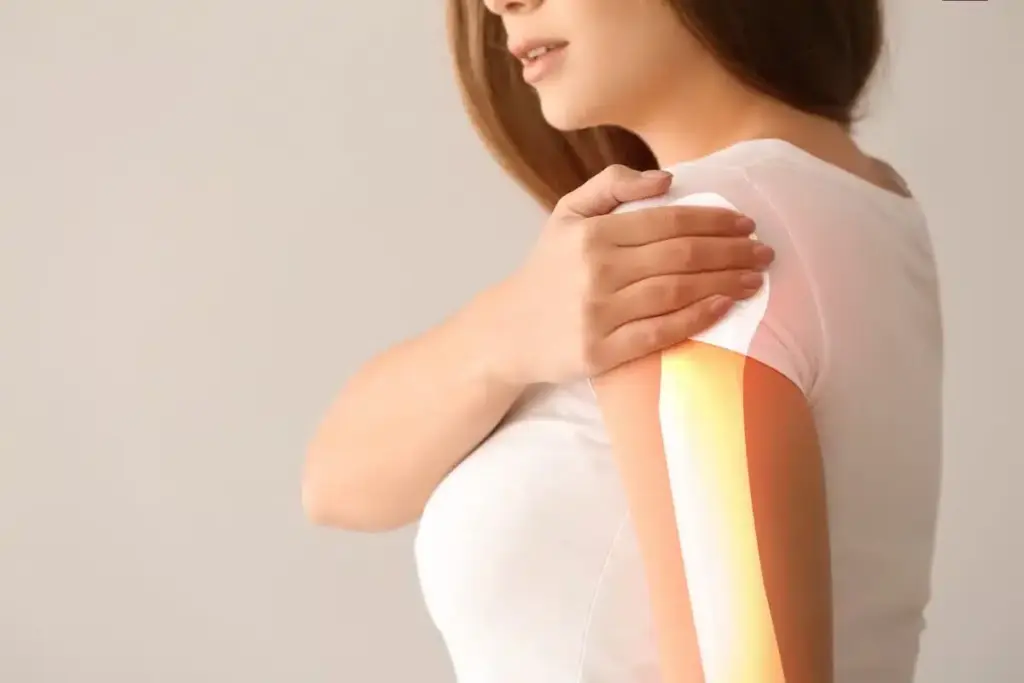
It’s important to know the types and severity of rotator cuff tears to choose the right treatment. These tears can vary in severity and how they happen.
Partial vs. Complete Tears
There are two main types of rotator cuff tears: partial and complete. Partial tears only affect part of the tendon. Complete tears damage the whole tendon. Complete tears can make it hard to move your shoulder and often need more treatment.
Acute vs. Degenerative Tears
Tears can also be acute or degenerative. Acute tears happen suddenly, like from a fall. Degenerative tears develop over time due to tendon wear.
Differentiating Between Tears and Sprains
It’s key to tell the difference between rotator cuff tears and sprains. A rotator cuff sprain is when the ligaments stretch or tear. A tear is when the tendons are damaged. Getting a correct diagnosis is vital.
|
Type of Tear |
Description |
Common Causes |
|---|---|---|
|
Partial Tear |
Involves part of the tendon thickness |
Overuse, minor injuries |
|
Complete Tear |
Involves the full thickness of the tendon |
Severe injuries, significant wear and tear |
|
Acute Tear |
Results from sudden injury |
Falls, direct blows |
|
Degenerative Tear |
Occurs over time due to wear and tear |
Aging, repetitive strain |
Recognizing the Signs of a Torn Rotator Cuff
Knowing the signs of a torn rotator cuff is key for quick treatment. A torn rotator cuff can show through different symptoms that affect the shoulder’s use.
Common Symptoms and Warning Signs
The signs of a torn rotator cuff vary, but common ones include pain, weakness, and limited mobility in the shoulder. These symptoms can really affect daily life, as medical sources say.
“Pain is often felt when lifting the arm or during certain movements. It can be sharp or a dull ache,” doctors explain.
How to Know if Your Rotator Cuff is Torn
To figure out if your rotator cuff is torn, watch for pain that doesn’t get better with rest. Also, look for weakness when rotating or lifting your arm, and a smaller range of motion. If you notice these, seeing a healthcare professional for a diagnosis is a must.
- Pain that gets worse at night or with specific movements
- Weakness in the shoulder or arm
- Limited mobility or stiffness
Spotting these signs early can help in getting better treatment and results.
Does a Torn Rotator Cuff Hurt All the Time?
Understanding the pain from a torn rotator cuff is key to managing it well. This condition can really affect your life, and pain patterns vary a lot.
Pain Patterns and Variations
Pain from a torn rotator cuff can be different for everyone. Some people feel pain all the time, while others only feel it when they do certain things. Doctors say, “Pain patterns can vary, with some experiencing constant pain and others experiencing pain only during specific activities.”
The pain can feel like a dull ache or sharp stabbing. It often gets worse at night or when you lie on the hurt side. Even small tears can cause a lot of pain.
Activities That Aggravate Torn Rotator Cuff Pain
Some activities can make the pain from a torn rotator cuff worse. These include:
- Lifting objects, like overhead
- Reaching behind your back
- Doing repetitive arm movements
- Lying on the affected shoulder
It’s important to know what makes the pain worse. By changing these activities, you can lessen your pain and live better.
“Modifying daily activities and incorporating appropriate exercises can significantly reduce the pain associated with a torn rotator cuff.” Working with a doctor and making these changes can help manage your condition better.
Diagnosing a Rotator Cuff Injury
To diagnose a rotator cuff injury, we use a mix of physical checks and imaging tests. Finding the right diagnosis is key to choosing the best treatment.
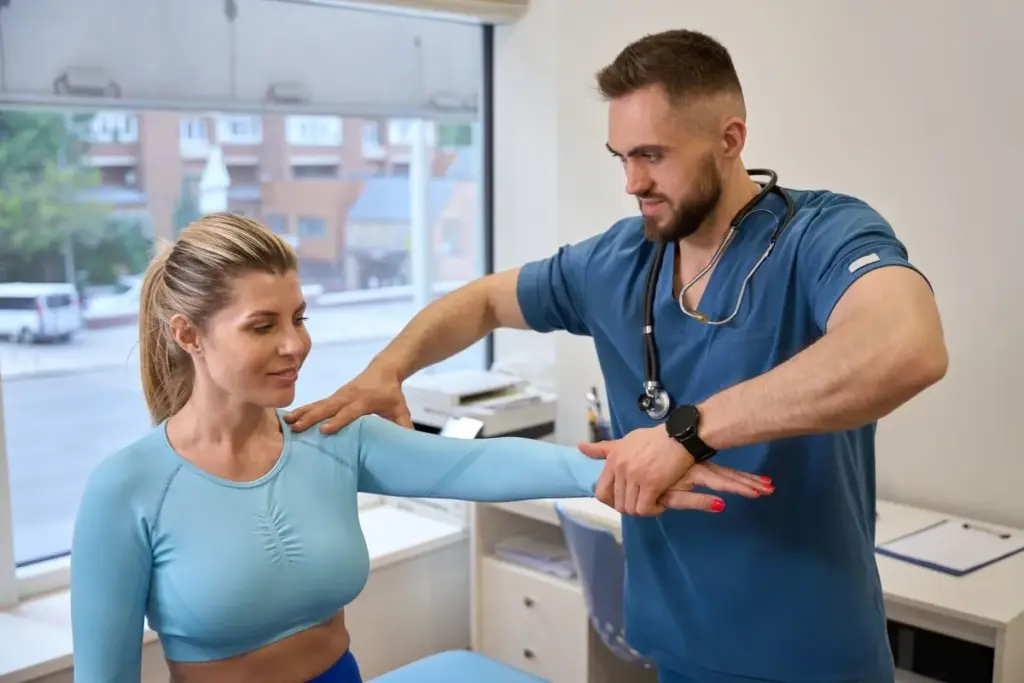
Physical Examination Techniques
First, we do a detailed physical check. This includes looking at how well the shoulder moves, its strength, and where it hurts. We might do:
- Range of motion tests to see how flexible and mobile the shoulder is
- Strength tests to find out if the shoulder muscles are weak
- Special tests like the Neer test or Hawkins-Kennedy test to spot issues
These steps help us figure out if there’s a rotator cuff injury and how bad it is.
Imaging Tests (MRI, Ultrasound, X-rays)
Imaging tests are also needed to confirm the diagnosis and see how bad the injury is. We often use:
- MRI (Magnetic Resonance Imaging): It shows soft tissues like tendons and muscles clearly, great for spotting tears.
- Ultrasound: It lets us see how the rotator cuff moves in real-time.
- X-rays: They help rule out other problems like fractures or arthritis, but might not show rotator cuff injuries.
When to Seek Medical Attention
If you think you might have a rotator cuff injury, it’s important to see a doctor. Look for:
- Shoulder pain that lasts and makes daily tasks hard
- Weakness in the shoulder or arm
- Less movement or stiffness in the shoulder
- Pain that gets worse at night or with certain movements
Getting a diagnosis and treatment early can help a lot. It can stop the injury from getting worse and help you get back to normal faster.
Immediate Effects of an Untreated Torn Rotator Cuff
Not treating a torn rotator cuff can cause big problems right away. It makes it hard to do simple things every day.
Functional Limitations
A torn rotator cuff can really limit what you can do. It’s key for moving your shoulder and keeping it stable. Damage to it makes lifting, rotating, or stabilizing the shoulder tough.
Doing things like reaching up high or playing sports can be hard. Even simple tasks like combing your hair or getting dressed can hurt because of the pain and weakness.
Impact on Daily Activities and Quality of Life
Not fixing a torn rotator cuff affects more than just what you can do. It changes your daily life and how happy you are. Simple tasks become challenging, and fun activities are harder to enjoy.
For example, sleeping can be hard because of torn rotator cuff pain, when you lie on the hurt side. This can make you tired and grumpy, making life less enjoyable.
In short, not treating a torn rotator cuff has big effects. It limits what you can do and hurts your daily life and happiness. It’s important to get it treated quickly to avoid these problems.
Short-Term Consequences (2-6 months)
Not treating a torn rotator cuff can make life hard. The first few months can really affect how well you can move and feel. It can change your life a lot.
Progressive Weakness and Muscle Imbalances
One big worry is getting weaker in the shoulder. If you don’t fix the tear, other muscles might get out of balance. This makes it hard to move right and can hurt your shoulder.
When some muscles work too much and others too little, it’s called a muscle imbalance. This can cause bad posture, less movement, and more pain. For example, the deltoid might try to do too much, while the scapular stabilizers get weaker.
|
Muscle Group |
Effect of Torn Rotator Cuff |
Potential Consequence |
|---|---|---|
|
Deltoid |
Overactive |
Increased risk of muscle strain |
|
Scapular Stabilizers |
Underactive |
Poor scapular rotation and positioning |
|
Rotator Cuff |
Weakened |
Increased instability of the shoulder joint |
Compensatory Movement Patterns
People might start moving differently to avoid pain. These new ways of moving can help a bit but can also cause more problems. It can hurt other muscles and joints, leading to more pain and injury.
For instance, someone with a torn rotator cuff might lift differently to avoid using the hurt arm. This can put more stress on the back or other parts of the shoulder. Over time, these new ways of moving can be hard to change, even after treatment.
It’s important for both patients and doctors to know about these short-term effects. Treating it early can help a lot. It can make things better and lower the chance of lasting damage.
Long-Term Consequences of Untreated Tears
Ignoring a torn rotator cuff can lead to serious and lasting shoulder health problems. If not treated, the condition can worsen, causing severe and possibly permanent damage. We will look at the long-term effects, including muscle damage, loss of function, and mental health impacts.
Muscle Atrophy and Fatty Infiltration
One major issue with untreated torn rotator cuffs is muscle atrophy. This is when muscles shrink because they’re not used. It often happens with fatty infiltration, where fat replaces muscle, making the shoulder weaker. Research shows that the longer a tear is untreated, the worse these changes get, making future treatments harder.
Permanent Loss of Function
Untreated rotator cuff tears can cause a permanent loss of shoulder function. As the tear gets worse, doing everyday tasks becomes harder. Simple actions like lifting or dressing can be tough. In severe cases, this loss of function can greatly reduce a person’s quality of life, limiting their independence and activities.
Psychological Impact of Chronic Shoulder Problems
The mental effects of chronic shoulder pain and dysfunction are significant. Living with such pain can lead to depression and anxiety. People struggle to deal with the constant pain and limitations in their daily lives. The emotional impact can be as big as the physical, affecting overall well-being and possibly lowering mental health.
We understand that treating rotator cuff tears quickly is key. It’s not just for physical recovery but also for mental health. Early treatment can prevent long-term problems that greatly affect a person’s life quality.
Rotator Cuff Arthropathy: A Serious Complication
Ignoring rotator cuff tears can lead to rotator cuff arthropathy. This condition can severely damage the shoulder joint. It causes arthritis and makes it hard to move the arm.
Development of Shoulder Arthritis
Shoulder arthritis from rotator cuff arthropathy comes from several factors. Chronic inflammation and joint instability wear down the cartilage. This leads to arthritis. The rotator cuff’s breakdown can also move the humeral head, causing more damage.
Irreversible Joint Damage and Its Implications
Irreversible joint damage from rotator cuff arthropathy has big implications. Patients may face chronic pain, limited mobility, and a lower quality of life. In severe cases, surgery like reverse shoulder arthroplasty might be needed to help.
Experts say, “Rotator cuff arthropathy is tough to manage because of the pain and disability it causes.”
This condition shows why treating rotator cuff tears early is so important.
In summary, rotator cuff arthropathy is a serious issue from untreated tears. It leads to arthritis and permanent damage. Knowing the risks and seeking medical help for rotator cuff injuries is key.
Will a Torn Rotator Cuff Heal Without Treatment?
Torn rotator cuffs are tough to heal naturally. The rotator cuff is made of tendons and muscles around the shoulder. It helps keep the shoulder stable and moves it smoothly. When it tears, the body finds it hard to fix it.
Natural Healing Capacity of Tendons
Tendons don’t get much blood, which makes them hard to heal. The rotator cuff tendons face the same problem. Age, tear size, and other health issues can make healing harder.
Studies say small tears might heal better than big ones. But, the tendons’ poor blood supply and the shoulder’s stress make healing tough.
Factors Affecting Natural Recovery
Many things can affect if a torn rotator cuff heals on its own. These include:
- Size and location of the tear: Bigger tears and those in the tendon are harder to heal.
- Age of the patient: Older people’s tendons heal worse.
- Presence of other shoulder conditions: Conditions like osteoarthritis or chronic tendinitis can make healing harder.
- Activity level: Doing a lot of activities can stress the tendon more, making the tear worse.
Realistic Expectations for Different Types of Tears
Healing chances vary with the tear type. Getting a detailed check from a doctor is key to decide the best treatment.
|
Type of Tear |
Healing Potencial |
Typical Treatment Approach |
|---|---|---|
|
Partial-thickness tear |
Moderate |
Conservative management, possibly including physical therapy |
|
Full-thickness tear |
Low |
Surgical repair often recommended, for bigger tears |
|
Acute tear |
Varies |
May start with conservative treatment, then surgery if needed |
Knowing your condition well helps in choosing the right treatment. Even if some tears don’t heal fully, there are ways to ease symptoms and improve function.
Conservative Hurt Rotator Cuff Treatment Options
Managing rotator cuff injuries needs a careful plan. This includes rest, therapy, and managing pain. The goal is to ease pain, improve function, and enhance life quality without surgery.
Rest and Activity Modification
The first step is to rest the affected shoulder. Avoid heavy lifting and overhead activities to prevent injury worsening. This rest helps the tendons heal.
Changing how we do daily tasks is also key. It reduces stress on the rotator cuff. This helps avoid further injury.
Physical Therapy Approaches and Exercises
Physical therapy is essential for rotator cuff injuries. A therapist creates a plan to strengthen muscles, improve flexibility, and enhance shoulder function.
Some exercises include:
- Shoulder blade squeezes
- Arm raises
- Pendulum exercises
- Resistance band exercises
Pain Management Strategies
Managing pain is key in treating a torn rotator cuff. This can involve medication and non-medication methods.
Common strategies include:
- Over-the-counter pain relievers
- Corticosteroid injections
- Physical modalities like ultrasound or electrical stimulation
Effective pain management lets people fully participate in therapy and rehabilitation.
Conservative treatments for a torn rotator cuff are a good first step. They include rest, physical therapy, and pain management. These strategies can lead to significant improvements.
Will a Torn Rotator Cuff Heal Without Surgery?
Many people wonder if a torn rotator cuff can heal without surgery. The answer depends on several things. These include the tear’s size, the patient’s health, and how well they follow treatment.
When Non-Surgical Treatment May Be Effective
Some patients might not need surgery, like those with small tears. Conservative management is often used. It includes rest, physical therapy, and managing pain.
We suggest trying non-surgical methods for 3-6 months first. This lets you see if they work before considering surgery.
Success Rates of Conservative Management
Success rates for non-surgical treatment vary. The tear’s size and location play a big role.
|
Tear Size |
Success Rate of Conservative Management |
|---|---|
|
Small Tears |
60-80% |
|
Medium Tears |
40-60% |
|
Large Tears |
20-40% |
Timeline for Non-Surgical Recovery
Recovery times for non-surgical treatment vary. Here’s what you might expect:
- Initial Phase (0-6 weeks): Focus on pain reduction and inflammation control.
- Rehabilitation Phase (6-12 weeks): Gradual strengthening and improvement of range of motion.
- Advanced Strengthening Phase (3-6 months): Progressive strengthening and functional activities.
It’s important to stick to your treatment plan and work with your healthcare provider. Non-surgical treatment works for some, but not all, like those with large or chronic tears.
When Surgery Becomes Necessary
If a torn rotator cuff doesn’t get better with non-surgical treatments, surgery might be needed. This can seem scary, but it’s a common solution for many. It’s important to know how surgery helps fix rotator cuff injuries.
Indications for Surgical Intervention
Surgery is often needed for big or complex tears. Signs that surgery might be needed include big tears, pain, or trouble moving the shoulder. Your health and how active you are also play a part.
- Significant pain that interferes with daily activities
- Weakness or loss of function in the shoulder
- Failure of conservative management to improve symptoms
- Large or full-thickness tears
Types of Rotator Cuff Repair Procedures
There are many ways to fix a torn rotator cuff surgically. The right method depends on the injury and the patient’s needs. Some common methods are arthroscopic, open, and mini-open repair.
Arthroscopic repair uses small tools and a camera through a small cut. Open repair needs a bigger cut to see the tendon directly. Mini-open repair is a mix of both.
Preparing for Rotator Cuff Surgery
Getting ready for surgery is key for a good outcome. We suggest a thorough check-up before surgery to make sure you’re healthy enough.
Also, learning about what to do after surgery is important. This includes physical therapy, managing pain, and changing your lifestyle.
Knowing when surgery is needed, the different repair methods, and how to get ready can help you make the right choice. It’s the first step towards feeling better.
Long-Term Problems After Rotator Cuff Surgery
Recovery after rotator cuff surgery is not just about the surgery itself. It’s also about understanding the long-term issues that might arise. Surgery can greatly improve your shoulder’s function and lessen pain. Yet, there are possible long-term problems to watch out for.
Potential Complications and Failure Rates
Like any surgery, rotator cuff repair has its own set of complications. These can include:
- Infection
- Nerve damage
- Re-tear of the rotator cuff
- Stiffness or limited range of motion
- Adhesive capsulitis (frozen shoulder)
Studies show that re-tear rates after surgery can vary a lot. They can range from 20% to 90%. This depends on things like tear size, patient age, and the surgery method (Source: Third source). Knowing these risks helps manage what to expect.
|
Complication |
Description |
Typical Management |
|---|---|---|
|
Infection |
Bacterial infection at the surgical site |
Antibiotics, possible surgical drainage |
|
Nerve Damage |
Injury to nerves around the shoulder |
Observation, physical therapy, or further surgery |
|
Re-tear |
Tear in the rotator cuff tendon after repair |
Conservative management or revision surgery |
Managing Post-Surgical Expectations
It’s key to manage what you expect after rotator cuff surgery. Recovery is a slow process that can take months to a year or more. Following a structured rehab program is vital for the best results.
“A well-structured rehabilitation program is key to achieving optimal outcomes after rotator cuff surgery.” –
Orthopedic Surgeon
It’s important to stick to post-op instructions and keep up with follow-up appointments. This helps monitor healing and quickly address any issues.
Rehabilitation Timeline After Surgery
The rehab timeline after rotator cuff surgery varies based on the repair’s complexity and the patient’s factors. The process can be divided into several phases:
- Immediate Post-Surgery (0-6 weeks): Focus on pain management and initial healing.
- Early Rehabilitation (6-12 weeks): Gradually introduce range of motion exercises and strengthening.
- Advanced Strengthening (3-6 months): Progress to more intense strengthening and functional activities.
- Return to Full Activity (6-12 months): Gradually return to full activities, including sports or heavy lifting.
Knowing about long-term issues after rotator cuff surgery helps prepare for the recovery journey. By understanding the risks and following a structured rehab program, patients can improve their outcomes and get back to their normal activities.
Preventing Rotator Cuff Injuries and Re-tears
To prevent rotator cuff injuries, we need to strengthen, use proper techniques, and make lifestyle changes. These steps can greatly lower the chance of a torn rotator cuff. This reduces pain and keeps you moving well.
Strengthening Exercises for Shoulder Health
Strengthening the shoulder muscles is key to avoiding injuries. Targeted exercises make the shoulder more stable and less likely to get hurt. Good exercises include:
- External rotations with a resistance band
- Scapular squeezes
- Arm raises in different planes
It’s important to do these exercises right and often to get the best results.
Proper Technique for Overhead Activities
Using the right technique for overhead tasks is critical. This means:
- Keeping good posture
- Avoiding heavy lifting or repetitive motions
- Using proper lifting techniques
By following these tips, you can lower your risk of rotator cuff injury.
Lifestyle Modifications for Long-Term Shoulder Health
Along with exercises and proper technique, making lifestyle changes helps too. These include:
|
Lifestyle Change |
Benefit |
|---|---|
|
Maintaining a healthy weight |
Reduces overall stress on the shoulder joint |
|
Avoiding smoking |
Improves blood flow and tendon health |
|
Engaging in regular exercise |
Enhances overall muscle strength and flexibility |
By making these lifestyle changes, you can keep your shoulders healthy for a long time. This reduces the risk of rotator cuff injuries, including torn rotator cuff pain and shoulder pain rotator cuff. It also lowers the chance of rotator cuff arthropathy, a serious condition that can cause a lot of damage and disability.
Conclusion
Getting medical help quickly is key when dealing with rotator cuff injuries. If not treated, a torn rotator cuff can cause long-lasting shoulder pain rotator cuff. This can really affect your daily life. Knowing how serious the injury is and choosing the right hurt rotator cuff treatment can stop serious problems.
Getting the right diagnosis and treatment is vital for a good recovery. It helps avoid issues like rotator cuff arthropathy. Early treatment of torn rotator cuff pain helps you get back to normal and lowers the chance of more injuries.
We stress the need to see a doctor for a proper diagnosis and treatment plan. The right care can help you beat rotator cuff injuries and keep your shoulder healthy for a long time.
FAQ
What is a torn rotator cuff, and how does it happen?
A torn rotator cuff is when one or more tendons in the shoulder are damaged. This can happen from injury, overuse, or wear and tear.
Does a torn rotator cuff hurt all the time?
The pain from a torn rotator cuff varies. Some people feel pain all the time. Others only feel it when they move their shoulder in certain ways.
How do I know if my rotator cuff is torn?
Signs of a torn rotator cuff include pain, weakness, and trouble moving your shoulder. If you notice these, see a doctor for a check-up.
Can a torn rotator cuff heal without surgery?
Sometimes, a torn rotator cuff can heal with rest, physical therapy, and pain relief. But it depends on the tear’s size and severity.
What are the long-term consequences of an untreated torn rotator cuff?
Untreated, a torn rotator cuff can cause muscle loss, fatty tissue, and permanent damage. It can also lead to chronic pain, limited movement, and a lower quality of life.
What is rotator cuff arthropathy, and how is it related to a torn rotator cuff?
Rotator cuff arthropathy is a serious issue that can happen if a torn rotator cuff is not treated. It causes arthritis in the shoulder and can damage the joint irreversibly.
Will a torn rotator cuff heal without treatment?
Some torn rotator cuffs might heal on their own. But it really depends on the tear’s size and severity. Always talk to a doctor to find the best treatment.
What are the treatment options for a torn rotator cuff?
Treatments for a torn rotator cuff include rest, physical therapy, and pain management. In severe cases, surgery might be needed.
How can I prevent rotator cuff injuries and re-tears?
To avoid rotator cuff injuries and re-tears, keep your shoulder strong with exercises. Use proper techniques for overhead activities and make lifestyle changes.
What are the possible long-term problems after rotator cuff surgery?
After rotator cuff surgery, you might face complications or the surgery might not work. Follow your rehab plan and manage your expectations to reduce these risks.
Can a torn ligament in the shoulder be related to a torn rotator cuff?
A torn ligament and a torn rotator cuff are different injuries. A torn rotator cuff affects the tendons, while a torn ligament affects the bones’ connections.
How long does it take to recover from a torn rotator cuff without surgery?
Recovery time for a torn rotator cuff without surgery varies. It depends on the tear’s size, severity, and how well conservative treatments work.
What are the indications for surgical intervention for a torn rotator cuff?
Surgery is usually needed for large or severe tears. It’s also considered if other treatments don’t help with symptoms.
National Center for Biotechnology Information. Evidence-Based Medical Insight. Retrieved from https://pubmed.ncbi.nlm.nih.gov/14975607/



 Departments
 Related Videos
 Our Doctors
 News
News