

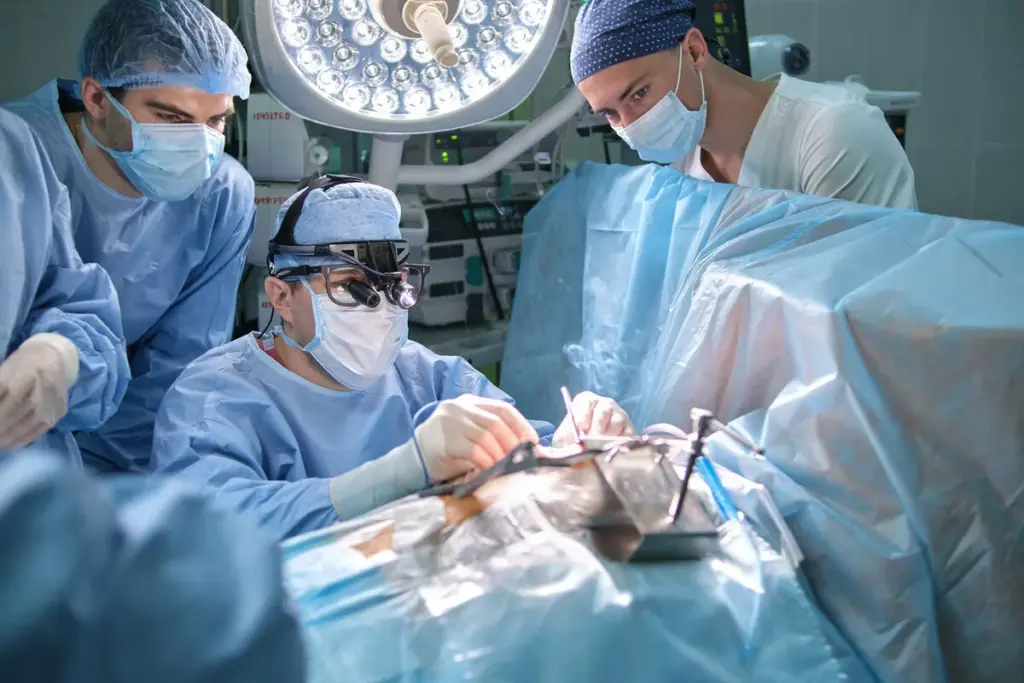
Recent studies show that many patients go through personality changes and mood swings after heart surgery.
Open-heart surgery can save lives but also has risks. It can deeply affect a person’s life, both physically and mentally.
It’s important to know about surgery personality changes, why they happen, and how to deal with them. This knowledge helps patients and their families.
Key Takeaways
- Personality changes can occur after cardiac surgery.
- Mood swings are common among patients post-surgery.
- Understanding the causes can help in managing the changes.
- Support from family is key for recovery.
- Patients should be aware of the possible risks and complications.
The Reality of Post-Cardiac Surgery Personality Changes
Cardiac surgery saves lives but can deeply affect a person’s emotions and mind. Changes in personality after heart surgery are a big topic in medical studies. It’s key for patients and their families to understand these changes during recovery.
The Australian Centre for Heart Health found that up to 70% of patients face emotional issues after surgery. This shows how common emotional and psychological changes are after heart surgery.
Statistical Overview of Emotional Changes
Many studies show that a big number of patients feel emotional changes after heart surgery. These feelings can be mild, like anxiety and sadness, or more serious. This shows why patients need strong support during and after surgery.
These emotional changes don’t just happen right after surgery. They can last a long time. This means patients need ongoing help to deal with these feelings.
The “Cardiac Blues” Phenomenon
The “cardiac blues” is a common issue for patients after open-heart surgery. It includes feelings of anxiety, anger, sadness, and nightmares. Knowing about the “cardiac blues” helps patients and their families get ready for emotional challenges during recovery.
Spotting the signs of “cardiac blues” early helps get the right support quickly. Even though it’s tough, with the right care, patients can get through this hard time.
Understanding the Physiological Basis for Personality Changes
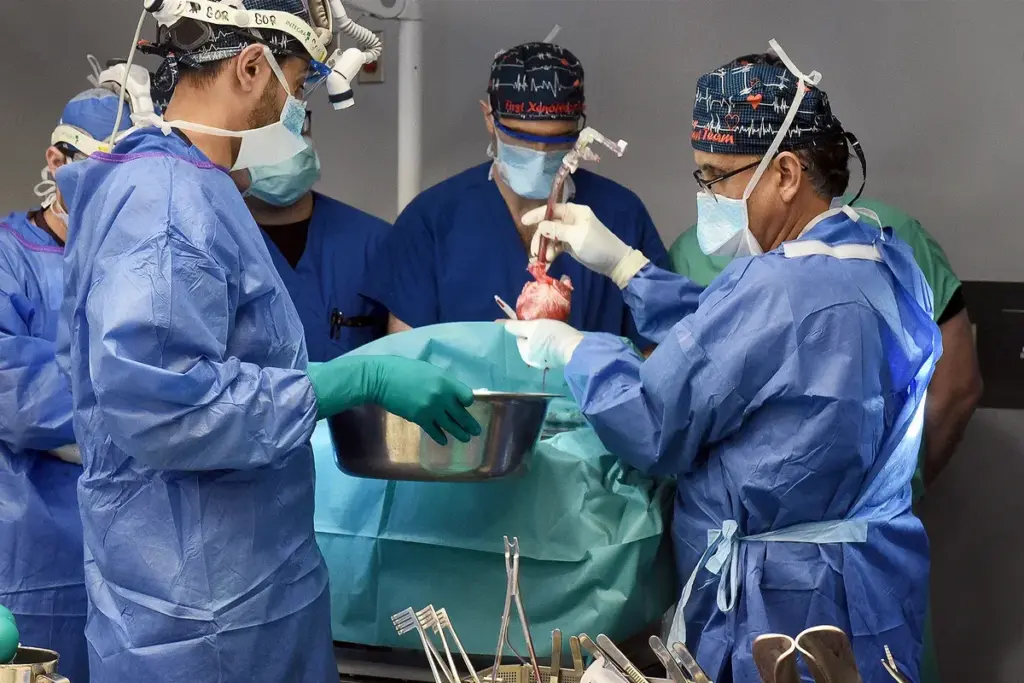
Cardiac surgery and personality changes are closely linked. Open-heart surgery puts a lot of stress on the body. This stress can change how the brain works and affect personality.
Impact of Cardiopulmonary Bypass on Brain Function
Cardiopulmonary bypass (CPB) is key in many heart surgeries. It lets surgeons work on a heart that’s not beating. But, CPB can cause inflammation and microemboli that might harm the brain. Studies show it can change how we think and feel.
Using CPB can lead to postoperative cognitive dysfunction (POCD). POCD makes it hard to focus, remember things, and process information. This can change a person’s mood and personality.
Medication Effects on Mood and Behavior
Medicines are vital for patients having heart surgery. They help with pain, prevent problems, and aid in recovery. But, they can also change how we feel and act. Some medicines can make people confused, upset, or sad.
About 20% of patients get clinically significant depression after heart surgery. This is much higher than in the general public. It shows how important it is to watch how medicines affect patients and look for signs of depression or mood changes.
For more on emotional and behavioral changes after heart surgery, check out. It offers insights into what patients and their families go through.
Physical Recovery’s Influence on Mental State
Recovering from heart surgery affects the mind as much as the body. Right after surgery, patients often feel pain, tiredness, and can’t move much. This can make them feel frustrated, anxious, or depressed.
As patients get better physically, they might feel better mentally too. But, everyone recovers at their own pace. Some might take longer or face more challenges, which can impact their mental state and personality.
Common Emotional and Psychological Symptoms After Surgery
After open-heart surgery, patients often face emotional and psychological challenges. These can affect their recovery. Up to 70% of patients may struggle with emotional issues, so it’s key for doctors to provide full support.
Anxiety and Depression Patterns
Anxiety and depression are common after open-heart surgery. These feelings can range from sadness to constant worry. It’s important to spot these symptoms early.
Depression can make it hard for patients to want to get better. Anxiety can make it tough to follow doctor’s orders and handle stress.
Anger, Irritability, and Emotional Lability
Some patients may feel angry, irritable, or have mood swings after surgery. These feelings can upset both the patient and their family. Knowing these feelings are temporary can help manage them.
- Irritability can come from pain, discomfort, or feeling trapped by recovery.
- Emotional lability means mood swings can happen quickly, which is hard to deal with.
- Anger might be aimed at the situation, doctors, or even themselves.
Cognitive Changes and “Pump Brain”
Cognitive changes, or “pump brain,” can happen after surgery. Symptoms include memory problems, trouble focusing, and confusion. These effects are usually short-term but can be scary.
It’s important for patients and their families to talk about these changes with their doctors. Ways to help include cognitive therapy and support.
When My Husband Changed After Open Heart Surgery: Spousal Perspectives
Open-heart surgery affects not just the patient but also their loved ones deeply. Spouses are key in the recovery, seeing big changes in their partner’s behavior and feelings.
Common Behavioral Changes Observed by Partners
After surgery, partners might see their loved one get irritable, moody, or anxious. Some might pull back or feel depressed.
A study in the Journal of Thoracic and Cardiovascular Surgery found about 30% of patients face emotional or psychological changes after heart surgery. Knowing these changes helps in supporting them.
Behavioral Change | Percentage Observed |
|---|---|
Irritability | 25% |
Mood Swings | 20% |
Anxiety | 15% |
Depression | 10% |
Distinguishing Temporary from Permanent Changes
It’s important for spouses to know some changes are just part of getting better. Physical pain, medication side effects, and the surgery’s psychological impact can cause temporary changes.
Figuring out if changes are temporary or permanent takes time and watching closely. If changes last or affect daily life a lot, getting professional help might be needed.
Navigating New Relationship Dynamics
The recovery time can change a relationship, making the patient more dependent on their spouse. Good communication and empathy are vital in handling these changes.
Support groups for spouses offer great advice and ways to cope. Understanding the challenges and chances during this time helps couples grow closer together.
Risk Factors for Significant Personality Changes
It’s important to know what can cause personality changes after open-heart surgery. Some factors make these changes more likely. Knowing these can help doctors give better care.
Pre-existing Psychological Conditions
People with mental health issues before surgery are more likely to see changes in their personality. Things like depression and anxiety can get worse after surgery. Doctors need to check and manage these conditions before, during, and after surgery.
Type D Personality and Surgical Outcomes
Type D personality means feeling negative emotions and being shy. This can lead to worse results after heart surgery. Studies show Type D personality can make recovery harder and longer.
Social Isolation as a Predictor of Distress
Being alone can also lead to personality changes after heart surgery. Without friends and family, stress and anxiety can grow. Helping patients stay connected is key to their mental health.
Risk Factor | Description | Impact on Personality Changes |
|---|---|---|
Pre-existing Psychological Conditions | Conditions like depression and anxiety | Increased risk of exacerbation |
Type D Personality | Negative emotions and social inhibition | Poorer surgical outcomes and increased distress |
Social Isolation | Lack of social support | Increased stress and anxiety |
The Timeline of Emotional Recovery After Cardiac Surgery
Recovering emotionally after cardiac surgery takes time and goes through different stages. Knowing this timeline helps patients and their families get ready for what’s ahead.
Understanding the emotional journey after surgery is unique for each individual and can be effectively categorized into three main phases: the immediate post-surgery period, the mid-term recovery, and the long-term adjustment.
Immediate Post-Operative Period (1-4 Weeks)
The first few weeks after surgery are filled with mixed feelings. People might feel relieved, grateful, anxious, or confused. It’s important for loved ones to offer emotional support during this time.
Mid-Term Recovery (1-6 Months)
As patients get stronger physically, they start to feel more emotionally stable. But, they might also feel frustrated, depressed, or anxious about their recovery and lifestyle changes.
Support groups and counseling are key in helping patients deal with these feelings. They help adjust to their new life.
Long-Term Emotional Adaptation (6+ Months)
Over time, most people adapt emotionally and enjoy life more. But, some might keep facing anxiety and depression.
It’s important for patients to keep getting support. They should also talk openly with their doctors about their emotional needs.
Recovery Phase | Common Emotional Experiences | Support Strategies |
|---|---|---|
Immediate Post-Operative (1-4 Weeks) | Mood swings, irritability, anxiety | Family support, emotional care |
Mid-Term Recovery (1-6 Months) | Frustration, depression, anxiety | Support groups, counseling |
Long-Term Adaptation (6+ Months) | Improved quality of life, renewed appreciation | Ongoing support, open communication with healthcare providers |
Depression Following Open Heart Surgery: Clinical Insights
Patients who have open-heart surgery might feel depressed. This is a big worry, affecting about 20% of them.
Differentiating Normal Blues from Clinical Depression
It’s key to tell normal sadness after surgery from real depression. Normal sadness, or “cardiac blues,” is short-lived. But real depression lasts longer and can slow down recovery.
Clinical depression means feeling sad all the time, losing interest in things, and feeling hopeless. It can also cause changes in appetite, sleep, and energy levels.
Treatment Approaches for Post-Cardiac Depression
There are many ways to treat depression after heart surgery. These include:
- Psychotherapy, like cognitive-behavioral therapy (CBT)
- Medication, like antidepressants
- Changing lifestyle, like being more active and getting support from others
A good treatment plan can help manage symptoms and improve life quality.
The Role of Psychiatric Medication
Medicine is key in treating depression. Antidepressants help by balancing brain chemicals.
Choosing the right medicine depends on many things. This includes the patient’s health history, how severe the depression is, and how it might react with other medicines.
Medication Type | Primary Use | Considerations |
|---|---|---|
SSRIs | Treatment of depression and anxiety | Generally well-tolerated but can have side effects |
SNRIs | Treatment of depression and certain anxiety disorders | Can be effective but may have withdrawal symptoms |
Tricyclic Antidepressants | Used for depression, when other treatments don’t work | Can have significant side effects and are less commonly prescribed |
It’s important to understand depression after heart surgery. Recognizing real depression and using the right treatments can greatly help patients.
Identity Challenges and Self-Perception After Cardiac Surgery
Recovering from cardiac surgery is a journey of self-discovery. Patients face many challenges that affect how they see themselves. These challenges are part of the recovery process.
Coming to Terms with Mortality
Cardiac surgery makes patients realize their own mortality. This can change how they view life. They might see themselves as survivors, which is both empowering and challenging.
This awareness can make people appreciate life more. They might start enjoying activities again or try new things. But, this journey can be emotionally tough. Support from healthcare, family, and friends is key.
Changes in Self-Image and Capability
After surgery, patients often see themselves differently. The recovery is hard, leading to frustration and disappointment. They struggle with new physical limits and how these affect their daily life.
These changes can shake a patient’s sense of identity. If their identity was tied to physical abilities or work, rebuilding confidence is vital. Adapting to new circumstances is a big part of recovery.
Rebuilding Identity During Recovery
Rebuilding identity is a key part of recovery. Patients must accept the changes surgery brings and find new ways to engage with the world. Support groups and counseling can help.
By focusing on rehabilitation and slowly increasing activity, patients can regain confidence. This journey is about more than physical recovery. It’s about rediscovering oneself and finding a new sense of purpose.
Impact on Family Dynamics and Relationships
Open-heart surgery can deeply affect a patient’s life. It also changes family dynamics and relationships in big ways.
The surgery and recovery can be tough for the whole family. They need to adjust to new roles and ways of interacting. It’s important for families to understand these changes to get through this hard time.
Strain on Marital Relationships
Marriage can get strained after open-heart surgery. The stress of caring for someone and the patient’s mood swings can be tough. Partners may have to take on new roles, which can cause resentment if not handled well.
Talking openly about feelings and needs is key. Couples should keep the lines of communication open to stay strong during this time.
Effects on Children and Extended Family
Children and extended family members are also affected. Kids may feel anxious or confused about the changes. It’s important for parents to talk to their kids in a way they can understand, reassuring them.
Extended family can offer a lot of support. But they may also find it hard to adjust to the new family dynamics. Encouraging open communication and empathy can help keep relationships healthy.
Role Reversals and Dependency Issues
Open-heart surgery can make family members dependent on each other. This can be hard for both the patient and their caregivers. It may lead to feelings of frustration or guilt.
Dealing with these issues takes patience and understanding. Families should look for help when they need it to handle these changes well.
Coping Strategies for Patients Experiencing Personality Changes
Recovering from open-heart surgery is not just about getting better physically. It also means dealing with possible changes in personality. Patients often face emotional and psychological shifts that can be tough to handle.
Therapeutic Approaches
Therapy is key in managing personality changes after heart surgery. Cognitive-behavioral therapy (CBT) is a helpful method. It helps patients change negative thought patterns.
- CBT can help manage anxiety and depression.
- It helps develop strategies for emotional changes.
- Therapists work to improve mental health and well-being.
Support Groups and Peer Connections
Support groups and peer connections offer a sense of community. Sharing experiences with others who understand can be very helpful.
- Support groups let patients share their stories and get support.
- Peer connections reduce feelings of loneliness.
- These groups offer practical advice and strategies from those who have been through it.
Mindfulness and Stress Reduction Techniques
Mindfulness and stress reduction techniques are great for emotional and psychological recovery. Meditation and deep breathing exercises can lower stress and clear the mind.
- Mindfulness helps patients stay present and focused.
- Stress reduction techniques improve well-being and reduce anxiety.
- These practices can be part of daily routines for ongoing benefits.
Supporting a Spouse Through Post-Cardiac Surgery Changes
Supporting your partner after cardiac surgery can be tough. But, there are ways to make it easier. The recovery time is key for both the patient and their spouse. It needs understanding, patience, and good support.
Communication Techniques
Good communication is key in supporting a spouse after surgery. It’s important to make sure both feel heard and understood. This means:
- Active listening: Pay full attention to your partner and show you’re involved in the conversation.
- Open expression: Encourage your partner to share their feelings, fears, and needs.
- Clear information sharing: Keep your partner updated on their recovery, meds, and any changes.
Setting Realistic Expectations
It’s important to have realistic expectations for recovery. Recovery from cardiac surgery takes time, with ups and downs. Spouses should:
- Know the recovery timeline and what to expect at each stage.
- Be patient with your partner’s progress, avoiding pushing them too hard.
- Encourage slow increases in activity as the doctor advises.
Self-Care for Caregivers
It’s easy to forget about your own needs when caring for a spouse after surgery. But, taking care of yourself is essential. Ways to do this include:
- Looking for support from family, friends, or groups to share the load.
- Doing things that help you relax and reduce stress, like meditation or hobbies.
- Keeping a healthy lifestyle with regular exercise, a balanced diet, and enough sleep.
By using these strategies, spouses can support their partner’s recovery and take care of themselves. This balanced approach helps deal with the challenges of post-surgery care. It makes the relationship stronger and more resilient.
When to Seek Professional Help
Recovering from open-heart surgery is not just about the body. It’s also about the mind. Patients and their families face big emotional and psychological challenges.
Warning Signs of Serious Psychological Distress
Knowing when to get help for mental health is key. Look out for these signs:
- Persistent feelings of sadness, hopelessness, or anxiety
- Significant changes in appetite or sleep patterns
- Difficulty concentrating or making decisions
- Withdrawal from social activities or loss of interest in hobbies
- Thoughts of self-harm or suicide
If you or a loved one shows these signs, get help fast. Early intervention can make a big difference in recovery and quality of life.
Available Mental Health Resources
Many mental health resources are available for post-surgery patients. These include:
- Psychologists or therapists specializing in cardiac care
- Support groups for patients and families
- Hotlines or helplines for immediate support
- Online resources and forums
Exploring these options ahead of time helps you act quickly if needed.
Integrated Cardiac-Mental Health Care
Integrated care models are becoming more common. They combine cardiac and mental health services. This ensures patients get care for both their body and mind.
Understanding the value of integrated care helps patients and families. They can look for programs that offer holistic support. This approach can lead to better recovery and overall well-being.
Comparing Emotional Effects of Different Cardiac Procedures
The emotional effects of heart treatments can vary a lot. Some patients might feel little emotional impact, while others face big challenges. It’s key to know these differences to help cardiac patients fully.
Personality Change After Heart Stent Placement
Getting a heart stent is a common treatment for heart disease. It usually doesn’t affect emotions too much. But, some might feel anxious about the procedure or their heart condition. Studies have shown that this anxiety often goes down as patients get better and learn more about their health.
Emotional Impact of Pacemaker Implantation
Having a pacemaker can affect patients emotionally. They might worry about needing it or fear it could fail. But, many patients adjust well and feel better because their heart beats more regularly.
Psychological Differences Between Open vs. Minimally Invasive Procedures
Open-heart surgery and less invasive procedures have different effects on emotions. Open-heart surgery is more invasive and can lead to longer recovery times and more emotional challenges. On the other hand, less invasive procedures have shorter stays and quicker recoveries, which can ease the emotional load on patients.
Procedure Type | Typical Emotional Impact | Recovery Time |
|---|---|---|
Open-Heart Surgery | Higher anxiety and depression | Longer (weeks to months) |
Minimally Invasive Procedures | Lower anxiety and depression | Shorter (days to weeks) |
Heart Stent Placement | Variable, often mild | Short (days) |
Pacemaker Implantation | Anxiety about device dependency | Short to moderate |
In conclusion, the emotional effects of heart treatments vary a lot. Knowing these differences helps healthcare providers give better support. This can lead to better outcomes for patients.
The Role of Cardiac Rehabilitation in Emotional Recovery
Cardiac rehabilitation is key for emotional health after heart surgery. It helps people recover from heart issues by focusing on both physical and emotional health.
Comprehensive Rehabilitation Programs
These programs are made for each patient’s needs. They include exercise, heart health education, and stress management. A study on the shows they help reduce anxiety and depression in cardiac patients.
These programs offer:
- Supervised exercise to boost heart health
- Education on heart-healthy living
- Stress reduction and management
- Support and counseling for emotional challenges
Psychological Components of Cardiac Rehab
The mental side of cardiac rehab is vital for emotional healing. It includes:
- Cognitive-behavioral therapy to change negative thoughts
- Stress management and relaxation techniques
- Group therapy for sharing and support
- Individual counseling for emotional issues
These elements help patients deal with the emotional effects of heart surgery. They improve life quality.
Building a New Normal Through Structured Recovery
Cardiac rehab offers a structured way to recover. It combines physical training, education, and emotional support. This helps patients regain confidence and independence.
Key benefits include:
- Improved physical function and reduced symptoms
- Enhanced emotional well-being and reduced stress
- Increased knowledge and skills for heart health
- Better overall quality of life
By joining a cardiac rehab program, patients can overcome recovery challenges. They achieve a successful outcome.
Conclusion: Navigating the Journey After Cardiac Surgery
After cardiac surgery, the journey is complex. It involves understanding challenges and growth opportunities. Patients and families need help managing this recovery, which can change their lives.
Many patients feel sad or empty after surgery. They might lose interest in activities or feel worthless. To cope, practicing emotional health and setting positive goals is key. Exercise, as advised by doctors, helps keep mood stable. Staying in a routine also boosts positivity during recovery.
For more tips on managing mood and expectations after surgery, check out the on post-surgery milestones.
Healthcare providers play a big role in guiding patients and families. They help navigate the journey, supporting emotional recovery and overall well-being after surgery.
FAQ
Does open-heart surgery change a person’s personality?
Open-heart surgery can change a person’s mood and personality. This is due to the surgery itself, the medicines taken, and the body’s recovery. These changes might include feeling anxious, depressed, angry, or irritable.
What is the “cardiac blues” phenomenon?
The “cardiac blues” is a common feeling after open-heart surgery. It includes anxiety, anger, sadness, and nightmares. This feeling usually goes away on its own.
How long does it take to recover emotionally after cardiac surgery?
Emotional recovery after cardiac surgery goes through several stages. The first stage is right after surgery (1-4 weeks). The second stage is from 1-6 months. The final stage is over 6 months.
Can depression be a complication after open-heart surgery?
Yes, depression is a big concern after open-heart surgery. It’s important to tell the difference between normal sadness and depression. Treatment includes therapy, medicine, and lifestyle changes.
How can spouses support their partner after cardiac surgery?
Spouses can help by talking well, setting realistic goals, and taking care of themselves. Knowing about possible changes in personality and behavior helps them support their partner better.
What are the risk factors for significant personality changes after open-heart surgery?
Risk factors include pre-existing mental health issues, Type D personality, and feeling isolated. Knowing these can help doctors plan better to prevent negative effects.
Can cardiac rehabilitation programs help with emotional recovery?
Yes, cardiac rehab programs that include mental health help patients adjust to their new life. These programs aid in emotional healing and overall well-being.
How do different cardiac procedures affect emotional recovery?
Different heart surgeries have different emotional effects. Knowing the psychological impact of various procedures helps patients and families prepare for challenges.
When should I seek professional help for post-cardiac surgery emotional changes?
If you or your loved one shows severe depression, anxiety, or suicidal thoughts, seek help. Mental health professionals can provide the necessary support.
Can personality changes after open-heart surgery be permanent?
Some personality changes might be temporary, but others can last forever. It’s hard to tell which is which. Ongoing support from healthcare and loved ones is key.
References
National Center for Biotechnology Information. Evidence-Based Medical Insight. Retrieved from https://pmc.ncbi.nlm.nih.gov/articles/PMC2651421/

























