Nearly 1 in 3 adults in the United States has high cholesterol. This is a major risk for heart diseases.
Hyperlipidemia means too much fat in the blood. It can cause serious heart problems if not treated. Keeping cholesterol levels in check is vital to avoid these issues.
To treat it well, you need to make lifestyle changes and use medicine. These steps help control fat levels and lower heart disease risk.
Key Takeaways
- Hyperlipidemia is a big risk for heart diseases.
- Managing cholesterol levels is key to avoiding heart problems.
- Changing your lifestyle and using medicine are important for managing fat levels.
- Good treatment can greatly lower heart disease risk.
- Understanding how fats are processed in the body is essential for managing hyperlipidemia.
Understanding Hyperlipidemia and Its Impact
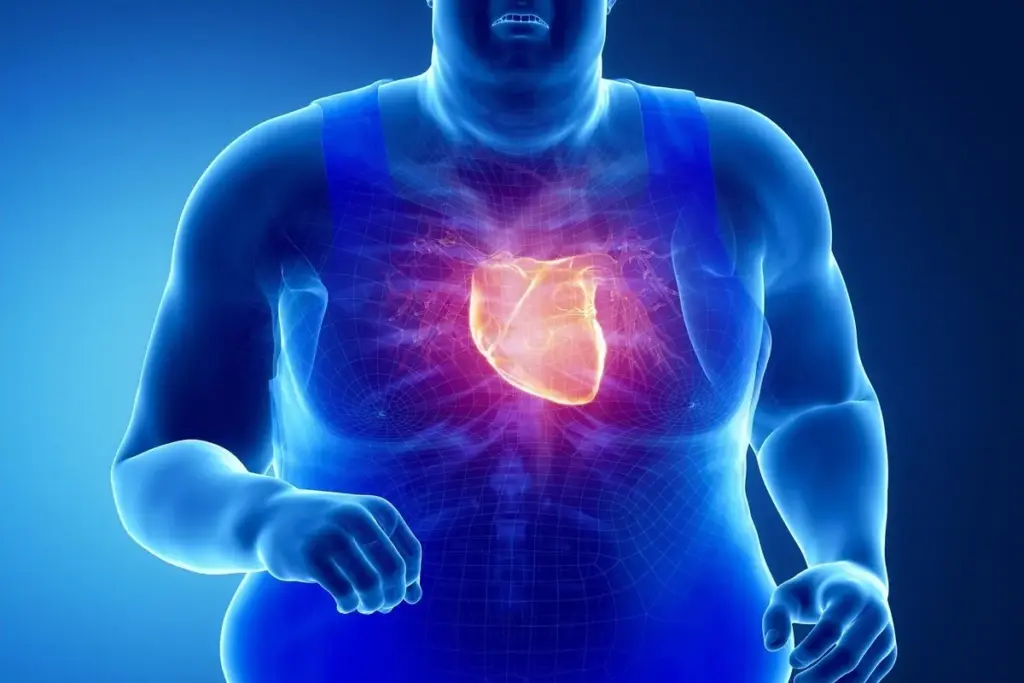
Hyperlipidemia affects millions worldwide. It’s important to know its causes and how it affects our lipid profiles. This condition is when our blood has too much cholesterol and triglycerides.
Definition and Terminology
Hyperlipidemia is also known as high cholesterol or lipid disorders. It’s a group of conditions caused by problems with lipid metabolism. Knowing the terms helps doctors diagnose and treat it better.
Lipid disorders can be genetic or caused by other factors like diet or lifestyle. Terms like hypercholesterolemia (high cholesterol) and hypertriglyceridemia (high triglycerides) describe these conditions.
How Lipids Function in the Body
Lipids are essential for our bodies. They provide energy and help us absorb vitamins. They travel in our blood as lipoproteins, which are sorted by density.
- LDL (Low-Density Lipoprotein) cholesterol is called “bad” cholesterol. It can build up in artery walls, causing plaque.
- HDL (High-Density Lipoprotein) cholesterol is “good” cholesterol. It helps remove excess cholesterol from the blood, lowering heart disease risk.
- Triglycerides are another lipid type. High levels can increase heart disease risk.
Prevalence and Public Health Impact
Hyperlipidemia is a big risk for heart diseases. It’s becoming more common worldwide. It’s a big public health issue because it can lead to heart disease and stroke.
The number of people with hyperlipidemia varies. It depends on genetics, diet, and lifestyle. In the U.S., many adults have lipid disorders. This shows we need to be aware and manage it.
- Testing for lipid profiles early is key to preventing problems.
- Changing our diet and being more active are often the first steps in treatment.
- In some cases, medicine is needed to control lipid levels.
Types and Classifications of Hyperlipidemia
Hyperlipidemia is not just one condition but a group of disorders. It involves problems with lipid metabolism. Knowing the different types is key for accurate diagnosis and treatment.
Primary Hyperlipidemia
Primary hyperlipidemia is often caused by genetics. It can show up as high LDL cholesterol or triglycerides. Genetic predisposition plays a significant role in its development, and family history is important for diagnosis.
Secondary Hyperlipidemia
Secondary hyperlipidemia is caused by external factors or other health conditions. Diet, obesity, diabetes, hypothyroidism, and some medications are common causes. Identifying and addressing the underlying cause is vital for managing it.
Familial Hypercholesterolemia
Familial hypercholesterolemia (FH) is a genetic form of primary hyperlipidemia. It leads to very high LDL cholesterol levels. Early diagnosis and aggressive treatment are essential to prevent heart disease.
Mixed Dyslipidemia
Mixed dyslipidemia involves high LDL cholesterol and triglycerides, with low HDL cholesterol. It’s common in metabolic syndrome and insulin resistance. Management involves lifestyle changes and medication to lower heart disease risk.
In conclusion, knowing the different types of hyperlipidemia is essential. Healthcare providers can then tailor treatments to meet each patient’s needs, improving outcomes.
Understanding Cholesterol and Lipid Levels
It’s important to know about cholesterol and lipid levels to manage hyperlipidemia well. Cholesterol and lipids are key for our bodies, but bad levels can cause serious health problems.
LDL Cholesterol: The “Bad” Cholesterol
LDL (Low-Density Lipoprotein) cholesterol is called “bad” because high levels can cause artery blockages. This increases the risk of heart disease and strokes.
HDL Cholesterol: The “Good” Cholesterol
HDL (High-Density Lipoprotein) cholesterol is called “good” because it helps remove bad cholesterol. Having more HDL cholesterol means a lower risk of heart disease. You can boost HDL by exercising regularly and not smoking.
Triglycerides and VLDL Cholesterol
Triglycerides are fats in the blood that can harm the heart. VLDL (Very-Low-Density Lipoprotein) cholesterol carries triglycerides and also causes artery blockages. Controlling triglycerides and VLDL cholesterol is key for heart health.
Normal Cholesterol Levels by Age
Cholesterol levels change with age, and knowing this is important for health care. The table below shows normal cholesterol levels for different ages.
|
Age Group |
Total Cholesterol |
LDL Cholesterol |
HDL Cholesterol |
Triglycerides |
|---|---|---|---|---|
|
20-39 years |
<200 mg/dL |
<100 mg/dL |
>40 mg/dL |
<150 mg/dL |
|
40-59 years |
<200 mg/dL |
<100 mg/dL |
>40 mg/dL |
<150 mg/dL |
|
60 years and older |
<200 mg/dL |
<100 mg/dL |
>40 mg/dL |
<150 mg/dL |
Managing cholesterol and lipid levels is vital for heart health. Knowing about lipid profiles helps people take steps to control their cholesterol. This can lower the risk of heart disease.
Diagnosing Hyperlipidemia
To find out if someone has hyperlipidemia, doctors use a key test called lipid panel testing. This test helps figure out if a person might get heart disease.
Lipid Panel Testing
A lipid panel, or lipid profile, is a blood test. It checks different kinds of cholesterol and triglycerides. It looks at:
- Total cholesterol
- Low-density lipoprotein (LDL) cholesterol, or “bad” cholesterol
- High-density lipoprotein (HDL) cholesterol, or “good” cholesterol
- Triglycerides
This test gives a detailed look at someone’s cholesterol levels. Doctors use it to spot hyperlipidemia and check heart disease risk.
Interpreting Your Lipid Profile Results
It’s important to know what your lipid panel results mean. Here’s a quick guide:
- Total Cholesterol: Less than 200 mg/dL is good.
- LDL Cholesterol: Aim for under 100 mg/dL. Levels under 130 mg/dL are okay for some.
- HDL Cholesterol: Higher is better. 60 mg/dL or higher helps protect your heart.
- Triglycerides: Normal levels are below 150 mg/dL.
Doctors look at these numbers along with your health history and other factors.
Additional Diagnostic Tests
Sometimes, more tests are needed to check heart risk or find why cholesterol is high. These might include:
- Thyroid function tests for hypothyroidism
- Liver function tests to check liver health
- Kidney function tests for kidney disease
- Diabetes tests, as diabetes often goes with high cholesterol
These tests help make a treatment plan that fits you.
When to Seek Medical Attention
If you have high cholesterol or are at risk, work closely with your doctor. See a doctor if you have chest pain, shortness of breath, or worry about your cholesterol levels.
Staying on top of your treatment can lower heart disease risks.
Signs and Symptoms of Hyperlipidemia
Hyperlipidemia, or high cholesterol, often goes unnoticed. It can sneak up on you without any clear signs until it’s too late. This makes it a big risk for heart health.
Common Physical Manifestations
Hyperlipidemia can sometimes show up physically. For example, xanthomas are fatty deposits under the skin. They look like nodules or bumps, usually on tendons or skin.
Xanthelasma is another sign. It’s yellowish patches or plaques on the skin, often near the eyes. These signs can hint at lipid disorders, but they’re not just about high cholesterol.
Silent Nature of the Condition
Most people with high cholesterol don’t feel any symptoms until it’s too late. This is why regular tests for lipid profiles are so important. It helps catch the problem early.
“The absence of symptoms in hyperlipidemia makes it a ‘silent killer,’ stressing the need for early screening and care to avoid heart problems.”
Expert Opinion
Warning Signs of Complications
Even though high cholesterol itself doesn’t cause symptoms, its complications can. For instance, atherosclerosis can lead to chest pain, shortness of breath, or leg pain when you move.
|
Complication |
Symptoms |
|---|---|
|
Atherosclerosis |
Chest pain, shortness of breath, leg pain during exercise |
|
Cardiovascular Disease |
Heart attack, stroke, peripheral artery disease |
Spotting these warning signs and knowing the risks of hyperlipidemia are key. They help you catch and manage the problem early.
Risk Factors for Developing Hyperlipidemia
Hyperlipidemia can be caused by genetics, lifestyle, and medical conditions. Knowing these factors helps us spot who’s at risk. It also guides us on how to prevent it.
Genetic and Family History Factors
Genetics are a big deal in hyperlipidemia. If your family has high cholesterol, you might get it too. Certain genetic disorders, like familial hypercholesterolemia, make it harder for your body to clear LDL cholesterol.
Familial Hypercholesterolemia (FH) is a genetic condition that makes LDL cholesterol levels very high. It happens because of gene mutations that affect LDL receptor function. This leads to LDL cholesterol not being removed from the blood properly.
Lifestyle and Dietary Factors
What you eat and how active you are can affect your risk of hyperlipidemia. Eating too much saturated fat, trans fat, and cholesterol can raise LDL cholesterol. Being inactive, overweight, or smoking also increases your risk.
- Unhealthy diet
- Physical inactivity
- Obesity
- Smoking
Eating more fruits, veggies, whole grains, and lean proteins can help. Regular exercise and keeping a healthy weight are also key.
Medical Conditions That Increase Risk
Some medical conditions can up your risk for hyperlipidemia. These include diabetes, hypothyroidism, and kidney disease. Keeping these conditions under control is important to lower your risk.
|
Medical Condition |
Effect on Lipid Levels |
|---|---|
|
Diabetes |
Increases triglycerides, LDL |
|
Hypothyroidism |
Raises LDL cholesterol |
|
Kidney Disease |
Can lead to dyslipidemia |
Age and Gender Considerations
Age and gender also play a part in hyperlipidemia risk. Cholesterol levels go up with age, and men usually have a higher risk than premenopausal women. After menopause, women’s risk goes up too.
Knowing these factors helps us target prevention and management of hyperlipidemia. This can lower the risk of heart disease.
Complications of Untreated Hyperlipidemia
Untreated hyperlipidemia is a big risk for heart health. It can cause serious problems if not managed. High levels of lipids in the blood can lead to many health issues.
Atherosclerosis Development
A major problem is atherosclerosis. It happens when plaque builds up in arteries, making them hard and narrow. This can block blood flow and raise the risk of heart problems.
Atherosclerosis starts with LDL cholesterol building up in arteries. Over time, this can cause inflammation and plaque formation. These plaques can rupture, leading to heart attacks or strokes.
Cardiovascular Disease Risks
Untreated hyperlipidemia greatly increases the risk of cardiovascular disease. This includes heart and blood vessel problems. High lipid levels can clog arteries, leading to heart attacks and strokes.
- Increased risk of heart attacks due to the blockage of coronary arteries.
- Higher likelihood of strokes resulting from the obstruction of blood flow to the brain.
- Potential for peripheral artery disease, characterized by reduced blood flow to the limbs.
Stroke and Peripheral Artery Disease
Untreated hyperlipidemia also raises the risk of stroke and peripheral artery disease. Strokes happen when blood flow to the brain is cut off. Peripheral artery disease narrows arteries in the legs, causing pain and infections.
Other Health Complications
Hyperlipidemia can also lead to pancreatitis. This is an inflammatory condition of the pancreas. It’s very painful and can be life-threatening.
In summary, the risks of untreated hyperlipidemia highlight the need for early diagnosis and treatment. This can prevent serious health problems.
Lifestyle Modifications as First-Line Treatment
Changing your lifestyle is key to managing high cholesterol. Making smart choices about what you eat and how much you move can greatly improve your health. This can help lower your risk of heart disease.
Dietary Changes for Lipid Management
What you eat matters a lot when it comes to managing high cholesterol. Stay away from saturated and trans fats as they can raise bad cholesterol. Instead, eat foods high in unsaturated fats like avocados, nuts, and olive oil. These can help lower bad cholesterol and increase good cholesterol.
Adding more soluble fiber to your diet is also good. Foods like oats, barley, fruits, and veggies can help your body absorb less cholesterol.
Regular Physical Activity Benefits
Regular exercise is another important change. It helps with weight control and improves your cholesterol levels. It raises good cholesterol and lowers bad fats in your blood.
At least 150 minutes of moderate exercise or 75 minutes of intense exercise each week. They also recommend doing muscle-strengthening activities two or more times a week.
Weight Management Strategies
Keeping a healthy weight is essential for managing high cholesterol. Losing just 5-10% of your body weight can make a big difference. It can improve your cholesterol levels significantly.
|
Weight Management Strategy |
Description |
Benefits |
|---|---|---|
|
Dietary Changes |
Reducing calorie intake, increasing fiber consumption |
Weight loss, improved lipid profile |
|
Regular Exercise |
Engaging in aerobic and strength-training exercises |
Weight loss, improved overall cardiovascular health |
|
Behavioral Therapy |
Modifying eating habits and lifestyle behaviors |
Sustainable weight loss, improved mental health |
Smoking Cessation and Alcohol Moderation
Quitting smoking and drinking in moderation are also key. Stopping smoking can greatly improve your heart health. Drinking less can help with weight control and improve your cholesterol levels.
By making these lifestyle changes, you can actively manage your high cholesterol. This can help lower your risk of heart disease.
Heart-Healthy Diets for Managing Hyperlipidemia
Choosing a heart-healthy diet is key to managing hyperlipidemia. Diets full of fruits, veggies, whole grains, and healthy fats can greatly affect cholesterol levels and heart health.
The DASH Diet Approach
The DASH diet fights high blood pressure and helps with hyperlipidemia. It focuses on:
- Fruits and vegetables
- Whole grains
- Lean protein sources
- Low-fat dairy products
This diet helps lower bad cholesterol and boosts heart health.
Mediterranean Diet Benefits
The Mediterranean diet is great for hyperlipidemia. It’s all about:
- Monounsaturated fats (like olive oil)
- Fresh fruits and vegetables
- Whole grains
- Legumes and nuts
Plant-Based Diet Options
Plant-based diets are rich in fiber and low in saturated fats. They include:
- Vegetables
- Fruits
- Legumes
- Nuts and seeds
- Whole grains
These diets can improve lipid profiles and lower heart disease risk.
Foods to Include and Avoid
Knowing which foods to eat and avoid is vital. Good foods are:
- Olive oil
- Fatty fish (rich in omega-3 fatty acids)
- Nuts and seeds
- Avocados
- Whole grains
Stay away from foods high in saturated and trans fats, like processed and fried foods.
As
“The food you eat can either be the safest and most powerful form of medicine or the slowest form of poison.”
Ann Wigmore
Making smart food choices can help manage hyperlipidemia and improve health.
Statins: The Gold Standard in Hyperlipidemia Treatment
Statins are seen as the top choice for treating high cholesterol. They are known for their strong ability to lower bad cholesterol. This makes them key in preventing heart disease.
Mechanism of Action
Statins block the enzyme HMG-CoA reductase in the liver. This enzyme is important for making cholesterol. By stopping this, statins reduce the bad cholesterol in our blood.
Key Benefits: They lower bad cholesterol, reduce heart disease risk, and slow plaque buildup in arteries.
Types of Statins and Potency Comparison
There are many statins, each with different strengths. The right one depends on your cholesterol levels and heart risk. It also depends on how well you can handle side effects.
|
Statin Type |
Potency Level |
LDL Reduction |
|---|---|---|
|
Atorvastatin |
High |
40-60% |
|
Rosuvastatin |
High |
45-63% |
|
Simvastatin |
Moderate |
30-45% |
|
Pravastatin |
Moderate |
25-40% |
|
Lovastatin |
Low-Moderate |
20-40% |
Effectiveness and Cardiovascular Benefits
Statins greatly lower the risk of heart attacks and strokes. They work by reducing bad cholesterol and improving heart health. Many studies have shown their effectiveness.
Notable Study: The JUPITER trial found statins help even when LDL levels are normal but hs-CRP is high.
Potential Side Effects and Management
Statins are usually safe but can cause side effects. These include muscle pain, liver issues, and diabetes risk. To manage these, doctors might adjust doses or switch to another statin. Supplements like CoQ10 can also help with muscle pain.
Non-Statin Medications for Hyperlipidemia
Several classes of non-statin medications have emerged as effective treatments for hyperlipidemia. They offer alternatives or additions to statin therapy for managing high cholesterol and triglyceride levels.
Bile Acid Sequestrants
Bile acid sequestrants work by binding to bile acids in the intestine. This prevents their reabsorption. The liver then uses more cholesterol to produce new bile acids, reducing blood cholesterol levels.
Examples and Benefits: Common bile acid sequestrants include cholestyramine, colestipol, and colesevelam. These medications are useful for patients who can’t tolerate statins or need more LDL cholesterol reduction.
Cholesterol Absorption Inhibitors
Cholesterol absorption inhibitors, such as ezetimibe, block cholesterol absorption in the small intestine. This leads to less cholesterol being delivered to the liver, reducing blood cholesterol levels.
- Ezetimibe can be used alone or in combination with statins for enhanced LDL lowering.
- It is beneficial for patients with familial hypercholesterolemia.
Fibrates for Triglyceride Management
Fibrates target triglyceride levels. They activate a nuclear receptor called PPAR-alpha, which regulates lipid metabolism genes.
Benefits and Examples: Fibrates like fenofibrate and gemfibrozil can significantly reduce triglyceride levels and modestly increase HDL cholesterol. They are used in patients with high triglycerides and low HDL cholesterol.
PCSK9 Inhibitors for Resistant Cases
PCSK9 inhibitors target the PCSK9 protein, involved in LDL receptor degradation in the liver. By inhibiting PCSK9, these drugs increase LDL receptor availability, clearing LDL cholesterol from the blood.
“PCSK9 inhibitors have shown remarkable efficacy in lowering LDL cholesterol levels, even in patients with very high baseline levels or those who are statin-intolerant.”
Examples and Administration: PCSK9 inhibitors like alirocumab and evolocumab are administered via injection every two to four weeks. They are reserved for patients with familial hypercholesterolemia or those at very high risk of cardiovascular events who require additional LDL lowering.
Combination Therapy Approaches
Combination therapy is key in managing high cholesterol. It uses many medications to tackle different parts of cholesterol metabolism. This approach offers a detailed treatment plan.
When Multiple Medications Are Necessary
At times, one medication isn’t enough to control cholesterol levels, mainly for those with severe high cholesterol. Combination therapy is needed when a patient’s cholesterol levels need to be tackled from multiple angles. For example, a statin might be used to lower bad cholesterol, while a fibrate helps reduce triglycerides.
A study in a Journal found that combination therapy effectively lowers bad cholesterol and triglycerides in patients with mixed dyslipidemia.
Common Medication Combinations
Several medication combinations are effective in managing high cholesterol. Some common ones include:
- Statins + Bile Acid Sequestrants: This combo boosts LDL cholesterol reduction.
- Statins + Fibrates: Used to tackle both LDL cholesterol and triglycerides.
- Statins + Ezetimibe: Adds to LDL cholesterol lowering.
- PCSK9 Inhibitors + Statins: For those with severe or resistant high cholesterol.
Combination therapy can be customized for each patient’s needs and lipid profile.
Benefits and Considerations
Combination therapy has several benefits, like better results and a lower risk of heart problems. Yet, it’s important to watch out for drug interactions and side effects. It’s vital to monitor patients on combination therapy to avoid risks and enhance benefits.
“Combination therapy in managing high cholesterol offers a more personalized and effective treatment strategy.”
A Lipidologist
Monitoring Combination Therapy
Regular checks are key for patients on combination therapy. This includes:
- Checking lipid profiles to see if treatment is working.
- Testing liver function to watch for liver damage.
- Monitoring muscle enzymes for statin-induced muscle problems.
- Regular doctor visits to adjust treatment as needed.
By closely monitoring patients on combination therapy, doctors can improve treatment results and reduce risks.
Natural and Alternative Treatments for Hyperlipidemia
Many natural supplements and alternative therapies can help manage hyperlipidemia. They can be part of a complete treatment plan. This helps people improve their lipid profiles.
Plant Sterols and Stanols
Plant sterols and stanols are found in fruits, vegetables, and nuts. They help lower LDL cholesterol by blocking cholesterol absorption in the gut. Adding foods fortified with plant sterols or taking supplements can be effective. A study in a Journal found that 2 grams a day can lower LDL cholesterol by up to 10%.
Red Yeast Rice Supplements
Red yeast rice is a traditional Chinese medicine. It has compounds that work like statins to lower LDL cholesterol and triglycerides. Choosing a high-quality supplement from a reputable manufacturer is key for safety and effectiveness.
Soluble Fiber Benefits
Soluble fiber helps manage hyperlipidemia by removing bile acids from the body. This reduces cholesterol production in the liver. Foods like oats, barley, fruits, and vegetables are rich in soluble fiber. A diet rich in soluble fiber can lower LDL cholesterol levels. Eating 5-10 grams of soluble fiber daily.
Other Supplements with Evidence
Other natural supplements for hyperlipidemia include omega-3 fatty acids, garlic extract, and green tea. Omega-3 fatty acids, like EPA and DHA, can lower triglycerides and reduce heart risk.
“The use of omega-3 fatty acids as an adjunct therapy in hyperlipidemia management is supported by evidence showing significant reductions in triglycerides and improvements in overall heart health.”
Always talk to a healthcare provider before adding supplements to your treatment plan.
Emerging and Future Treatments for Hyperlipidemia
Our understanding of lipids is growing, leading to new treatments for hyperlipidemia. Lipid disorders are on the verge of a big change. This is thanks to new research and technology.
Gene Therapy Approaches
Gene therapy is a new hope for treating hyperlipidemia. It targets the genetic causes of lipid disorders. This could lead to long-lasting or even permanent fixes.
Scientists are looking into gene editing, like CRISPR/Cas9, to change genes related to lipids. This could help treat genetic lipid disorders like familial hypercholesterolemia.
RNA-Based Therapeutics
RNA-based therapies are also being explored. They use RNA to control gene expression and affect lipid metabolism. Antisense oligonucleotides and RNA interference (RNAi) are being studied for their ability to lower bad cholesterol and triglycerides.
These therapies are specific, which could mean fewer side effects than traditional treatments.
Novel Lipid-Lowering Targets
Finding new targets for lipid-lowering treatments is key. Research has shown promise in targeting proteins like PCSK9 and ANGPTL3. Blocking these proteins can greatly lower lipid levels and heart disease risk.
Studies are ongoing to see how safe and effective these treatments are.
Personalized Medicine in Lipid Management
Personalized medicine is becoming more important in treating hyperlipidemia. It involves tailoring treatments based on a person’s genes and lipid metabolism. This could lead to better treatments and fewer trial-and-error approaches.
New treatments like gene therapy, RNA-based therapies, and targeting specific proteins are promising. They could greatly improve how we manage hyperlipidemia and reduce heart disease.
Conclusion: The Optimal Approach to Hyperlipidemia Management
Managing hyperlipidemia well means using many strategies. This includes changing your lifestyle, getting medical help, and trying new treatments. Knowing about the condition is the first step to better lipid management.
A good treatment plan includes eating right, exercising often, and keeping a healthy weight. Sometimes, medicines like statins are needed to reach the right lipid levels.
It’s also important to think about your personal risk factors and other health issues. Living a heart-healthy lifestyle and following your doctor’s advice can lower your risk of heart problems.
New research might bring new treatments like gene therapy. It’s key to stay updated and work with your doctor to find the best treatment for you.
FAQ
What is hyperlipidemia, and how is it diagnosed?
Hyperlipidemia is when your blood has too much lipid. Doctors use a lipid panel test to check this. It looks at LDL, HDL, triglycerides, and VLDL cholesterol levels.
What are the risk factors for developing hyperlipidemia?
Several things can increase your risk of hyperlipidemia. These include your genes, lifestyle, diet, certain health conditions, and your age and gender.
What are the symptoms of hyperlipidemia?
Often, hyperlipidemia doesn’t show symptoms. But, signs of trouble might include chest pain, shortness of breath, and leg pain.
How can hyperlipidemia be managed through lifestyle modifications?
To manage hyperlipidemia, you can make healthy changes. These include eating better, exercising regularly, managing your weight, quitting smoking, and drinking less alcohol.
What are the benefits of a heart-healthy diet in managing hyperlipidemia?
Eating a heart-healthy diet can help a lot. Diets like the DASH, Mediterranean, and plant-based ones can lower bad cholesterol and triglycerides. They also improve heart health.
What is the role of statins in treating hyperlipidemia?
Statins are key in treating hyperlipidemia. They work by lowering LDL cholesterol. They are considered the best treatment for this condition.
What are the possible side effects of statin therapy?
Statins can cause side effects like muscle pain and liver damage. They might also raise your diabetes risk. Always talk to your doctor about these risks.
What are some alternative treatments for hyperlipidemia?
There are other ways to treat hyperlipidemia. Options include plant sterols, red yeast rice, and soluble fiber. These can help lower lipids.
How can combination therapy be used to treat hyperlipidemia?
Combination therapy uses more than one medication. This can include statins, bile acid sequestrants, and fibrates. It aims to get your lipids in check and lower heart risk.
What is the importance of monitoring lipid levels and adjusting treatment plans?
Keeping an eye on your lipid levels is key. Adjusting your treatment as needed is also important. This helps manage your lipids and lowers heart risk.
What are the emerging and future treatments for hyperlipidemia?
New treatments for hyperlipidemia are coming. These include gene therapy and RNA-based treatments. They promise to improve lipid management and heart health.
References
National Center for Biotechnology Information. Evidence-Based Medical Insight. Retrieved from https://pubmed.ncbi.nlm.nih.gov/30571546/