Parathyroid disease can hide for years, affecting thousands without clear symptoms. It’s only when a routine blood test is done that the truth comes out. We’re learning more about the parathyroid gland issues and how primary hyperparathyroidism affects patients.
Caitlyn Jensen’s story is a powerful reminder. She was diagnosed with thyroid cancer in high school. Later, she developed hypoparathyroidism. Her story shows the long-term effects of parathyroid disease. It stresses the need for early detection and understanding high parathyroid hormone levels.
Key Takeaways
- Parathyroid disease can be asymptomatic for years.
- Primary hyperparathyroidism is a common condition associated with parathyroid disease.
- Early detection is key for managing parathyroid gland issues.
- High parathyroid hormone levels can have big health impacts.
- Personal stories like Caitlyn Jensen’s show the complexity of parathyroid disease.
Understanding Parathyroid Disease
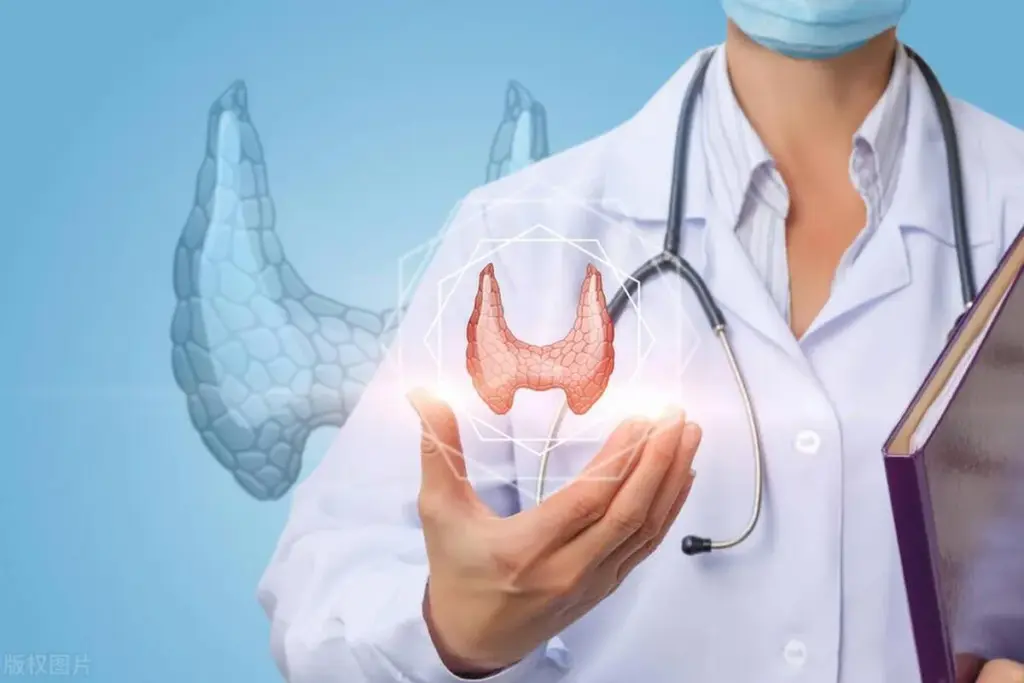
To understand parathyroid disease, we must first know how the parathyroid glands work. These glands produce a hormone that helps control calcium levels in our bodies. Parathyroid disease includes many conditions that affect these glands, causing calcium imbalances.
What are the parathyroid glands?
The parathyroid glands are four small glands in the neck, behind the thyroid gland. They are key to keeping our calcium levels balanced. The right function of these glands is vital for our health.
Function of parathyroid hormone
Parathyroid hormone (PTH) is made by the parathyroid glands. It’s important for keeping calcium levels right in our blood and bones. PTH helps by releasing calcium from bones, improving gut absorption, and reducing urine excretion.
When PTH levels are too high, it can raise blood calcium levels. This can cause many health problems.
|
Function |
Description |
Effect on Calcium Levels |
|---|---|---|
|
Stimulates bone resorption |
Releases calcium from bones into the bloodstream |
Increases calcium levels |
|
Increases gut absorption |
Enhances calcium absorption from food |
Increases calcium levels |
|
Reduces urinary excretion |
Decreases calcium loss in urine |
Increases calcium levels |
Knowing how the parathyroid glands and hormone work is key to understanding parathyroid disease. Problems with PTH can cause health issues like hyperparathyroidism. This is when blood calcium levels are too high.
Types of Parathyroid Disease

It’s important to know about the different types of parathyroid disease. This knowledge helps doctors diagnose and treat these conditions effectively. Parathyroid disease includes several conditions that affect the parathyroid glands, causing various health problems.
Primary Hyperparathyroidism
Primary hyperparathyroidism happens when the parathyroid glands make too much parathyroid hormone (PTH). This usually comes from a benign tumor (adenoma) on a gland or from an increase in gland cells. About 85% of cases are caused by a single adenoma.
People with this condition might feel bone pain, get kidney stones, or have neuropsychiatric symptoms. Doctors use blood tests to check calcium and PTH levels. Then, they use imaging studies to find the affected gland(s).
Secondary Hyperparathyroidism
Secondary hyperparathyroidism happens when the blood has low calcium levels. This is often because of vitamin D deficiency, chronic kidney disease, or not absorbing nutrients well. The parathyroid glands make more PTH to try to fix the calcium imbalance.
Treatment focuses on addressing the underlying causes, such as providing vitamin D for deficiencies or effectively managing kidney disease. If not treated well, it can turn into tertiary hyperparathyroidism.
Tertiary Hyperparathyroidism
Tertiary hyperparathyroidism is when the glands keep making too much PTH even after the calcium problem is fixed. It often needs surgery to remove the glands that are making too much PTH.
Going from secondary to tertiary hyperparathyroidism is a big deal. It means the glands are not just reacting to a problem but are actually causing one. This can lead to serious health issues if not managed right.
Hypoparathyroidism
Hypoparathyroidism is when the glands don’t make enough PTH, causing low calcium levels. It can happen from neck surgery, autoimmune diseases, or genetic issues.
People with this might have muscle cramps, tingling, and in bad cases, seizures. Treatment is calcium and vitamin D supplements to get calcium levels right and ease symptoms.
|
Condition |
Characteristics |
Causes |
Treatment |
|---|---|---|---|
|
Primary Hyperparathyroidism |
Overproduction of PTH |
Benign tumor or hyperplasia |
Surgery, monitoring |
|
Secondary Hyperparathyroidism |
Response to low calcium |
Vitamin D deficiency, CKD |
Address underlying cause |
|
Tertiary Hyperparathyroidism |
Prolonged overproduction of PTH |
Untreated secondary hyperparathyroidism |
Surgery |
|
Hypoparathyroidism |
Underproduction of PTH |
Neck surgery, autoimmune disorders |
Calcium and vitamin D supplementation |
The Silent Nature of Parathyroid Disease
Parathyroid disease is often hidden, without clear symptoms. This makes it hard for people to know they have it. As a result, they might not get diagnosed or treated on time.
Why Parathyroid Disease Often Goes Undetected
Primary hyperparathyroidism can hide for a long time. Several reasons explain why:
- Gradual onset: The disease starts slowly. This allows the body to adjust, making symptoms less obvious.
- Non-specific symptoms: Symptoms like fatigue or mild bone pain are common but can be mistaken for other issues.
- Lack of awareness: Both patients and doctors might not know about the disease or its signs. This leads to missed diagnoses.
Research shows many people with primary hyperparathyroidism don’t show symptoms. About 80% of patients with this condition might not have noticeable signs, even with high calcium levels.
Duration of Asymptomatic Periods
How long parathyroid disease stays hidden varies. Some people might not show symptoms for years. Others might never notice anything. The length of time depends on the disease’s cause, how fast it grows, and how well the body handles high calcium.
Doctors should watch for parathyroid disease, even in people without symptoms. This is true for groups at higher risk, like postmenopausal women. Regular health checks and screenings can catch the disease early, even when there are no symptoms.
Knowing about parathyroid disease’s hidden nature helps us be more careful. It encourages us to screen more often. This leads to finding and treating the disease sooner.
Asymptomatic Hyperparathyroidism: A Common Reality
A significant number of individuals may have asymptomatic hyperparathyroidism without realizing it. This means they have hyperparathyroidism but don’t show any symptoms.
Definition and Prevalence
Asymptomatic hyperparathyroidism is when you have the condition but don’t feel sick. Research shows many people with hyperparathyroidism don’t show symptoms. The use of routine tests has made it more common.
“The diagnosis of asymptomatic hyperparathyroidism has become more common with the advent of multichannel autoanalyzers that measure serum calcium levels,” notes a study on the condition.
Biochemical Markers Despite Lack of Symptoms
Even without symptoms, people with asymptomatic hyperparathyroidism show certain signs. These signs include high levels of calcium and parathyroid hormone (PTH) in the blood. These markers help doctors diagnose the condition, even when there are no symptoms.
The Diagnostic Challenge for Healthcare Providers
Doctors find it hard to diagnose asymptomatic hyperparathyroidism. Without symptoms, it’s tough to know who needs more tests. Doctors use blood tests and sometimes imaging to find and treat the condition.
Understanding the challenges of diagnosing asymptomatic hyperparathyroidism is key. Regular checks are important for those at risk. Knowing the signs and the challenges helps us manage the condition better and improve health outcomes.
Prevalence and Demographics
Parathyroid disease is common in many people. Its occurrence varies among different groups. Knowing who is at risk helps in early detection and treatment.
Occurrence Rates in Women vs. Men
Women are more likely to get parathyroid disease than men. Studies show women are about three times more likely to have primary hyperparathyroidism. Hormonal differences and bone density play a role in this gender gap.
Age-Related Risk Factors
As people get older, the risk of parathyroid disease grows, mainly after 50. The most common age for diagnosis is in the 60s and 70s. This is due to bone and kidney changes and the buildup of genetic and environmental factors.
Genetic Predispositions
Some genetic conditions raise the risk of parathyroid disease. For example, familial isolated hyperparathyroidism and MEN1 increase the chance of tumors. People with a family history should talk to their doctor about screening.
Knowing who is at risk helps doctors act early. This can prevent serious problems later on.
Hyperparathyroidism Symptoms: From Subtle to Severe
Hyperparathyroidism symptoms can range from mild to severe. Early signs are often missed, while severe symptoms need quick medical help. Understanding and catching symptoms early is key to managing the condition.
Early Subtle Signs Often Dismissed
In the beginning, symptoms of hyperparathyroidism are often overlooked. These can include fatigue, mild depression, and vague musculoskeletal complaints. People might feel unwell without knowing why, leading to delayed diagnosis.
For example, feeling tired or anxious might be seen as stress. It’s only when symptoms get worse that hyperparathyroidism is considered.
Progressive Symptoms as the Disease Advances
As hyperparathyroidism gets worse, symptoms get more serious. These can include bone pain, kidney stones, and significant fatigue. High calcium levels can harm many parts of the body.
Bone pain is a common symptom as the disease advances. It can make daily life hard.
Advanced Manifestations Requiring Immediate Attention
In severe cases, hyperparathyroidism can cause serious problems. These include severe hypercalcemia, osteoporosis, and cardiovascular complications. Without treatment, these can lead to serious health issues.
“Severe hypercalcemia can lead to serious complications, including confusion, abdominal pain, and cardiac arrhythmias, necessitating prompt medical intervention.”
Symptom Variability Among Patients
Symptoms of hyperparathyroidism can vary a lot between people. Some may notice symptoms slowly, while others might not show any signs for a long time. This shows why each patient needs a personalized approach to care.
A study found that even with similar levels of calcium and parathyroid hormone, symptoms can differ a lot. This highlights the need for a detailed diagnosis and treatment plan.
|
Symptom Category |
Common Symptoms |
Severity |
|---|---|---|
|
Early Symptoms |
Fatigue, mild depression, musculoskeletal complaints |
Mild to Moderate |
|
Progressive Symptoms |
Bone pain, kidney stones, significant fatigue |
Moderate to Severe |
|
Advanced Symptoms |
Severe hypercalcemia, osteoporosis, cardiovascular complications |
Severe |
The “Moans, Groans, Stones, and Bones” of Hyperparathyroidism
Hyperparathyroidism affects the body in many ways, as shown by the “moans, groans, stones, and bones” phrase. This phrase is a classic mnemonic. It helps doctors and patients remember the many symptoms of the condition.
Psychiatric Symptoms (Moans)
Hyperparathyroidism can cause various psychiatric symptoms, known as “moans.” These include depression, anxiety, and problems with thinking. The high calcium levels can mess with brain chemicals and signals. It’s important to know these symptoms are real and linked to hormonal imbalances.
Abdominal Complaints (Groans)
The “groans” in the mnemonic stand for stomach problems in hyperparathyroidism patients. Symptoms can be nausea, vomiting, pain, and constipation. The high calcium levels can harm stomach muscles and nerves. It’s key to understand this link for proper treatment.
Kidney Stones (Stones)
Kidney stones, or “stones,” are a big problem with hyperparathyroidism. The high calcium in urine raises the risk of calcium stones. These stones can be very painful and may harm the kidneys if not treated. Stopping kidney stones is a big part of managing hyperparathyroidism.
Bone Problems (Bones)
The “bones” part of the mnemonic talks about how hyperparathyroidism affects bones. The extra hormone can cause bones to break down, leading to osteoporosis, pain, and a higher risk of fractures. Checking bone density is important for managing hyperparathyroidism to avoid bone problems.
Knowing about the “moans, groans, stones, and bones” of hyperparathyroidism helps doctors and patients. It makes it easier to diagnose and treat the condition, leading to better health outcomes.
How Parathyroid Disease Affects Calcium Levels
Parathyroid disease greatly affects calcium levels in our bodies, causing health problems. The parathyroid glands are key in keeping calcium balanced. Any issues with these glands can lead to serious health issues.
Normal Calcium Regulation
Calcium is essential for our bodies, helping with muscle and nerve functions, and keeping bones strong. The parathyroid glands control calcium levels by making parathyroid hormone (PTH). When calcium levels are low, PTH is released to fix this by taking calcium from bones and improving gut absorption.
Disrupted Calcium Balance in Hyperparathyroidism
In hyperparathyroidism, the parathyroid glands make too much PTH. This causes high calcium levels in the blood, known as hypercalcemia. Symptoms include fatigue, muscle weakness, and confusion.
an endocrinologist, notes, “Hyperparathyroidism can lead to a multitude of symptoms due to elevated calcium levels, affecting various bodily systems.”
“Hyperparathyroidism can lead to a multitude of symptoms due to elevated calcium levels, affecting various bodily systems.”
Consequences of Prolonged Calcium Imbalance
Long-term high calcium levels can cause serious problems like osteoporosis, kidney stones, and heart issues. Taking too much calcium from bones can weaken them, raising the risk of fractures. High calcium can also harm kidneys, leading to chronic kidney disease.
Understanding hyperparathyroidism’s effect on calcium levels is key. Early diagnosis and treatment are vital to avoid long-term health problems.
Managing parathyroid disease requires a full approach. This includes monitoring calcium levels, treating symptoms, and addressing the root cause of hyperparathyroidism. By knowing how parathyroid disease affects calcium, healthcare providers can create effective treatment plans. This helps restore normal calcium balance and improves patient outcomes.
Long-term Health Consequences of Undiagnosed Parathyroid Disease
Untreated parathyroid disease can cause serious health problems. It can lead to hyperparathyroidism, affecting many parts of the body.
Cardiovascular Complications
Untreated hyperparathyroidism can harm the heart. High levels of parathyroid hormone (PTH) can cause high blood pressure and heart problems. These issues raise the risk of heart disease and other heart problems.
Bone Density Loss and Fracture Risk
Hyperparathyroidism can weaken bones. This is because of the high PTH levels, leading to osteoporosis. Bones become more likely to break, a big risk for women after menopause.
Kidney Damage and Renal Function Decline
The kidneys also suffer from untreated hyperparathyroidism. Kidney damage can happen due to too much calcium, causing kidney stones and worsening kidney function. In severe cases, it can lead to chronic kidney disease.
Neuropsychiatric Effects
Hyperparathyroidism can also affect the mind. It can cause depression, anxiety, and problems with thinking. Hormonal imbalances and changes in calcium levels are thought to be the cause.
In summary, untreated parathyroid disease has serious long-term effects on health. It can affect many areas of the body. Early diagnosis and treatment are key to avoiding these problems and improving life quality for those with hyperparathyroidism.
Diagnosing Parathyroid Disease
Understanding how to diagnose parathyroid disease is key for quick and effective treatment. To find hyperparathyroidism, we use tests to check calcium and parathyroid hormone (PTH) levels. We also look for other conditions that might cause similar symptoms.
Blood Tests for Calcium and PTH Levels
Blood tests are the main tool for diagnosing parathyroid disease. We check the blood for calcium and PTH levels. High PTH and calcium levels often mean primary hyperparathyroidism.
Key blood tests include:
- Serum calcium test
- PTH test (intact PTH or iPTH)
- Phosphorus test
- Alkaline phosphatase test
Imaging Studies for Localization
After finding hyperparathyroidism, we use imaging to find the problem gland. We use different methods to spot adenomas or hyperplasia in the parathyroid glands.
Common imaging studies include:
- Sestamibi scan
- Ultrasound
- CT scan
- MRI
Bone Density Scans
Bone density scans help us see how hyperparathyroidism affects bones. We use DXA scans to check bone mineral density.
|
Test |
Purpose |
Significance in Hyperparathyroidism |
|---|---|---|
|
DXA Scan |
Measures bone mineral density |
Assesses bone loss and fracture risk |
|
Blood Tests |
Measures calcium and PTH levels |
Diagnoses hyperparathyroidism |
|
Imaging Studies |
Locates parathyroid adenomas or hyperplasia |
Guides surgical intervention |
Differential Diagnosis Considerations
It’s important to rule out other conditions when diagnosing parathyroid disease. We look for things like vitamin D deficiency or cancer that might cause similar symptoms.
By using clinical evaluation and tests together, we can accurately diagnose parathyroid disease. This helps us create a good treatment plan.
Incidental Discovery: How Parathyroid Disease Is Often Found
Many people find out they have parathyroid disease by accident. This happens when a doctor finds it during a routine check-up. Parathyroid disease, like hyperparathyroidism, often doesn’t show symptoms for years.
Routine Blood Work Findings
Blood tests are key in finding parathyroid disease. High calcium levels in the blood can point to hyperparathyroidism. Doctors often catch this during health screenings.
Some signs in blood tests that might show parathyroid disease are:
- Elevated calcium levels
- High parathyroid hormone (PTH) levels
- Low phosphorus levels
- High alkaline phosphatase levels, showing bone turnover
Discovery During Evaluation for Other Conditions
Parathyroid disease can also be found when checking for other health issues. For example, bone density scans for osteoporosis might show signs of hyperparathyroidism. People being checked for kidney stones might also get a diagnosis of hyperparathyroidism.
Patient Case Studies of Unexpected Diagnosis
Many stories show how unexpected a parathyroid disease diagnosis can be. A 45-year-old woman got a diagnosis of primary hyperparathyroidism during a routine check-up. A 60-year-old man was diagnosed with parathyroid disease after tests for fatigue and depression.
These stories stress the need for thorough medical checks. They remind doctors to think of parathyroid disease when they see unusual symptoms or test results.
We share these stories to raise awareness about parathyroid disease. We want to highlight the role of regular health check-ups in catching it early.
When to Suspect Parathyroid Disease Despite Minimal Symptoms
Understanding parathyroid disease starts with knowing its risk factors and early signs. We’ll show you what to look for to prompt a closer look.
Risk Factors to Be Aware Of
Some people are more likely to get parathyroid disease. These include:
- Women over 50: Postmenopausal women face a higher risk due to hormonal shifts.
- Family History: If your family has parathyroid disease or MEN1, you’re at higher risk.
- Previous Radiation Exposure: Head or neck radiation therapy increases your risk.
- Certain Genetic Conditions: Conditions like familial isolated hyperparathyroidism raise your risk.
Knowing these risk factors can lead to early detection.
Subtle Signs That Shouldn’t Be Ignored
Parathyroid disease might not show symptoms at first. But, there are signs you shouldn’t overlook. These include:
- Fatigue and Weakness: Feeling tired or weak all the time can be a sign.
- Bone Pain or Tenderness: Bone or joint pain might mean calcium levels are off.
- Kidney Stones: Frequent kidney stones could point to calcium issues.
- Depression or Anxiety: Mood changes can sometimes be linked to parathyroid disease.
These signs might seem minor, but they’re important if you have other risk factors.
When to Request Specific Testing
If you notice any of these signs or have risk factors, talk to your doctor. They might suggest specific tests, such as:
- Calcium Level Tests: To check your blood calcium levels.
- Parathyroid Hormone (PTH) Tests: To measure your PTH levels.
- Vitamin D Level Tests: Vitamin D deficiency can affect parathyroid function.
Getting tested early can help manage and treat parathyroid disease better.
By knowing the risk factors and early signs, and asking for tests when needed, we can catch parathyroid disease early. This improves its management and treatment.
Treatment Options for Parathyroid Disease
There are many ways to treat parathyroid disease. The right treatment depends on the disease type, its severity, the patient’s health, and their wishes.
Parathyroidectomy: The Definitive Cure
For many, parathyroidectomy is the best treatment for primary hyperparathyroidism. This surgery removes the bad parathyroid gland(s). A study in the Journal of Clinical Endocrinology and Metabolism says surgery is the only cure for this condition. Most people see their calcium levels go back to normal after surgery.
Medication Management Approaches
For those who can’t or don’t want surgery, medication management is an option. Drugs like bisphosphonates help with bone density. Calcimimetics lower parathyroid hormone levels. A clinical review notes that calcimimetics can lower calcium levels in patients with primary hyperparathyroidism.
Monitoring Approach for Mild Cases
For mild cases without symptoms, a monitoring approach is used. This means regular blood tests and watching for any changes. “Regular monitoring is key for catching any disease progression early,” say guidelines for managing asymptomatic primary hyperparathyroidism.
Treatment Timing Considerations
Choosing when to start treatment is important. It depends on symptom severity, complications like osteoporosis or kidney stones, and overall health. “Surgery timing should be based on symptoms, age, and health,” clinical guidelines suggest.
In summary, treating parathyroid disease needs a tailored approach. Understanding the treatment options helps patients and doctors make the best choice.
Recovery and Outcomes After Treatment
Treatment for parathyroid disease starts a recovery journey that can greatly improve patients’ lives. Understanding what affects recovery is key.
Immediate Post-Treatment Effects
Right after treatment, like parathyroidectomy, patients might feel different. They could have changes in calcium levels, issues with their vocal cords, or feel uncomfortable. It’s important for doctors to watch over them closely to handle any problems.
Most patients do well after parathyroid surgery and go home in a day or two. But, the first few days need careful attention to avoid any issues.
Long-Term Prognosis
The outlook for patients treated for parathyroid disease is usually good, thanks to successful surgery. Studies show that surgery can fix calcium and PTH levels, easing symptoms of hyperparathyroidism.
Following up with doctors is vital. It helps catch any problems early and adjust treatment if needed.
Quality of Life Improvements
Treating parathyroid disease can greatly improve a patient’s life. It can reduce symptoms like tiredness, bone pain, and brain fog. This can be a big change, letting people do more and feel better.
Our patients have seen a big change in how they feel after treatment. This shows how important it is to treat parathyroid disease early and right.
Symptom Resolution Timelines
How fast symptoms go away can vary. It depends on how bad the disease is and how well the treatment works. Usually, people start feeling better in weeks to months. For example, bones can start getting stronger in 6 to 12 months after surgery.
We tell patients to be patient and work with their doctors. This helps track progress and make any needed changes.
|
Aspect of Recovery |
Typical Timeline |
Expected Outcome |
|---|---|---|
|
Normalization of Calcium Levels |
Immediate to few weeks |
Stabilization of calcium levels |
|
Bone Density Improvement |
6 to 12 months |
Enhanced bone health |
|
Symptom Reduction |
Few weeks to months |
Decrease in symptoms like fatigue and bone pain |
Living with Parathyroid Disease
Managing parathyroid disease needs a mix of diet changes, lifestyle tweaks, and regular check-ups. Knowing the condition well and using these strategies can help manage symptoms. This way, people can live better lives.
Dietary Considerations
Diet is key in managing parathyroid disease. Calcium and vitamin D are very important. They affect hormone levels and bone health. It’s best to talk to a healthcare provider or nutritionist for a diet plan.
“A balanced diet is vital for parathyroid disease,” saysa top endocrinologist. “Focus on foods high in calcium and vitamin D, like dairy, leafy greens, and fortified cereals.”
- Eat more calcium from dairy and supplements if needed.
- Keep vitamin D levels up with sun, diet, and supplements.
- Don’t overdo phosphorus in processed foods and soda.
Lifestyle Adjustments
Changing your lifestyle is also important. Regular exercise helps bones, and stress management like meditation and yoga can ease symptoms.
Exercise not only strengthens bones but also boosts overall health. Try to do at least 30 minutes of moderate activity daily, like brisk walking or cycling.
Regular Monitoring Recommendations
Keeping an eye on your condition is essential. This means regular blood tests for calcium and hormone levels. Also, bone density scans to check bone health.
|
Test |
Frequency |
Purpose |
|---|---|---|
|
Blood Test |
Every 6-12 months |
Monitor calcium and PTH levels |
|
Bone Density Scan |
Every 1-2 years |
Assess bone health |
Support Resources for Patients
Living with parathyroid disease can be tough, but you’re not alone. There are many support resources out there. These include patient groups, online forums, and doctors who specialize in parathyroid disease.
We suggest looking into these resources. They can help you connect with others who get what you’re going through. You can share experiences and learn how to manage your disease better.
Advances in Parathyroid Disease Detection and Treatment
New medical technologies and research have improved how we diagnose and treat parathyroid disease. These changes help patients live better lives.
New Diagnostic Technologies
Diagnosing parathyroid disease is now more precise and less painful thanks to new tools. Advanced imaging techniques like 4D CT scans and ultrasound help find the problem. This makes treatment planning easier.
Molecular diagnostics are also being studied. They aim to find genetic signs of parathyroid disorders. This could lead to earlier treatment.
Minimally Invasive Surgical Approaches
Surgery for parathyroid disease has changed, moving towards minimally invasive surgery. This method cuts down on recovery time and scarring. It makes patients’ experiences better.
Thanks to intraoperative parathyroid hormone monitoring, surgeons can check if they’ve removed the right tissue during surgery. This is key for these new, less invasive surgeries.
Emerging Therapies and Research Directions
There’s ongoing research into emerging therapies for parathyroid disease. The goal is to find non-surgical treatments. Calcimimetics are being used to manage a specific type of hyperparathyroidism.
Studies are also looking into targeted therapies that get to the root of the problem. These treatments aim to offer more tailored care for patients.
As research keeps moving forward, we’ll see even more progress in treating parathyroid disease. This will lead to better health outcomes for people all over the world.
Conclusion: The Importance of Awareness and Early Detection
Knowing about parathyroid disease early is key to getting the right treatment. This article has covered how hard it can be to spot parathyroid disease. It’s often hidden, making it hard to find.
Spotting parathyroid disease early can really help. We’ve seen how not catching it can lead to big health problems. If people know the signs, they can get checked out early. This can stop serious health issues later on.
Spreading the word about parathyroid disease is important. It helps people take care of their health. Going for regular check-ups and tests can catch the disease early. This makes treatment more effective and improves health outcomes. We need to keep teaching people about parathyroid disease to help fight it.
FAQ
What are the parathyroid glands and what is their function?
The parathyroid glands are four small glands near the thyroid gland in the neck. They produce parathyroid hormone (PTH). This hormone helps control calcium levels in the body.
What is primary hyperparathyroidism?
Primary hyperparathyroidism is when one or more parathyroid glands make too much PTH. This leads to high calcium levels in the blood.
What are the symptoms of hyperparathyroidism?
Symptoms can be mild or severe. They include psychiatric issues, stomach problems, kidney stones, and bone issues. People often remember these symptoms with the phrase “moans, groans, stones, and bones.”
How is parathyroid disease diagnosed?
Doctors use blood tests to check calcium and PTH levels. They also do imaging studies and bone density scans to see if the glands are affected.
Can parathyroid disease be treated?
Yes, it can be treated. Options include surgery to remove the affected gland(s), medication, and monitoring for mild cases.
What are the long-term consequences of untreated parathyroid disease?
Untreated disease can cause heart problems, bone loss, kidney damage, and brain issues.
How can I manage life with parathyroid disease?
Managing it involves eating right, making lifestyle changes, and getting regular check-ups. Using support groups can also help.
What are the latest advancements in detecting and treating parathyroid disease?
New technologies and surgical methods are improving detection and treatment. These advancements are making care better.
Can parathyroid disease be asymptomatic?
Yes, it can be without symptoms for a long time. Regular check-ups and awareness are key.
Who is at risk for developing parathyroid disease?
Women, older people, and those with a family history are at higher risk.
How long does it take to recover from parathyroid surgery?
Recovery times vary. Most people see big improvements in symptoms and quality of life after surgery. The time it takes for symptoms to go away varies for each person.
Are there any dietary recommendations for managing parathyroid disease?
Yes, dietary changes may be needed to manage calcium levels and health. Healthcare providers can give personalized
References
National Institutes of Health. Evidence-Based Medical Insight. Retrieved from https://pmc.ncbi.nlm.nih.nih.gov/articles/PMC3987990/