

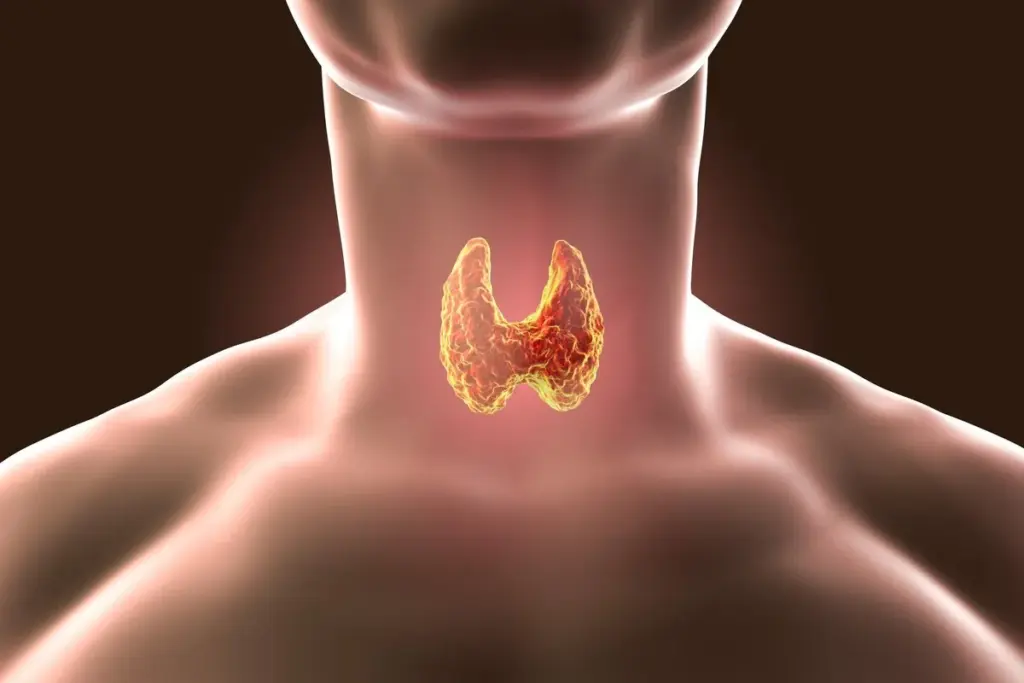
It’s important to know how thyroid disorders affect weight gain. Even a small hypothyroidism can mess with your metabolism. It can also change how your body looks and what you eat.
Thyroid hormones affect many cells in our body. They also impact our brain’s energy balance. We’ll look into how hypothyroidism affects weight, and the complex tie between thyroid health and body weight.
Even a small drop in thyroid hormones can greatly affect your metabolism and body shape. It can also change your eating habits. Knowing this is key to managing your weight well.
Key Takeaways
- Thyroid disorders can significantly impact weight management.
- Mild hypothyroidism can disrupt metabolism and body composition.
- Understanding the link between thyroid function and body weight is important.
- Dietary habits play a big role in managing weight with thyroid disorders.
- Effective weight management needs a complete approach.
The Thyroid Gland: Function and Importance
The thyroid gland is key to our metabolic health. It makes hormones that affect our body weight and energy use. This gland is vital for our endocrine system, helping control our metabolic rate, growth, and development.
What Does the Thyroid Gland Do?
The thyroid gland makes thyroid hormones, mainly triiodothyronine (T3) and thyroxine (T4). These hormones are essential for many body functions, like metabolism, heart rate, and body temperature. They also help in the production of other hormones that affect growth and development.
A study on the National Center for Biotechnology Information (NCBI) website shows thyroid hormones play a big role in lipid metabolism. This can lead to obesity or weight loss, depending on hormone balance.
How Thyroid Hormones Regulate Metabolism
Thyroid hormones control our metabolic rate. They affect how our bodies use energy, influencing our basal metabolic rate (BMR). More thyroid hormones mean a higher BMR, causing our bodies to burn more calories at rest. Less thyroid hormones can lower BMR, leading to weight gain.
Thyroid hormones regulate metabolism through complex pathways. They influence the metabolism of carbs, proteins, and fats. This affects how we produce and use energy.
The Impact of Thyroid on Body Weight
The thyroid gland greatly affects body weight. Thyroid hormones control lipid metabolism, impacting fat storage and burn. Hypothyroidism (underactive thyroid) can cause weight gain due to lower metabolic rate. Hyperthyroidism (overactive thyroid) can lead to weight loss with higher metabolic rate.
|
Condition |
Effect on Metabolism |
Impact on Body Weight |
|---|---|---|
|
Hypothyroidism |
Decreased metabolic rate |
Weight gain |
|
Hyperthyroidism |
Increased metabolic rate |
Weight loss |
Understanding the thyroid gland’s role in metabolism and weight is key. Recognizing thyroid hormones’ impact on our metabolic health helps manage weight and overall well-being.
Understanding Hypothyroidism: Causes and Prevalence

Hypothyroidism is when the thyroid doesn’t make enough hormones. It’s a common endocrine disorder. Knowing its types, causes, and how common it is is key to understanding its impact on life.
Primary vs. Secondary Hypothyroidism
Hypothyroidism is divided into primary and secondary types. Primary hypothyroidism happens when the thyroid gland doesn’t work right. This is the most common kind. Secondary hypothyroidism is when the brain’s parts that control the thyroid have problems.
Knowing the difference helps doctors find and treat the right cause. Primary hypothyroidism often comes from autoimmune diseases or surgery. Secondary hypothyroidism might be due to tumors, radiation, or other rare issues.
Common Causes of Thyroid Dysfunction
Many things can cause thyroid problems and hypothyroidism. Some common causes include:
- Autoimmune thyroiditis (Hashimoto’s thyroiditis)
- Thyroid surgery
- Radioactive iodine therapy
- Radiation exposure
- Certain medications
- Congenital hypothyroidism
These can slowly lower thyroid function, leading to hypothyroidism. It’s important to find and manage these causes to avoid serious problems.
Prevalence of Hypothyroidism in the United States
In the U.S., hypothyroidism is quite common. Studies show about 4.6% of the population has it. But, many cases might not be found.
|
Population Group |
Prevalence of Hypothyroidism |
|---|---|
|
General Population |
4.6% |
|
Women |
5.4% |
|
Men |
3.8% |
|
Elderly (65+ years) |
8-12% |
This table shows how common hypothyroidism is in different groups. Women and the elderly are more likely to have it.
The Metabolism-Thyroid Connection
The link between thyroid hormones and metabolism is key to understanding how hypothyroidism affects weight. Thyroid hormones control how our bodies use energy.
How Thyroid Hormones Affect Basal Metabolic Rate
Thyroid hormones are vital for our basal metabolic rate (BMR). BMR is the calories our body needs at rest. When thyroid hormones are right, BMR stays normal, keeping energy balanced. But, with hypothyroidism, lower thyroid hormones mean less BMR and less energy use.
A study in Frontiers in Endocrinology shows thyroid hormones greatly affect metabolism. They control our metabolic rate and how we spend energy.
The Science Behind Metabolic Slowdown
Hypothyroidism causes a metabolic slowdown in many ways. It lowers BMR and changes how we use energy sources. Thyroid hormones affect how we break down carbs, proteins, and fats. Without them, these processes change.
Replacing thyroid hormones is key to fixing metabolic issues, as clinical guidelines suggest. This shows the importance of treatment in managing metabolic changes in hypothyroidism.
Caloric Requirements With and Without a Thyroid
Calories needed differ a lot between people with normal thyroid function and those with hypothyroidism. Hypothyroidism lowers the metabolic rate, so fewer calories are needed. But, how many depends on how severe the hypothyroidism is and the person’s health.
For those without a thyroid, like after a thyroidectomy, watching calories is important for weight and metabolic health. “A diet tailored to the person’s metabolic needs and activity level is key for managing weight.”
Can You Gain Weight Without a Thyroid? The Scientific Evidence
Not having a thyroid gland can change how your body uses energy, leading to weight gain. It’s important to know why this happens to manage weight after thyroidectomy.
Weight Gain Mechanisms After Thyroidectomy
After thyroidectomy, your metabolism might slow down. The thyroid gland helps control how fast your body burns energy. Without it, you might burn fewer calories, causing weight gain.
One big reason for weight gain is a lower basal metabolic rate (BMR). BMR is how many calories your body needs when you’re not moving. With a lower BMR, you need fewer calories, making it easier to gain weight if you eat more.
Research on Weight Changes in Thyroidless Patients
Research has looked into how weight changes after thyroidectomy. It shows that many people gain weight, but how much varies a lot.
A study in the Journal of Clinical Endocrinology and Metabolism found that people gained about 2.5 kg (5.5 lbs) in the first year after surgery. This was because of a slower metabolism and eating more calories.
Distinguishing Between Fat Gain and Water Retention
It’s key to tell the difference between fat gain and water retention after thyroidectomy. Water retention, or edema, can happen due to thyroid hormone imbalance.
Fat gain, on the other hand, means you’re getting more body fat. You can manage this with diet and exercise. Knowing if you’re gaining fat or water helps in planning how to manage your weight.
In summary, weight gain after thyroidectomy comes from changes in metabolism, body composition, and possibly water retention. Understanding these factors helps people without a thyroid gland control their weight better.
Hypothyroidism and Body Composition Changes
Hypothyroidism affects our body in many ways, including muscle, fat, and fluid changes. It can alter our body’s composition, impacting our health and weight.
Muscle Mass vs. Fat Distribution
Hypothyroidism changes how muscle and fat are distributed in our bodies. Hypothyroidism can reduce muscle mass because our metabolism slows down. Fat also changes, often building up in unusual places.
Even if weight doesn’t change, hypothyroidism can alter body composition. A study on the National Center for Biotechnology Information website shows managing body changes is key.
Water Retention and Myxedema
Water retention is a big issue for those with hypothyroidism. Myxedema causes swelling and water buildup, a serious sign of hypothyroidism.
Dealing with water retention helps manage weight and appearance. Treating the thyroid hormone deficiency is essential.
Long-term Body Composition Changes
Ignoring hypothyroidism can lead to lasting body changes. Regular check-ups and treatment are vital. Synthetic thyroid hormones like levothyroxine help manage these changes.
Working with healthcare providers is key. They help adjust treatments to manage hypothyroidism’s effects on body composition.
Recognizing Hypothyroidism Symptoms Beyond Weight Gain
Hypothyroidism shows itself in many ways. Knowing its different symptoms is key for early diagnosis and treatment. While weight gain is common, there are other signs too. These include physical, mental, and emotional symptoms.
Physical Symptoms and Warning Signs
Hypothyroidism brings physical symptoms like fatigue, dry skin, and hair loss. It can make you feel cold even when it’s not that chilly. Other signs include:
- Muscle weakness and cramps
- Joint pain and stiffness
- Puffy face and eyes
- Thinning eyebrows
- Heavy or irregular menstrual periods
These symptoms can really affect your daily life. If they last, you should see a doctor.
Mental and Emotional Symptoms
Hypothyroidism also affects your mind and feelings. You might feel depression, anxiety, and mood swings. Some symptoms are:
- Difficulty concentrating and memory problems
- Increased irritability
- Feelings of sadness or hopelessness
- Loss of interest in activities once enjoyed
These symptoms can be as tough as the physical ones. They show why you need full care.
Severe Hypothyroidism and Myxedema Coma
In serious cases, hypothyroidism can cause myxedema coma. This is a dangerous condition with extreme tiredness, confusion, and cold. It’s a medical emergency.
Knowing all about hypothyroidism symptoms is important. From mild to severe, recognizing these signs helps manage and treat the condition. By acting early, you can live better and avoid serious problems.
Diagnosing Thyroid Issues: Tests and Procedures
Diagnosing thyroid issues requires several tests and procedures. These tools help doctors understand how the thyroid gland works. They are key for spotting hypothyroidism and other thyroid problems early on.
Understanding Thyroid Function Tests
Thyroid function tests are the main tools for checking thyroid health. The most common tests are:
- TSH (Thyroid-Stimulating Hormone) Test: This test checks TSH levels in the blood. It shows how well the thyroid is working.
- Free T4 (FT4) Test: It measures free thyroxine levels in the blood. This gives insight into hormone production by the thyroid.
- Free T3 (FT3) Test: This test looks at free triiodothyronine levels. It’s another hormone made by the thyroid gland.
These tests help doctors find out if you have hypothyroidism or other thyroid issues. They check the levels of thyroid hormones in your blood.
|
Test |
Normal Range |
Indications |
|---|---|---|
|
TSH |
0.4 – 4.0 mIU/L |
High levels may indicate hypothyroidism |
|
Free T4 |
0.8 – 1.8 ng/dL |
Low levels may indicate hypothyroidism |
|
Free T3 |
2.3 – 4.2 pg/mL |
Low levels may indicate hypothyroidism |
When to See a Doctor About Weight Gain
If you’re gaining weight without trying and feel tired, dry skin, or lose hair, see a doctor. They will check your health, do a physical exam, and might suggest thyroid tests. This is to see if thyroid problems are causing your symptoms.
Early diagnosis and treatment can greatly improve life for those with thyroid disorders.
Medical Treatment Options for Hypothyroidism
The main treatment for hypothyroidism is replacing the thyroid hormones the gland can’t make. This is done through thyroid hormone replacement therapy.
Synthetic Thyroid Hormones (Levothyroxine/Synthroid)
Synthetic thyroid hormones, like levothyroxine (also known as Synthroid), are often prescribed. Levothyroxine is a man-made version of T4. It turns into T3 in the body. Doctors adjust the dosage based on blood tests to keep hormone levels right.
Natural Desiccated Thyroid Medications
Natural desiccated thyroid (NDT) medications are another choice. They come from animal thyroid glands, usually pigs, and have both T4 and T3. Some people find NDT more effective, but it can be harder to dose right because of the hormone variation.
Finding the Right Dosage for Weight Stability
Finding the right amount of thyroid hormone medication is key for managing hypothyroidism. This includes keeping a stable weight. Doctors adjust the dosage based on tests and may need to try a few different amounts. They watch for changes in weight, energy, and overall health to see if the treatment is working.
To show how medication dosages are adjusted, here’s a table:
|
Medication Type |
Initial Dosage |
Adjustment Criteria |
Monitoring Parameters |
|---|---|---|---|
|
Levothyroxine (Synthroid) |
50-100 mcg/day |
TSH levels |
TSH, Free T4, symptoms |
|
Natural Desiccated Thyroid |
1 grain/day |
TSH, Free T4, Free T3 levels |
TSH, Free T4, Free T3, symptoms |
Managing Medication Side Effects
It’s important to manage side effects of thyroid hormone treatment. Common ones include hair loss, changes in appetite, and palpitations. Changing the dosage or switching medications can help. Regular check-ups with a doctor are key to handling side effects and making sure the treatment works well.
We work closely with patients to watch how they respond to treatment. We make changes as needed to keep thyroid hormone levels right and reduce side effects. Our goal is to improve the quality of life for those with hypothyroidism.
Diet Strategies for People With No Thyroid
What you eat is very important when you have hypothyroidism. Eating the right foods can help manage your symptoms and keep you healthy.
Nutrient Considerations for Hypothyroidism
People with hypothyroidism need to focus on certain nutrients. Iodine is key for thyroid health, but don’t eat too much of it. Selenium and zinc are also important for your thyroid.
Eating foods rich in these nutrients is a good idea. For example, Brazil nuts are full of selenium, and oysters are packed with zinc.
Foods to Embrace and Avoid
Some foods help your thyroid, while others can hurt it. It’s good to eat thyroid-friendly foods like:
- Fatty fish (salmon, tuna)
- Nuts and seeds (almonds, sunflower seeds)
- Whole grains (quinoa, brown rice)
But, some foods can mess with your thyroid or how well your medication works. These include:
- Too much soy
- Raw cruciferous veggies in big amounts
- Gluten (if you’re gluten intolerant)
Meal Timing and Portion Control
When you eat can affect how well your thyroid medication works. It’s best to take your meds on an empty stomach. Wait 30-60 minutes before eating.
Also, eating smaller meals can help with weight management. This can help keep your metabolism and energy steady.
Sample Meal Plan for Hypothyroidism
Here’s a meal plan that includes foods good for your thyroid:
|
Meal |
Food |
Nutrient Highlights |
|---|---|---|
|
Breakfast |
Oatmeal with almond butter and banana |
Complex carbs, healthy fats |
|
Lunch |
Grilled chicken with quinoa and steamed veggies |
Protein, whole grains, vitamins |
|
Snack |
Apple slices with almond butter |
Fiber, healthy fats |
|
Dinner |
Baked salmon with sweet potato and green beans |
Omega-3 fatty acids, complex carbs |
This meal plan aims to give you the nutrients your thyroid needs. You might need to change it based on your calorie needs and any dietary restrictions you have.
Exercise Recommendations for Hypothyroidism
For those with hypothyroidism, the right exercise can greatly improve health. It’s not just about staying fit. It helps manage symptoms like fatigue and weight gain too.
Best Types of Physical Activity
Choosing the right exercises is key when you have hypothyroidism. Aerobic exercises like walking, cycling, or swimming boost heart health and metabolism. Resistance training, such as weightlifting, helps build muscle, which is often lost.
Here are some top exercises for hypothyroidism:
- Brisk walking
- Jogging or running
- Cycling
- Swimming
- Yoga
- Weightlifting
Building an Exercise Routine That Works
Creating a good exercise plan means knowing your fitness level and setting achievable goals. Start slow and gradually increase workout intensity and time. Staying consistent is key to improving symptoms.
|
Exercise Type |
Frequency |
Duration |
|---|---|---|
|
Aerobic Exercise |
3-4 times a week |
30-45 minutes |
|
Resistance Training |
2-3 times a week |
20-30 minutes |
|
Flexibility Exercises (Yoga) |
2-3 times a week |
15-30 minutes |
Overcoming Fatigue and Low Energy
Fatigue is a big challenge for those with hypothyroidism. Yet, regular exercise can boost energy levels. It’s important to listen to your body and not push too hard, at least when starting.
To fight fatigue, try these tips:
- Start with short, manageable sessions
- Choose low-intensity exercises if you’re feeling fatigued
- Stay hydrated and maintain a balanced diet
- Gradually increase exercise intensity and duration
Exercise Intensity and Frequency Guidelines
Finding the right balance in exercise is vital for hypothyroidism patients. The American Thyroid Association recommends regular physical activity. But, it’s important to adjust intensity and frequency based on your health and fitness level.
Understanding the role of exercise in managing hypothyroidism is key. Tailoring a routine that fits your needs can greatly improve symptoms and quality of life.
Managing Subclinical Hypothyroidism and Weight
Subclinical hypothyroidism, or borderline thyroid function, makes weight management tough. It shows up when TSH levels are high but T4 and T3 are normal. This means the thyroid isn’t working quite right.
Understanding Borderline Thyroid Function
Borderline thyroid function can lead to weight gain, feeling tired, and dry skin. Doctors use blood tests to check TSH and thyroid hormones. Knowing how it affects weight is key to managing it well.
Treatment Approaches for Mild Cases
Treatment for subclinical hypothyroidism depends on symptoms, TSH levels, and health. Some might just watch and wait, checking TSH levels often. Others might need thyroid hormone replacement, depending on symptoms and TSH levels.
We’ll look closer at treatment options, like synthetic thyroid hormones.
|
Treatment Approach |
Description |
Considerations |
|---|---|---|
|
Watchful Waiting |
Regular monitoring of TSH levels without immediate treatment. |
Suitable for asymptomatic or mildly symptomatic patients. |
|
Thyroid Hormone Replacement |
Use of synthetic thyroid hormones to normalize thyroid function. |
Recommended for patients with significant symptoms or high TSH levels. |
Monitoring for Disease Progression
Seeing a healthcare provider regularly is vital for those with subclinical hypothyroidism. They check TSH levels and symptoms to see if the condition is getting worse. This helps decide if treatment needs to change.
Understanding treatment and the need for regular checks helps manage subclinical hypothyroidism. It also helps control its effect on weight.
The Psychological Impact of Weight Gain with Hypothyroidism
Living with hypothyroidism and weight gain can deeply affect your mind. It changes how your body works and your mental health. This impacts your overall happiness and well-being.
Coping with Body Image Changes
Weight gain from hypothyroidism can change how you see yourself. You might struggle to accept yourself and feel unhappy with how you look. It’s important to find ways to deal with these feelings.
Here are some ways to cope with body image changes:
- Focus on your health, not just how you look.
- Do things that make you feel good about yourself.
- Get support from family, friends, or groups.
Addressing Depression and Anxiety
Hypothyroidism and weight gain can lead to depression and anxiety. It’s key to know the signs and get help.
|
Symptoms |
Support Strategies |
|---|---|
|
Persistent sadness, loss of interest |
Counseling, therapy sessions |
|
Anxiety, restlessness |
Relaxation techniques, mindfulness |
|
Changes in appetite, sleep disturbances |
Dietary adjustments, sleep hygiene practices |
Building a Support System
A strong support system is key for dealing with the mental effects of weight gain with hypothyroidism. This includes family, friends, doctors, and support groups.
To build a support system, do the following:
- Talk openly with loved ones about what you need.
- Join groups for people with hypothyroidism.
- See your healthcare team regularly.
Understanding the mental effects of weight gain with hypothyroidism and finding ways to cope can help. This way, you can manage your condition better and improve your life quality.
Conclusion: Living Well Without a Thyroid
We’ve looked into how hypothyroidism affects weight management. It’s key to tackle symptoms and keep a healthy weight. With the right treatment and lifestyle changes, people with hypothyroidism can manage their condition well.
Managing hypothyroidism means using a mix of medical care, diet, exercise, and emotional support. Knowing how thyroid health impacts weight helps people take action. This can lead to a healthier weight and better overall health.
Managing weight with hypothyroidism requires synthetic thyroid hormones and a balanced diet. Regular exercise, suited to each person’s energy, is also important. This helps keep a healthy weight.
By taking a holistic approach to hypothyroidism, people can reduce symptoms and achieve a healthy weight. It’s vital to work with healthcare providers. They help create a treatment plan that meets each person’s unique needs.
FAQ
What is hypothyroidism, and how does it affect weight management?
Hypothyroidism is when the thyroid gland doesn’t make enough hormones. This can slow down your metabolism and lead to weight gain.
Can you gain weight without a thyroid gland?
Yes, you can gain weight without a thyroid gland. This is due to changes in metabolism, diet, and how active you are.
How do thyroid hormones regulate metabolism?
Thyroid hormones are key in controlling your body’s energy use. They affect how much energy you burn and how many calories you need.
What are the symptoms of hypothyroidism beyond weight gain?
Symptoms include physical signs, mental and emotional changes. In severe cases, it can lead to myxedema coma, a serious condition.
How is hypothyroidism diagnosed?
Doctors use a physical exam, medical history, and lab tests to diagnose hypothyroidism. These tests check your thyroid function.
What are the treatment options for hypothyroidism?
Treatment usually involves taking thyroid hormone replacement. This can be synthetic hormones like levothyroxine or natural desiccated thyroid.
How can diet help manage hypothyroidism and weight gain?
Eating right is important. Consider nutrients, meal times, and portion sizes to help manage hypothyroidism and weight.
What role does exercise play in managing hypothyroidism?
Exercise is vital for managing hypothyroidism. It helps improve symptoms and maintain weight loss. Choose the right exercises and intensity.
What is subclinical hypothyroidism, and how is it managed?
Subclinical hypothyroidism is mild thyroid dysfunction. It’s managed by watching for disease progression and choosing treatments.
How can weight gain associated with hypothyroidism affect mental health?
Weight gain from hypothyroidism can affect your mental health. It can lead to body image issues, depression, and anxiety. Finding ways to cope and getting support is important.
What is the importance of finding the right dosage for thyroid hormone replacement therapy?
The right dosage is key for managing hypothyroidism. It helps achieve weight stability and reduces side effects from medication.
Can hypothyroidism be managed without medication?
While medication is often needed, lifestyle changes can also help manage hypothyroidism. This includes diet and exercise.
References
National Center for Biotechnology Information. Evidence-Based Medical Insight. Retrieved from https://pmc.ncbi.nlm.nih.gov/articles/PMC11374351/[1

























