

Many women face a stubborn belly bulge after a hysterectomy. This surgery can change how our bodies look and feel. Hysterectomy belly exercises to reduce bulge safely. Learn effective core workouts and when to start exercising post-surgery.
The belly bulge is more than a cosmetic issue—it can cause discomfort and affect self-confidence.But, there are ways to tackle this problem. Targeted exercises and recovery plans can help women feel better and more confident.
Key Takeaways
- Targeted exercises can help reduce belly bulge after a hysterectomy.
- A guided recovery process is key for overall well-being.
- Incorporating post hysterectomy workout routines can enhance recovery.
- A complete approach is needed to tackle the belly bulge.
- Women can regain confidence and improve their health with the right strategies.
Understanding Post-Hysterectomy Body Changes

After a hysterectomy, healing is not just about the surgery. It’s also about adjusting to body changes and feeling better overall. We need to look at the physical, emotional, and anatomical sides of recovery.
Anatomical Changes After Surgery
A hysterectomy changes the body a lot. The uterus removal can shift other organs in the pelvic area. This can make some women feel empty or notice changes in their belly. The surgery also causes swelling and pain, making it hard to feel comfortable at first.
The body reacts to surgery in many ways. Knowing these changes helps manage what to expect and makes recovery easier.
Normal Timeline for Physical Recovery
Recovering from a hysterectomy takes time, usually weeks to months. The first few weeks are key, when rest and gentle activity are best for healing. As healing progresses, women can start doing more, but always listen to their doctor.
How fast someone recovers depends on many things like health, age, and surgery type. Most women get back to normal in 6 to 12 weeks.
Emotional Aspects of Body Changes
The emotional side of recovering from a hysterectomy is just as important. Women might feel many emotions, from happiness to sadness. It’s important to recognize these feelings and get support.
“The emotional recovery after a hysterectomy can be challenging, but with the right support and understanding, women can navigate this journey more effectively.”— Expert Opinion
Talking openly with doctors, family, and friends helps a lot. It gives emotional support and helps women deal with their new feelings.
Why Belly Bulge Occurs After Hysterectomy
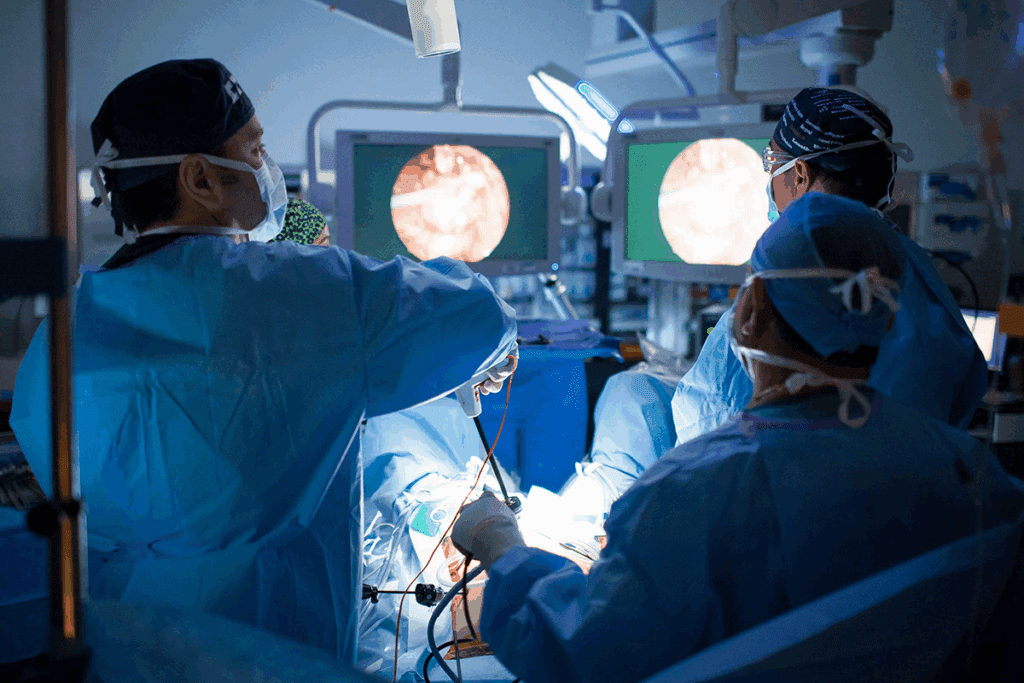
The belly bulge after a hysterectomy comes from swelling, muscle weakening, and hormonal changes. Women often see physical changes that lead to a bulge after surgery.
Swelling and Fluid Retention
Swelling and fluid retention are quick causes of belly bulge after hysterectomy. Surgery hurts the body, causing inflammation and fluid in the belly. This swelling can last for weeks as the body heals.
Weakened Abdominal Muscles
The muscles in your belly are key to keeping your body stable. During a hysterectomy, these muscles might get stretched or cut. This can make your belly muscles weak, causing a bulge.
Possible Diastasis Recti
Diastasis recti is when your belly muscles split. This can happen from the strain during surgery. Doing safe exercises post hysterectomy can help fix this.
Hormonal Influences on Fat Distribution
Hormonal changes after a hysterectomy can also affect where fat is stored. Some women might see more fat around their belly. Knowing how hormones work is key to fixing the bulge.
To deal with belly bulge after a hysterectomy, you need a full plan. This includes knowing why it happens, doing exercises like diastasis recti exercises after hysterectomy, and changing your lifestyle. By tackling these, women can lessen the bulge and feel better overall.
Setting Realistic Expectations for Recovery
Knowing what to expect after a hysterectomy can make a big difference. Everyone recovers differently. Understanding your own recovery can help you get through it better.
Timeline for Visible Improvements
Recovery times vary, but most women see big improvements in 6 to 12 weeks. It’s key to start with gentle exercises and progressive strengthening early on.
First, rest and let your body heal. Then, you can start strengthening exercises for hysterectomy patients to aid your recovery.
Individual Factors Affecting Recovery
Many things can affect your recovery, like your health, age, and any surgery complications. Always follow your doctor’s advice and adjust your plan as needed.
Your body heals in its own way. Being patient is important. Adding best workouts after hysterectomy to your routine can help you get stronger and feel better.
Before and After: What’s Normal
After a hysterectomy, you might feel many physical and emotional changes. Knowing what’s normal can boost your confidence during recovery.
If you’re worried about your belly bulge or other recovery issues, talk to your doctor. They can offer personalized advice and reassurance.
When to Start Exercising After Surgery
Knowing when to start moving again after a hysterectomy is key for a good recovery. The healing process has several stages, each with its own exercise rules.
Early Recovery Phase (0-6 weeks)
In the first six weeks, it’s important to do gentle exercises. These help keep blood flowing and avoid problems. Light stretching and short walks are good, but stay away from hard activities that might hurt your belly muscles.
Safe exercises during this time include:
- Deep breathing exercises
- Ankle rotations
- Gentle leg lifts
Intermediate Recovery (6-12 weeks)
As healing continues, you can start doing moderate exercises. This stage is important for building strength and stamina. You can begin with low-impact activities like swimming or cycling.
| Exercise | Intensity | Duration |
| Brisk walking | Moderate | 20-30 minutes |
| Swimming | Low | 15-20 minutes |
| Cycling | Low | 15-20 minutes |
Full Recovery Phase (3+ months)
After three months, you can usually go back to your usual workout routine. This includes intensive core strengthening exercises. Always listen to your body and don’t do too much too soon.
By knowing the different recovery stages and following a careful exercise plan, you can improve your healing. This helps avoid any extra problems.
Consulting Your Healthcare Provider
Your healthcare provider is key in helping you recover after a hysterectomy. They can answer your questions, manage any issues, and make sure you’re on the right path to getting better.
Important Questions to Ask
When you talk to your healthcare provider, ask the right questions. You might want to know about the recovery time, any possible problems, and when you can start exercising again. This includes pelvic floor exercises post hysterectomy and other best workouts for hysterectomy recovery.
- What are the expected recovery milestones?
- How can I manage pain effectively?
- Are there any specific exercises or activities I should avoid?
Red Flags During Recovery
Knowing the signs of trouble during recovery is important. Look out for severe pain, heavy bleeding, signs of infection, or trouble with urination. If you see any of these, contact your healthcare provider right away.
Getting Medical Clearance for Exercise
Before starting any new exercise, like hysterectomy belly exercises or pelvic floor rehabilitation, get your doctor’s okay. They will check how you’re doing and tell you when it’s safe to start exercising.
Gentle Breathing Exercises for Early Recovery
After a hysterectomy, gentle breathing exercises can really help. They help you relax and support your recovery.
Diaphragmatic Breathing Techniques
Diaphragmatic breathing, or belly breathing, uses the diaphragm muscle. Lie on your back with knees bent and feet flat. Place one hand on your belly and the other on your chest.
Take a deep breath in through your nose. Let your belly rise as your diaphragm goes down. Your chest should not move. Exhale slowly through your mouth, letting your belly fall as your diaphragm goes up.
Connection Between Breathing and Core Strength
Gentle breathing exercises are connected to core strength. The diaphragm works with the pelvic floor and transverse abdominis muscles. Doing diaphragmatic breathing helps your core, which is key for stability and recovery after a hysterectomy.
Daily Breathing Practice Routine
Creating a daily breathing routine can boost your recovery. Start with 5-10 minute sessions, then increase as you get better. Practice at the same time each day, like when you wake up or before bed.
| Day | Breathing Exercise Duration | Tips |
| 1-2 | 5 minutes | Focus on technique |
| 3-4 | 7 minutes | Increase duration gradually |
| 5 and beyond | 10 minutes | Maintain consistency |
Adding gentle breathing exercises to your daily routine can help your recovery. It improves core strength and boosts overall well-being after a hysterectomy.
Hysterectomy Belly Exercises: Safe Core Strengthening
Exercises that strengthen the core can help reduce belly bulge after a hysterectomy. It’s important to choose exercises that are safe and effective. We will look at some exercises that are good for post-hysterectomy recovery.
Transverse Abdominal Activation
The transverse abdominis muscle is deep and wraps around the spine and pelvis. It’s key for core stability. To work it, lie on your back with knees bent and feet flat.
- Take a deep breath in, letting your belly relax.
- As you exhale, pull your belly button towards your spine.
- Hold for a few seconds, then release.
Do this 10-15 times, making sure you’re using the right muscle.
Modified Planks and Bridges
Modified planks and bridges are great for strengthening the core without straining the muscles.
Modified Plank:
- Start on your hands and knees.
- Lower your forearms to the ground, keeping your elbows under your shoulders.
- Engage your core and hold for 30-60 seconds.
Bridges:
- Lie on your back with knees bent and feet flat.
- Lift your hips towards the ceiling, squeezing your glutes and lower back.
- Hold for a few seconds, then lower back down.
Do 10-15 repetitions.
Progressive Core Engagement
As you get more comfortable, it’s time to challenge your core more. You can do this by:
- Increasing plank time.
- Adding more bridge reps.
- Adding leg movements while keeping your core tight.
Sample 10-Minute Routine
Here’s a 10-minute routine to start with:
- Transverse Abdominal Activation: 2 sets of 10 reps (4 minutes).
- Modified Plank: Hold for 30-60 seconds, rest for 30 seconds, repeat for 3 sets (3-4 minutes).
- Bridges: 2 sets of 10 reps (2-3 minutes).
- Progressive Core Engagement: Add leg lifts or other variations as you progress.
| Exercise | Repetitions | Duration |
| Transverse Abdominal Activation | 10-15 | 2-3 minutes |
| Modified Plank | 3 sets | 30-60 seconds each |
| Bridges | 10-15 | 2-3 minutes |
Pelvic Floor Rehabilitation Exercises
Pelvic floor rehabilitation is key after a hysterectomy. It helps strengthen muscles, improve bladder control, and reduce prolapse risk. This boosts pelvic health.
Kegel Exercise Variations
Kegel exercises are essential for pelvic floor rehab. To do a Kegel, squeeze the muscles to stop urine flow, hold for five seconds, and then relax. Start with short holds and increase as your muscles get stronger.
Variations to try:
- Quick Kegels: Squeeze and release fast
- Long Kegels: Hold for 10 seconds or more
- Kegel pulses: Squeeze, release a bit, then squeeze again
Pelvic Tilts and Lifts
Pelvic tilts and lifts work the pelvic floor, lower back, and abs. Lie on your back with knees bent and feet flat. Tilt your pelvis up, squeezing your pelvic floor, and then relax.
Tips for effective pelvic tilts:
- Engage your core for lower back support
- Breathe naturally, avoiding breath holds
- Begin with small tilts and increase as you get more comfortable
Integrating Pelvic Floor with Core Work
Combining pelvic floor exercises with core strengthening boosts your rehab. The pelvic floor and core muscles support your posture and stability together.
| Exercise | Purpose | Repetitions |
| Modified Plank | Engages core and pelvic floor | 3 sets of 30-second holds |
| Bridge Pose | Activates glutes and pelvic floor | 3 sets of 10 repetitions |
| Pelvic Clock | Improves pelvic mobility and awareness | 3 sets of 5 repetitions in each direction |
Using Biofeedback Tools
Biofeedback tools are great for pelvic floor rehab. They show your muscle activity in real-time. This helps you focus on the right muscles, making your exercises better.
Adding these exercises and tools to your routine can greatly improve your pelvic floor strength and recovery after a hysterectomy.
Low-Impact Cardio Options for Recovery
After a hysterectomy, adding low-impact cardio to our routine can boost our health. These exercises are gentle on the body but help improve heart health. They’re perfect for the healing period after surgery.
Walking Programs
Walking is a simple yet powerful exercise. It’s easy to do, needs no special gear, and can be done anywhere. We can start with short walks and slowly increase the time and effort as we get stronger.
Tips for a walking program:
- Begin with short walks of 10-15 minutes
- Gradually increase the duration by 5-10 minutes each week
- Incorporate gentle inclines or stairs if available
- Maintain good posture and engage your core
Swimming and Water Exercises
Swimming and water exercises are great for recovery. Water’s buoyancy eases the pressure on joints and muscles. Swimming laps or doing water aerobics can give a full workout.
Benefits of water exercises:
- Reduces joint stress
- Provides resistance for muscle strengthening
- Improves cardiovascular fitness
- Enhances flexibility
Stationary Cycling
Stationary cycling is a low-impact exercise that fits well into our recovery plan. It lets us control how hard we work and for how long, making it good for all fitness levels.
Tips for stationary cycling:
- Start with low resistance
- Begin with short sessions (10-15 minutes) and gradually increase duration
- Maintain proper posture and engage your core
- Monitor your heart rate and adjust intensity
Elliptical Training
Elliptical training is a full-body workout with little impact on joints. It’s great for heart health and strengthening the lower body. Many ellipticals have adjustable settings and programs.
Benefits of elliptical training:
- Low-impact on joints
- Engages both upper and lower body
- Improves cardiovascular health
- Can be adjusted for different fitness levels
Yoga and Stretching for Post-Hysterectomy Recovery
Yoga and stretching can help you regain strength and flexibility after a hysterectomy. These practices support both physical and emotional healing.
Modified Yoga Poses
Some yoga poses can be changed to fit your recovery needs. For example, gentle twists and forward bends improve flexibility without straining the abdomen.
- Child’s Pose: A restorative pose that gently stretches the back and promotes relaxation.
- Cat-Cow Stretch: Helps maintain flexibility in the spine and can be done gently to avoid discomfort.
- Legs Up The Wall Pose: A calming inversion that can help reduce swelling and promote relaxation.
Gentle Stretching Routines
Start with gentle stretching to improve flexibility and reduce stiffness. Begin slowly and avoid any movements that cause pain.
- Begin with deep breathing exercises to relax the muscles.
- Gently stretch the arms overhead, then bring them down to your sides.
- Perform gentle pelvic tilts to engage the core without straining.
Props and Modifications
Using props and modifying poses can make yoga and stretching more accessible during recovery. Blocks, straps, and bolsters support your practice, helping you avoid discomfort.
| Prop | Usage |
| Blocks | Support hands or feet in poses where flexibility is limited. |
| Straps | Assist in achieving proper alignment in stretches. |
| Bolsters | Provide support under the back or legs for relaxation. |
15-Minute Daily Sequence
Here’s a simple 15-minute sequence you can follow daily:
- 5 minutes of deep breathing exercises.
- 5 minutes of gentle stretching focusing on the upper body and legs.
- 3 minutes of pelvic tilts and core engagement.
- 2 minutes of relaxation in a supported pose, such as Legs Up The Wall.
By adding yoga and stretching to your routine, you can improve your physical and emotional health. This helps make the healing process smoother and more comfortable.
Addressing Diastasis Recti After Hysterectomy
Many women don’t know that diastasis recti can happen after a hysterectomy. It’s when the abdominal muscles separate, causing a bulge and weakening the core. It’s important to understand and treat this condition for a full recovery.
Self-Assessment Techniques
To check if you have diastasis recti, try this simple test. Lie on your back with your knees bent and feet flat. Lift your head, using your abdominal muscles. Look for a bulge or gap between the muscles. If you see a big gap or feel a bulge, you might have diastasis recti.
Key steps for self-assessment:
- Lie on your back with knees bent
- Lift your head, engaging abdominal muscles
- Check for a bulge or gap between the muscles
Specialized Exercises for Healing
There are exercises that can help heal diastasis recti. These exercises strengthen the transverse abdominis muscle. This muscle is key in closing the gap between the abdominal muscles.
Sample exercises include:
- Transverse abdominis activation: Engage the deepest abdominal muscle by drawing the belly button towards the spine.
- Modified planks: Strengthen the core without putting excessive strain on the abdominal muscles.
- Pelvic tilts: Help engage the core and improve flexibility.
When to Seek Professional Help
If you think you have diastasis recti, see a healthcare professional or physical therapist. They can assess you and create a tailored exercise plan.
Signs that you need professional help:
- Significant separation of the abdominal muscles
- Persistent pain or discomfort
- Difficulty engaging the core muscles
Progress Tracking Methods
It’s important to track your progress. Use measurements, photos, and functional assessments to see how you’re doing.
Methods for tracking progress:
- Regular measurements of the abdominal separation
- Progress photos taken at consistent intervals
- Functional assessments, such as monitoring pain levels and core strength
Nutrition Tips to Reduce Bloating and Support Healing
Eating well can really help with bloating and healing after a hysterectomy. Good food helps manage swelling, aids in healing, and boosts recovery.
Anti-Inflammatory Foods
Adding anti-inflammatory foods to your diet can help with swelling and healing. These include:
- Fatty fish rich in omega-3 fatty acids, such as salmon and sardines
- Leafy greens like spinach and kale
- Nuts and seeds, like walnuts and chia seeds, which are high in antioxidants
- Whole grains, such as quinoa and brown rice
- Turmeric and ginger, known for their anti-inflammatory properties
Omega-3 fatty acids in fatty fish can reduce inflammation and aid healing. Adding these foods to your diet is beneficial.
Hydration and Fiber Balance
Drinking enough water and eating the right amount of fiber are key for digestion and less bloating. We recommend:
- Drinking at least 8-10 glasses of water per day
- Eating a mix of soluble and insoluble fiber from fruits, veggies, and whole grains
Proper hydration helps remove toxins and reduce water retention. Fiber helps keep bowel movements regular and prevents constipation.
Meal Planning for Recovery
Planning your meals ensures you get the nutrients you need for recovery. Consider:
- Eating smaller, more frequent meals to manage digestion
- Having a balance of protein, healthy fats, and complex carbs in each meal
- Avoiding processed foods and sugars
Preparing meals in advance makes healthy eating easier during recovery.
Foods to Limit or Avoid
Some foods can make bloating worse and slow healing. It’s best to limit or avoid:
- Carbonated drinks and foods that cause gas
- High-sodium foods that can cause water retention
- Processed and high-sugar foods
Making smart food choices can help your body recover and reduce discomfort.
The Role of Posture in Reducing Belly Appearance
Good posture is key to hiding belly bulge after a hysterectomy. Standing or sitting straight not only looks better but also works your core and supports your spine.
Proper Standing and Sitting Alignment
To stand right, keep your shoulders back, chest out, and balance on both feet. When sitting, feet should be flat, knees at or below hips, and back straight.
- Keep your shoulders relaxed and down
- Engage your core muscles to support your lower back
- Avoid slouching or leaning forward
Core Engagement Throughout the Day
Strengthening your core all day helps your belly muscles and posture. Just pulling your belly button towards your spine can help a lot.
Tips for core engagement:
- Practice deep breathing exercises to engage your diaphragm
- Perform gentle core contractions while performing daily tasks
- Use a posture reminder to stand or sit up straight
Posture-Supporting Exercises
Exercises that strengthen your back and core improve your posture. Some good ones are:
- Pelvic tilts
- Cat-cow stretches
- Modified planks
By using good posture and best workouts for hysterectomy recovery, you can look and feel better.
Common Mistakes to Avoid During Recovery
Recovering from a hysterectomy is a big deal. It needs careful thought to heal well. Knowing common mistakes helps women recover better and faster.
Returning to Exercise Too Soon
One big mistake is exercising too soon. Going back to exercise too fast can cause problems like infections and muscle strain. Always wait for a doctor’s okay, usually after 6-8 weeks.
Performing High-Impact Activities
Doing high-impact activities too early is bad. High-impact exercises like running can hurt your body. Start with easy activities like walking or swimming.
Ignoring Pain Signals
Pain tells us how our body is doing. Ignoring pain can cause more harm. Always listen to your body and tell your doctor about any pain.
Focusing Only on Abdominal Exercises
Core strength is key, but don’t just do abs. A good mix of exercises is better. Include stretching, pelvic floor exercises, and low-impact cardio. This helps your whole body heal and avoids problems like diastasis recti.
By avoiding these mistakes, women can recover safely and effectively after a hysterectomy. Safe exercises like gentle yoga and breathing help with healing. They also improve your overall health.
- Wait for medical clearance before resuming exercise.
- Start with low-impact activities.
- Listen to your body and report pain.
- Maintain a balanced exercise routine.
Recovery is a journey that needs our focus on health. Let’s make sure we take care of our bodies and give them the time to heal.
Creating a Progressive Exercise Plan
Creating a progressive exercise plan is key to a smooth recovery. A well-structured post hysterectomy workout plan can greatly help you regain strength and confidence. It’s a big step towards feeling better.
As you move through recovery stages, your exercise routine needs to change. You should slowly increase the intensity and complexity. This ensures you’re pushing yourself without risking your safety.
Week-by-Week Exercise Progression
Your exercise plan should match your recovery pace. Here’s a basic guide for strengthening exercises for hysterectomy patients over time:
- Weeks 1-4: Start with gentle breathing and pelvic floor exercises.
- Weeks 5-8: Add low-impact cardio and core strengthening.
- Weeks 9-12: Increase the intensity and duration of your workouts.
Tracking Your Recovery Journey
It’s important to track your progress. Use a journal or app to log your:
- Exercise routine and progress
- Pain levels and any discomfort
- Energy levels and overall well-being
This helps you see patterns and make needed changes to your plan.
Adjusting Based on Your Body’s Response
Always listen to your body and adjust your plan if needed. If you feel pain or discomfort, stop and talk to your doctor.
Here’s how to adjust your plan based on your body’s response:
| Symptom | Adjustment |
| Pain or discomfort | Stop exercise, consult healthcare provider |
| Fatigue | Reduce exercise intensity or duration |
| Progressing well | Gradually increase exercise intensity or duration |
Sample 12-Week Program
Here’s a 12-week exercise program to guide you:
| Week | Exercise Routine | Duration |
| 1-4 | Gentle breathing, pelvic floor rehabilitation | 10-15 minutes |
| 5-8 | Low-impact cardio, core strengthening | 20-30 minutes |
| 9-12 | Progressive cardio, strength training | 30-45 minutes |
By following a progressive exercise plan and listening to your body, you can ensure a safe and effective recovery after a hysterectomy. Always check with your healthcare provider before starting any new exercise routine.
Conclusion: Embracing Your Post-Hysterectomy Body
Understanding and addressing the belly bulge after a hysterectomy is a journey. It takes patience, self-care, and the right guidance. By adding hysterectomy belly exercises and core strengthening for hysterectomy recovery to your routine, you can boost your health and happiness.
We’ve looked at many ways to help you regain your core strength and reduce belly bulge. From gentle breathing to pelvic floor exercises, and from low-impact cardio to core engagement, there’s a lot to help you. Remember, everyone’s journey is different. Always talk to your healthcare provider to find what works best for you.
By focusing on balanced nutrition, posture, and exercise, you can improve your recovery and health. We suggest you keep doing safe and effective exercises to keep your core strong. Embracing your post-hysterectomy body is about caring for your health and celebrating your strength.
FAQ
What are the most effective exercises for reducing belly bulge after a hysterectomy?
Gentle breathing exercises and transverse abdominal activation are good. Modified planks and pelvic floor exercises also help. Start with low-impact exercises and then move to more intense ones.
How long does it take to recover from a hysterectomy and see improvements in belly appearance?
Recovery time varies, but most see belly improvements in 3-6 months. Health, age, and following instructions affect recovery.
Can diastasis recti occur after a hysterectomy, and how can it be addressed?
Yes, diastasis recti can happen after a hysterectomy. Exercises like transverse abdominal activation and modified planks can help. Always get guidance from a healthcare provider or physical therapist.
What are the benefits of pelvic floor rehabilitation exercises after a hysterectomy?
These exercises strengthen the pelvic floor muscles. They improve bladder control and reduce prolapse risk. They also boost core strength and stability.
Are there any specific nutrition tips that can help reduce bloating and support healing after a hysterectomy?
Yes, eat anti-inflammatory foods and stay hydrated. Avoid foods that cause bloating. A balanced diet supports recovery and well-being.
How can I create a progressive exercise plan after a hysterectomy?
Start with gentle exercises and gradually increase intensity and duration. Track your progress and adjust as needed. Get advice from a healthcare provider or fitness expert.
What are some common mistakes to avoid during post-hysterectomy recovery?
Avoid rushing back to exercise too soon and ignoring pain. Don’t focus only on abdominal exercises. A balanced approach is key.
Can yoga and stretching help with post-hysterectomy recovery?
Yes, yoga and stretching improve flexibility and relaxation. Modified poses and gentle routines are helpful. Always get guidance from a healthcare provider or yoga instructor.
How can I maintain good posture to reduce belly appearance after a hysterectomy?
Keep proper alignment when standing and sitting. Engage your core and do exercises that support good posture. Good posture boosts confidence and well-being.
When should I consult my healthcare provider about my post-hysterectomy recovery?
See your healthcare provider for unusual symptoms like severe pain or heavy bleeding. Also, before starting new exercises or if you have recovery concerns.
Reference:
Nygaard et al., Activity Restrictions after Gynecologic Surgery, PMC 2013
Discusses activity limitations and rehabilitation after hysterectomy procedures with focus on abdominal muscle recovery, https://pmc.ncbi.nlm.nih.gov/articles/PMC3774134