
Having a robotic hysterectomy can feel scary, but being ready helps a lot. She had robotic surgery for ovarian cancer and felt more confident because of it.
We know patients want to know what to expect and how to get ready. This article will guide you through the steps to prepare for a hysterectomy. We’ll stress how important it is to be informed and ready.
Key Takeaways
- Understand the robotic hysterectomy procedure and its benefits
- Learn how to prepare physically and emotionally for the surgery
- Discover the importance of post-operative care and recovery
- Find out what to expect during the hospital stay
- Get insights into the role of the healthcare team in your care
Understanding Robotic Hysterectomy
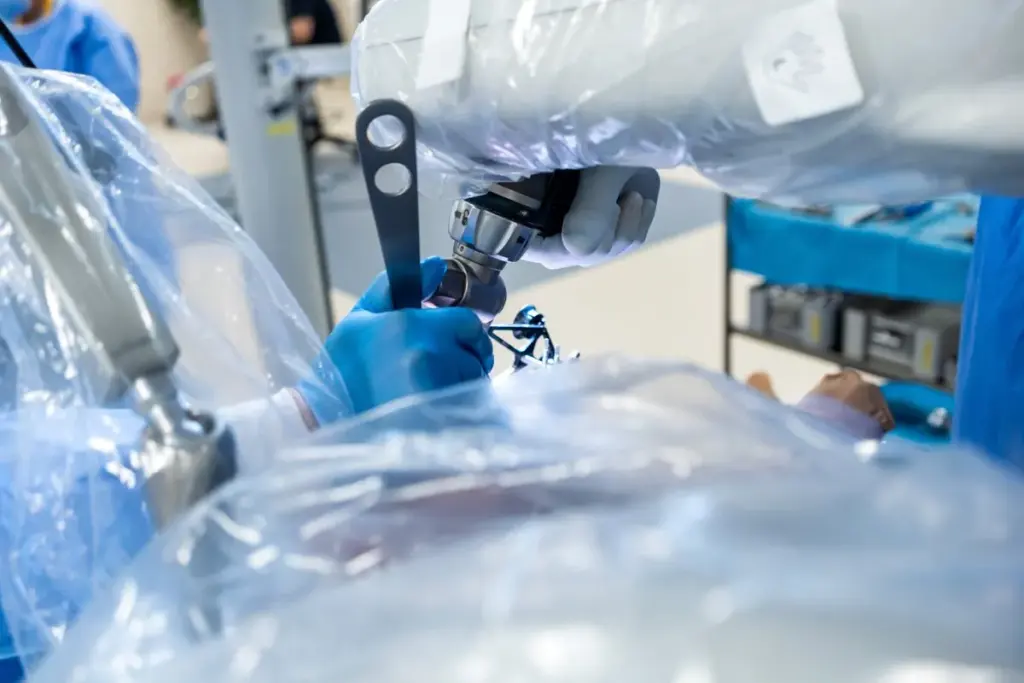
Robotic hysterectomy is a big step forward in surgery. It uses a robotic system to remove the uterus. This method offers many benefits over old surgical ways.
What is a Robotic Hysterectomy?
A robotic hysterectomy is a surgery that uses a robotic system to take out the uterus. It’s a minimally invasive procedure. The surgeon makes small cuts and uses robotic arms for the surgery.
The robotic system allows the surgeon to visualize the operating area clearly. This high-definition 3D visualization helps the surgeon work more precisely.
How Robotic Surgery Differs from Traditional Methods
Robotic surgery is different from old open surgery and some laparoscopic surgeries. It offers enhanced precision, flexibility, and can do complex tasks through small cuts.
- Smaller cuts mean less damage and trauma
- Less blood loss and fewer transfusions needed
- Less pain and discomfort after surgery
- Shorter hospital stays and quicker recovery
These benefits make robotic hysterectomy a good choice for many patients.
The da Vinci Surgical System
The da Vinci Surgical System is a top choice for hysterectomy. It’s known for its high-definition 3D visualization and precise instrumentation. This makes complex surgeries easier for surgeons.
“The da Vinci System has revolutionized the field of minimally invasive surgery, allowing surgeons to perform complex procedures with enhanced precision and control.”
Expert Opinion
Using the da Vinci System in robotic hysterectomy brings many benefits. These include shorter recovery times, less scarring, and fewer complications. As technology gets better, we can look forward to even more improvements in robotic surgery.
Types of Hysterectomy Procedure

There are many types of hysterectomy procedures. Each has its own benefits and things to consider. The right choice depends on the patient’s health, condition, and what they prefer.
Total vs. Partial Hysterectomy
A total hysterectomy removes the whole uterus, including the cervix. It’s often chosen for uterine cancer or severe prolapse. A partial or subtotal hysterectomy takes out the top part of the uterus but keeps the cervix. The choice between these depends on the patient’s health and the surgeon’s advice.
Comparing Robotic, Laparoscopic, and Open Approaches
Hysterectomy can be done in three ways: robotic, laparoscopic, and open. Robotic hysterectomy uses a robotic system for better precision and control. Laparoscopic hysterectomy makes small cuts for instruments and a camera. Open hysterectomy needs a bigger cut in the belly. The choice depends on the patient’s needs, the surgery’s complexity, and the surgeon’s skill.
Vaginal Hysterectomy Options
Vaginal hysterectomy removes the uterus through the vagina. It’s less invasive and can lead to faster recovery. It’s good for some patients and can be done with or without laparoscopic help.
Knowing about the different hysterectomy procedures helps patients make better choices. It’s key to talk to a healthcare provider to find the best option for you.
Benefits of Choosing Robotic Hysterectomy
Robotic hysterectomy uses advanced technology, making it better than old surgical methods. We’ll look at the good points of this procedure. It’s why many patients choose it.
Precision and Control
Robotic hysterectomy is known for its precision and control. The da Vinci Surgical System lets surgeons do complex tasks with better skill and accuracy. This lowers the chance of problems.
Reduced Recovery Time
Patients usually stay in the hospital for shorter periods and heal faster with robotic hysterectomy. This is because it’s less invasive, causing less damage and trauma.
Minimized Scarring
The robotic method uses smaller cuts. This means less chance of infection and less scarring. It’s good news for those worried about how they’ll look after surgery.
Lower Risk of Complications
Research shows robotic hysterectomy has fewer complications than open surgery. It leads to less infection, blood loss, and adhesions.
|
Aspect |
Robotic Hysterectomy |
Open Surgery |
Laparoscopic Surgery |
|---|---|---|---|
|
Recovery Time |
Shorter |
Longer |
Variable |
|
Scarring |
Minimal |
Significant |
Moderate |
|
Risk of Complications |
Lower |
Higher |
Variable |
|
Precision and Control |
High |
Moderate |
Moderate |
In summary, robotic hysterectomy has many benefits. It offers better precision, quicker recovery, less scarring, and fewer complications. These reasons make it a great choice for those needing a hysterectomy.
Who Is a Good Candidate for Robotic Hysterectomy?
Several medical conditions and health considerations determine whether robotic hysterectomy is the right choice for a patient. We evaluate these factors to ensure the best possible outcome for our patients.
Medical Conditions That May Require Hysterectomy
Robotic hysterectomy is often recommended for patients diagnosed with certain medical conditions. These include uterine fibroids, endometriosis, or uterine prolapse. These conditions can cause significant discomfort and health issues, and surgically removing the uterus can provide relief.
Uterine fibroids, for instance, are non-cancerous growths that can lead to heavy bleeding, pain, and other complications. In cases where these symptoms are severe, robotic hysterectomy can be an effective treatment option.
Factors That Make You Suitable for Robotic Approach
When determining if a patient is a good candidate for robotic hysterectomy, we consider several factors. These include overall health, medical history, and the severity of the condition. Patients with a history of pelvic surgery or those with a high BMI may also be candidates, but this requires careful evaluation.
- Overall health and medical history
- Severity of the condition requiring hysterectomy
- Previous pelvic surgeries or other abdominal operations
When Other Approaches Might Be Preferred
While robotic hysterectomy offers many benefits, there are situations where other approaches might be more suitable. For example, patients with certain complex medical conditions or those requiring additional surgical procedures might be better suited for a different type of hysterectomy. This could include an open or laparoscopic approach.
We carefully assess each patient’s unique situation to recommend the most appropriate hysterectomy procedure. Our goal is to ensure that every patient receives the best possible care tailored to their specific needs.
Initial Consultation and Decision Making
Getting a diagnosis and looking at treatment options starts with a first meeting. This important step lets you talk about your condition, the treatment plan, and any worries with your surgeon.
Questions to Ask Your Surgeon
Writing down questions for your surgeon is key. It makes sure you talk about everything important. Ask about the robotic hysterectomy, risks, and what recovery will be like.
- What are the benefits of choosing a robotic hysterectomy over other surgical approaches?
- How many robotic hysterectomies have you performed, and what are your complication rates?
- What are the expected outcomes, and how will my recovery be managed?
Understanding Your Diagnosis
It’s vital to know your diagnosis well. Your surgeon can give you all the details about your condition. They’ll explain why a hysterectomy is needed.
Exploring Alternative Treatments
There might be other treatments to try. Talking about these with your surgeon can help decide if a hysterectomy is right for you.
Other treatments could be:
- Hormonal therapies
- Minimally invasive procedures
- Lifestyle changes
Making an Informed Decision
Choosing your care means listening to your surgeon, knowing your diagnosis, and weighing the treatment’s pros and cons.
|
Factor |
Robotic Hysterectomy |
Traditional Open Hysterectomy |
|---|---|---|
|
Recovery Time |
Typically shorter |
Often longer |
|
Scarring |
Minimal scarring |
More significant scarring |
|
Risk of Complications |
Generally lower |
May be higher |
Medical Preparation for Hysterectomy
Learning about the medical steps for a hysterectomy can make you feel more ready. It helps reduce anxiety and improves your surgery’s success. You’ll be more confident as you go through the necessary steps.
Required Medical Tests and Evaluations
Before your robotic hysterectomy, you’ll have to do some medical tests. These tests check if you’re a good candidate for the surgery. You might have:
- Blood tests to check your blood count and other important factors.
- Imaging tests like ultrasound or MRI to see your uterus and tissues clearly.
- Electrocardiogram (ECG) to check your heart, if you have heart issues.
- Other evaluations based on your health history.
Medication Adjustments
Tell your doctor about all the medicines you’re taking. Some might need to be changed or stopped before surgery. For example:
- Blood thinners might be stopped to avoid bleeding.
- Diabetes medications could be adjusted for your diet and surgery timing.
- Hormone therapies might be paused or changed by your surgeon.
Dietary Guidelines
Following certain diet rules before surgery can help. We suggest:
- Drink plenty of water to stay hydrated.
- Eat a balanced diet to keep your health up.
- Avoid certain foods that could affect your surgery or recovery, as your doctor advises.
Physical Preparation
Getting physically ready is key for a good surgery and recovery. Think about:
- Doing gentle exercises as your doctor suggests to improve your health.
- Quitting smoking to help your recovery.
- Keeping a healthy weight to lower surgery risks.
By following these medical prep steps, you’ll be ready for your robotic hysterectomy. You’ll have the best chance for a good outcome.
Insurance and Financial Preparation
When you’re getting ready for a robotic hysterectomy, think about the money side. Knowing how your insurance works is key.
Understanding Your Insurance Coverage
Most insurance plans cover hysterectomies, but how much they cover varies. It’s a good idea to check your policy closely.
Key aspects to review include:
- Deductibles and co-payments
- Out-of-pocket maximums
- Network providers
- Pre-authorization requirements
Estimating Out-of-Pocket Costs
Out-of-pocket costs include deductibles, co-payments, and uncovered services. Knowing these costs ahead of time helps with budgeting.
Factors influencing out-of-pocket costs:
- The specific insurance plan
- The surgeon’s fees
- Hospital charges
- Any additional services required
Working with Hospital Financial Services
Hospital financial services can guide you through the financial side of your care. They can give cost estimates and talk about payment plans.
Benefits of working with hospital financial services include:
- Personalized cost estimates
- Assistance with insurance claims
- Information on financial assistance programs
Medical Leave and Disability Benefits
If your job has disability benefits or FMLA leave, knowing about them is important. They can help with your recovery time.
Considerations for medical leave and disability benefits:
- Eligibility criteria
- Duration of leave or benefits
- Documentation required from your healthcare provider
Practical Preparation for Your Surgery
Getting ready for a robotic hysterectomy is more than just medical prep. It’s about taking practical steps for a smooth recovery.
Planning for Hospital Stay
Think about how long you’ll need to stay in the hospital. Usually, a robotic hysterectomy means a short stay, maybe one or two nights. Pack a bag with comfy clothes, toiletries, and personal items for comfort. Remember to include your medications and contact info for your doctors.
Setting Up Your Home for Recovery
Before surgery, make your home recovery-friendly. This means:
- Freezing meals for later
- Getting help with chores and errands
- Setting up a cozy recovery area
- Making sure your home is safe
Arranging for Help and Support
Having support is key during recovery. This includes:
- Family or friends to stay or visit
- Professional caregivers if needed
- Friends and family for grocery shopping
Work and Family Obligations
Managing work and family is part of your prep. Think about:
|
Task |
Action |
Timeline |
|---|---|---|
|
Notify your employer |
Tell them about your surgery and recovery time |
At least 2 weeks before |
|
Arrange for childcare or pet care |
Plan for their care during your recovery |
1-2 weeks before |
|
Prepare a plan for household responsibilities |
Ask family or friends to help |
1 week before |
By following these steps, you can make your recovery smoother and less stressful.
The Day Before Robotic Hysterectomy
The day before your robotic hysterectomy is key for getting ready and relaxing. We know you might feel excited and a bit worried. So, we’re here to help you get ready for a smooth surgery.
Final Preparations
On the day before, finish any last-minute tasks. This includes:
- Confirming your hospital arrival time and understanding the pre-operative process.
- Reviewing the instructions provided by your healthcare team, including any specific dietary restrictions or requirements.
- Ensuring you have all necessary documents and items packed for your hospital stay.
Fasting Requirements
Fasting is important for your surgery. You’ll likely need to stop eating and drinking after midnight. It’s vital to follow your surgeon’s fasting instructions for your safety.
|
Fasting Timeline |
Instructions |
|---|---|
|
After Midnight |
No eating or drinking |
|
Clear Liquids |
Allowed up to a certain time (varies by surgeon) |
What to Pack for the Hospital
Bringing the right things to the hospital can make your stay more comfortable. Pack:
- Comfortable clothing, including a robe and slippers.
- Personal care items, such as toiletries and any necessary medications.
- Entertainment, like books or a tablet, to help pass the time.
- Snacks or comfort foods for after your surgery, as allowed by your dietary restrictions.
Mental Preparation
Mental preparation is as important as physical. Try relaxation techniques like deep breathing or meditation. It’s normal to feel a mix of emotions. Focus on the positive and the support you have.
By following these tips, you’ll be ready for your robotic hysterectomy. If you have questions or concerns, talk to your healthcare team.
What to Expect During the Procedure
On the day of your surgery, you’ll go through several steps to get ready. Knowing what to expect can help you feel less anxious. It makes the whole experience easier to handle.
Arrival and Pre-Op Procedures
When you arrive at the hospital, our staff will help you with the admission process. Then, you’ll go to a pre-operative area. Here, you’ll change into a hospital gown, get an IV line, and do any final preparations as told by your surgical team.
Anesthesia Process
Before the surgery starts, you’ll get anesthesia to keep you comfortable. Our anesthesiologist will talk about the anesthesia and explain it all to you. They’ll answer any questions you might have.
Step-by-Step Surgical Process
The surgical process has several important steps. Our skilled surgeons will use the da Vinci Surgical System to do the hysterectomy. They make a few small cuts in your abdomen for the robotic tools. Then, they do the surgery with great precision, using a 3D visual system.
|
Step |
Description |
|---|---|
|
1. Preparation |
Patient is prepped and anesthesia is administered. |
|
2. Incision |
Small incisions are made for robotic instrument insertion. |
|
3. Surgery |
Surgeon performs the hysterectomy using the da Vinci system. |
|
4. Closure |
Incisions are closed, and the patient is taken to recovery. |
Immediate Post-Op Care
After the surgery, you’ll go to the recovery room. Our team will watch over you closely. You might feel some pain, but we’ll help manage it. Once you’re okay, you’ll move to a hospital room to keep recovering.
We’re dedicated to giving you the best care during your robotic hysterectomy. We want your experience to be smooth and successful.
Recovery After Robotic Hysterectomy
Knowing what to expect during recovery can make it easier for patients after a robotic hysterectomy. The journey to full recovery includes several stages. These range from the initial hospital stay to the healing process at home.
Hospital Recovery Timeline
The hospital stay after a robotic hysterectomy is usually shorter than traditional surgery. Most patients go home in 1 to 2 days. Medical staff watch your vital signs, pain, and overall health closely. Effective pain management is key to comfort and a smooth recovery.
Important aspects of hospital recovery include:
- Monitoring for any signs of complications
- Managing pain through medication
- Encouraging mobility to prevent blood clots
- Providing guidance on post-operative care
First Week at Home
The first week at home is vital for recovery. Patients should:
- Rest well and avoid hard activities
- Eat a balanced diet to aid healing
- Drink lots of water
- Watch the surgical site for infection signs
Having a support system is important. This can be family, friends, or a caregiver. They help with daily tasks and offer emotional support.
Weeks 2-6 Recovery Milestones
In weeks 2-6, patients can expect to:
- Slowly increase physical activity
- Feel less pain and discomfort
- Start doing most normal activities, with some limits
Follow-up appointments with your healthcare provider are key. They help monitor healing and address any issues.
Long-term Recovery Expectations
Full recovery from a robotic hysterectomy can take weeks to months. Patients should know the following long-term expectations:
- Internal tissues may heal in 6-8 weeks
- Most women can get back to normal in 4-6 weeks
- Some may need time to adjust to body changes
By understanding the recovery process and following healthcare advice, patients can get the best results after a robotic hysterectomy.
Life After Hysterectomy
Having a hysterectomy starts a new chapter in a woman’s life. It brings both challenges and healing opportunities. Understanding the changes is key for a smooth transition.
Managing Hormonal Changes
Managing hormonal changes is a big part of life after hysterectomy. Women who haven’t reached menopause may experience immediate menopause. This can lead to symptoms like hot flashes, mood swings, and changes in libido.
Talking to your healthcare provider about hormone replacement therapy (HRT) is a good idea. HRT can help manage these symptoms and improve your quality of life.
|
Symptom |
Management Strategy |
|---|---|
|
Hot Flashes |
Hormone Replacement Therapy, Lifestyle Changes |
|
Mood Swings |
Counseling, Stress Management Techniques |
|
Changes in Libido |
Counseling, Hormonal Treatments |
Physical Activity Guidelines
Starting physical activity after a hysterectomy is important for recovery and health. Begin with gentle exercises like walking or pelvic tilts.
As you get better, you can do more intense activities. Always listen to your body and avoid heavy lifting or bending.
- Start with short walks and gradually increase the distance.
- Avoid strenuous activities for at least 6 weeks.
- Practice pelvic floor exercises to strengthen your core.
Sexual Health Considerations
Sexual health is important after a hysterectomy. The surgery might affect your sex life, but many women start again in 6-8 weeks.
Talk to your healthcare provider about any sexual concerns. They can offer support and guidance.
Emotional Well-being
Emotional well-being is as important as physical health after a hysterectomy. You might feel a range of emotions, from relief to grief.
Seeking support from loved ones, support groups, or counseling is helpful. Prioritize your emotional health during this time.
Key Considerations for Emotional Well-being:
- Connect with support groups or online forums.
- Practice stress-reducing techniques such as meditation or yoga.
- Maintain open communication with your healthcare provider.
Conclusion
Robotic hysterectomy is a big surgery that needs careful planning and understanding. Knowing about the hysterectomy recovery timeline helps you heal better.
Learning about your care, from the first visit to getting better after surgery, helps you make smart health choices. We talked about how robotic hysterectomy can help you heal faster and have less scarring. We also stressed the need for medical and practical preparation.
By following the advice in this article, you can make your hysterectomy recovery timeline better. Our aim is to give you all the support and guidance you need. We want to make sure you get the best care possible.
FAQ
What is a robotic hysterectomy?
A robotic hysterectomy is a surgery to remove the uterus. It uses a robotic system called the da Vinci Surgical System. This system helps the surgeon be very precise and in control.
What are the benefits of robotic hysterectomy?
Robotic hysterectomy has many benefits. It means less time to recover, smaller scars, and fewer complications. It also offers precise control during surgery.
How does robotic hysterectomy differ from traditional methods?
Robotic hysterectomy is different because it’s less invasive. It uses a robotic system to do the surgery. This results in less damage to tissues.
What are the different types of hysterectomy procedures?
There are several types of hysterectomy procedures. These include total, partial, robotic, laparoscopic, and vaginal hysterectomy.
How long does it take to recover from a robotic hysterectomy?
Recovery time for robotic hysterectomy varies. Most people can get back to normal activities in 2-6 weeks.
What are the risks and complications associated with hysterectomy?
Hysterectomy can have risks and complications. These include infection, bleeding, adhesions, and injury to nearby organs.
How do I prepare for a robotic hysterectomy?
To prepare for robotic hysterectomy, follow your doctor’s instructions. You’ll need to undergo medical tests and adjust your medications. Also, follow dietary guidelines.
What can I expect during the procedure?
During the procedure, you’ll receive anesthesia. The surgeon will use the da Vinci Surgical System. You’ll be closely monitored.
How will I feel after the surgery?
After surgery, you might feel discomfort, pain, and fatigue. These symptoms can be managed with medication and rest.
What are the hormonal changes after hysterectomy?
After hysterectomy, hormonal changes can occur. This includes hot flashes and mood swings, if the ovaries are removed. Hormone replacement therapy may be suggested.
Can I stil have a normal sex life after hysterectomy?
Yes, many women can have a normal sex life after hysterectomy. It may take time to recover and adjust.
How do I manage my emotional well-being after hysterectomy?
To manage your emotional well-being, seek support from family, friends, or a therapist. Prioritize self-care and stress management.
What are the insurance and financial considerations for hysterectomy?
Insurance coverage and costs for hysterectomy vary. It’s important to understand your coverage and plan financially.
How do I plan for my hospital stay and recovery?
To plan for your hospital stay and recovery, arrange for someone to drive you home. Prepare your home for recovery. Also, plan for help with daily tasks and childcare.