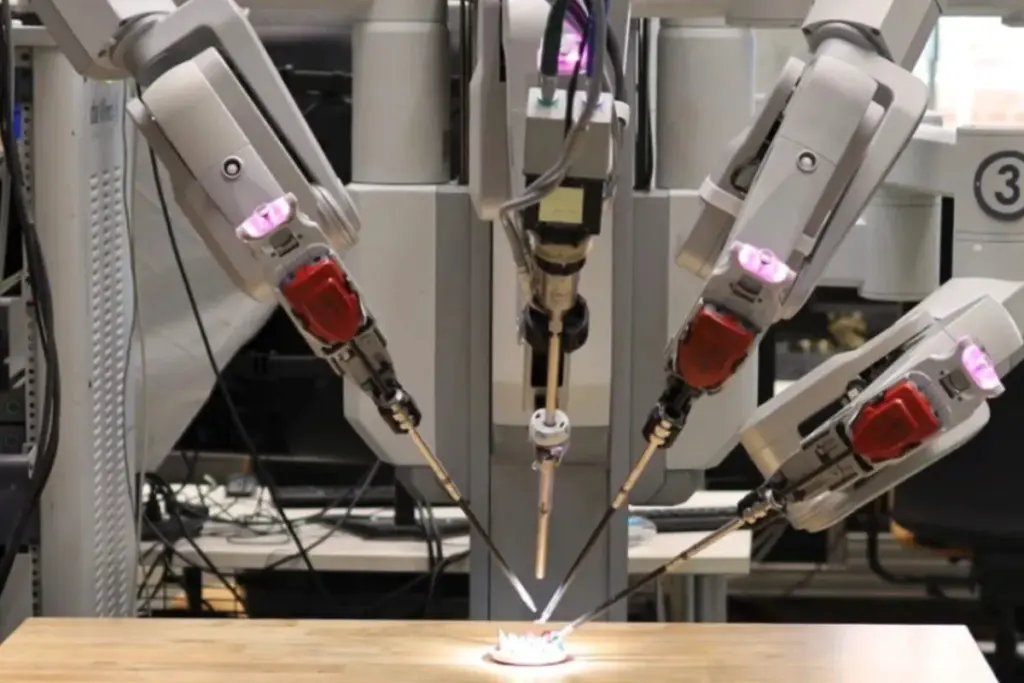
Robotic-assisted hysterectomy is changing women’s health for the better. It’s a less invasive way to solve gynecological problems. Did you know that thousands of women worldwide undergo this procedure annually, seeking relief from various gynecological conditions?
Knowing what to expect after surgery is important for a smooth recovery. Our institution is dedicated to top-notch healthcare and support for patients from around the world. This guide will help you understand the healing process and offer tips for a quick recovery.
Key Takeaways
- Robotic-assisted hysterectomy offers a less invasive surgical option.
- Understanding the recovery process is key to a smooth healing journey.
- Our institution provides extensive support for international patients.
- A speedy recovery is facilitated by clear post-surgery guidelines.
- Effective healing is supported by our world-class healthcare services.
Understanding Robotic Hysterectomy: The Procedure Explained
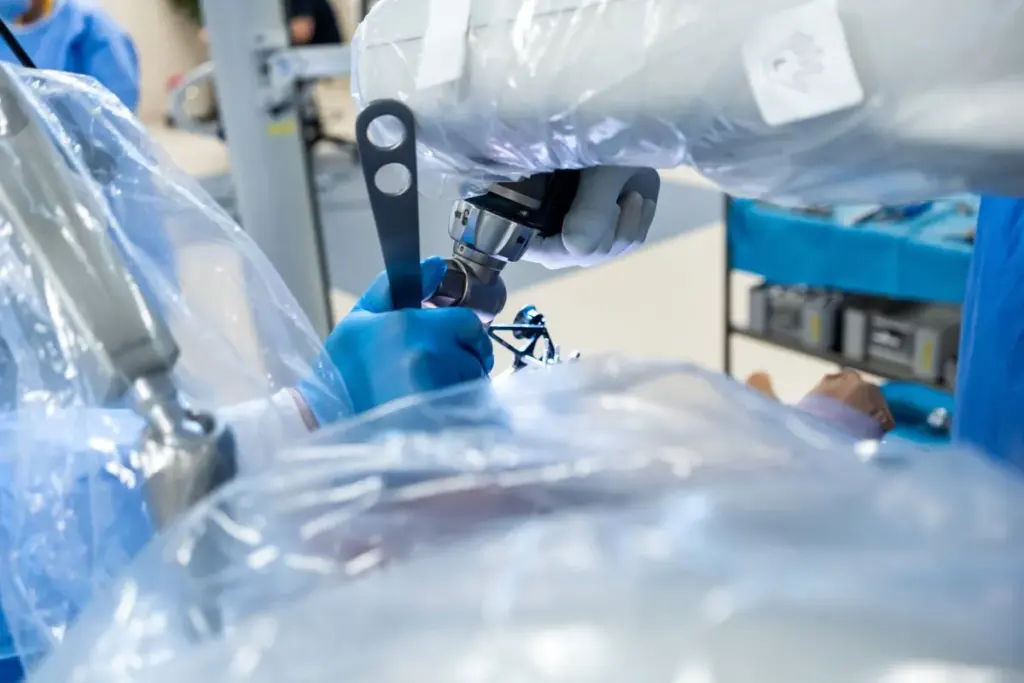
Robotic technology has changed how surgeries are done, including hysterectomies. A hysterectomy removes the uterus, often due to health issues. Knowing about robotic hysterectomy helps patients feel ready for their surgery and recovery.
What Is a Hysterectomy and Why Is It Performed?
A hysterectomy is a big surgery to remove the uterus. It’s done for many reasons, like uterine cancer or heavy bleeding. Doctors usually try other treatments first before suggesting a hysterectomy.
Reasons for a Hysterectomy:
- Uterine cancer or other gynecological cancers
- Severe endometriosis
- Uterine prolapse
- Heavy or irregular menstrual bleeding
- Other conditions that cause significant symptoms
Different Types: Total vs. Partial Hysterectomy
There are two main types of hysterectomies: total and partial. A total hysterectomy removes the whole uterus and cervix. A partial hysterectomy takes out the top part of the uterus but keeps the cervix. The choice depends on the patient’s health and the surgeon’s advice.
|
Type of Hysterectomy |
Description |
|---|---|
|
Total Hysterectomy |
Removal of the entire uterus, including the cervix |
|
Partial (Subtotal) Hysterectomy |
Removal of the upper part of the uterus, leaving the cervix intact |
How Robotic Surgery Differs from Traditional Methods
Robotic-assisted hysterectomy uses a robotic system for more precise surgery. It offers better control and less bleeding than traditional methods. This can mean less pain, shorter hospital stays, and faster recovery for patients.
Learning about robotic hysterectomy helps patients understand its benefits and what to expect. This knowledge makes the surgical journey and recovery easier to navigate.
The Immediate Recovery Period: First 24-48 Hours
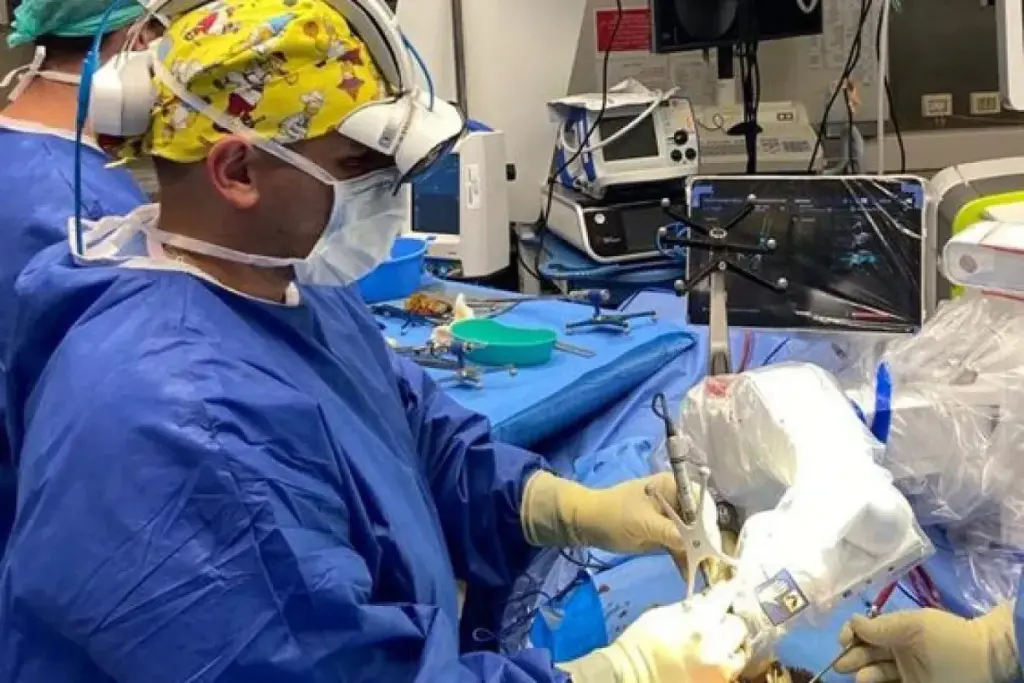
Knowing what to expect right after robotic hysterectomy surgery can make recovery easier. The first 24 to 48 hours are key for a smooth healing process.
What to Expect Immediately After Surgery
Right after surgery, you’ll go to the post-surgical recovery unit. Our team will watch your vital signs and help with pain or discomfort. Most patients stay here for 1 to 2 hours.
Key aspects to expect during this period include:
- Monitoring of vital signs
- Pain management through medication
- Observation for any immediate surgical complications
Hospital Stay Duration for Robotic Hysterectomy
Your hospital stay after robotic hysterectomy depends on your health and surgery details. Usually, patients stay for 1 to 2 days. This lets our team check your recovery and handle any issues quickly.
Initial Pain Management Strategies
Managing pain well is key to your recovery. We use several methods to reduce discomfort, including:
- Medication: We choose pain relief meds that fit your needs.
- Monitoring: We keep a close eye on you to adjust pain care as needed.
- Patient Education: We teach you how to handle pain at home.
Understanding these recovery aspects helps you prepare for a smoother and more comfortable recovery from robotic hysterectomy.
First Week of Hysterectomy Recovery: What to Expect<SEP-2161_image_4>
The first week after a hysterectomy is key for healing. Your body will go through big changes inside and out.
Physical Sensations and Common Discomforts
Right after surgery, you might feel some pain. This could be in your belly, your shoulders, or just feeling tired. These feelings are normal and your doctor will help with pain meds.
Common Discomforts:
- Abdominal tenderness
- Shoulder pain
- Bloating
- Constipation
Activity Restrictions During Week One
It’s important to rest but also do some gentle activities. Walking soon after surgery helps prevent blood clots and boosts blood flow.
|
Activity |
Recommendation |
|---|---|
|
Walking |
Encouraged from day 1 |
|
Lifting |
Avoid heavy lifting for at least a week |
|
Driving |
Usually resume after 1-2 weeks |
Managing Your First Days at Home
At home, make sure you’re comfy, take your meds, and have people to help you. Have everything you need and someone to check on you often.
Knowing what to expect in the first week helps a lot. By understanding the physical changes, what activities to avoid, and how to care for yourself at home, you can make your recovery smoother.
Weeks 2-4: The Crucial Healing Phase
Weeks two to four are key for healing after a robotic hysterectomy. Your body is recovering from surgery. It’s important to know about the physical changes you’ll go through.
Physical Changes Inside Your Body After Hysterectomy
Internally, your body is healing the surgery areas. The robotic hysterectomy procedure is less invasive. This means less tissue damage and faster healing than traditional methods. You might feel some discomfort, but it should lessen as you heal.
“The healing process is a journey, and knowing what to expect helps a lot,” says a top gynecological surgeon. “By the fourth week, many patients see a big improvement.”
Gradually Increasing Activities
In weeks two to four, you can start doing more. But listen to your body and don’t push too hard. Start with light activities like short walks or gentle stretching. As you get better, you can do more intense and longer activities.
- Begin with short walks around the house or neighborhood.
- Gradually introduce light stretching exercises.
- Avoid heavy lifting or bending.
Follow-up Appointments and What to Discuss
Follow-up appointments with your healthcare provider are key during this time. These visits help your doctor check on your healing and answer any questions. Make sure to talk about:
- Any pain or discomfort you’re experiencing.
- Changes in your physical or emotional well-being.
- Questions about resuming normal activities or returning to work.
By weeks three to four, most people feel much better and can do many normal activities again. But keep following your doctor’s advice for a full recovery.
Complete Hysterectomy Recovery Timeline: Month by Month
Knowing the recovery timeline after a hysterectomy is key for patients. It helps them prepare for healing. The recovery time can vary, but a general outline is helpful.
Month 1: Initial Healing
The first month is all about healing. It’s important to follow the doctor’s advice closely. Most can go back to work in about 2 weeks, but full recovery takes longer.
Patients may feel tired, uncomfortable, and in pain at first. This can be managed with medicine. Resting well and avoiding heavy lifting is also important.
Months 2-3: Returning to Normal Activities
By the second and third months, patients start to feel better. They can slowly increase their activities and get back to normal. But, it’s important to listen to your body and not push too hard.
According to a study, most women regain their energy by the third month. But, some may take longer.
“The recovery from hysterectomy is not just physical but also emotional. Support from family and friends is key during this time.”
A Gynecologist
|
Month |
Recovery Stage |
Activities |
|---|---|---|
|
1 |
Initial Healing |
Rest, light walking, avoid heavy lifting |
|
2-3 |
Returning to Normal |
Gradually increase physical activities, return to work |
|
4-6 |
Long-term Recovery |
Resume most activities, including exercise and travel |
Months 4-6: Long-term Recovery
By months four to six, most patients have recovered a lot. They can usually do most of their normal activities, like exercise. It’s important to keep up with doctor’s appointments to check on recovery.
By six months, most women have fully recovered. They can enjoy their daily activities without big restrictions.
Managing Pain and Discomfort During Recovery
Managing pain well is key to a smooth recovery after hysterectomy surgery. We know that pain and discomfort must be handled carefully. This is so patients can get back to their daily lives and fully recover.
Medication Options for Pain Control
Patients often get medicines to help with pain after robotic hysterectomy. These can be opioids, NSAIDs, or acetaminophen. We help find the best pain management plan for each patient, aiming to avoid side effects.
“Pain is what we feel when our brain interprets pain signals from our body,” says a top gynecological surgeon. “Good pain management mixes medicines with other therapies to tackle both physical and emotional pain.”
Non-Pharmaceutical Pain Management Techniques
There are also non-medical ways to manage pain and discomfort during recovery. These include:
- Breathing exercises and relaxation techniques
- Gentle stretching and movement
- Heat or cold therapy
- Massage therapy
Using these methods with medicines can improve pain management and overall health.
When Pain Might Indicate a Complication
Some pain is normal after hysterectomy surgery. But, certain pain or its severity might mean a complication. We tell patients to see a doctor if they have:
- Severe or getting worse pain
- Pain with fever, chills, or vaginal discharge
- Pain that makes daily activities or sleep hard
Quick medical help can solve any complications and help with a smooth recovery.
Common Side Effects of Hysterectomy and How Long They Last
It’s important for patients to know about the side effects of hysterectomy. This knowledge helps them deal with their recovery better. After a hysterectomy, patients might face many side effects. These can affect their body, mind, and hormones.
Physical Side Effects
Physical side effects can include bloating, discomfort, and feeling tired. Some might notice changes in how their bowels or bladder work.
|
Physical Side Effect |
Typical Duration |
|---|---|
|
Bloating |
Several days to a week |
|
Discomfort |
Several weeks |
|
Fatigue |
Several weeks to months |
Hormonal Changes and Their Impact
If the ovaries are removed during the surgery, patients may go into menopause right away. This can cause hot flashes, mood swings, and dryness in the vagina.
Hormone Replacement Therapy (HRT) might be suggested to help with these symptoms. It’s key to talk about the pros and cons of HRT with your doctor.
Emotional and Psychological Effects
The emotional and psychological effects of hysterectomy are significant. Patients might feel mood swings, anxiety, or depression. Getting support from doctors, family, and friends is vital during this time.
Some might also feel changes in their body image or sense of self. It’s important to talk about these feelings with a healthcare provider or counselor.
Knowing about the side effects of hysterectomy helps patients prepare for recovery. It also helps them find the right support when they need it.
Essential Post-Hysterectomy Care at Home
Recovering from a hysterectomy needs careful planning at home. This ensures a safe and comfortable healing process. Before you go home, think about what will help your recovery.
Setting Up Your Recovery Space
Having a good recovery area is key. Make a quiet, comfy spot for resting. This might mean:
- Preparing a cozy room with everything you need nearby
- Getting help with chores and errands
- Clearing your home of tripping hazards and clutter
By setting up your space well, you can rest more without strain.
Wound Care and Hygiene
Good wound care is vital to avoid infection and help healing. We’ll give you detailed instructions for your surgical site. Generally, you should:
- Keep the wound clean and dry
- Avoid getting the wound wet until it’s fully healed
- Watch for signs of infection like redness, swelling, or discharge
Following your healthcare provider’s wound care advice is critical for a smooth recovery.
Managing Daily Activities with Limited Mobility
When you’re recovering, you might need to change how you do daily tasks. Avoid heavy lifting, bending, or straining. These can stress your body too much. Here are some tips:
- Don’t lift anything heavier than 20 pounds
- Take breaks to rest and elevate your feet
- Use tools like grabbers or reachers to avoid straining
By being careful with your daily activities, you can lower the risk of problems and help your recovery.
Nutrition and Lifestyle Tips to Speed Up Hysterectomy Recovery
Eating right and living healthy are key to getting better faster after a hysterectomy. As you heal, choose foods and habits that help your body recover.
Optimal Diet for Healing After Surgery
Eating well is important for healing. Focus on whole foods like:
- Fruits rich in antioxidants, such as berries and citrus fruits
- Vegetables, like spinach and kale
- Lean proteins, including poultry, fish, and legumes
- Whole grains, like brown rice and whole-wheat bread
These foods fight inflammation and help your body fix itself. Adding foods with omega-3s, like salmon, is also good for healing.
Hydration and Its Importance
Drinking enough water is key during recovery. It helps remove toxins and supports healing. Drink at least eight glasses a day. You can also eat hydrating foods like watermelon.
Sleep and Rest Recommendations
Rest and sleep are vital for healing. Your body needs time to mend. We suggest:
- Getting 7-8 hours of sleep each night
- Taking short naps during the day
- Avoiding hard activities and screens before bed
Make your sleep area comfy, like keeping it cool and dark, to sleep better.
Following these tips can greatly improve your recovery after a hysterectomy. Remember, everyone heals differently. Always listen to your doctor’s advice.
Safe Exercises and Physical Therapy for Hysterectomy Recovery
After a robotic hysterectomy, it’s key to add safe exercises to your routine. These exercises help your body heal, reduce pain, and build strength. Start with easy activities and slowly increase the challenge as you get stronger.
When to Begin Light Exercise
Begin light exercises a few days after surgery, when you feel ready. Walking is a great first step. It boosts blood flow and prevents blood clots. Start with short walks and increase the distance as you get more energy.
It’s vital to listen to your body. If you feel pain or discomfort, stop and rest. Always follow your healthcare provider’s advice. They can tailor guidance to your needs and progress.
Recommended Exercises for Recovery
Some exercises are great for recovery. These include:
- Breathing Exercises: Deep breathing improves lung function and lowers respiratory risks.
- Leg Exercises: Gentle leg lifts, ankle rotations, and toe wiggles prevent blood clots and boost circulation.
- Pelvic Floor Exercises: Known as Kegel exercises, they strengthen muscles that support your bladder, uterus, and bowels.
As you get better, you can add stretching and gentle strengthening exercises. Always move at your own pace and avoid any exercises that hurt or cause discomfort.
Exercises to Avoid During Recovery
While exercise is good, some activities should be avoided early on. These include:
|
Exercise Type |
Reason to Avoid |
|---|---|
|
High-Impact Activities |
May cause excessive strain on the body |
|
Heavy Lifting |
Can lead to complications or reopening of the wound |
|
Bending or Twisting |
May put unnecessary stress on the abdominal muscles |
Avoid strenuous activities like running, cycling, or any exercise that involves heavy lifting, bending, or twisting. Your healthcare provider can give you a detailed list of activities to avoid based on your specific situation.
Emotional and Psychological Aspects of Recovery
Recovering from a hysterectomy involves more than just physical healing. It’s also about the emotional and psychological sides. A partial hysterectomy or total hysterectomy can deeply affect a woman’s feelings and mind.
Dealing with Hormonal Mood Changes
Hormone levels change a lot after a hysterectomy. This can cause mood swings, anxiety, and depression. Hormone replacement therapy (HRT) helps by adding back the hormones the body misses.
“Hormone replacement therapy can help reverse issues related to decreased estrogen levels,” it’s said. This makes it a key tool for managing the emotional ups and downs after the surgical removal of the uterus.
Body Image and Sense of Self After Hysterectomy
A hysterectomy can also affect how a woman sees her body and herself. Many feel a sense of loss or grief about losing the uterus. This can make them question their femininity or reproductive identity.
We suggest talking about these feelings with healthcare providers, counselors, or support groups. It’s a way to explore and understand these emotions better.
“The emotional journey after a hysterectomy is just as important as the physical recovery. It’s vital to address the psychological impact for a complete healing.”
Support Groups and Resources
Meeting others who have gone through the same thing can be very helpful. Support groups, online or in-person, offer a place to share and learn. They help by showing the challenges and successes of recovering from a hysterectomy.
By focusing on the emotional and psychological sides of recovery, we can heal more fully. Our team is here to support and guide you every step of the way.
Returning to Work and Daily Activities: Realistic Timeframes
After a hysterectomy, you might wonder when you can go back to work and daily life. The time it takes to return to normal varies. It depends on your job, the surgery’s extent, and how fast you recover.
Office and Sedentary Jobs
For those with office or sedentary jobs, it usually takes about 2 weeks to get back to work. But, this can change based on your health and your employer’s comfort with your return.
When planning to go back to a sedentary job, think about a few things:
- How comfortable you are sitting for long periods
- Whether you can take breaks to stretch and move
- The workload and stress when you return
Physical and Demanding Occupations
Jobs that require physical labor or demanding tasks might need more time off. Usually, people with these jobs should wait 4 to 6 weeks before going back. This helps with healing and lowers the chance of problems.
When planning to return to a physically demanding job, consider:
- When you can safely lift things again
- Starting with light duties to avoid too much strain
- What workplace changes can help your recovery
Driving, Household Chores, and Social Activities
Patients also wonder about other daily activities. Here are some general guidelines:
|
Activity |
Typical Timeframe to Resume |
|---|---|
|
Driving |
1-2 weeks after surgery, once you’re comfortable and off narcotic pain medication |
|
Light Household Chores |
2-3 weeks after surgery, gradually increasing activity level |
|
Social Activities |
2-4 weeks after surgery, depending on your energy levels and comfort |
It’s important to listen to your body and not rush back too quickly. Your healthcare provider can give advice tailored to your recovery.
Conclusion: Embracing Your New Normal After Hysterectomy
Recovering from a hysterectomy is a big journey. Knowing what to expect can really help. With the right care and support, you can get back to your normal life.
The recovery process has many stages. It starts right after surgery and goes on as you get back to daily life. Following advice on pain, nutrition, and exercise can help a lot.
Our team is here to support you every step of the way. By accepting your new normal and using available resources, you can face the challenges of recovery with confidence.
This new chapter in your life is not just about physical healing. It’s also about emotional and mental health. With the right attitude and support, you can look forward to a happy life after your surgery.
FAQ
What is a hysterectomy, and why is it performed?
A hysterectomy is a surgery to remove the uterus. It’s done to treat issues like uterine fibroids, endometriosis, or certain cancers.
How long does a hysterectomy surgery take?
The time for a hysterectomy surgery varies. But, robotic hysterectomy usually takes 1-3 hours.
What are the different types of hysterectomy procedures?
There are several types. These include total hysterectomy (removing the uterus and cervix) and partial hysterectomy (leaving the cervix intact).
How long is the hospital stay after a robotic hysterectomy?
Hospital stay times differ. But, most patients stay 1-2 days after robotic hysterectomy.
What are the common side effects of hysterectomy?
Side effects include physical, hormonal, and emotional changes. These can vary in how long they last and how severe they are.
How long does it take to recover from a hysterectomy?
Recovery times vary. But, it usually takes 6-8 weeks to get back to normal activities. Full recovery can take several months.
What are the pain management options after hysterectomy?
Options include medication, non-pharmaceutical methods, and alternative therapies. These help manage discomfort during recovery.
When can I start exercising after a hysterectomy?
Start with light exercises like pelvic tilts and deep breathing a few days after surgery. Gradually increase the intensity.
How can I manage daily activities with limited mobility after hysterectomy?
Create a recovery space, use assistive devices, and ask for help. These steps make daily activities easier during recovery.
What is the importance of nutrition during hysterectomy recovery?
Eating a balanced diet and staying hydrated supports healing. It’s key for a smooth recovery.
When can I return to work after a hysterectomy?
Work return times vary. Office jobs might resume in 4-6 weeks. Jobs that require more physical effort take longer.
What are the emotional and psychological aspects of recovery after hysterectomy?
Emotional and psychological support is vital. It helps with hormonal changes and body image concerns during recovery.
Are there any long-term effects of hysterectomy that I should be aware of?
Some women may face long-term effects like hormonal changes or emotional shifts. Support and guidance can help manage these.
Reference
National Center for Biotechnology Information. Evidence-Based Medical Insight. Retrieved from https://pmc.ncbi.nlm.nih.gov/articles/PMC3662753/