
After a hysterectomy, proper nutrition is key for healing. A good diet helps your body heal faster and reduces complications. We’ll show you the best foods to eat for a smooth recovery.
During recovery, your body needs more protein to heal tissues. Knowing what to eat after a hysterectomy is important. By choosing the right foods and avoiding bad ones, you can improve your recovery experience.
Key Takeaways
- A well-planned diet is crucial for healing and reducing post-surgical complications after a hysterectomy.
- Increased protein intake is necessary for tissue healing during the recovery period.
- Certain foods can exacerbate bowel problems and should be avoided.
- A comprehensive guide to dietary recommendations can empower patients to make informed decisions.
- Proper nutrition can significantly enhance the recovery experience.
Understanding Hysterectomy and Its Impact on Digestion

A hysterectomy does more than just remove the uterus. It can also affect your digestion and bowel habits. This surgery can change your body, especially your digestive system. Knowing these changes helps you recover better and stay healthy.
Types of Hysterectomy Procedures
There are different ways to do a hysterectomy, each with its own effects. The main types are:
- Laparoscopic Hysterectomy: This is a small surgery with small cuts and a laparoscope to remove the uterus.
- Open Hysterectomy: This is the old-school way with a big cut in the belly to get to the uterus.
- Robotic Hysterectomy: It’s like laparoscopic but uses robots for better precision.
Each method has its own good and bad sides. The choice can affect how you feel and digest food.
How Surgery Affects Your Digestive System
Surgery can really mess with your digestion. A hysterectomy can change how you go to the bathroom and digest food. This is because of:
- Anesthesia Effects: Anesthesia can make your bowel slow down, causing constipation.
- Surgical Trauma: The surgery can make your belly area inflamed and irritated, affecting digestion.
- Hormonal Changes: Even without the uterus, hormonal shifts after surgery can still affect digestion.
It’s key to understand these effects to manage your digestion while you’re recovering.
The Importance of Proper Nutrition During Hysterectomy Recovery
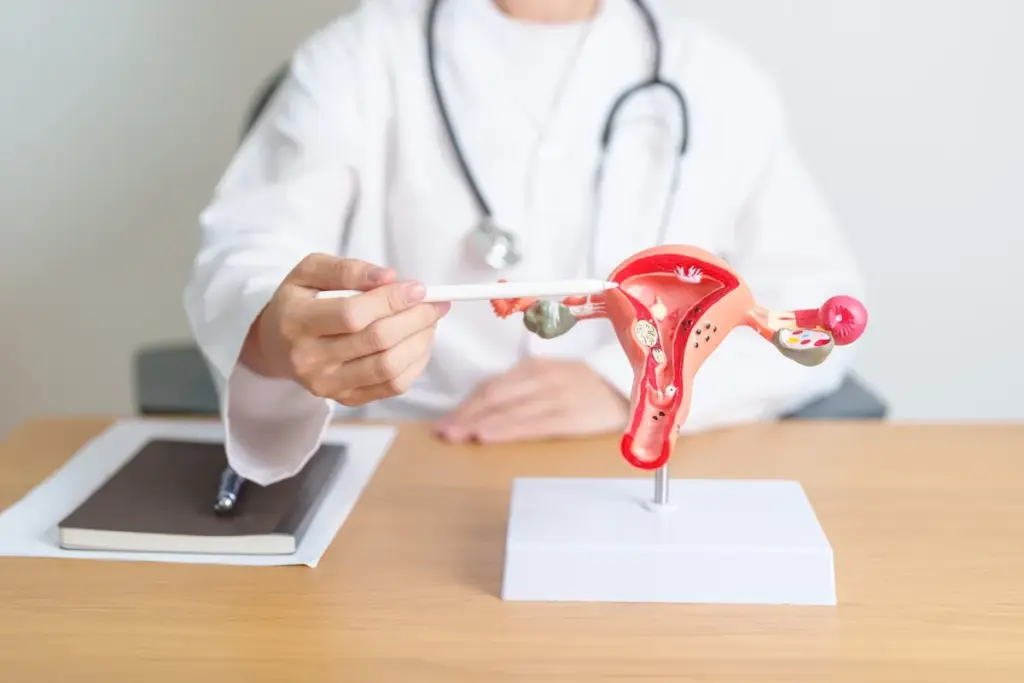
Nutrition is key for healing after a hysterectomy. A balanced diet provides essential nutrients that support the body’s healing processes after surgery. It supports the body’s natural healing.
During recovery, the body needs more nutrients to heal and get back to health. Adequate nutrition is vital. It helps avoid complications, cuts down recovery time, and boosts results.
How Diet Affects Healing
A diet full of essential nutrients helps the healing process. Protein is especially important. It helps fix and rebuild tissues.
Vitamins and minerals also play a big role. Vitamin C helps with collagen, and zinc boosts the immune system and healing.
Nutritional Needs After Surgery
After a hysterectomy, nutritional needs change. Increased protein intake is often advised for tissue repair. Also, fiber, healthy fats, and complex carbs are key for energy and health.
- Drinking enough water is also key. It prevents constipation and aids healing.
- Eating a variety of whole foods helps meet nutritional needs.
- It’s important to avoid nutritional deficiencies by eating foods rich in vitamins and minerals.
By eating a nutrient-rich diet, people can help their body recover better after a hysterectomy.
Foods to Avoid Immediately After Surgery
After surgery, some foods can make you feel uncomfortable. It’s important to watch what you eat to recover well after a hysterectomy.
Gas-Producing Foods
Some foods make gas, which can cause bloating and discomfort. Examples include:
- Beans and legumes
- Cabbage and other cruciferous vegetables like broccoli and cauliflower
- Carbonated drinks
These foods can make gas in your system. This can lead to pain and discomfort after surgery.
Hard-to-Digest Foods
Some foods are hard for your body to digest, especially after surgery. These include:
- High-fat foods, which can slow down digestion
- Fried foods, which are not only high in fat but also difficult to digest
- Dairy products, especially for those with lactose intolerance
Avoiding these foods can help reduce digestive discomfort during recovery.
Spicy and Acidic Foods
Spicy and acidic foods can irritate your digestive tract. Examples include:
- Spicy dishes with hot peppers or wasabi
- Citrus fruits and juices, like orange or lemon
- Tomatoes and tomato-based products
These foods can make digestive issues worse. It’s best to limit or avoid them right after surgery.
Here’s a summary of foods to avoid and their potential effects:
|
Food Category |
Examples |
Potential Effects |
|---|---|---|
|
Gas-Producing |
Beans, cabbage, carbonated drinks |
Bloating, gas |
|
Hard-to-Digest |
High-fat foods, fried foods, dairy products |
Digestive discomfort, slowed digestion |
|
Spicy and Acidic |
Spicy dishes, citrus fruits, tomatoes |
Heartburn, digestive irritation |
By avoiding these foods right after surgery, you can lower the risk of discomfort and complications. This helps you recover smoothly.
Problematic Beverages During Early Recovery
Knowing which drinks to skip after a hysterectomy can ease your discomfort and aid in recovery. It’s key to choose your drinks wisely in the early recovery days. This ensures they don’t slow down your healing.
Alcoholic Beverages
Drinking alcohol can slow down your healing and might mix badly with your meds. Avoid alcoholic drinks for a few weeks after surgery, or as your doctor says. It can also make stomach problems worse, causing more pain.
Caffeinated Drinks
Caffeine can make you lose water, leading to dehydration if you don’t drink enough water. Try to limit caffeinated drinks like coffee, tea, and some sodas. This helps avoid dehydration and stomach upset.
Carbonated Beverages
Drinks with carbonation can make you feel gassy and bloated, adding to your discomfort. It’s best to cut down or skip carbonated drinks in the early recovery days to avoid these problems.
Instead, drink water, clear broths, or drinks with electrolytes as your doctor suggests. Staying hydrated is vital for healing. It also lowers the chance of complications.
Foods That May Cause Constipation
Knowing which foods can lead to constipation is key for those recovering from hysterectomy surgery. Constipation is a common problem after such surgery. What we eat plays a big role in managing it.
Low-Fiber Foods to Limit
Low-fiber foods can make constipation worse. These include:
- Processed foods like white bread and sugary snacks that are low in fiber and high in unhealthy fats.
- Dairy products in excess, particularly for those who are lactose intolerant.
- Red meat and other high-protein foods that can be hard to digest.
Reducing these foods can help. We suggest adding more high-fiber foods to your diet.
Strategies to Prevent Constipation
Preventing constipation requires diet changes and lifestyle adjustments. Here are some tips:
- Increase fiber intake with foods like fruits, vegetables, and whole grains.
- Stay hydrated by drinking plenty of water throughout the day.
- Exercise regularly to stimulate bowel movements.
Asa gastroenterologist, says, “A diet rich in fiber and enough water can greatly lower constipation risk after surgery.”
By watching what we eat and adopting healthy habits, we can lower constipation risk. This supports a smoother recovery after hysterectomy.
Foods That May Increase Bloating and Gas
Knowing which foods to avoid can help reduce bloating and gas after surgery. It’s important to watch what you eat during recovery to feel better. Bloating and gas can make you uncomfortable after a hysterectomy.
Common Gas-Producing Foods
Some foods are harder to digest and can cause gas and bloating. These include:
- Legumes: Beans and lentils are high in fiber and protein but can be challenging for the body to digest, leading to gas.
- Cruciferous Vegetables: Vegetables like broccoli, cabbage, and cauliflower contain raffinose, a complex sugar that can cause gas.
- Dairy Products: For individuals with lactose intolerance, consuming dairy products can lead to bloating and gas.
- Carbonated Drinks: Drinks like soda and beer can introduce air into the digestive system, causing bloating.
- Wheat and Barley: These grains contain fructans, which can be difficult for some people to digest, leading to gas and bloating.
Tips for Reducing Gas and Bloating
It’s hard to avoid all gas-producing foods, but there are ways to lessen their effects:
- Cooking Methods: Cooking beans and vegetables can make them easier to digest. Soaking dried beans overnight before cooking can reduce their gas-producing potential.
- Eating Smaller Meals: Consuming smaller, more frequent meals can ease digestion and reduce symptoms of bloating and gas.
- Avoiding Carbonated Drinks: Opting for still water and other non-carbonated beverages can help minimize bloating.
- Incorporating Digestive-Friendly Foods: Foods like ginger, peppermint, and chamomile tea can aid digestion and reduce discomfort.
- Monitoring Dairy Intake: For those with lactose intolerance, limiting dairy or choosing lactose-free alternatives can help alleviate symptoms.
By being mindful of your diet and using strategies to reduce gas and bloating, you can make your recovery more comfortable. It’s about finding a balance that suits your body.
Week by Week Guide to Hysterectomy Recovery Diet
Recovering from a hysterectomy needs a careful diet plan. We’re here to help you through it. A good diet can help you heal faster and better.
Week 1: Focus on Gentle Foods
In the first week, eat foods that are easy to digest. This makes you feel less uncomfortable and avoids problems. Choose foods like:
- Clear broths
- Plain toast
- Plain crackers
- Applesauce
- Yogurt
Avoid foods that are hard to digest. They can make your stomach upset.
Weeks 2-3: Gradually Expanding Your Diet
By weeks two and three, you can add more foods to your diet. Start with small amounts and watch how your body reacts. You can now try:
- Lean proteins like chicken or fish
- Soft-cooked vegetables
- Ripe fruits
- Whole grain bread
Still, avoid foods high in sugar, salt, and bad fats.
Weeks 4-6: Transitioning to Normal Eating
By weeks four to six, you’re getting closer to eating like normal. You can eat a variety of foods, such as:
- A range of colorful vegetables
- Fruits
- Lean meats
- Whole grains
Keep listening to your body and adjust your diet as needed.
Beyond 6 Weeks: Long-term Nutritional Needs
After six weeks, your diet should be almost back to normal. But, it’s key to keep eating well for your long-term health. Focus on:
- Eating a variety of foods
- Staying hydrated
- Avoiding too much processed food
|
Week |
Dietary Recommendations |
|---|---|
|
1 |
Clear broths, plain toast, plain crackers, applesauce, yogurt |
|
2-3 |
Lean proteins, soft-cooked vegetables, ripe fruits, whole grain bread |
|
4-6 |
Colorful vegetables, fruits, lean meats, whole grains |
|
Beyond 6 |
Variety of foods, stay hydrated, limit processed foods |
Following this guide can help you recover smoothly after your hysterectomy. Remember, everyone heals differently. Always talk to your healthcare provider for advice that fits you.
Recommended Foods That Support Healing
Healing after a hysterectomy needs a careful diet plan. Focus on foods that help repair tissues and boost health. A balanced diet can greatly aid in recovery, reducing complications and supporting healing.
Protein-Rich Foods for Tissue Repair
Protein is key for healing after surgery. It helps build new tissues. Eating protein-rich foods can speed up your body’s repair. Here are some good options:
- Lean Meats: Chicken, turkey, and lean beef or pork
- Fish: Salmon, tuna, and other fatty fish with omega-3s
- Eggs: A great, easy-to-digest protein source
- Legumes: Beans, lentils, and peas, also high in fiber
- Dairy: Greek yogurt, milk, and cottage cheese
Fiber-Rich Foods for Digestive Health
A diet full of fiber can prevent constipation after surgery. Fiber keeps digestion healthy and bowel movements regular. Include these high-fiber foods in your meals:
|
Food Category |
Examples |
|---|---|
|
Fruits |
Apples, bananas, berries |
|
Vegetables |
Broccoli, carrots, leafy greens |
|
Whole Grains |
Brown rice, quinoa, whole wheat bread |
|
Legumes |
Beans, lentils, peas |
Anti-Inflammatory Foods
Eating anti-inflammatory foods can reduce swelling and aid healing. These foods are packed with antioxidants and nutrients for health. Some examples are:
- Fatty Fish: Rich in omega-3s, which fight inflammation
- Nuts and Seeds: Almonds, chia seeds, and flaxseeds
- Fruits: Berries, oranges, and other vitamin C-rich fruits
- Leafy Greens: Spinach, kale, and other greens with antioxidants
By choosing these nutrient-rich foods, you can help your body heal faster and improve your recovery after a hysterectomy.
Hormone Changes and Dietary Considerations
After a hysterectomy, hormonal shifts can be big. Knowing how diet affects these changes is key for a smooth recovery. Hormonal changes can impact mood and physical health.
Foods That Support Hormonal Balance
Some foods can help balance hormones, easing symptoms. These include:
- Omega-3 Rich Foods: Foods like salmon and flaxseeds reduce inflammation and support hormonal health.
- Antioxidant-Rich Foods: Berries and leafy greens fight oxidative stress, linked to hormonal imbalances.
- Probiotic-Rich Foods: Yogurt and fermented foods support gut health, vital for hormonal balance.
A healthcare expert says, “Eating whole foods can greatly impact hormonal balance and well-being after a hysterectomy.”
“Diet is key in managing hormonal changes. Eating nutrient-dense foods helps support hormonal health during recovery.”
Dietary Approaches for Managing Hormonal Symptoms
There are also dietary ways to manage hormonal symptoms. These include:
|
Dietary Approach |
Description |
Benefits |
|---|---|---|
|
Mediterranean Diet |
Focuses on whole grains, fruits, vegetables, and healthy fats |
Reduces inflammation, supports heart health |
|
Low Glycemic Index Diet |
Emphasizes foods that don’t spike blood sugar |
Manages blood sugar, supports hormonal balance |
|
Elimination Diet |
Removes certain foods to find and manage sensitivities |
Reduces symptoms from food intolerances |
Managing hormone changes after a hysterectomy needs a full plan, including diet. By eating foods that support hormonal balance and using good dietary approaches, women can manage symptoms and support their health.
The Role of Hydration in Hysterectomy Recovery
Drinking enough water is key to healing and staying healthy after a hysterectomy. It helps avoid constipation and supports the body’s healing.
Keeping well-hydrated is crucial for a smooth recovery. It helps with digestion and lowers the chance of infections and blood clots.
Optimal Fluid Intake
How much water should you drink? Aim for eight to ten glasses a day. But, this can change based on your activity level and where you live.
Here’s a simple guide to fluid intake:
|
Activity Level |
Recommended Fluid Intake |
|---|---|
|
Low Activity |
8 glasses (64 oz) |
|
Moderate Activity |
9-10 glasses (72-80 oz) |
|
High Activity |
11+ glasses (88+ oz) |
Best Hydration Options
Not all drinks are the same for staying hydrated. Water is the top choice because it’s calorie-free and easily absorbed. Other good drinks include:
- Herbal teas, which can be soothing and hydrating
- Clear broths, which provide essential salts
- Electrolyte-rich beverages, which can help maintain electrolyte balance
Avoid caffeinated and carbonated drinks as they can cause dehydration. Also, limit drinks high in sugar.
In summary, staying hydrated is a simple yet effective way to support your recovery after a hysterectomy. By understanding the importance of hydration and making informed choices about fluid intake, you can aid your body’s healing process and reduce the risk of complications.
Weight Management and Emotional Eating After Hysterectomy
Managing weight and dealing with emotional eating are key after a hysterectomy. The surgery can change how your body handles food and fat. It can also affect your mood, leading to emotional eating.
Understanding Metabolic Changes
After a hysterectomy, women might see changes in their metabolism. Hormonal shifts and less activity during recovery can play a role. Metabolic changes can affect weight gain or loss, so it’s important to adjust your diet.
To understand these changes, let’s look at a comparison of metabolic factors before and after a hysterectomy:
|
Metabolic Factor |
Pre-Hysterectomy |
Post-Hysterectomy |
|---|---|---|
|
Hormonal Balance |
Stable hormonal levels |
Potential hormonal fluctuations |
|
Physical Activity |
Regular activity level |
Reduced activity during recovery |
|
Metabolic Rate |
Normal metabolic rate |
Possible decrease in metabolic rate |
Healthy Approaches to Weight Management
Keeping a healthy weight after a hysterectomy requires balanced eating and exercise. Focus on nutrient-dense foods like fruits, veggies, whole grains, and lean proteins. They support your health.
Here are some strategies for healthy weight management:
- Eat smaller, frequent meals to keep your metabolism active.
- Stay hydrated by drinking plenty of water.
- Engage in gentle exercises like walking or yoga during recovery.
- Gradually increase physical activity as advised by your healthcare provider.
By adopting these healthy habits, women can better manage their weight and reduce the risk of emotional eating.
It’s also important to be mindful of emotional eating triggers and to develop coping strategies. This might include seeking support from healthcare professionals or joining a support group.
When to Consult Your Doctor About Dietary Issues
After a hysterectomy, knowing when to get medical help is key. Dietary problems can happen, and it’s important to know when to ask for help.
Warning Signs of Dietary Complications
Some symptoms mean you might have dietary issues after a hysterectomy. These include:
- Severe abdominal pain that persists or worsens
- Vomiting or inability to keep food down
- Signs of dehydration, such as excessive thirst, dark urine, or dizziness
- Constipation that doesn’t respond to dietary changes or medication
- Bloating or gas that causes significant discomfort
Seek immediate medical attention if you have severe symptoms. A healthcare provider said,
“Prompt intervention can prevent minor issues from becoming major complications.”
Questions to Ask Your Healthcare Provider
Talking to your healthcare provider about diet is important for recovery. Here are some questions to ask:
- What foods should I prioritize or avoid during my recovery?
- How can I manage common issues like constipation or bloating?
- Are there specific nutritional supplements I should consider?
- How will my dietary needs change over time as I recover?
Being proactive about your dietary health can significantly impact your overall recovery experience. Understanding when to seek medical advice and what questions to ask helps you navigate recovery with confidence.
Conclusion
A good diet and lifestyle changes are key to recovering from a hysterectomy. Eating the right foods can help women heal faster and avoid problems.
We’ve shared tips on what to eat and avoid, like managing constipation and staying hydrated. Taking care of your diet and lifestyle is important for your health after surgery.
Eating foods high in protein, fiber, and anti-inflammatory compounds helps with healing. Also, adjusting your diet for hormonal changes can ease symptoms.
Listening to your healthcare provider’s advice is crucial. Knowing the signs of diet-related problems can help you get medical help quickly. A balanced diet helps women feel better and recover fully after a hysterectomy.
FAQ
What foods should I avoid after a hysterectomy?
After a hysterectomy, avoid foods that make gas like beans and cabbage. Also, steer clear of hard-to-digest foods and spicy or acidic ones. These can cause discomfort and might lead to complications.
How long does it take to recover from a hysterectomy?
Recovery time varies based on surgery type and individual factors. Generally, it takes about 6-8 weeks to fully recover.
What are the best foods to eat after a hysterectomy?
Eat protein-rich foods for tissue repair. Choose fiber-rich foods for your digestive health. Also, include anti-inflammatory foods to aid in healing.
Can I drink alcohol after a hysterectomy?
It’s best to skip alcoholic drinks early on. They can make digestive issues worse and interact with pain meds.
How can I prevent constipation after a hysterectomy?
To avoid constipation, eat foods high in fiber. Drink lots of water and do gentle physical activities.
What are the signs of dietary complications after a hysterectomy?
Look out for severe abdominal pain, vomiting, constipation, or diarrhea. If you notice these, talk to your doctor right away.
How much water should I drink after a hysterectomy?
Drink at least 8-10 glasses of water daily. This helps stay hydrated and supports healing.
Can I exercise after a hysterectomy?
Yes, gentle activities like walking are good for healing and preventing complications. But, avoid hard exercise for a few weeks.
How can I manage weight changes after a hysterectomy?
Eat a balanced diet and do regular physical activity. Also, practice healthy eating habits to manage weight changes.
What are the best hydration options after a hysterectomy?
The best drinks are water, clear broths, and electrolyte-rich beverages. Avoid caffeinated and carbonated drinks.
How can I support hormonal balance after a hysterectomy?
Eat foods rich in omega-3s and antioxidants. These can help manage hormonal symptoms after a hysterectomy.
References
National Center for Biotechnology Information. Evidence-Based Medical Insight. Retrieved from https://pubmed.ncbi.nlm.nih.gov/34012345/