
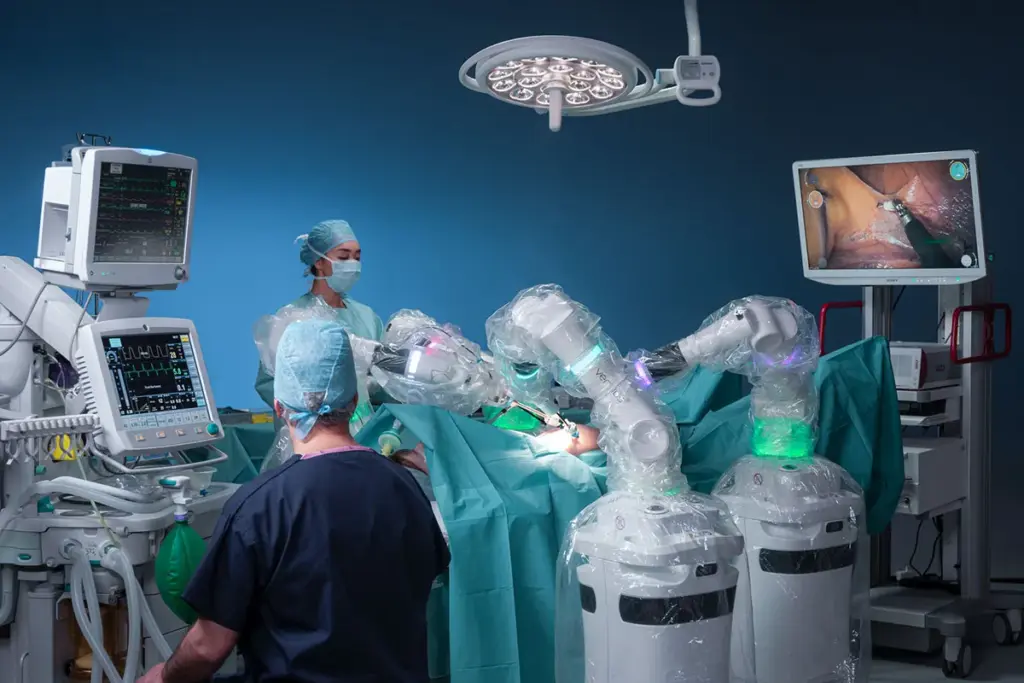
Having a hysterectomy is a big deal, and Understanding the key aspects of recovery is essential for a smoother healing process. Many women worry about how long their stomach will stay swollen after surgery. Reduce hysterectomy recovery swelling with best amazing tips. Learn incredible proven secrets for a successful and flat stomach.
Many women deal with swollen stomachs for a long time after surgery. This can be uncomfortable and worrying. How long and how much swelling happens can depend on the surgery type and the person’s health.
We’ll look at what causes swelling and how to handle it during recovery. Knowing what to expect can make the post-surgery time easier.
Key Takeaways
- Stomach swelling is a common issue after a hysterectomy.
- The duration of swelling varies based on individual factors.
- Understanding the recovery process can help manage expectations.
- Several factors influence the extent and duration of swelling.
- Effective management strategies can aid in a smoother recovery.
What Causes Stomach Swelling After Hysterectomy
Stomach swelling after a hysterectomy comes from several sources. These include surgical trauma and fluid retention. Each person’s healing journey is different.
Surgical Trauma and Inflammation
Surgical trauma from a hysterectomy causes inflammation. This is a natural healing response but can make the belly swell. The body’s reaction to surgery includes more blood flow, which can cause swelling and pain. It’s key to manage this inflammation well for a smooth recovery.
Fluid Retention
Fluid retention is another big reason for stomach swelling after a hysterectomy. The body holds more fluid than usual after surgery because of hormonal changes and anesthesia. This extra fluid can build up in the belly, causing swelling. Keeping an eye on fluid intake and output can help with this.
Abdominal Muscle Weakness
Weakness in the abdominal muscles after a hysterectomy can also make the belly look swollen. The surgery might weaken the muscles by making cuts through them. As the muscles heal, they get stronger again, but during the start of recovery, they can look swollen. Doing the right exercises after surgery can help the muscles get back in shape.
Knowing what causes stomach swelling after a hysterectomy helps patients prepare for their recovery. By tackling these issues, we can make the recovery process more comfortable and effective.
Typical Timeline for Stomach Swelling Resolution
Knowing when stomach swelling will go down after a hysterectomy helps set realistic goals for recovery. Swelling patterns differ from person to person.
Days 1-3: Peak Swelling Period
The first few days after a hysterectomy are usually the worst for swelling. This is because of the body’s reaction to surgical trauma and inflammation. Patients often feel a lot of pain and see a big belly.
Days 4-14: Initial Reduction
As healing starts, swelling starts to go down slowly. By the end of two weeks, most see a big drop in swelling. This time is key for following doctor’s orders to aid in recovery from hysterectomy week by week.
Weeks 3-6: Significant Improvement
Between weeks three and six, things start to look up. Swelling keeps going down, and the belly feels more like normal. It’s important to keep up with gentle exercises and eat well to help with swelling resolution.
Months 2-3: Final Resolution
By the second and third months, most swelling should be gone. The belly will keep settling, and any left-over swelling is small. This is the last part of the hysterectomy recovery timeline, where most can go back to normal activities with doctor’s okay.
Every person’s recovery after a hysterectomy is different. But knowing when swelling usually goes down can offer comfort and help prepare for the recovery from hysterectomy week by week.
How Different Hysterectomy Types Affect Swelling
The type of hysterectomy done affects how much swelling you’ll have after surgery. We’ll look at how different surgeries impact your recovery and swelling.
Abdominal Hysterectomy Recovery
Abdominal hysterectomy needs a big cut in the belly. This can cause more swelling and takes longer to heal. It usually takes about 6-8 weeks to get back to normal.
Laparoscopic Hysterectomy Recovery
Laparoscopic hysterectomy uses small cuts and is less invasive. It leads to less swelling and quicker healing. Most people recover in 3-6 weeks.
Vaginal Hysterectomy Recovery
Vaginal hysterectomy is done through the vagina, avoiding big cuts. It might cause less swelling and faster healing. Most people recover in 3-6 weeks, similar to laparoscopic.
|
Hysterectomy Type |
Average Recovery Time |
Swelling Severity |
|---|---|---|
|
Abdominal |
6-8 weeks |
High |
|
Laparoscopic |
3-6 weeks |
Moderate |
|
Vaginal |
3-6 weeks |
Low |
The type of hysterectomy you get affects how much swelling you’ll have and how long it takes to heal. Knowing this helps patients understand what to expect.
Recovery from Hysterectomy Week by Week
Knowing what to expect after a hysterectomy is key. It helps manage your hopes and ensures a smooth healing. We’ll guide you through each week, sharing insights and tips for this big life change.
Week 1: Managing Initial Swelling
The first week can be tough with lots of swelling and pain. Managing initial swelling is very important. Listen to your doctor about pain relief and rest. Watch how your body reacts and tell your doctor if you have any worries.
Weeks 2-3: Transitional Healing Phase
Weeks 2-3 are a time of noticeable healing. You might feel better and the swelling should lessen. Start with gentle movements and eat well to aid your recovery.
Weeks 4-6: Return to Light Activities
By weeks 4-6, you can start with light activities like short walks. This is a key time to build strength and move more. But, don’t push too hard to avoid setbacks.
Weeks 6-12: Advanced Recovery
Weeks 6-12 are for more activity. You can slowly get back to your usual life, but some might feel tired or sore. Keep following your doctor’s advice and be patient with your healing.
Stay informed and gentle with your body during recovery. Knowing what to expect each week helps you navigate this journey. You’ll look forward to a healthier, more vibrant life after your hysterectomy.
Hysterectomy Recovery: Effective Swelling Management
Managing swelling well after a hysterectomy can greatly improve your recovery. It’s key to reduce discomfort and help you heal faster.
Medical Interventions
Medical treatments are important for swelling after a hysterectomy. We use different methods to lessen swelling and aid in healing.
Common Medical Interventions:
- Administration of anti-inflammatory medications
- Use of corticosteroids to reduce inflammation
- Implementation of pain management protocols
|
Medical Intervention |
Purpose |
Benefits |
|---|---|---|
|
Anti-inflammatory medications |
Reduce inflammation and swelling |
Minimizes discomfort and promotes healing |
|
Corticosteroids |
Suppress inflammation and immune response |
Reduces swelling and promotes recovery |
|
Pain management protocols |
Manage pain effectively |
Enhances patient comfort and promotes mobility |
Compression Garments
Compression garments are also helpful for swelling after a hysterectomy. They apply pressure to help reduce swelling and improve blood flow.
Benefits of Compression Garments:
- Reduces swelling and discomfort
- Promotes blood flow and circulation
- Provides support and stability
Positioning Techniques
Positioning can also help manage swelling after a hysterectomy. Elevating the affected area and avoiding certain positions can reduce swelling and aid in healing.
Effective Positioning Techniques:
- Elevating the legs and feet
- Avoiding heavy lifting and bending
- Using pillows to support the body
By using these methods together, we can manage swelling well and help you recover smoothly after a hysterectomy.
Normal vs. Abnormal Swelling: When to Worry
It’s important to know the difference between normal and abnormal swelling after a hysterectomy. Some swelling is okay because of the surgery and healing. But, knowing when it might mean a problem is key.
Expected Swelling Patterns
Swelling after a hysterectomy usually follows a pattern. It gets worse in the first few days and then starts to go down. Most people see a big change in 3-6 weeks. But, how fast it goes down can depend on the surgery type, your health, and following doctor’s orders.
Red Flags for Complications
Some swelling is normal, but certain signs might mean trouble. These red flags include:
- Swelling that gets worse or doesn’t go away
- Pain that’s too much for the medicine
- Abdomen that’s red, warm, or sore
- Fever or feeling cold
- Bad smell or unusual discharge from the cut
If you see any of these, call your doctor right away.
Symptoms of Torn Internal Stitches
Torn stitches inside can be serious. Signs might be:
- Very bad stomach pain
- Feeling like something inside is breaking
- More swelling or bruising
- Feeling sick or throwing up
If you think you have torn stitches, get help fast. Quick action can help avoid more problems and make recovery easier.
Stomach Before and After Hysterectomy: What to Expect
The stomach changes a lot after a hysterectomy. Knowing what to expect can make you feel better. Understanding these changes helps manage your expectations and reduces anxiety.
Immediate Post-Surgical Appearance
Right after a hysterectomy, the stomach area gets swollen and bruised. This is because of the surgery. The swelling is very noticeable in the first few days.
Key factors contributing to the immediate post-surgical appearance include:
- Surgical incision site swelling
- Bruising around the incision area
- Abdominal distension due to gas and fluid retention
Medium-Term Changes (1-3 Months)
As we move into the medium term, usually between one to three months after surgery, the swelling starts to go down. The stomach area begins to look more like it did before. But, some changes might be noticeable.
|
Change |
Description |
Timeline |
|---|---|---|
|
Swelling Reduction |
Gradual decrease in swelling as the body heals |
1-2 months |
|
Bruising Fading |
Bruising color changes from purple to yellow before fading |
2-6 weeks |
|
Scar Formation |
The scar begins to form and mature |
1-3 months |
Long-Term Abdominal Contour
In the long term, the stomach usually looks normal again. But, this can depend on many things. Like the type of hysterectomy and your overall health.
Factors influencing long-term abdominal contour include:
- Type of hysterectomy (abdominal, laparoscopic, or vaginal)
- Individual healing process
- Post-surgery care and lifestyle choices
Inside the Body After Hysterectomy
Knowing what happens inside the body after a hysterectomy helps patients get ready for recovery. The surgery removes the uterus, causing other organs to move. The body starts to heal by filling this space and adjusting the internal anatomy. This can cause temporary discomfort as the body adjusts.
Changes after a hysterectomy aren’t just about the uterus. The tissues and organs around it also change a lot. For example, the supporting ligaments and structures may change or move.
Internal Healing Process
The healing process after a hysterectomy is complex and has many stages. First, the body works to close the wound and fight off infection. As healing goes on, the body repairs and regenerates tissues.
Effective internal healing is key for a good recovery. It’s not just about closing the wound. It’s also about getting the internal anatomy back to its new normal.
Organ Repositioning Effects
One big change after a hysterectomy is how organs move. The space left by the uterus can make other organs like the intestines or bladder move. This can sometimes cause temporary discomfort or changes in how the body works.
But over time, the body gets used to these changes. Most patients find their health and comfort improve. Knowing about these changes can help manage expectations and make recovery smoother.
Caring for Your Hysterectomy Scar
Proper care of your hysterectomy scar is key for healing and reducing its look. The scar comes from the surgical cut made to reach the uterus. Taking care of this scar is a big part of getting better.
Proper Incision Care
To make sure your scar heals right, follow some important steps. Your doctor might put a dressing on the incision. Keep the area clean and dry as your doctor tells you. You’ll likely be told to wash it with mild soap and water.
Avoid harsh or scented soaps, as they can upset the skin.
- Gently pat the area dry with a clean towel.
- Avoid submerging the incision in water (e.g., taking a bath or swimming) until it’s fully healed.
- Follow your doctor’s instructions regarding dressing changes.
Scar Minimization Techniques
While scarring is common after a hysterectomy, you can make your scar less noticeable. Massaging the scar tissue gently can help. Silicone gel or sheeting can also be used to make the scar look better.
- Massage the scar gently with your fingertips in a circular motion.
- Apply silicone gel or sheeting as directed by your healthcare provider.
- Protect the scar from the sun by covering it or using a broad-spectrum sunscreen with at least SPF 30.
Long-Term Scar Appearance
Your hysterectomy scar will look different over time. At first, it might be red and raised. But it will fade. Be patient, as this process can take several months to a few years.
The scar’s final look depends on your skin, the incision size and depth, and how well you care for it.
By following the right care and using scar minimization techniques, you can help your scar heal well and look less noticeable. If you have concerns or notice signs of infection, like more redness, swelling, or discharge, reach out to your healthcare provider.
Pain Management During Swelling Periods
Managing pain is key during the swelling period after a hysterectomy. It helps patients feel better and recover faster.
Prescribed Medications
Doctors often start with medications to control pain after a hysterectomy. These can include:
- Opioids: These are strong pain relievers but should only be used for a short time because they can be addictive.
- Non-opioid analgesics: These are safer options with fewer side effects.
It’s important to take the right amount of medication as your doctor advises. This helps avoid side effects and keeps the pain away.
Over-the-Counter Options
Over-the-counter (OTC) pain relievers can also help with pain after a hysterectomy. Some common ones are:
- Acetaminophen: It helps with pain and fever.
- Ibuprofen: This is an anti-inflammatory that also reduces pain.
But, always talk to your doctor before taking any OTC medication. They can make sure it won’t harm your recovery or mix with other medicines.
Non-Pharmaceutical Approaches
There are also ways to manage pain without medication:
- Breathing exercises: Deep breathing can relax your body and lessen pain.
- Physical therapy: Gentle exercises and stretches can help improve circulation and reduce stiffness.
- Heat or cold therapy: Using heat or cold packs on the affected area can also help.
Using these methods along with medication can make you feel more comfortable during your recovery.
Safe Physical Activities to Reduce Swelling
Doing the right physical activities after a hysterectomy can help with swelling. Gentle exercises boost circulation and help you get stronger and more flexible. Start with easy activities and slowly add more as you get better.
Gentle Walking Regimen
Walking is a great way to fight swelling after a hysterectomy. It improves blood flow, which helps reduce swelling. Begin with short walks of 5-10 minutes and increase the time as you heal.
Benefits of Walking:
- Improves circulation
- Reduces swelling
- Enhances overall recovery
Appropriate Stretching Exercises
Stretching makes you more flexible and relieves muscle tension. Choose gentle stretches that don’t strain your belly muscles. Good stretches include:
- Gentle pelvic tilts
- Leg raises
- Arm stretches
Pelvic Floor Rehabilitation
Kegel exercises are key for strengthening pelvic muscles. They help with swelling and bladder control. To do Kegels, squeeze your pelvic muscles like you’re stopping urine flow, hold for a few seconds, then release.
Gradual Activity Progression
It’s important to slowly increase your activity level. Begin with low-intensity exercises and watch how your body reacts. As you get better, you can do more and longer activities. Always listen to your body and don’t overdo it.
Remember, everyone heals at their own pace. Be patient and listen to your body to guide your recovery.
Dietary Approaches to Minimize Swelling
A well-planned diet is key to reducing swelling and aiding in recovery after a hysterectomy. The foods we eat greatly affect our body’s healing and inflammation levels.
Anti-Inflammatory Foods
Eating anti-inflammatory foods can help lessen swelling and aid in healing. Some examples include:
- Fatty Fish: Rich in omega-3 fatty acids, which are known for their anti-inflammatory properties.
- Turmeric: Contains curcumin, a compound with potent anti-inflammatory effects.
- Ginger: Has natural anti-inflammatory properties that can help reduce pain and swelling.
- Leafy Greens: Packed with antioxidants and other nutrients that support overall health and reduce inflammation.
- Berries: Rich in antioxidants and flavonoids that help combat inflammation.
Hydration Strategies
Drinking enough water is vital for flushing out toxins and reducing swelling. We suggest:
- Drinking at least 8-10 glasses of water per day.
- Incorporating hydrating foods like watermelon and cucumber into our diet.
- Avoiding sugary drinks and caffeine, which can act as diuretics.
Foods to Avoid
Some foods can worsen inflammation and swelling. It’s wise to limit or avoid:
- Processed Foods: Often high in sodium and unhealthy fats.
- Sugary Snacks: Can lead to inflammation and hinder the healing process.
- Foods High in Sodium: Can cause water retention and increase swelling.
Meal Planning for Recovery
Effective meal planning helps us stick to a healthy, anti-inflammatory diet. Here are some tips:
|
Meal |
Foods to Include |
Benefits |
|---|---|---|
|
Breakfast |
Oatmeal with berries and nuts |
Rich in fiber and antioxidants |
|
Lunch |
Grilled chicken with leafy greens and quinoa |
High in protein and anti-inflammatory compounds |
|
Dinner |
Baked salmon with turmeric and steamed vegetables |
Rich in omega-3 fatty acids and anti-inflammatory curcumin |
By following these dietary approaches, we can reduce swelling, support healing, and improve overall well-being after a hysterectomy.
Body Changes After Uterus Removal: Emotional Adaptation
After a hysterectomy, women often face a journey of emotional adaptation to their new bodily changes. This process involves not just physical healing but also coming to terms with the emotional implications of the surgery.
Processing Physical Transformation
The physical changes after a hysterectomy can be significant, and processing these changes is a key part of emotional adaptation. Women may feel a range of emotions, from relief to grief, as they adjust to their new body.
“The body has a memory of its own, and it takes time to reconcile the changes that have occurred.” – This quote resonates with many women as they navigate their post-hysterectomy journey.
It’s essential to acknowledge these feelings and allow oneself the time and space to heal emotionally. Support from healthcare providers, family, and friends can play a vital role in this process.
Building a Positive Body Image
Building a positive body image after a hysterectomy involves focusing on health and well-being. Engaging in gentle exercises, such as pelvic floor rehabilitation, can help women reconnect with their bodies.
|
Activity |
Benefits |
|---|---|
|
Gentle Walking |
Improves circulation, reduces swelling |
|
Pelvic Floor Rehabilitation |
Strengthens core muscles, enhances body awareness |
|
Meditation and Mindfulness |
Reduces stress, promotes emotional healing |
Practices like meditation and mindfulness can also contribute to a more positive body image. They help foster a deeper connection between body and mind.
Support Resources
Having access to the right support resources is key for emotional adaptation after a hysterectomy. This can include counseling, support groups, and online forums where women can share their experiences and find solidarity.
Key Support Resources:
- Counseling services tailored to post-hysterectomy emotional needs
- Support groups for women who have undergone similar surgeries
- Online forums and communities for sharing experiences
By leveraging these resources, women can navigate the emotional aspects of their recovery more effectively.
Conclusion
Recovering from a hysterectomy means knowing about stomach swelling, managing pain, and living a healthy lifestyle. We’ve looked at how different things affect your recovery. This includes the type of surgery, the trauma from surgery, and fluid buildup.
Getting better after a hysterectomy needs a mix of medical help, using compression clothes, and how you sit or lie down. By following the best ways to recover, you can avoid problems and get better faster.
Every person’s recovery is different, but it usually follows a similar path. Knowing this timeline helps you understand your journey and make smart choices about your health.
By taking a full approach to recovery, you can lower your chance of problems and have a better recovery. We’re dedicated to giving top-notch care and support to patients from around the world.
FAQ
How long does it take to recover from a hysterectomy?
Recovery time from a hysterectomy varies. It usually takes about 6-8 weeks to fully heal.
What are the common symptoms after a hysterectomy?
Symptoms after a hysterectomy include swelling, pain, and fatigue. You might also see vaginal bleeding or discharge. These symptoms usually go away in a few weeks.
How can I manage pain after a hysterectomy?
Managing pain involves several steps. Use prescribed and over-the-counter medicines. Also, rest, relax, and do gentle exercises.
What are the signs of complications after a hysterectomy?
Look out for severe pain, heavy bleeding, fever, and swelling. If you notice these, get medical help right away.
How long will my stomach be swollen after a hysterectomy?
Swelling in the stomach can last weeks. It usually goes away in 6-12 weeks. The time it takes depends on the surgery and your body.
What can I do to reduce swelling after a hysterectomy?
To reduce swelling, try walking, stretching, and pelvic floor exercises. Use compression clothes. Eating well and drinking water also helps.
How long does it take to return to normal activities after a hysterectomy?
It takes time to get back to normal. You can start with light activities in 4-6 weeks. For more strenuous activities, it may take 8-12 weeks.
What dietary changes can help with recovery after a hysterectomy?
Eat foods that fight inflammation and stay hydrated. Avoid certain foods. A diet full of fruits, veggies, and whole grains is best.
How can I care for my hysterectomy scar?
Keep the scar clean and follow your doctor’s wound care advice. Using silicone gel or massaging the scar can help minimize it.
What emotional changes can I expect after a hysterectomy?
You might feel mood swings, anxiety, or depression after a hysterectomy. It’s important to talk to healthcare professionals, family, and friends for support.



 Departments
 Related Videos
 Our Doctors
 News
News