
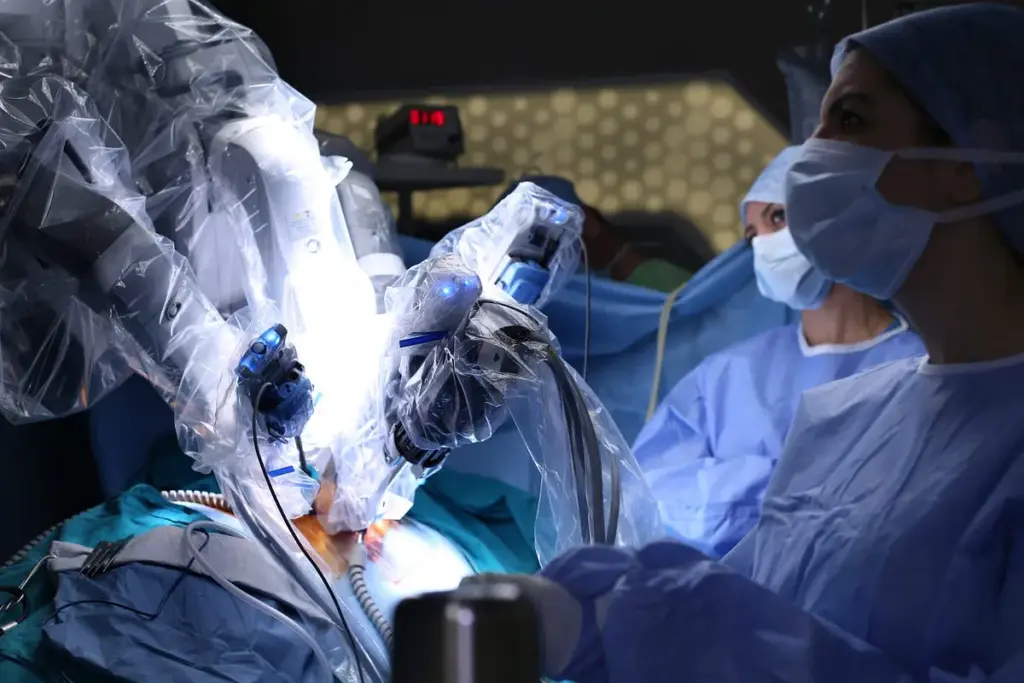
Did you know over 600,000 hysterectomies happen every year in the United States? Many of these surgeries now use robotic-assisted technology.
Having a hysterectomy can feel scary. However, a robotic hysterectomy is considered a less intimidating option as it employs a robotic system that enhances surgical precision and control.
We’re all about top-notch healthcare at our place. We also help international patients a lot. Our team gives you personal care and helps you through the hysterectomy recovery process.
Key Takeaways
- Robotic hysterectomy is a type of laparoscopic surgery used to remove the uterus.
- It’s considered a less invasive procedure compared to traditional open surgery.
- The robotic system enhances precision and control during the procedure.
- Our institution provides comprehensive support for international patients.
- Personalized care and guidance are available throughout the recovery process.
Understanding Hysterectomy: Definition and Basic Concepts
When you need a hysterectomy, it’s key to know what it is and why it’s done. A hysterectomy means surgically removing the uterus. It’s a big deal for a woman’s health and life.
What Is a Hysterectomy?
A hysterectomy is a surgery to take out the uterus. It’s done for many health reasons. Knowing what it is helps you understand its impact on your life.
Types of Hysterectomy Procedures
There are many types of hysterectomies, each for different reasons. Here are a few:
- Total Hysterectomy: This removes the whole uterus, including the cervix.
- Partial (or Subtotal) Hysterectomy: It takes out the top part of the uterus but keeps the cervix.
- Radical Hysterectomy: This is for cancer. It removes the uterus, cervix, part of the vagina, and sometimes more.
Common Reasons for Surgically Removing the Uterus
Doctors decide on a hysterectomy for many health issues. Here are some common ones:
- Uterine Fibroids: These are non-cancerous growths that cause pain and heavy bleeding.
- Endometriosis: This is when tissue like the uterus lining grows outside, causing pain.
- Cancer: Cancer in the uterus, cervix, or ovaries might need a hysterectomy to treat it.
- Chronic Pelvic Pain: Long-lasting pain in the pelvic area that other treatments can’t fix.
- Abnormal Uterine Bleeding: Bleeding that’s too heavy or irregular and doesn’t stop with other treatments.
Knowing about hysterectomy helps women make better health choices. Understanding the reasons and what to expect makes the journey easier.
The Evolution of Hysterectomy Techniques

Hysterectomy procedures have changed a lot. Now, they use less invasive methods. This has greatly improved how patients recover.
Traditional Open Hysterectomy
Older hysterectomies were done with a big cut in the belly. This method takes longer to heal and hurts more after surgery.
Laparoscopic Hysterectomy
Laparoscopic surgery came next. It uses smaller cuts and heals faster. But, it’s harder to do and needs a skilled surgeon.
Introduction of Robotic-Assisted Surgery
Robotic hysterectomy is the latest step. It brings better precision and control. It also makes complex surgeries easier.
The benefits of robotic hysterectomy are:
- Less blood loss during surgery
- Smaller cuts, less scarring
- Shorter hospital stays and quicker recovery
- Better precision and control
As technology gets better, so will hysterectomy methods. This will keep improving patient care and results.
What Is a Robotic Hysterectomy?
Robotic hysterectomy is a modern surgery that uses the da Vinci Surgical System for better precision. This technology has changed gynecological surgery, making it safer and more effective for patients.
The da Vinci Surgical System Explained
The da Vinci Surgical System is a robotic tool for complex surgeries. It has a surgeon’s console, a patient cart, and a 3D vision system. The surgeon’s console lets the doctor control the robotic arms with great precision.
Key Features of the da Vinci Surgical System:
- High-definition 3D visualization
- Precise robotic instrumentation
- Enhanced ergonomics for the surgeon
- Improved dexterity and control
How Robotic Technology Enhances Surgical Precision
The da Vinci Surgical System makes hysterectomies more precise. Its 3D vision gives a clear view of the area being operated on. This reduces the chance of mistakes and complications.
|
Feature |
Benefit |
|---|---|
|
High-definition 3D vision |
Improved visualization of the surgical site |
|
Robotic instrumentation |
Enhanced precision and dexterity |
|
Ergonomic design |
Reduced surgeon fatigue and improved control |
The Surgeon’s Role During Robotic Procedures
In a robotic hysterectomy, the surgeon controls the da Vinci Surgical System. Sitting at the console, the surgeon uses the robotic arms for precise movements. This setup helps the surgeon perform complex tasks with great accuracy.
The success of robotic hysterectomy depends on the surgeon’s skill and the da Vinci System’s technology. Together, they offer a safe and effective surgery option for patients.
Medical Conditions That May Require a Robotic Hysterectomy
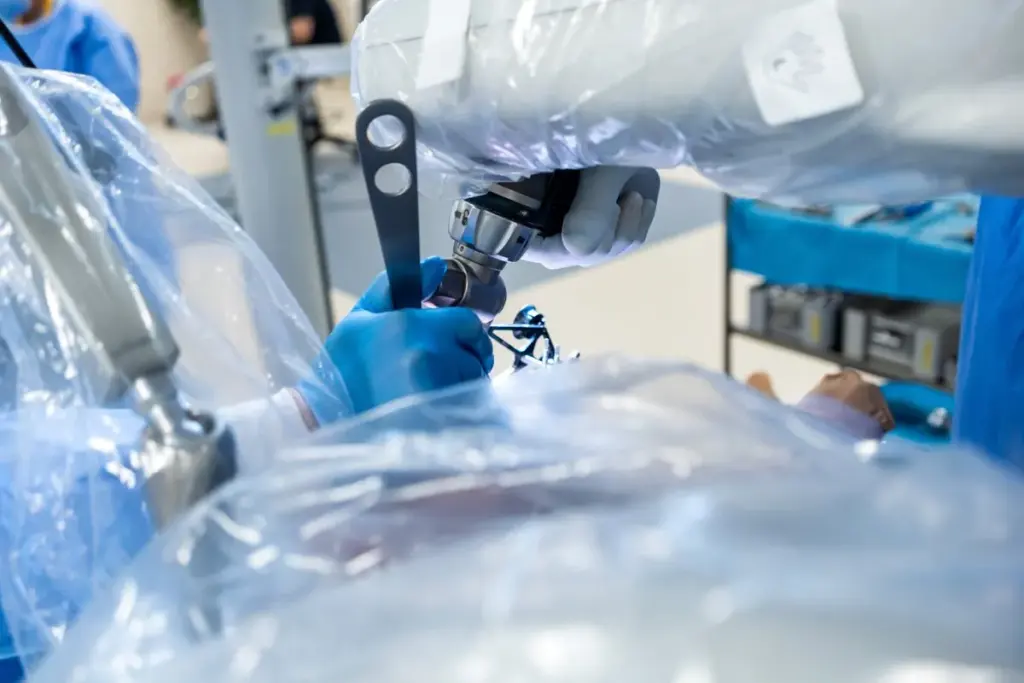
Choosing a robotic hysterectomy often comes from health issues that affect daily life. Many medical conditions may lead to this surgery.
Uterine Fibroids
Uterine fibroids are non-cancerous growths in or around the uterus. They can cause heavy bleeding, long periods, and pain. Sometimes, they can lead to anemia from too much bleeding.
Symptoms and Treatment Considerations: If fibroids cause big problems, doctors look at treatment options. Robotic hysterectomy is a less invasive choice.
Endometriosis and Adenomyosis
Endometriosis makes tissue like the uterine lining grow outside, causing pain. Adenomyosis makes tissue grow into the uterine walls, leading to heavy bleeding and pain. Both can really hurt a woman’s life quality.
Robotic Hysterectomy as a Treatment Option: For severe endometriosis or adenomyosis, robotic hysterectomy is an option. It’s especially considered when other treatments don’t work.
Gynecological Cancers
Gynecological cancers, like cervical, uterine, and ovarian, might need surgery. Robotic hysterectomy is used for some cancers, offering precision and less invasion.
Chronic Pelvic Pain and Abnormal Bleeding
Chronic pelvic pain and abnormal bleeding can come from many gynecological issues. When symptoms are severe and other treatments don’t help, robotic hysterectomy might be considered.
|
Condition |
Common Symptoms |
Treatment Considerations |
|---|---|---|
|
Uterine Fibroids |
Heavy bleeding, pelvic pain |
Robotic hysterectomy for significant symptoms |
|
Endometriosis |
Pelvic pain, infertility |
Considered when other treatments fail |
|
Adenomyosis |
Heavy bleeding, pelvic pain |
Robotic hysterectomy for severe cases |
|
Gynecological Cancers |
Varies by cancer type |
Part of cancer treatment plan |
Knowing the medical conditions that might need a robotic hysterectomy helps patients talk better with their doctors about treatment.
Benefits of Choosing Robotic Hysterectomy
Robotic hysterectomy has changed gynecological surgery a lot. It combines the skill of the surgeon with the accuracy of robots. This leads to better results and quicker healing.
Enhanced Surgical Precision and Control
The robotic system gives surgeons better control and precision. This is key in avoiding damage to nearby tissues and organs. It helps in reducing complications after surgery. The robotic tools are made to move like human hands, making dissection and stitching more precise.
Reduced Blood Loss During Surgery
Robotic hysterectomy also means less blood loss during surgery. The robot’s better view and precision help surgeons control bleeding better. This cuts down the need for blood transfusions and lowers the risk of complications after surgery.
Smaller Incisions and Cosmetic Advantages
Robotic hysterectomy uses smaller cuts than traditional surgery. These smaller cuts cause less damage and pain after surgery. They also leave smaller scars, which look better and are a big plus for many patients.
|
Benefits |
Robotic Hysterectomy |
Traditional Open Hysterectomy |
|---|---|---|
|
Surgical Precision |
Enhanced precision with robotic assistance |
Limited by manual dexterity |
|
Blood Loss |
Reduced blood loss due to precise dissection |
Higher risk of significant blood loss |
|
Incision Size |
Smaller incisions, less tissue trauma |
Larger incision, more tissue trauma |
Choosing robotic hysterectomy means getting a more advanced and precise surgery. This leads to faster recovery and better-looking results. It’s important for patients to talk to their doctor to see if this is the best option for them.
Potential Candidates for Robotic Hysterectomy
Robotic hysterectomy is a good choice for many women. But, it depends on their health and situation. It’s important to talk about it after checking their health and condition.
Ideal Patient Profiles
Women with uterine fibroids, endometriosis, or some cancers might choose robotic hysterectomy. It’s precise and controlled, making it a good option for these conditions.
Here are some key traits of ideal candidates:
- They have complex conditions that need careful surgery.
- They want less scarring and a quicker recovery.
- They’ve had surgery before, as robotic surgery works well with adhesions.
|
Condition |
Robotic Hysterectomy Benefits |
Ideal Candidate Characteristics |
|---|---|---|
|
Uterine Fibroids |
Minimally invasive, less blood loss |
Symptomatic fibroids, desire for quicker recovery |
|
Endometriosis |
Enhanced precision in dissecting adhesions |
Severe endometriosis, previous abdominal surgery |
|
Gynecological Cancers |
Accurate lymph node dissection, reduced trauma |
Early-stage cancer, overall good health |
When Robotic Surgery May Not Be Recommended
Robotic hysterectomy has many benefits. But, it’s not for everyone. It’s not recommended for very complex cases or when health issues make it risky.
Here are some reasons it might not be suggested:
- Advanced cancer that needs more surgery.
- Severe adhesions or distorted anatomy that robotic systems can’t handle.
- Patients with heart or lung problems that make surgery risky.
Discussing Options With Your Healthcare Provider
Talking to your doctor about robotic hysterectomy is key. You need to know the benefits and risks, and other options too.
Be ready to share your medical history, symptoms, and any worries about the surgery. This helps make a choice that fits your health and needs.
The Robotic Hysterectomy Procedure: What to Expect
Understanding the robotic hysterectomy procedure is key. Knowing what happens before, during, and after surgery can ease worries. It prepares patients for what’s to come.
Pre-Surgical Preparation
Before a robotic hysterectomy, patients go through several steps. These steps help make the surgery go smoothly. They include:
- Doing medical tests like blood work or imaging.
- Talking about the surgery’s risks and benefits.
- Following rules about medicine and food before surgery.
- Planning for care and support at home after surgery.
Pre-surgical testing is vital. It checks for health issues that might affect the surgery or recovery. Our team will help you get ready for the procedure.
Step-by-Step Surgical Process
The robotic hysterectomy uses the da Vinci Surgical System. Here’s how it works:
- The patient gets general anesthesia for comfort.
- Small cuts are made for the robotic arms and camera.
- The surgeon uses the robotic system to do the surgery.
- The uterus is removed, and any extra steps are taken.
- The cuts are closed with stitches or staples.
Immediate Post-Operative Care
After surgery, patients go to the recovery room. Here, they get:
- Medicine for pain and discomfort.
- Watched for any complications or infection.
- Given clear instructions for home care.
- Encouraged to move early to prevent blood clots and aid healing.
Our healthcare team focuses on caring for you during recovery. We aim for the best results for our patients.
Hysterectomy Recovery Timeline and Expectations
Knowing the recovery timeline after a hysterectomy is key. It helps manage expectations and ensures a smooth healing. The recovery has several stages, each with its own guidelines.
Hospital Stay Duration
The hospital stay after a hysterectomy varies. It depends on the surgery type and the patient’s health. Generally, robotic hysterectomies lead to shorter stays than open surgery. Stays usually last from 1 to 3 days.
First Week After Surgery
The first week is crucial for recovery. Patients should rest and avoid heavy activities. They might feel pain, discomfort, and fatigue.
Managing pain well and following doctor’s orders are key. This helps in a smooth recovery.
Weeks 2-6 of Recovery
In weeks 2 to 6, patients can start doing more. Most women can get back to normal in 4 to 6 weeks. But, it’s important to listen to your body and not rush.
Going to follow-up appointments is also crucial during this time.
Complete Recovery Milestones
Full recovery from a hysterectomy takes months. Patients might still feel some symptoms or emotional changes. Reaching full recovery means both physical and emotional healing.
It’s important to stay in touch with healthcare providers. This helps address any concerns or questions.
|
Recovery Stage |
Timeline |
Expectations and Guidelines |
|---|---|---|
|
Hospital Stay |
1-3 days |
Rest, pain management, initial recovery |
|
First Week |
1 week |
Rest, avoid strenuous activities, manage pain |
|
Weeks 2-6 |
2-6 weeks |
Gradually increase activity, follow-up appointments |
|
Complete Recovery |
Several months |
Physical healing, emotional adjustment, follow-up care |
Understanding Your Body After Hysterectomy
It’s important to know about the physical and hormonal changes after a hysterectomy. These changes can impact your life quality.
Physical Changes Inside the Body After Hysterectomy
After a hysterectomy, the body changes in many ways. The uterus removal can alter the pelvic structure. Understanding these changes helps in managing care after surgery.
One big change is stopping menstrual cycles. Women who haven’t reached menopause won’t have periods anymore. The pelvic area might also change, affecting other organs.
Hormonal Impacts Based on Ovary Removal
Removing the ovaries during a hysterectomy affects hormone levels. The ovaries make hormones like estrogen and progesterone. These hormones control menstrual cycles and bone health.
Without ovaries, women may suddenly go through menopause. This can cause hot flashes, mood swings, and vaginal dryness. Hormone replacement therapy (HRT) might be suggested to help with these symptoms.
Long-term Anatomical Considerations
Long-term changes in the body can happen after a hysterectomy. The uterus removal can affect pelvic support, raising the risk of prolapse. Staying healthy and doing pelvic floor exercises can help reduce these risks.
Women should also watch for changes in bladder and bowel functions. Some might face urinary incontinence or constipation. These can often be managed with lifestyle changes and, if needed, medical help.
Comparing Robotic Hysterectomy to Other Surgical Approaches
Robotic hysterectomy is a popular choice for many, but how does it stack up against other methods? It’s important to understand these differences to make an informed choice.
Robotic vs. Traditional Open Hysterectomy
Traditional open hysterectomy uses a big cut in the belly to reach the uterus. Robotic hysterectomy, on the other hand, uses small cuts, causing less damage. This leads to less blood loss and shorter hospital stays.
But, open surgery might be better for complex cases like big fibroids or adhesions. The right choice depends on the patient’s needs and the surgeon’s advice.
Robotic vs. Laparoscopic Hysterectomy
Laparoscopic hysterectomy uses a laparoscope for a minimally invasive approach. Both laparoscopic and robotic hysterectomies are better than open surgery. Robotic surgery offers better dexterity and clearer views thanks to its advanced tech.
|
Surgical Approach |
Incision Size |
Blood Loss |
Recovery Time |
|---|---|---|---|
|
Robotic Hysterectomy |
Small |
Minimal |
Short |
|
Laparoscopic Hysterectomy |
Small |
Minimal |
Short |
|
Traditional Open Hysterectomy |
Large |
Significant |
Long |
Robotic vs. Vaginal Hysterectomy
Vaginal hysterectomy removes the uterus through the vagina. It’s less invasive than abdominal surgeries but depends on uterine size and adhesions. Robotic surgery is useful in complex cases or when more procedures are needed.
Choosing between robotic, laparoscopic, open, or vaginal hysterectomy should be a team effort. It’s about the patient’s health, the reason for surgery, and the surgeon’s skills.
Potential Side Effects of Hysterectomy
A hysterectomy is a big change, but it can have side effects. Knowing these is key for good care and making smart choices.
Common Surgical Complications
Complications from hysterectomy include infection, bleeding, and damage to nearby organs. Infection is a risk, but antibiotics help lower it. Bleeding can happen during or after surgery, sometimes needing blood transfusions. Damage to organs like the bladder or bowel is rare but serious.
Long-Term Side Effects of Hysterectomy
Long-term effects depend on if the ovaries are kept. If not, women might face early menopause with symptoms like hot flashes. Even with ovaries intact, some women see changes in their cycle or pelvic floor issues.
Emotional and Psychological Considerations
The emotional and mental effects of hysterectomy are real. Some women feel depression or anxiety due to hormonal changes or the loss of their uterus. Support from doctors, family, and friends is vital during this time.
Tips for Hysterectomy Recovery: Optimizing Your Healing
The recovery after a hysterectomy is key. There are many tips to help you heal well. We’ll talk about exercise, diet, and managing pain to make your recovery smooth.
Physical Activity Guidelines and Exercises After Hysterectomy
It’s important to start moving again after a hysterectomy. Gentle exercises like pelvic tilts and short walks help your body heal. Start slow and increase your activity as you feel better.
Avoid heavy lifting and bending for a few weeks. Listen to your body and don’t overdo it. Your doctor will tell you when you can do more.
Hysterectomy Recovery Diet and Nutrition
Eating well is crucial after a hysterectomy. Nutritional foods like fruits and lean proteins help your body heal. Don’t forget to drink lots of water.
Stay away from foods that upset your stomach. If your appetite or bowel habits change, adjust your diet to feel better.
Managing Pain and Discomfort
Managing pain is vital for a good recovery. Your doctor will give you pain meds. Always follow the dosage and talk about any side effects.
Try deep breathing exercises or meditation to ease pain. Rest well and keep your environment comfortable to aid in your recovery.
By following these tips, you can make your recovery after a hysterectomy better. This will help you feel well and get back to your normal life.
Life After Hysterectomy: Long-Term Considerations
Life after a hysterectomy brings many changes. These include adjusting to new sexual health, hormone levels, and health checks. It’s key to understand these long-term aspects for good health.
Sexual Health After Hysterectomy
Sexual health is a big concern for many women after a hysterectomy. The surgery can help with some gynecological problems but might change sex life. Some women might find sex better, while others might feel different in their libido or how they feel during sex.
Talking to your doctor about these feelings is important. Things like hormone changes, the removal of ovaries, and how you feel mentally can affect sex. Talking openly with your doctor can help find ways to deal with these changes.
Hormone Replacement Therapy Considerations
Some women might need hormone replacement therapy (HRT) after a hysterectomy, especially if their ovaries were removed. HRT helps with symptoms like hot flashes and mood swings. Deciding on HRT should be a talk with your doctor, taking into account your age, health, and past medical history.
- Relief from menopausal symptoms
- Potential benefits for bone density
- Consideration of individual health risks
Long-Term Health Monitoring
Keeping an eye on your health long-term after a hysterectomy is crucial. Regular visits to your doctor are important to check on your health and talk about any worries. This includes talking about hormone therapy and watching for health problems.
Living a healthy lifestyle is also key. Eating well and exercising regularly are important. Staying informed and seeking help when needed helps smoothly adjust to life after a hysterectomy.
Cost Considerations and Insurance Coverage
Patients looking into robotic hysterectomy should know about costs and insurance. This procedure has many benefits, but it’s important to understand the financial side. This helps with planning.
Average Costs
The cost of robotic hysterectomy varies. It depends on where you are, hospital fees, and the surgeon’s fees. On average, it can cost between $15,000 and $30,000 or more. This includes hospital stay and follow-up care.
Insurance Coverage Factors
Insurance for robotic hysterectomy varies. Most plans cover a lot if it’s medically needed.
- Check if your insurance covers robotic hysterectomy.
- Know your out-of-pocket costs, like deductibles and co-pays.
- Find out if there are any special rules or restrictions.
Questions to Ask Your Insurance Provider
It’s key to ask the right questions about your coverage. Here are some important ones:
- What does my plan cover for robotic hysterectomy?
- Are there any pre-approval steps I need to take?
- What will I have to pay out of pocket?
- Are there extra fees for the robotic surgery system?
- How do my deductible and co-pay apply to this procedure?
Knowing the costs and insurance can help you prepare financially for robotic hysterectomy. Talking to your healthcare provider and insurance company is a good idea. They can give you a clear picture.
Conclusion: Making an Informed Decision About Robotic Hysterectomy
Understanding robotic hysterectomy is key to making a good choice. It involves knowing the procedure, its benefits, and what might happen afterward. We’ve looked at all sides of robotic hysterectomy, from what it is to who might need it.
Choosing robotic hysterectomy means getting precise surgery, less blood loss, and smaller cuts. This can make recovery easier. Knowing what to expect helps patients decide what’s best for their health.
Deciding on robotic hysterectomy should be a team effort with a healthcare provider. They can help based on your specific needs. This way, patients can make a well-informed choice and get the best results.
FAQ
What is a robotic hysterectomy?
A robotic hysterectomy is a modern surgery to remove the uterus. It uses a robotic system for better precision and control.
Why is a hysterectomy performed?
Doctors do a hysterectomy for many reasons. This includes treating uterine fibroids, endometriosis, and gynecological cancers. It also helps with chronic pelvic pain and abnormal bleeding.
What are the benefits of choosing robotic hysterectomy?
Choosing robotic hysterectomy offers many benefits. It improves surgical precision, reduces blood loss, and makes incisions smaller. Patients also recover faster and more comfortably.
What is the da Vinci Surgical System?
The da Vinci Surgical System is a robotic platform. It’s used in robotic hysterectomy to enhance precision and control during surgery.
How long does it take to recover from a hysterectomy?
Recovery time for hysterectomy varies. Most patients stay a few days in the hospital. They then spend several weeks recovering at home. Full recovery is usually achieved within 6 weeks.
What are the potential side effects of hysterectomy?
Hysterectomy can have side effects. These include common surgical complications and long-term effects. Hormonal changes and impacts on sexual health are also possible.
How much does a robotic hysterectomy cost?
The cost of robotic hysterectomy varies. It depends on location, insurance, and individual needs. Costs can range widely.
Will insurance cover the cost of robotic hysterectomy?
Insurance coverage for robotic hysterectomy varies. It depends on your insurance plan. Some plans cover it, while others may need extra approvals or have specific requirements.
What are the long-term considerations after hysterectomy?
After hysterectomy, consider your sexual health and hormone needs. You may need hormone replacement therapy. Regular health checks are also important for your well-being.
How can I optimize my recovery after hysterectomy?
To optimize recovery, follow physical activity guidelines and dietary recommendations. Manage pain and discomfort to aid in healing.
What is the difference between robotic hysterectomy and other surgical approaches?
Robotic hysterectomy is different from other methods like open hysterectomy and laparoscopic hysterectomy. It’s minimally invasive, precise, and offers better recovery benefits.
Can I still have a normal sex life after hysterectomy?
Yes, you can maintain a normal sex life after hysterectomy. Discuss your concerns with a healthcare provider to ensure a fulfilling sex life.
How long does a robotic hysterectomy procedure take?
The time for a robotic hysterectomy varies. It depends on the patient’s needs and the complexity of the procedure. It usually takes a few hours.
Reference
National Center for Biotechnology Information. Evidence-Based Medical Insight. Retrieved from https://pmc.ncbi.nlm.nih.gov/articles/PMC10678826/[2



 Departments
 Related Videos
 Our Doctors
 News
News