

Robotic-assisted surgery has changed the medical world. It brings many benefits, like less pain and faster recovery times. Many patients who have a robotic hysterectomy can go home the next day. They can start their usual activities in 2-4 weeks.
The benefits of robotic surgery are obvious. It’s a gentle way to operate, causing less trauma to the body. This means patients can get back to their lives faster. This is great for women having a robotic hysterectomy, as they can quickly return to their daily routines.
Key Takeaways
- Robotic surgery results in less pain and quicker recovery.
- Patients can typically go home the day after surgery.
- Most women return to their normal activities within 2-4 weeks.
- Robotic hysterectomy is a minimally invasive procedure.
- Less trauma to the body leads to faster recovery.
Understanding Robotic Surgery for Hysterectomy
Robotic technology has changed how we do hysterectomies. This surgery uses robotic arms to remove the uterus. It’s more precise and cuts down on blood loss.
What is a Robotic Hysterectomy?
A robotic hysterectomy is a surgery to take out the uterus. It uses a robotic system. This tech lets surgeons make small cuts and fix things with less harm to the body.
How Robotic Technology Enhances Surgical Precision
Robotic tech makes surgery better by giving a clear 3D view of the area. It also lets surgeons move more accurately than with old methods. The robotic arms can bend and turn in ways humans can’t, making complex surgeries easier.
Benefits of Minimally Invasive Procedures
Robotic hysterectomies have big advantages. They use small cuts, cause less pain, and you can go home sooner. You also heal faster than with open surgery.
Knowing about robotic hysterectomy helps patients choose the right surgery. It combines new tech with small cuts, making it a big step forward in treating gynecological issues.
Types of Hysterectomy Procedures
It’s important to know about the different types of hysterectomy procedures. The right choice depends on the patient’s health, age, and the surgeon’s advice.
Total Hysterectomy vs. Partial Hysterectomy
A total hysterectomy means removing the whole uterus, including the cervix. On the other hand, a partial hysterectomy, or subtotal hysterectomy, removes the top part of the uterus but keeps the cervix. The choice between these depends on the reason for the surgery and the patient’s health.
For example, a total hysterectomy is often chosen for uterine cancer. A partial hysterectomy might be better for severe uterine prolapse or heavy bleeding that other treatments can’t fix.
Surgically Removing the Uterus: Techniques
There are different ways to surgically remove the uterus, like abdominal, vaginal, laparoscopic, and robotic hysterectomy. Robotic surgery uses a robotic system to help the surgeon. It allows for more precise and less invasive surgery.
Robotic surgery has many benefits. It means smaller cuts, less blood loss, and a quicker recovery than traditional surgery.
When Robotic Surgery is Recommended
Robotic surgery is often suggested for patients needing a hysterectomy for endometriosis, fibroids, or heavy bleeding. It’s great for those with a higher BMI or previous abdominal surgery. It allows for more precise surgery with fewer complications.
The choice of hysterectomy procedure and technique depends on the patient and the surgeon’s judgment. It’s key for patients to talk with their healthcare provider to find the best option for them.
The Robotic Hysterectomy Procedure
Women thinking about a hysterectomy might wonder about the robotic procedure. It’s a step-by-step process from start to finish. It includes preparation and care after surgery.
Pre-Surgery Preparation
Before a robotic hysterectomy, patients get tested to make sure they’re ready. They might have blood work, imaging, and a physical check-up.
How Long Does a Hysterectomy Take?
A robotic hysterectomy usually takes 2 to 4 hours. It’s done under general anesthesia. This keeps the patient comfortable during the surgery.
|
Procedure Aspect |
Details |
|---|---|
|
Surgery Time |
2 to 4 hours |
|
Anesthesia |
General anesthesia |
|
Post-Surgery Activity |
Patients are encouraged to walk and eat regular foods the day of surgery as tolerated |
Immediate Post-Operative Care
After surgery, patients go to the recovery room. They’re watched for any problems. Early mobilization is encouraged. Patients usually walk and eat normally the same day, if they can.
Hysterectomy Recovery Timeline
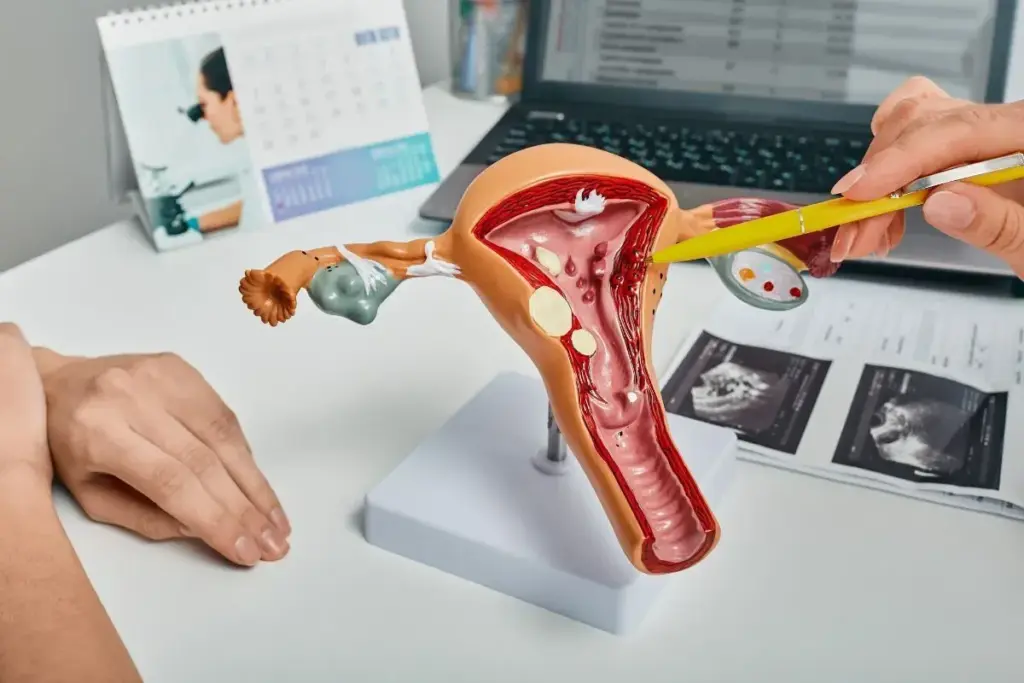
A hysterectomy recovery timeline helps you know what to expect after surgery. It makes managing your expectations easier and reduces anxiety. Every person’s recovery is different, but knowing the general stages can help you prepare.
First 24-48 Hours After Surgery
The first 24-48 hours after surgery are key. You might feel some vaginal bleeding and discomfort. These symptoms are managed with pain medication. Most patients go home the day after surgery, unless there are complications.
First Week of Recovery
In the first week, rest and avoid hard activities. You might keep bleeding vaginally. It’s important to follow your doctor’s advice on wound care and follow-up visits.
Weeks 2-4 of Recovery
As you heal, you can start doing normal things again. By weeks 2-4, you might be able to go back to work and do light exercises. But, avoid heavy lifting and hard workouts.
Long-term Recovery (1-3 Months)
It can take up to three months to fully recover from a hysterectomy. You might feel hormonal changes and emotional shifts during this time. Keeping in touch with your healthcare team is key to managing these effects.
Knowing the recovery timeline and possible side effects can make your experience better. By following your doctor’s advice and staying informed, you can confidently navigate your recovery.
Hospital Stay After Robotic Hysterectomy
Robotic hysterectomy is a minimally invasive surgery. It usually requires a short hospital stay, often just one day. This short stay is a big benefit of robotic surgery. It helps in a faster recovery time for hysterectomy.
Typical Length of Hospital Stay
Most patients leave the hospital within 24 hours after a robotic hysterectomy. The exact time depends on the patient’s health and how they handle the surgery. A shorter stay means a less complicated surgery and a quicker recovery.
Factors That May Extend Your Hospital Stay
While many patients leave quickly, some factors might keep them longer. These include:
- Complications during or after surgery
- Pre-existing health conditions that may affect recovery
- Severe post-operative pain or discomfort
It’s important for patients to talk to their healthcare provider about their risks. This helps them know what to expect.
Preparing for Discharge
To make the transition from hospital to home smooth, patients should:
- Understand post-operative care instructions
- Have a support system at home
- Manage pain with prescribed medication and other methods
Good preparation can make the hysterectomy recovery process more comfortable and efficient.
Physical Limitations During Hysterectomy Recovery
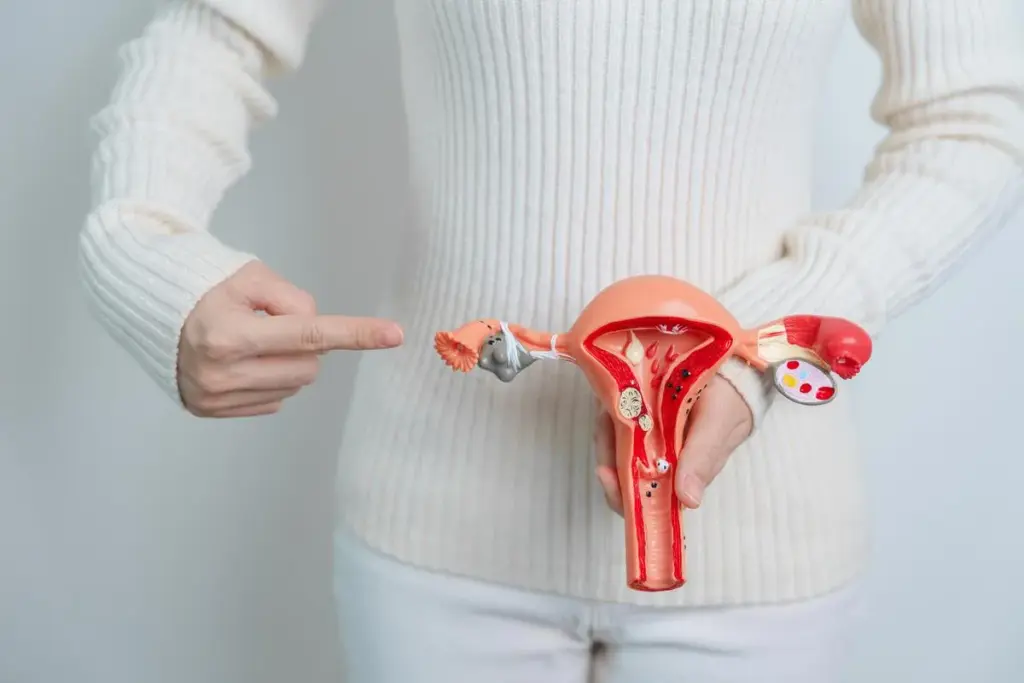
After a hysterectomy, it’s important to follow physical guidelines to avoid complications. Listening to your body’s needs is key to a smooth recovery.
Movement Restrictions
Right after surgery, start moving slowly to prevent blood clots and aid healing. But, avoid movements that strain or hurt you.
Lifting and Physical Activity Guidelines
For the first few weeks, stay away from heavy lifting, bending, or hard work. Try not to lift anything over 10-15 pounds.
|
Activity |
Recommended Limitation |
Duration |
|---|---|---|
|
Heavy Lifting |
Avoid lifting over 10-15 pounds |
4-6 weeks |
|
Strenuous Exercise |
Avoid high-impact activities |
6-8 weeks |
|
Bending or Straining |
Minimize bending or straining |
2-4 weeks |
Driving and Travel Considerations
Don’t drive if you’re taking strong pain meds. Talk to your doctor about travel plans. Sitting for long times can raise blood clot risks.
Returning to Work Timeline
When you can go back to work depends on your job and how fast you recover. Usually, it’s 4-6 weeks, but check with your doctor.
Managing Pain and Discomfort After Robotic Surgery
After a robotic hysterectomy, it’s key to manage pain well for a smooth recovery. Patients might feel different levels of discomfort. This can be handled with medicine and other methods.
Common Pain Patterns
Pain after robotic hysterectomy varies but often includes:
- Abdominal area discomfort
- Shoulder pain from gas used in surgery
- Pain at the robotic port site
Medication Options
Doctors usually give pain medicine after surgery. It’s important to take the medicine as directed and tell your doctor about any side effects or if the pain isn’t going away.
Non-Pharmaceutical Pain Management Techniques
There are also non-medical ways to ease pain, such as:
- Breathing exercises and relaxation techniques
- Gentle movement and physical therapy as recommended by healthcare providers
- Heat or cold therapy on the affected areas
When to Contact Your Doctor About Pain
If you have severe pain that medicine doesn’t help, or if pain gets worse, contact your doctor. Also, seek help if you have pain with fever or heavy bleeding.
Side Effects of Hysterectomy
Hysterectomy is a surgery to remove the uterus. It can cause physical and emotional changes. Knowing these side effects helps patients make informed health choices.
Common Physical Side Effects
After a hysterectomy, women may feel pain, fatigue, and changes in bladder or bowel habits. If the ovaries are removed, they might experience early menopause. It’s important to talk about these effects with a healthcare provider.
Hormonal Changes and Symptoms
Hormonal changes after a hysterectomy can be big, like if the ovaries are removed. This can cause symptoms of menopause, like hot flashes and mood swings. Hormone replacement therapy (HRT) might be suggested to help with these symptoms.
Emotional and Psychological Effects
The emotional and psychological effects of a hysterectomy are real. Women might feel mood changes, anxiety, or depression after surgery. Support from healthcare providers, family, and friends is key during this time.
Long-term Health Considerations
Women who have had a hysterectomy should think about their long-term health. They might face changes in bone density or heart health. Regular check-ups with healthcare providers can help manage these risks.
Understanding the side effects of a hysterectomy helps patients prepare for their journey. It ensures a smoother recovery and better quality of life after surgery.
Recovery Time for Hysterectomy: Robotic vs. Traditional
Choosing between robotic and traditional hysterectomy affects recovery. It’s key for patients and doctors to know the recovery times for each method.
Comparing Recovery Periods
Robotic surgery often means quicker recovery than traditional open surgery. Patients who have robotic hysterectomy usually stay in the hospital less and feel less pain after.
Advantages of Robotic Surgery for Recovery
Robotic surgery’s precision and minimal invasiveness lead to faster recovery. Smaller incisions cause less damage and trauma. This results in less pain and quicker healing.
Patient Experiences and Satisfaction
Patients who had robotic hysterectomy are often happier. They recover faster and feel less pain. Minimally invasive procedures help them get back to normal sooner.
What Research Shows About Recovery Times
Studies show robotic surgery has a shorter recovery time for hysterectomy. A study found robotic surgery patients had a much shorter hysterectomy recovery timeline.
While recovery times can vary, most doctors agree robotic surgery is better for quicker recovery.
Conclusion: Embracing the Benefits of Robotic Surgery
Robotic surgery for hysterectomy brings many advantages. These include less pain, less blood loss, and a quicker recovery. Knowing these benefits helps patients make better choices about their treatment.
The recovery from robotic hysterectomy surgery is faster. Patients often have a shorter hospital stay and can get back to their daily activities sooner. This is because the surgery is less invasive, causing less damage to tissues and fewer complications.
Robotic hysterectomy is both safe and effective. It can lead to better outcomes for patients. By understanding and using robotic surgery, patients and doctors can work together to get the best results.
FAQ
What is a hysterectomy?
A hysterectomy is a surgery to remove the uterus. It’s done for reasons like uterine cancer, fibroids, and heavy bleeding.
What is a robotic hysterectomy?
A robotic hysterectomy is a minimally invasive surgery. It uses robotic technology to remove the uterus. It offers less pain and quicker recovery.
How long does a hysterectomy take?
The time for a hysterectomy varies. It depends on the procedure’s complexity and the person’s health. It usually takes 1-3 hours.
What is the recovery time for a hysterectomy?
Recovery time for a hysterectomy varies. Most women need 4-6 weeks off work and normal activities. Full recovery takes several months.
What are the side effects of a hysterectomy?
Side effects include hot flashes, vaginal dryness, and emotional changes. These can vary based on the individual and the type of hysterectomy.
What is the difference between a total and partial hysterectomy?
A total hysterectomy removes the whole uterus. A partial hysterectomy removes only the upper part of the uterus, leaving the cervix intact.
How long does it take to recover from a robotic hysterectomy?
Recovery from a robotic hysterectomy is faster. Most women can return to normal activities in 2-4 weeks.
What are the benefits of robotic surgery for hysterectomy?
Robotic surgery for hysterectomy offers benefits like less pain, quicker recovery, and improved precision. It’s a popular choice for many women.
Can I drive after a hysterectomy?
It’s best to avoid driving for 1-2 weeks after a hysterectomy. Wait until you’re no longer on narcotic pain medication and feel comfortable driving.
How long do I need to stay in the hospital after a robotic hysterectomy?
Hospital stay after a robotic hysterectomy is usually 1-2 days. It can vary based on individual circumstances.
What are the physical limitations after a hysterectomy?
Avoid heavy lifting, bending, and strenuous activities for 4-6 weeks after a hysterectomy. This allows for proper healing.
Will I experience hormonal changes after a hysterectomy?
Hormonal changes can occur if the ovaries are removed during a hysterectomy. If the ovaries are left intact, changes are less likely.
Reference
National Center for Biotechnology Information. Evidence-Based Medical Insight. Retrieved from https://pubmed.ncbi.nlm.nih.gov/28912345/