
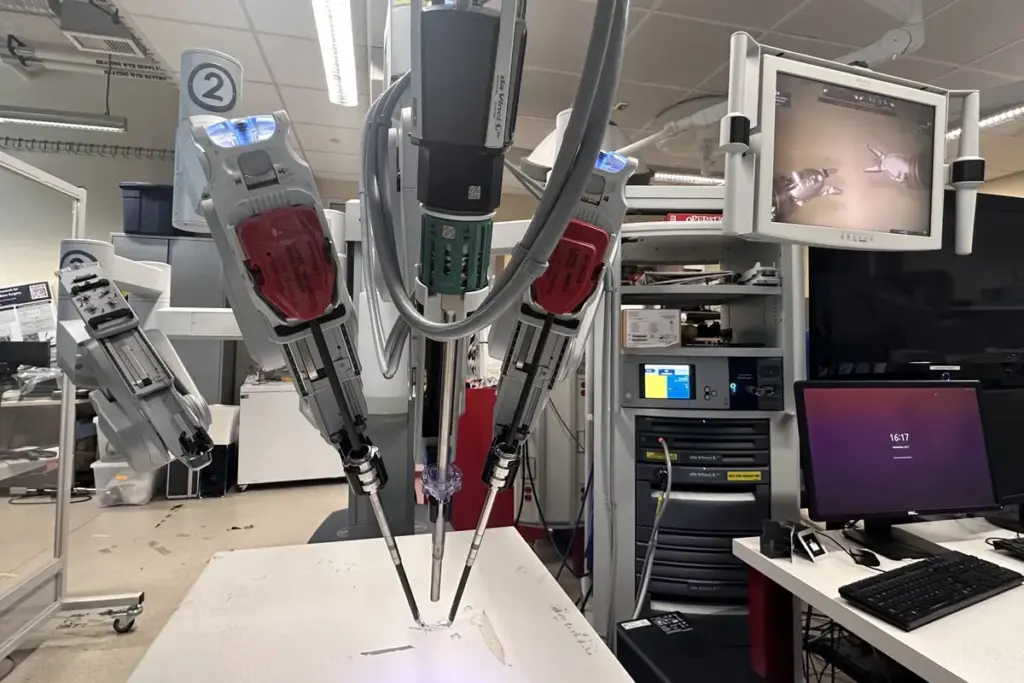
Robotic surgery has changed the medical world with its small incisions. It’s used a lot for hysterectomies. Robotic hysterectomy can make recovery time much shorter than traditional surgery, which is good news for many patients.
Knowing how long robotic surgery takes and how long it takes to recover is key. Robotic hysterectomy causes less damage and trauma. This means patients can leave the hospital sooner and get back to their daily lives faster.
Key Takeaways
- Robotic hysterectomy reduces recovery time compared to open surgery.
- The procedure involves minimal invasion, resulting in less tissue damage.
- Patients can expect shorter hospital stays.
- Faster return to normal activities is a significant benefit.
- Understanding the recovery process is important for patients.
Understanding Robotic Surgery: An Overview
Robotic surgery is a big step forward in medical tech. It makes surgeries better and recovery times shorter. This method uses advanced robots to do complex surgeries with great precision and less invasion.
What Is Robotic Surgery?
Robotic surgery, or robotic-assisted surgery, uses robots to help surgeons. It gives a clear, 3D view of the surgery area. This lets surgeons move more precisely and with more control.
“The use of robotic systems in surgery has been a game-changer,” say doctors. “It offers the benefits of less invasive surgery with the precision of robots.”
The Da Vinci Surgical System
The Da Vinci Surgical System is a top choice for robotic surgery. It gives surgeons better vision, precision, and control. It has a surgeon’s console, a cart for the patient, and a high-definition vision system.
The Da Vinci system is used in many surgeries, like robotic hysterectomy. It helps by reducing blood loss and shortening hospital stays.
Benefits of Robotic-Assisted Procedures
Robotic-assisted procedures, like robotic surgery, have many advantages. These include:
- Less postoperative pain
- Reduced risk of infection
- Shorter recovery times
- Minimal scarring
Using the Da Vinci Surgical System, surgeons can do complex surgeries better. This can lower the risk of hysterectomy side effects.
Robotic Surgery Duration: Factors That Influence Procedure Time
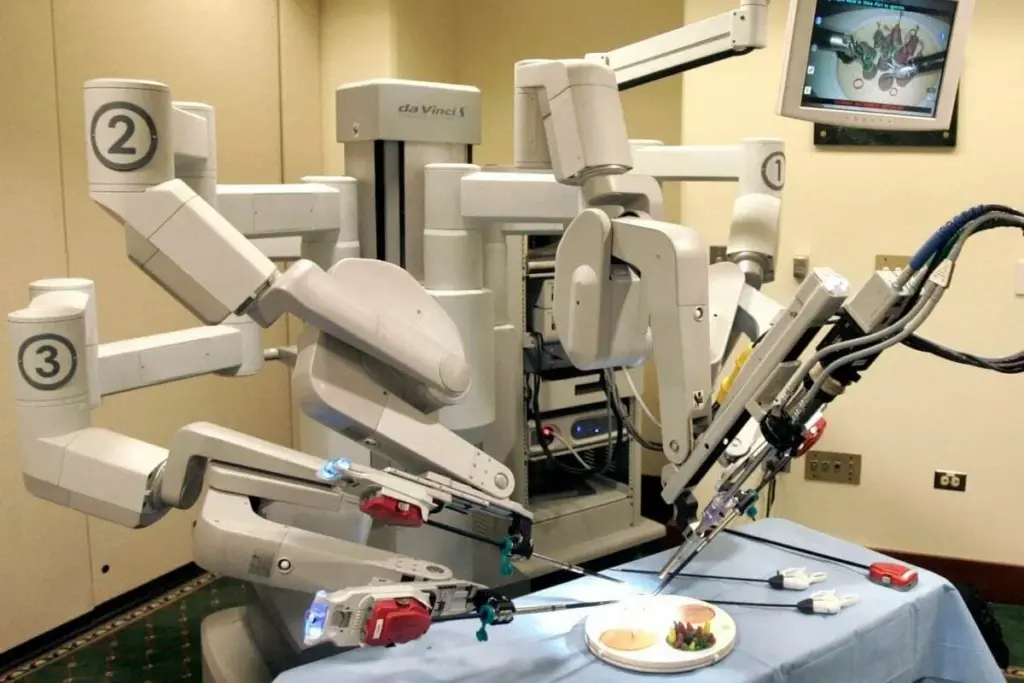
It’s important for patients and surgeons to know what affects the time of robotic surgery. The time needed can change a lot because of different factors.
Surgeon Experience and Expertise
The surgeon’s experience and skill are key in how long robotic surgery takes. A seasoned surgeon can do the surgery faster because they know the robotic system well. They have also improved their skills over many surgeries.
Expert surgeons handle complex situations better, which shortens the surgery time. A study found, “Surgeon experience is a critical factor in the success and duration of robotic surgery”
“Surgeons who have performed a higher number of robotic surgeries tend to have shorter operation times and fewer complications.”
Patient-Specific Factors
Factors specific to the patient also play a big role in the surgery time. The patient’s health, any complicating medical conditions, and their body shape can all affect the surgery time.
- Patients who have had surgery before may need more time because of adhesions or scar tissue.
- Conditions like endometriosis or fibroids can make the procedure more complex and longer.
Complexity of the Procedure
The complexity of the surgery is also a big factor. More complex surgeries, like those with many steps or needing precise dissection, take longer.
For example, a robotic hysterectomy with extra steps like oophorectomy or salpingectomy takes more time than a simple hysterectomy.
Types of Hysterectomy Procedures
There are many types of hysterectomy procedures. Each one has its own reasons and benefits. The right procedure depends on the condition, the patient’s health, and the surgeon’s advice.
Total Hysterectomy
A total hysterectomy removes the whole uterus, including the cervix. It’s often chosen for uterine fibroids, endometriosis, or cancer. This means no more periods and no chance of pregnancy.
Partial Hysterectomy
Partial hysterectomy, or subtotal hysterectomy, takes out the top part of the uterus but keeps the cervix. It’s not as common today because of possible bleeding and complications. But, it might be an option if keeping the cervix is important.
Radical Hysterectomy
Radical hysterectomy is a bigger surgery. It removes the uterus, cervix, part of the vagina, and nearby tissues. It’s mainly for cervical cancer or other cancers. The goal is to get rid of cancer while saving healthy tissue.
Oophorectomy and Salpingectomy
Other surgeries might happen at the same time, like oophorectomy (ovary removal) and salpingectomy (fallopian tube removal). These are based on the patient’s situation and risks. For example, removing ovaries might be suggested if there’s a high ovarian cancer risk. As one expert says,
“The decision to remove the ovaries or fallopian tubes should be made on a case-by-case basis, taking into account the patient’s overall health and risk profile.”
Knowing about different hysterectomy procedures and surgeries is key to making good health choices. Each one has its own reasons, benefits, and risks. It’s important to talk about these with a healthcare provider.
Robotic Hysterectomy: Procedure Duration and Operating Room Time

Many patients wonder how long a robotic hysterectomy takes. It’s a key part of making a choice. This surgery is less invasive and can lead to quicker healing and less pain.
Average Duration of Robotic Hysterectomy
The time it takes for a robotic hysterectomy varies. It depends on the case’s complexity, the surgeon’s skill, and the techniques used. Usually, it’s shorter than open surgery, lasting from 1 to 3 hours.
“The robotic approach allows for more precise dissection and suturing, potentially reducing the overall surgery time,” says a top gynecologic surgeon.
Comparison with Traditional Surgical Methods
Robotic hysterectomy differs from traditional surgery in many ways. Traditional surgery often needs a bigger cut and can mean longer hospital stays. Robotic surgery, on the other hand, uses smaller cuts, leads to less blood loss, and results in quicker healing.
- Robotic hysterectomy: typically 1-3 hours
- Traditional open hysterectomy: often 2-4 hours or more
Setting up for robotic surgery takes longer because of the robotic system. But, the surgery time is often the same or less than traditional methods.
Setup and Preparation Time
Setup and preparation time are key for robotic hysterectomy. This includes docking the robot, positioning the patient, and getting the instruments ready. Though it adds to the time, the robotic system’s precision makes the surgery smoother.
“The initial setup for robotic surgery is a critical step that requires careful attention to detail. But, once the system is in place, the surgery can proceed with enhanced precision and minimal complications.”
In summary, robotic hysterectomy’s duration can vary. Yet, it has many benefits over traditional surgery, like shorter surgery times and quicker recovery.
Hysterectomy Recovery: What to Expect After Surgery
Hysterectomy recovery has several stages. It starts with immediate care after surgery and goes on to long-term healing. Knowing these stages is key for a smooth recovery.
Immediate Post-Operative Period
The first stage is the immediate post-operative period. Here, patients are closely watched in the recovery room. Medical staff check vital signs and manage pain or discomfort. Effective pain management is a top priority for comfort.
Patients may feel:
- Drowsiness or fatigue from anesthesia
- Nausea or vomiting
- Pain or discomfort at the surgical site
- Bloating or gas pains
First Week of Recovery
The first week is a time to adjust. Patients should rest and avoid hard activities. Gentle movements and short walks are good to prevent blood clots and aid healing.
|
Activity |
Recommendation |
|---|---|
|
Resting |
Avoid heavy lifting and bending |
|
Walking |
Short, gentle walks |
|
Diet |
Light, easily digestible foods |
Long-Term Recovery Timeline
The recovery timeline varies, but most return to normal in 6-8 weeks. Full recovery, including strength and energy, may take months.
Follow-up care is vital during this time. Regular visits to healthcare providers are important. They help monitor healing and address any issues.
Understanding the stages of hysterectomy recovery helps patients prepare. It ensures a smoother and more successful recovery journey.
Recovery Timeline for Hysterectomy Patients
The journey to full recovery after a hysterectomy has several stages. Knowing these can help patients prepare and know when to ask for help.
Hospital Stay Duration
The time spent in the hospital after a hysterectomy varies. For robotic hysterectomy, patients usually stay for 1 to 2 days. This time can be longer if there are complications or if recovery is slower.
A study looked at hospital stays for different hysterectomy types. Here are the average times:
|
Type of Hysterectomy |
Average Hospital Stay |
|---|---|
|
Robotic Hysterectomy |
1-2 days |
|
Abdominal Hysterectomy |
2-4 days |
|
Laparoscopic Hysterectomy |
1-3 days |
Returning to Daily Activities
Getting back to daily activities is a big step in recovery. Most patients can start with light activities in 2 to 4 weeks after surgery. But, it may take 6 to 8 weeks or more to fully recover and do strenuous activities.
Complete Recovery Expectations
Full recovery from a hysterectomy can take months. It’s key to follow your doctor’s advice on when to start activities again and how to manage your recovery.
Several things can affect how long it takes to recover:
- The type of hysterectomy done
- The patient’s health and age
- Any issues during or after surgery
By knowing these factors and following post-op instructions, patients can improve their recovery.
Physical Changes Inside the Body After Hysterectomy
A hysterectomy can cause big physical changes inside the body. These changes include changes in the body’s structure and how hormones work. It’s key for patients to understand these changes to recover well.
Anatomical Changes
When the uterus is removed, the body changes right away. The space where the uterus was might be filled by other organs. Or, the body might adjust through surgery. Some main changes are:
- Shift in pelvic organ positioning
- Potential changes in bladder and bowel function
- Adjustment in the support structures within the pelvic floor
Hormonal Adjustments
If the ovaries are taken out during the surgery, patients will go into menopause right away. This is because hormone levels drop a lot. Even if the ovaries stay, hormone changes can happen. Key changes include:
- Decrease in estrogen levels (if ovaries are removed)
- Potential changes in menstrual cycle or cessation of menstruation
- Possible impact on libido and vaginal lubrication
Long-Term Physical Adaptations
Over time, the body gets used to the changes from the surgery. Patients might see long-term changes, like:
- Changes in pelvic floor function
- Potential for improved or worsened bladder control
- Adjustments in overall physical health and well-being
It’s vital for patients to listen to their healthcare provider. This helps manage changes and ensures a smooth recovery.
Common Side Effects of Hysterectomy
Knowing about the side effects of hysterectomy is key for a smooth recovery. A hysterectomy is sometimes needed but can cause various side effects. It’s important for patients to be aware of these.
Short-Term Side Effects
Right after a hysterectomy, patients might feel pain, discomfort, and fatigue. These symptoms can be managed with medicine and rest. Also, infection is a possible short-term side effect, which antibiotics can help prevent.
- Pain and discomfort
- Fatigue
- Infection
Long-Term Side Effects
Long-term side effects can include changes in bladder or bowel function. Some might face urinary incontinence or constipation. It’s vital to talk about these possible long-term effects with a healthcare provider.
|
Side Effect |
Description |
|---|---|
|
Bladder Changes |
Urinary incontinence or frequency |
|
Bowel Changes |
Constipation or bowel obstruction |
Hormonal Side Effects
If the ovaries are removed, patients might face hormonal changes. This can lead to hot flashes or mood swings. In some cases, hormone replacement therapy (HRT) is suggested to help with these symptoms.
It’s important for patients to know about these side effects. This way, they can better prepare for their recovery. Talking to a healthcare provider about concerns can greatly improve the recovery process.
Potential Complications During Hysterectomy Recovery
It’s important for patients to know about possible complications after a hysterectomy. This surgery is common and usually safe. But, like any surgery, there are risks and complications to be aware of.
Infection Signs and Prevention
Infection is a risk after a hysterectomy. Signs of infection include fever, redness or swelling at the incision site, and unusual vaginal discharge. To prevent infection, patients often take antibiotics before and after surgery.
Keeping the incision site clean and following post-operative instructions can also help. This can lower the risk of infection.
Bleeding Concerns
Bleeding is another possible complication. Excessive bleeding or hemorrhage is a serious issue that needs immediate medical help. Patients should watch their bleeding closely and tell their healthcare provider if it’s heavy or lasts too long.
Using compression stockings and moving around soon after surgery can help prevent bleeding issues.
Wound Healing Issues
Wound healing problems can happen if the incision site doesn’t heal right. Signs of wound healing problems include increased pain, redness, or discharge from the wound. Keeping the area clean, going to follow-up appointments, and avoiding heavy lifting or strenuous activities can help with healing.
When to Seek Emergency Care
It’s key for patients to know when to seek emergency care. Symptoms that require immediate attention include severe abdominal pain, heavy vaginal bleeding, fever above 100.4°F (38°C), or signs of infection. If patients experience any of these symptoms, they should contact their healthcare provider or visit the emergency room without delay.
Managing Pain During Hysterectomy Recovery
Pain management is key after a hysterectomy. It makes patients feel better and helps them recover faster.
Medication Options
There are many ways to manage pain after a hysterectomy. These include:
- Opioids: These are used for severe pain but are watched closely due to side effects and addiction risks.
- Non-opioid analgesics: Like acetaminophen or NSAIDs, they work for mild to moderate pain.
- Combination therapy: Mixing different pain medicines can help control pain better.
It’s important to follow your doctor’s advice on pain medicine. This ensures it’s used safely and effectively.
Non-Pharmaceutical Pain Management
There are also non-medical ways to manage pain after a hysterectomy:
|
Method |
Description |
Benefits |
|---|---|---|
|
Relaxation Techniques |
Deep breathing, meditation, or guided imagery |
Reduces stress, promotes relaxation |
|
Physical Therapy |
Gentle exercises to improve mobility and strength |
Enhances recovery, reduces stiffness |
|
Heat or Cold Therapy |
Applying heat or cold packs to the affected area |
Relieves pain, reduces discomfort |
When to Contact Your Doctor About Pain
Some pain is normal after a hysterectomy. But, it’s important to know when to call your doctor. Do so if you have:
- Pain that gets worse over time
- Pain that doesn’t go away with medicine
- Signs of infection, like fever, redness, or swelling
Knowing your options for pain management and when to ask for help can greatly improve your recovery after a hysterectomy.
Recommended Diet and Nutrition After Hysterectomy
Nutrition is key for healing after a hysterectomy. Making smart food choices can help a lot. A diet full of good nutrients helps the body heal faster and reduces risks.
Foods to Include
Eating whole foods is best for recovery. You should eat a mix of:
- Fruits: They’re full of vitamins and antioxidants, like berries and apples.
- Vegetables: Leafy greens and broccoli are packed with nutrients.
- Whole Grains: Foods like brown rice and whole-wheat bread are good for you.
- Lean Proteins: Chicken and fish help with healing.
Foods to Avoid
Some foods can slow down healing or cause pain. It’s best to limit or avoid:
- Processed Foods: They’re full of salt and unhealthy fats.
- High-Sugar Foods: Too much sugar can make you feel tired and moody.
- Caffeine and Alcohol: They can mess with your hydration and medicine.
Also, skip gas-producing foods like beans and cabbage to avoid bloating.
Hydration and Supplement Recommendations
Drinking enough water is very important. It helps prevent constipation and aids healing.
Healthcare providers might suggest supplements like:
- Iron for anemia.
- Vitamin C for immune health.
- Probiotics for gut health.
Always talk to a doctor before taking new supplements.
By eating well, staying hydrated, and following doctor’s advice, you can help your body recover after surgery.
Safe Exercises and Physical Therapy After Hysterectomy
Recovering from a hysterectomy can be easier with the right exercises and physical therapy. Gentle exercises and therapy help with healing and reduce risks. They also improve how well you can move after surgery.
Early Recovery Exercises
At first, start with easy exercises that don’t strain your body too much. Deep breathing exercises can boost lung health and lower respiratory risks. Gentle stretching keeps you flexible and less stiff.
Short walks are also good early on. They help prevent blood clots and boost circulation. Always listen to your body and don’t push too hard.
Gradual Return to Physical Activity
As you get better, you can do more active things. It’s key to start slowly and carefully to avoid problems. Swimming, cycling, and yoga are great because they’re easy on your body and can be adjusted to fit your fitness level.
Pelvic Floor Rehabilitation
Rehabbing the pelvic floor is very important after a hysterectomy. Pelvic floor exercises, or Kegels, help keep these muscles strong. These exercises work the muscles that hold up your pelvic organs.
|
Exercise Type |
Benefits |
When to Start |
|---|---|---|
|
Deep Breathing |
Improves lung function, reduces respiratory complications |
Immediately after surgery |
|
Gentle Stretching |
Maintains flexibility, reduces stiffness |
Within the first week |
|
Short Walks |
Prevents blood clots, promotes circulation |
Within the first few days |
|
Pelvic Floor Exercises (Kegels) |
Maintains or restores pelvic floor function |
After initial healing, typically 2-4 weeks post-surgery |
Always talk to your doctor before starting any new exercise or therapy after a hysterectomy. They can give advice that fits your needs and how you’re doing.
Conclusion: Navigating Your Robotic Surgery and Hysterectomy Recovery Journey
Learning about robotic surgery and hysterectomy recovery is key. It helps patients understand their journey better. Robotic surgery, like robotic hysterectomy, has many benefits. These include less recovery time and less pain after surgery.
Knowing about the surgery, recovery, and possible issues helps patients prepare. Following the advice of healthcare providers is important. It ensures a smooth and successful recovery after a hysterectomy.
Recovering well needs patience, support, and knowing what to expect. With robotic surgery and the right care, patients can recover faster. They can then get back to their usual activities sooner.
FAQ
What is a robotic hysterectomy?
A robotic hysterectomy is a surgery to remove the uterus. It uses a robotic system, like the Da Vinci Surgical System. This method offers better vision, precision, and control.
How long does a robotic hysterectomy take?
The time for a robotic hysterectomy varies. It depends on the surgeon’s skill, the patient’s health, and the surgery’s complexity. Generally, it’s shorter than open surgery.
What are the benefits of robotic-assisted hysterectomy?
Robotic-assisted hysterectomy has many benefits. It reduces blood loss and pain, and shortens hospital stays. The robotic system’s precision allows for more complex surgeries with better results.
What is the recovery time for a hysterectomy?
Recovery time for a hysterectomy varies. It depends on the surgery type and the patient’s health. Most people can get back to normal in a few weeks to months.
What are the possible side effects of hysterectomy?
Side effects of hysterectomy include short-term pain and infection. Long-term effects might include bladder or bowel changes and hormonal shifts.
How can I manage pain after a hysterectomy?
Managing pain after a hysterectomy involves medication and non-medical methods. Relaxation techniques and physical therapy can help. Always follow your doctor’s advice on pain management.
What is the recommended diet after a hysterectomy?
Eating a balanced diet is key after a hysterectomy. Focus on whole foods like fruits, vegetables, grains, and lean proteins. Drinking plenty of water is also important.
What exercises are safe after a hysterectomy?
Start with gentle exercises and physical therapy after a hysterectomy. Begin with deep breathing, stretching, and short walks. Gradually increase activity levels.
When should I seek emergency care after a hysterectomy?
Watch for signs of infection like fever or redness around the incision. Seek emergency care for severe bleeding, wound issues, or other concerning symptoms.
How long does it take to fully recover from a hysterectomy?
Recovery from a hysterectomy can take a few months. Follow your doctor’s advice and post-operative care for a smooth recovery.
References
National Center for Biotechnology Information. Evidence-Based Medical Insight. Retrieved from https://pmc.ncbi.nlm.nih.gov/articles/PMC3254844/